
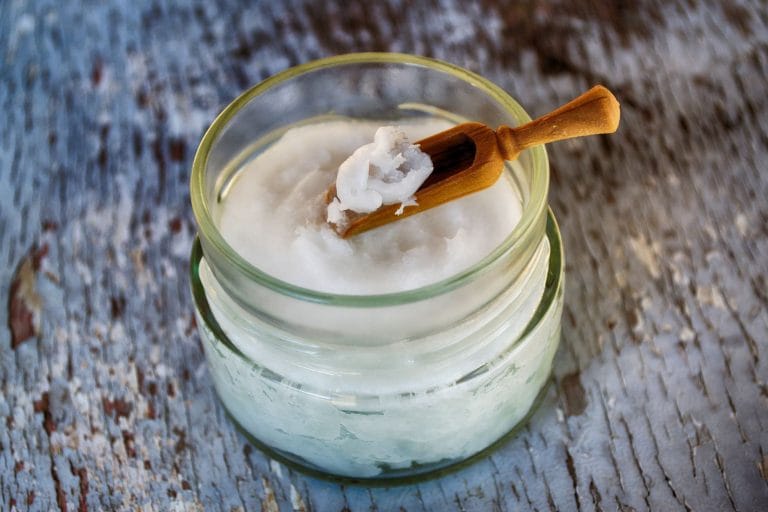
The viral trend has real science behind it, just not the science you were promised.
Scroll through enough wellness content and you’ll eventually meet someone swishing a spoonful of melted coconut oil around their mouth, promising a brighter smile in a week. The claim spread fast, partly because coconut oil already had a reputation as a do-everything pantry staple with antimicrobial, anti-inflammatory, and antioxidant properties.
Here’s the honest version. Coconut oil does something useful for your mouth. Whether that something counts as “whitening” depends entirely on why your teeth look dull in the first place.
Key Takeaways
– Coconut oil on its own has no bleaching or brightening action on tooth enamel.
– Research does support it for reducing plaque and easing gingivitis.
– Pairing it with baking soda, turmeric, or activated charcoal is where any visible lightening comes from.
– Lauric acid gives coconut oil its antibacterial punch against cavity-causing and odor-causing bacteria.
– Anyone with a coconut allergy, gum irritation, or weak jaw muscles should skip oil pulling.
Does Coconut Oil Actually Whiten Teeth?
No study has shown coconut oil lightens stained enamel. It contains nothing that bleaches, and nothing abrasive enough to scrub away surface discoloration.
What the research does back is less glamorous but arguably more valuable: coconut oil reduces plaque buildup and helps with gingivitis. And plaque is often the reason a smile looks yellow. Clear the film, and teeth can look cleaner without a single shade of enamel changing. That distinction matters if you’re deciding whether to spend 20 minutes a day swishing.
What Coconut Oil Genuinely Does for Your Mouth
Fights the bacteria behind cavities
Streptococcus mutans is the main culprit in tooth decay, and coconut oil helps kill it. That’s a legitimate preventive benefit, separate from anything cosmetic.
Tackles bad breath
Lauric acid, the saturated fat that drives most of coconut oil’s antimicrobial activity, appears to inhibit Helicobacter pylori, one of the bacteria linked to halitosis. Fresher breath is a realistic outcome here.
Calms inflamed gums
Gingivitis causes swelling, irritation, and in severe untreated cases, tooth loss. Coconut oil has shown benefit in reducing it, which is the strongest evidence in this whole category.
Cuts plaque and, indirectly, sensitivity
The fatty acids in coconut oil work against oral bacteria and interfere with plaque formation. Less plaque may also mean less sensitivity, since irritated gums and exposed areas are often what make cold drinks hurt.
Five Ways People Use It
None of these are miracle cures. A couple are genuinely worth trying; one comes with a real caution attached.
Coconut Oil and Baking Soda
Baking soda is alkaline, which helps lift acidic stains from coffee, tea, and red wine. It may also help kill oral bacteria.
1 tablespoon coconut oil
1 tablespoon baking soda
Mix the two into a paste, brush for three to four minutes, then rinse with lukewarm water. Twice a week is the suggested frequency for visible results.
Oil Pulling
 Save
SaveThe classic Ayurvedic method, and the one most associated with the trend. Lauric acid targets the bacteria responsible for that stubborn yellow film.
Take a tablespoon of coconut oil, let it melt in your mouth for a few seconds, then swish for 15 to 20 minutes. Spit it out (in the trash, not the sink, since it solidifies in pipes) and brush normally afterward. Daily or weekly both work.
Twenty minutes is a long time, and that time commitment is the part most people struggle with.
Turmeric Paste
 Save
SaveSlightly counterintuitive, given turmeric stains almost everything else it touches. The curcumin in it reduces inflammation, helps remove plaque, and may guard against gum disease.
¼ teaspoon organic turmeric powder
⅛ teaspoon coconut oil
Combine, apply to teeth, leave for three minutes, brush gently and rinse. Follow with your regular toothpaste. One or two times a week.
Activated Charcoal
Charcoal can lift stains from enamel, and it also acts on the dental resin used in fillings. That second part is the problem.
Dust a damp toothbrush with charcoal powder, brush two to three minutes, rinse your teeth and gums with coconut oil, then finish with lukewarm water. Once a week, no more.
Excessive use of activated charcoal may damage dental fillings. If you have restorative work, this one deserves a conversation with your dentist first.
Homemade Coconut Oil Mouthwash
 Save
SavePeppermint oil has antimicrobial properties that may work against oral pathogens, freshen breath, and contribute a brightening effect.
1 cup coconut oil
2 tablespoons baking soda
5 drops peppermint essential oil
1 tablespoon sea salt
Blend the oil, baking soda, and peppermint, then stir in the salt. Transfer to a glass jar with a tight lid and let it sit somewhere cool until it solidifies. Brush with it when solid, or swish and spit when it’s melted.
Who Should Leave This Alone
Coconut oil is generally low-risk and isn’t known to cause side effects for most people.
That said, stop immediately if you’re allergic to coconut, or if oil pulling brings on sensitivity or gum inflammation. And if your jaw muscles are already weak, twenty minutes of continuous swishing can tire them further.
Options That Actually Whiten
 Save
SaveIf genuine shade change is the goal, coconut oil isn’t your tool. Three alternatives, roughly in order of effectiveness:
Charcoal toothpaste — popular for absorbing stains, but abrasive. Excessive use may lead to enamel erosion.
Whitening strips — these contain real bleaching agents and produce visible results. They can irritate gums, and people with sensitive teeth often find them uncomfortable.
Professional whitening — a dentist applies high-concentration bleaching agents under supervision, which is the most effective and most controlled route.
A reasonable approach: use coconut oil for gum health and plaque control, and treat whitening as a separate question with a separate answer.
Frequently Asked Questions
How long before I see anything from oil pulling?
Anecdotal reports mention noticing a difference within three to five days of consistent daily pulling. What you’re likely seeing is reduced plaque rather than lighter enamel, but a cleaner tooth surface does look brighter.
Does oil pulling replace brushing?
It doesn’t. Oil pulling is a supplement to brushing and flossing, never a substitute. Always brush after you spit out the oil.
Can I do this with fillings or crowns?
Coconut oil alone is fine. The activated charcoal remedy is the one to be careful with, since frequent charcoal use may damage dental fillings. Check with your dentist before adding it to your routine.
The Bottom Line
Coconut oil earned its place in oral care, just not for the reason it went viral. It won’t bleach your teeth. It will help control plaque, discourage the bacteria behind cavities and bad breath, and calm inflamed gums, and those effects are backed by actual research rather than before-and-after photos.
If your teeth look dull because of plaque, oil pulling might genuinely change what you see in the mirror. If the discoloration is in the enamel itself, from years of coffee or aging or medication, you’ll need a dentist. Both things can be true at once.
This article is for informational purposes only and is not a substitute for professional medical or dental advice. Talk to your dentist or healthcare provider before starting any new oral care routine, especially if you have fillings, crowns, gum disease, or tooth sensitivity.