
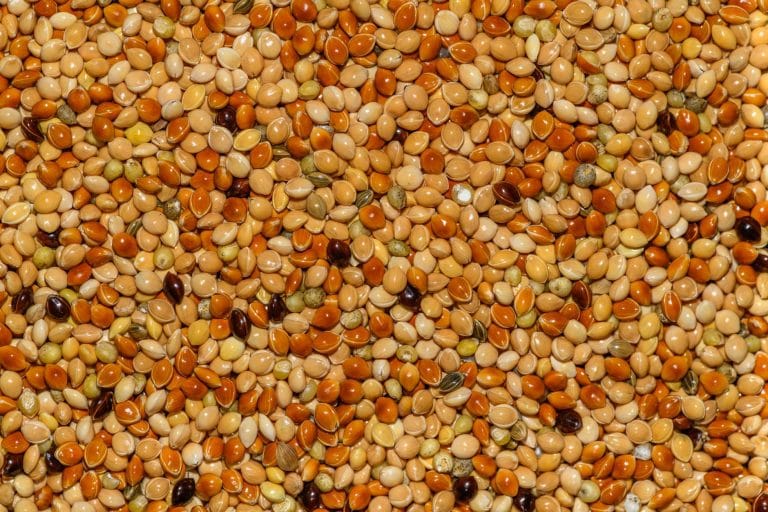
A humble grain that quietly delivers fiber, antioxidants, and a naturally gluten-free way to fuel your day.
If you’ve been hunting for a wholesome grain that skips the gluten but keeps the nutrition, sorghum deserves a spot on your radar. This small, round beige grain—often marked with a tiny black dot—grows in clusters on tall grass and traces its origins to Africa. Lately it’s earning a global following, and for good reason: its bioactive antioxidants and generous fiber content are linked to a surprising range of wellness perks.
In this guide, we’ll walk through what sorghum actually is, the varieties you might encounter, its most promising health benefits, and a few simple ways to bring it into your everyday meals.
Key Takeaways
– Sorghum is a naturally gluten-free grain packed with bioactive antioxidants and fiber.
– It may help manage blood sugar, support heart health, and aid digestion.
– It’s a safe, satisfying alternative for people with celiac disease or gluten sensitivity.
– With its mild, earthy flavor, sorghum works as a rice swap or as flour for flatbreads.
What Is Sorghum?
Sorghum (Sorghum bicolor) is a genus of roughly 25 flowering species in the grass family (Poaceae). Native to Africa and now cultivated across the tropics and subtropics, it’s a staple starch source that also feeds the production of alcoholic beverages and sorghum molasses. Widely loved in tropical regions yet underrated elsewhere, this crop is finally getting the attention it deserves.
Types of Sorghum
 Save
SaveSorghum shows up in four main forms, each with its own purpose:
Grain sorghum – The edible variety, ranging in color from red, orange, and bronze to tan, white, and black. Lighter shades are commonly milled into flour.
Forage sorghum – Grows 8 to 15 feet tall and is grown mainly for livestock feed and silage.
Biomass sorghum – Reaching up to 20 feet, this towering type is prized for bioenergy thanks to its heavy non-grain biomass.
Sweet sorghum – Harvested for its stalks and turned into syrup, and today used in whiskey and rum production.
The Health Benefits of Sorghum
May Support Digestive Health
Sorghum is a solid source of dietary fiber, which keeps things moving through your digestive tract and helps ward off constipation, gas, and other gastrointestinal complaints. Fiber also acts as a prebiotic, feeding the beneficial bacteria that keep your gut balanced. On top of that, fiber has been tied to lower cholesterol and reduced risk of heart disease and atherosclerosis, and animal research suggests sorghum extract can lower cholesterol in hamsters.
May Help Manage Blood Sugar
 Save
SaveFor anyone watching their glucose, sorghum is worth a closer look. It’s rich in phytochemicals shown to have glucose-lowering, or hypoglycemic, effects. Animal studies have found sorghum extract exerts an anti-diabetic action, and a Korean study reported it improved insulin sensitivity in mice on a high-fat diet. A small preliminary trial in non-insulin-dependent diabetic patients also noted a hypoglycemic response to certain sorghum recipes. Because sorghum carries a low glycemic index, low-GI, low-GL sorghum foods may help blunt post-meal blood sugar spikes—making it a smart pick for people with diabetes.
May Reduce Cancer Risk
Several studies connect the phytochemicals in sorghum to cancer-inhibiting activity. Research has documented the anticancer potential of sorghum bran against human colon cancer cells, and high-polyphenol sorghum bran extract appears to slow cancer cell growth by triggering oxidative stress, cell cycle arrest, and apoptosis (programmed cell death). These findings are encouraging, though scientists agree more study is needed before drawing firm conclusions.
May Offer Cardioprotective Effects
Sorghum’s phenolic compounds show potent antioxidant activity, and eating the whole grain may lower the risk of chronic disease by easing oxidative stress. Its phytosterols and policosanols also help regulate how the body absorbs, produces, and excretes cholesterol. In one study, adding sorghum lipids to hamsters’ diets boosted cholesterol excretion and reduced cholesterol levels in their blood and liver.
May Help Lower Cholesterol
Building on those heart-friendly effects, the phytosterols and polycosanols in sorghum play a direct role in cholesterol metabolism. Animal research shows grain sorghum lipid extract cuts cholesterol absorption and lowers non-HDL cholesterol, leading scientists to suggest sorghum could serve as a food ingredient or supplement for managing cholesterol in people.
May Aid Weight Management
Whole grain sorghum is a genuinely satisfying food. Its combination of fiber and a low glycemic index helps you feel full longer. In a randomized crossover trial of 40 healthy volunteers, whole grain sorghum biscuits delivered greater satiety than a wheat control—one reason it may support weight-loss goals, though more research is still needed.
May Support Bone Health
 Save
SaveThe evidence here is mixed. In one study, Wistar rats on a sorghum diet ate less and gained less weight than controls, but their calcium intake was also lower, tied to their reduced overall food intake. Research on sorghum and bone strength remains inconclusive, so enjoy it as one part of a varied diet rather than a bone-specific fix.
A Naturally Gluten-Free Choice
Perhaps sorghum’s standout quality is that it’s completely gluten-free. For people with celiac disease—an autoimmune reaction to the gluten in wheat, barley, and rye—sorghum offers a safe, nourishing alternative. Studies report no gastrointestinal distress in people with celiac disease after eating sorghum-based foods.
Sorghum Nutrition Facts
Per 100 grams, sorghum delivers:
Calories: 329
Protein: 10.6 g
Fat: 3.46 g
Carbohydrates: 72.1 g
Fiber: 6.7 g
It’s also rich in resistant starch and both cellulosic and non-cellulosic polysaccharides, along with minerals and vitamins that help fuel steady energy.
Bring Sorghum Into Your Kitchen
 Save
SaveSorghum’s mild, earthy flavor makes it wonderfully easy to work with. Cook the whole grains and use them much like rice—as a base for grain bowls, salads, or pilafs. Or reach for sorghum flour (jowar) to make soft, hearty flatbreads. Since it’s healthier than refined white flour, you can enjoy it every day in moderation.
Frequently Asked Questions
Is sorghum safe for people with celiac disease?
Yes. Sorghum is naturally gluten-free, and studies show people with celiac disease experienced no gastrointestinal distress after eating sorghum-based foods, making it a reliable alternative to wheat.
Can people with diabetes eat sorghum?
Sorghum has a low glycemic index and phytochemicals with glucose-lowering properties, so it may help prevent blood sugar spikes. As always, enjoy it in moderation as part of a balanced diet.
Are there any downsides to eating sorghum?
Some people find sorghum harder to digest, and it can occasionally trigger allergic reactions such as mouth swelling, nausea, vomiting, or stomach cramps. Start with small amounts and stop if you notice discomfort.
The Bottom Line
Sorghum is a nutrient-dense, gluten-free grain that punches well above its weight. Thanks to its fiber and antioxidant-rich phytochemicals, it may support digestion, heart health, healthy blood sugar, and weight management, while offering a safe option for anyone avoiding gluten. Much of the research so far comes from animal and small human studies, so sorghum is best seen as a wholesome addition to a varied diet rather than a cure-all. Swap it in for refined grains now and then, and let this ancient staple work quietly in your favor.
This article is for informational purposes only and is not a substitute for professional medical advice. Consult a qualified healthcare provider before making changes to your diet, especially if you have a medical condition or food allergy.