

Thick, properly spiced, and cooked to a temperature that means you can serve it to anyone.
Most homemade eggnog recipes ask you to whisk raw eggs into cream and call it done. That produces a thin nog and an avoidable food safety problem. Cooking the base as a custard fixes both at once: the yolks thicken it into something with real body, and the heat takes care of the risk.
Adding pumpkin turns it into an autumn drink rather than a Christmas one. The puree brings colour, a mild earthy sweetness, and enough substance that you can cut back on the cream without the nog feeling thin.
Key Takeaways
– Cook the custard base to 71C (160F) and the eggs are no longer a food safety concern.
– Pumpkin puree adds body, so this needs less cream than a traditional eggnog.
– The flavour improves substantially after a night in the fridge. Make it the day before.
– Alcohol is optional here and does not preserve the drink in any meaningful way at these quantities.
– It keeps three days refrigerated, or four if you leave the alcohol out and keep it very cold.
Why You Should Cook It
 Save
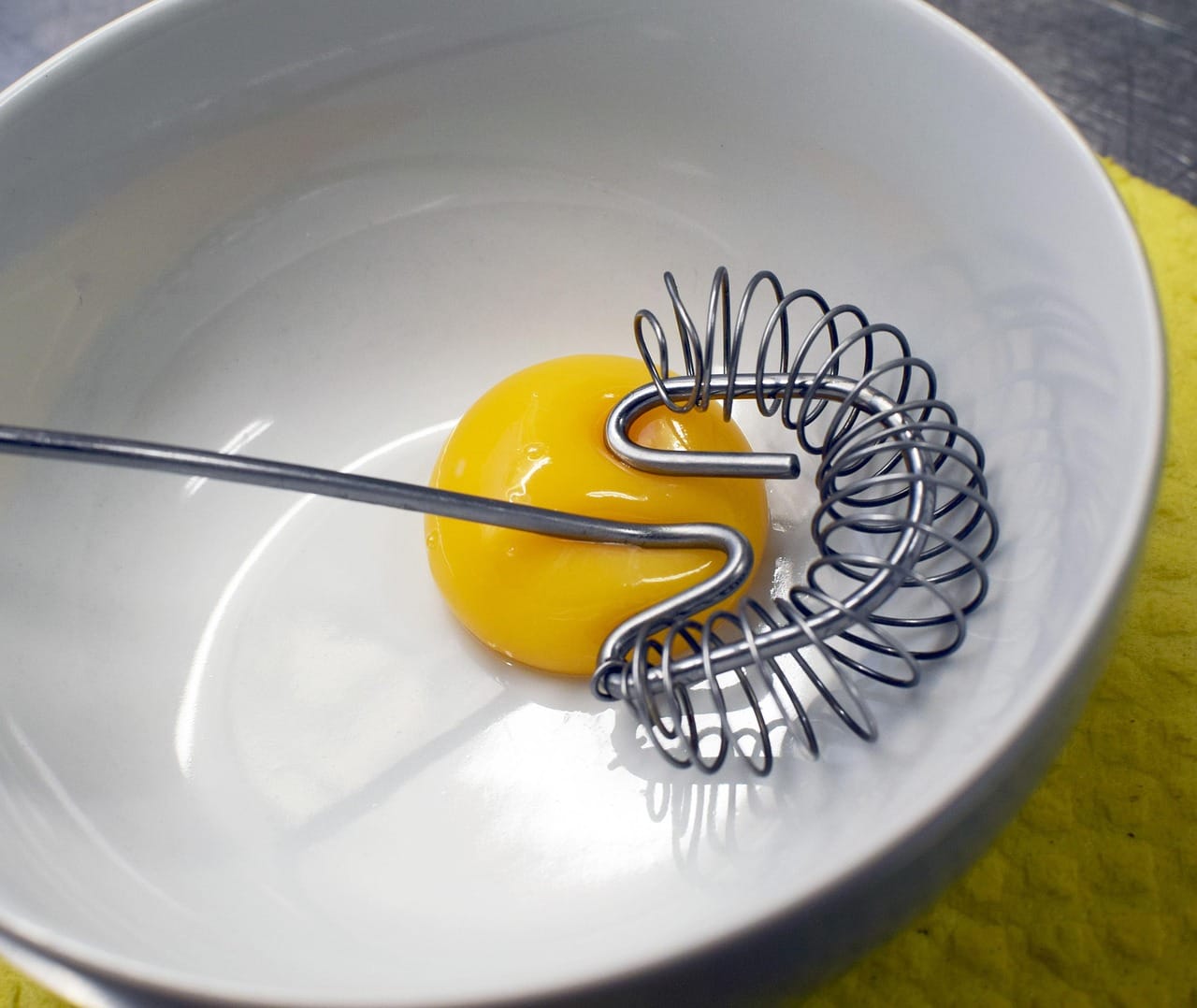
SaveRaw egg carries a small but real risk of salmonella, and food safety guidance for egg dishes centres on either using pasteurised eggs or heating the mixture until the yolks are cooked. For a custard that means bringing it to around 71C (160F), the point at which the drink is safe and the yolks have thickened but not scrambled.
There is a persistent piece of folklore that the alcohol in a spiked eggnog sterilises it. Ageing a very high-proof nog for weeks does reduce bacterial counts, but the quantity of bourbon in a normal recipe, drunk the same week, is nowhere near enough to rely on. Cook the base instead. It takes ten minutes.
The cooking also improves the drink on its own terms. A cooked custard is glossy and coats a spoon; a raw-egg nog is thin and can taste faintly of raw yolk.
What You Need
 Save
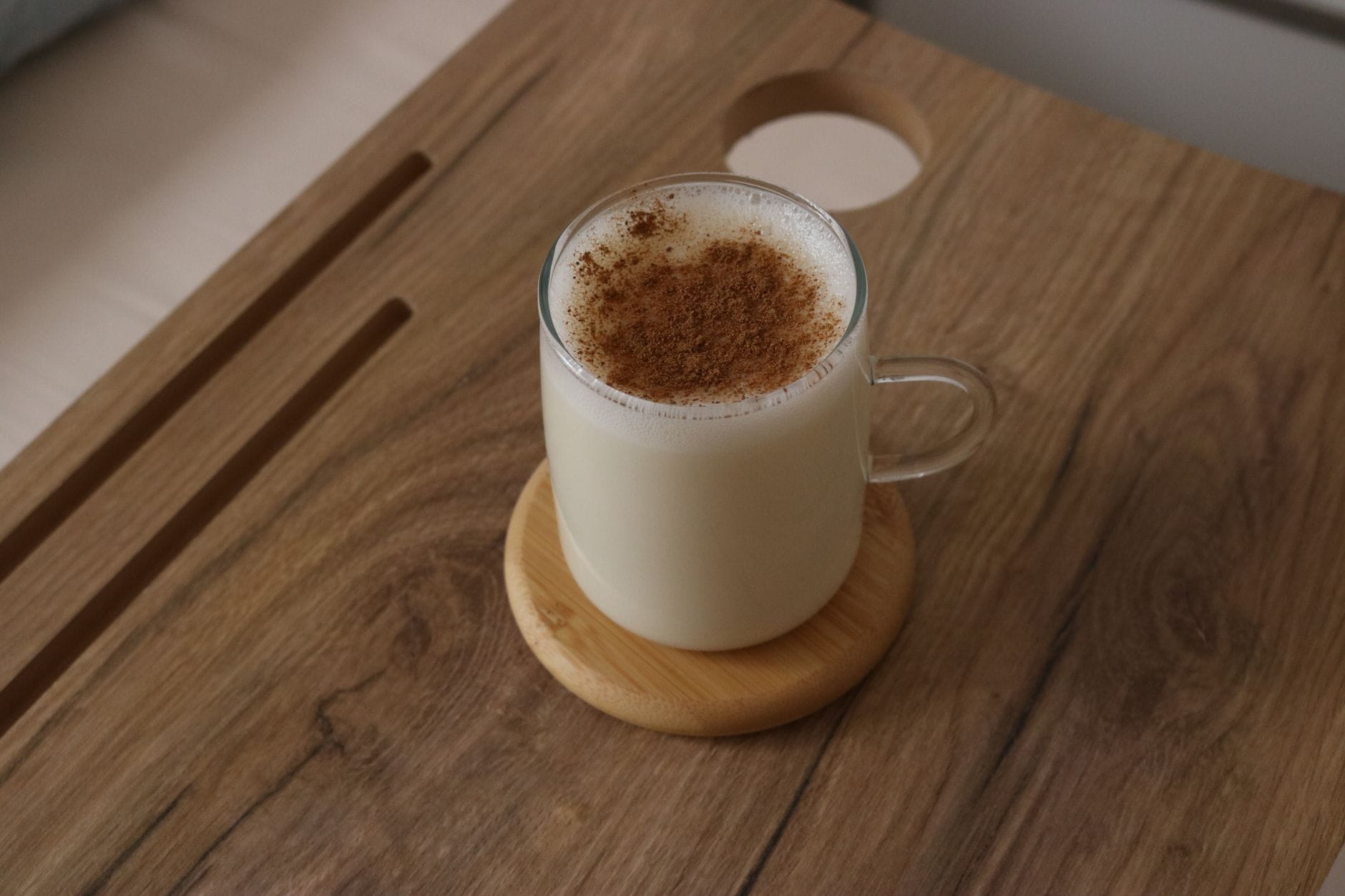
SaveMakes about 1.2 litres, roughly six servings.
6 large egg yolks
100g caster sugar
50g light brown sugar
500ml whole milk
250ml double cream
200g pumpkin puree, not pie filling
2 teaspoons ground cinnamon
1 teaspoon ground ginger
1/2 teaspoon ground nutmeg, plus extra to serve
1/4 teaspoon ground cloves
1/4 teaspoon fine salt
2 teaspoons vanilla extract
120ml bourbon, dark rum, or brandy, optional
For a dairy-free version, full-fat oat milk and coconut cream work in place of the milk and cream. Coconut cream is noticeably richer, so use a little less of it than the recipe calls for and top up with oat milk.
How to Make It
 Save
Save1. Whisk the yolks with both sugars in a large bowl for about 2 minutes, until pale and slightly thickened.
2. Combine the milk, cream, pumpkin puree, all the spices, and the salt in a heavy saucepan. Warm over a medium-low heat, whisking, until steaming but not boiling.
3. Pour about a third of the hot mixture into the yolks in a thin stream, whisking constantly. This tempers them so they do not scramble.
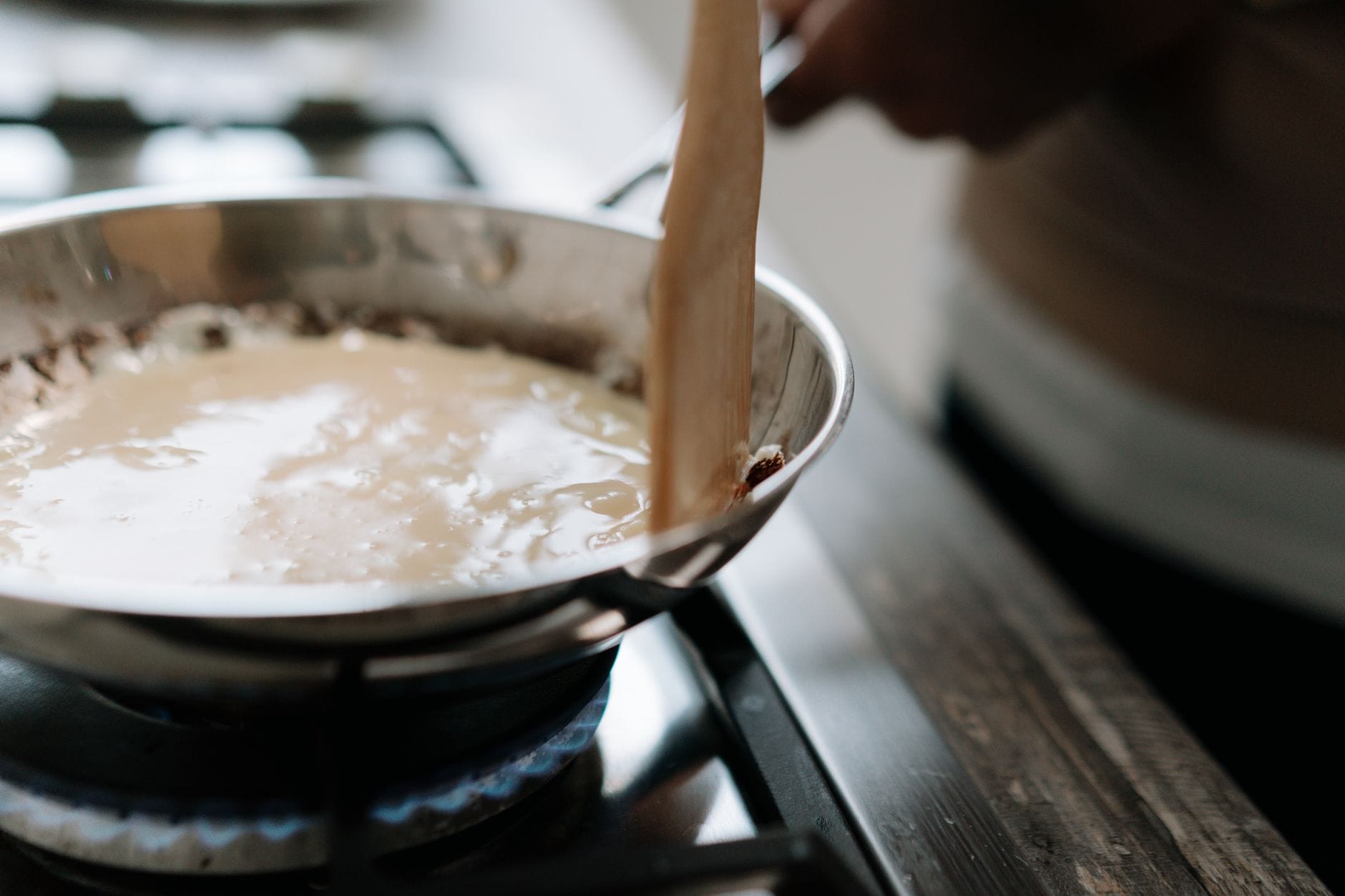
4. Pour the tempered yolks back into the pan and cook over a low heat, stirring continuously with a spatula and scraping the bottom, for 6 to 10 minutes.
5. Watch for two signs: the custard thickens enough to coat the back of a spoon and hold a line when you draw a finger through it, and a thermometer reads 71C (160F). Do not let it boil.
6. Take it off the heat immediately and stir in the vanilla.
7. Strain through a fine sieve into a jug. This catches any bits of overcooked egg and any stringy pumpkin, and it is what makes the difference between a good nog and a silky one.
8. Cool to room temperature, then refrigerate for at least 4 hours and preferably overnight.
9. Stir in the bourbon before serving, if using. Serve cold in small glasses with a fresh grating of nutmeg.
If it does scramble, take it off the heat and blitz it with a stick blender. It will not be quite as good but it is entirely recoverable.
Spiking It and Serving It
 Save
SaveBourbon is the usual choice and suits the pumpkin well. Dark rum leans sweeter and more molasses-heavy, brandy is smoother and more traditional, and a mixture of bourbon and rum is what many older recipes actually specify.
Add the alcohol after chilling rather than before. Stirring spirits into a warm custard drives off some of the aroma you paid for.
Serve it in small glasses. It is rich enough that a large pour usually goes unfinished, and if it is spiked the sweetness and thickness hide the alcohol effectively. Current guidance on alcohol has moved steadily towards lower intakes as the older evidence for a protective effect has been re-examined and largely withdrawn, so a modest pour is the sensible default. Keep an unspiked jug alongside for anyone who is pregnant, driving, or simply not drinking, and make sure the two are clearly labelled.
The Bottom Line
Cooking the base is what separates this from the thin, slightly risky version most recipes describe. Take it to 71C, strain it, and let it sit overnight before you go near it. Pumpkin gives you body and colour without extra cream, the spirit is optional, and small glasses will serve you better than large ones.
This article is for informational purposes only and is not a substitute for professional medical advice. Talk to your doctor or a registered dietitian before making significant changes to your diet, especially if you have a health condition or a known food allergy.