
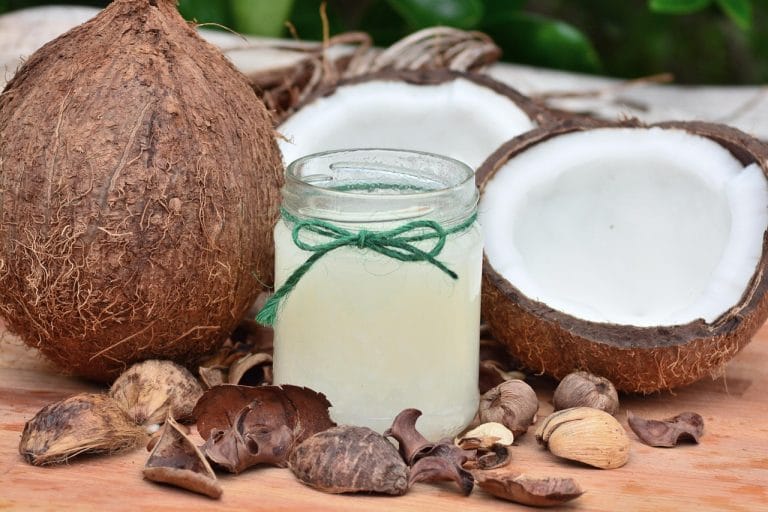
A pantry favorite with real perks, and a few catches once you pour too much.
Coconut oil has earned a glowing reputation, and plenty of it is deserved. It cooks well, keeps for ages, and shows up in everything from curries to hair masks. But the same oil that gets so much praise is also about 92% saturated fat, and that single fact is behind most of the concerns researchers raise. Like most good things, it behaves differently in a teaspoon than it does in a tablespoon-heavy daily habit.
This isn’t a case against coconut oil. It’s a closer look at what can go sideways when you lean on it too heavily, so you can enjoy it with your eyes open.
Key Takeaways
– Coconut oil’s appeal comes largely from its medium-chain fatty acids and its antimicrobial and antifungal qualities.
– Virgin (cold-pressed) oil is the purest form and rarely causes problems unless you overdo it; refined commercial oil is more processed and less benign.
– The high saturated fat content can nudge LDL cholesterol upward and, over time, raise cardiovascular risk if intake isn’t moderate.
– Digestive upset, acne flare-ups, headaches during “detox,” and allergic reactions are all reported, though the evidence behind each varies.
– If you notice trouble breathing, a racing heart, facial swelling, or lightheadedness, treat it as an emergency and see a doctor.
Virgin or Refined, and Why the Type Matters
Before the downsides, one distinction does a lot of heavy lifting. Virgin coconut oil is pressed from fresh coconut meat with minimal processing, so it keeps more of its natural compounds and comes with almost no side effects at sensible amounts. Refined commercial oil, the kind most of us reach for without thinking, is processed further and is where issues like weight gain and rising bad cholesterol tend to cluster. Reaching for the virgin version won’t erase every concern below, but it changes the starting point.
What All That Saturated Fat Does to Cholesterol
 Save
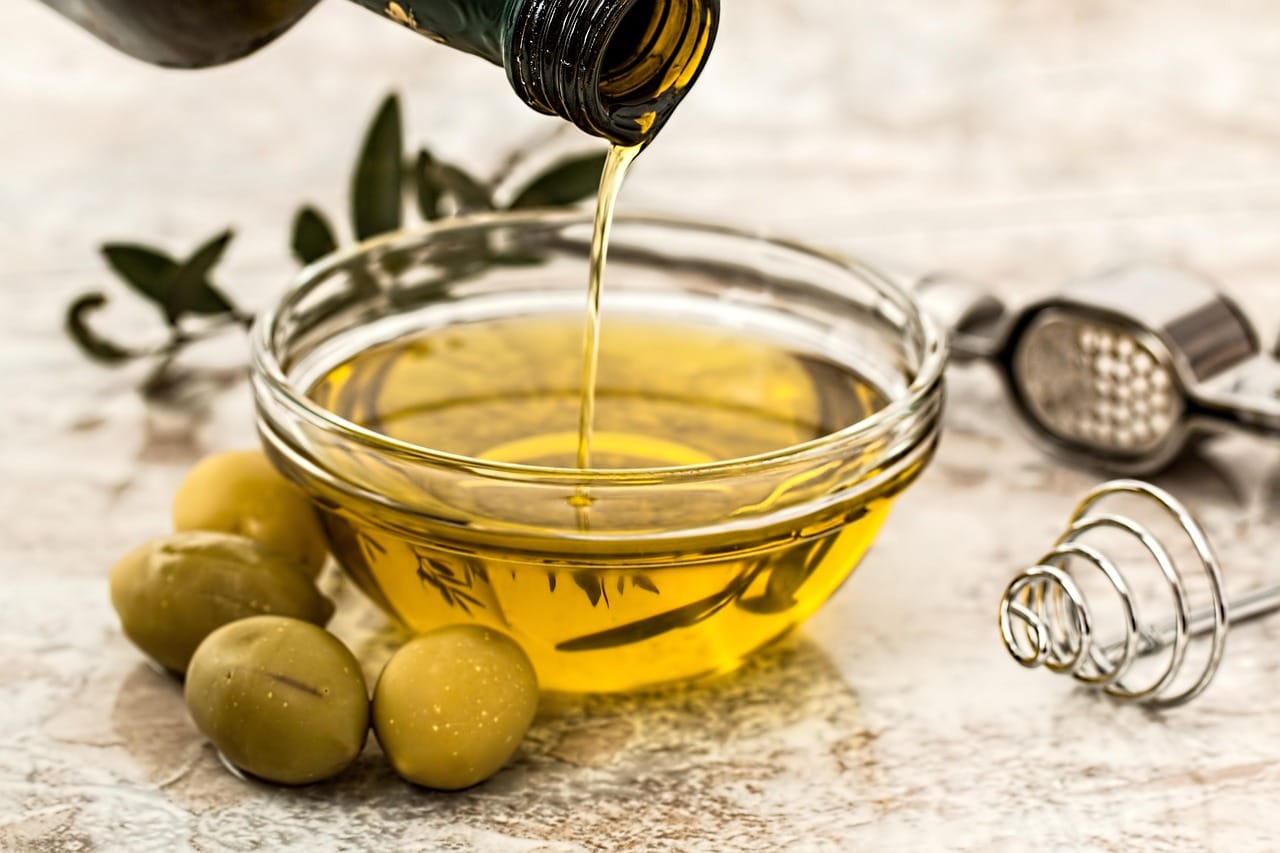
Here’s the part cardiologists care about most. Diets high in saturated fat can push up total cholesterol and LDL, the type linked to clogged arteries (2). Coconut oil carries more saturated fat than butter or olive oil, and an American Heart Association advisory found it raised LDL much the way butter, beef fat, and palm oil do (4).
It’s true that coconut oil can also lift HDL, the “good” cholesterol, and that sounds reassuring. But there’s no solid evidence that the HDL bump cancels out the LDL rise. If you’re already watching your numbers, the same caution applies to other fat-rich foods, including the surprising downsides of eating too many avocados. Moderation beats swapping one heavy fat for another.
May Tip You Toward Heart Disease Risk
This follows naturally from the cholesterol picture. Research suggests that replacing coconut oil with unsaturated fats can lower cardiovascular risk (8). A New Zealand study found coconut oil raised LDL more than unsaturated plant oils did (10). The AHA’s guidance is blunt: fewer saturated fats and more unsaturated ones is the better bet for your heart. Coconut oil isn’t poison, but it isn’t the first oil a heart-conscious kitchen should reach for either.
Stomach Upset When You Start Too Fast
 Save
Not every side effect is dramatic. Some people who start taking virgin coconut oil for its nutrition notice mild diarrhea in the first week, sometimes with a stomach ache or nausea (11). The good news is that these symptoms tended to settle after about a week and didn’t disrupt daily life. The fix is simple: start with a small amount and build up gradually instead of jumping to a full serving on day one.
Allergies, Skin, and Sensitive Reactions
 Save
Coconut allergy is uncommon, but it exists, and the reactions can range from hives to anaphylaxis, a breathing emergency that needs immediate care. The data is limited because so few people are affected (5). A patch test before slathering it on your skin is a cheap insurance policy.
Interestingly, coconut is botanically a fruit rather than a true nut, and a Boston study found children with peanut or tree-nut allergies aren’t especially likely to react to it (6). Still, if your child has those allergies, check with a doctor first. One blogger described a small rash on her knuckle that only cleared once she stopped using coconut oil as a nightly moisturizer, a reminder that skin reactions can be subtle. A related compound, coconut diethanolamide, used in some hand-washing liquids, has triggered reactions too, according to a Finnish study (7).
Acne for Oily Skin
There’s a wrinkle for skincare fans. Lauric acid in coconut oil may help calm acne on drier skin, yet piling it on oily skin can do the opposite and clog things up. If you love the ingredient, use it as a carrier oil and pair it with lighter, skin-friendly essential oils rather than applying it thick and neat.
The Detox Headache
People using coconut oil to fight yeast infections sometimes report headaches. The proposed reason is that its medium-chain fatty acids break down yeast cells and release a rush of fungal toxins into the bloodstream, a die-off effect. This one sits in the less-settled column, so treat it as a possibility rather than a certainty.
What About Coconut Oil Supplements
 Save
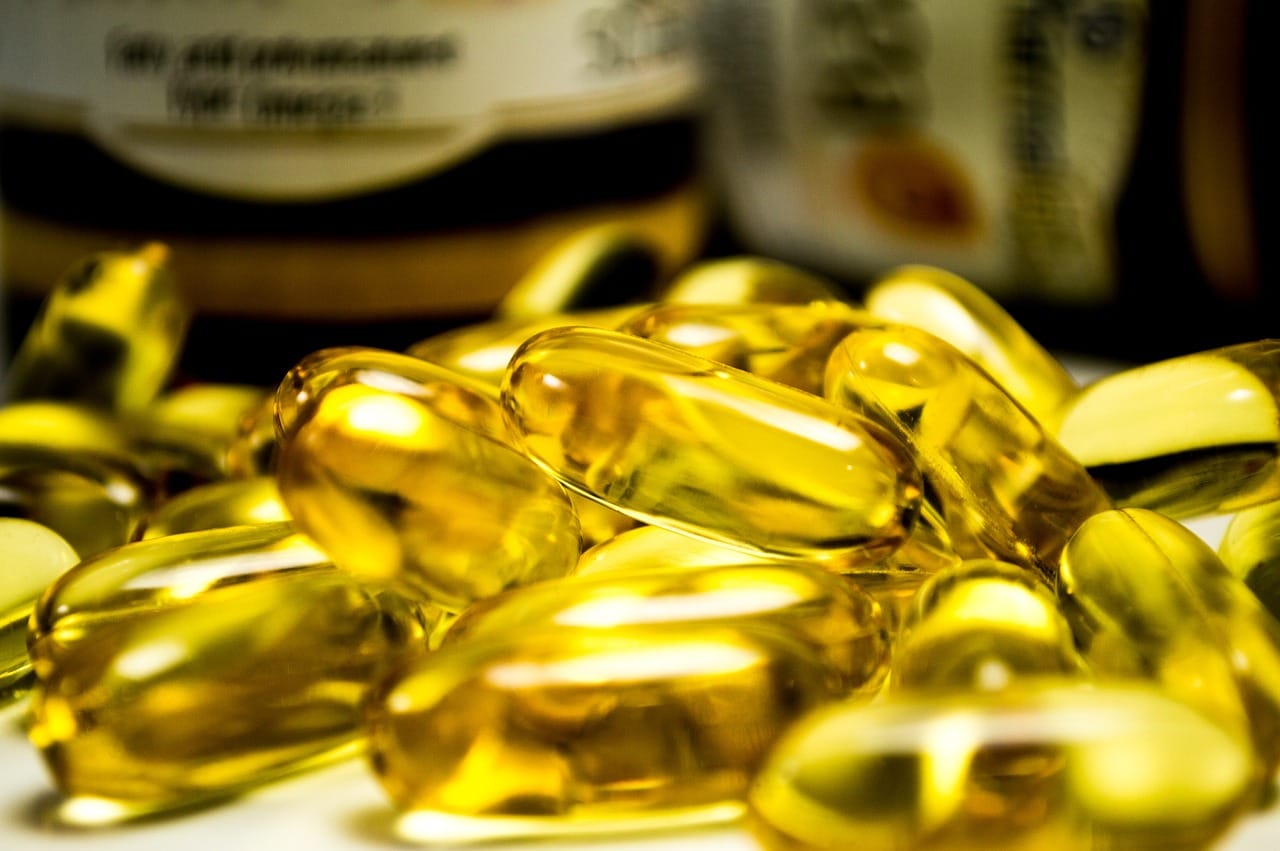
Capsules and concentrated forms exist, and they carry the same saturated-fat math as the oil in your pan, just easier to over-consume without noticing. As with any concentrated product, more isn’t automatically better, a rule that holds for popular workout supplements with their own risk profile too. If you’re considering supplements on top of dietary coconut oil, loop in your doctor first.
Precautions Worth Flagging
A few practical warnings round this out:
Latex condoms. Coconut oil can degrade latex, so don’t use it as a lubricant with them.
Statins. It may interact with cholesterol-lowering statin medication; ask your pharmacist.
Thyroid in children. If a child has hypothyroidism, avoid coconut oil products until a doctor signs off, since it may aggravate the condition.
Oral use. If you’re sensitive to coconut oil, using it for a practice like swishing oil around your mouth could provoke a reaction, so patch-test the sensitivity first.
Frequently Asked Questions
How much coconut oil is too much?
There’s no single magic number, but because it’s so high in saturated fat, most guidance points toward keeping it modest and favoring unsaturated oils for everyday cooking. Treat it as an occasional ingredient rather than your main fat.
Is virgin coconut oil safer than refined?
Generally, yes. Virgin oil is minimally processed and carries fewer reported downsides at reasonable amounts, while refined commercial oil is more processed and more often linked to issues like rising bad cholesterol.
When should I see a doctor?
Seek help right away for trouble breathing, a rapid heartbeat, swelling of the face, or lightheadedness. These can signal a serious allergic reaction and shouldn’t be waited out.
The Bottom Line
Coconut oil can be part of a balanced kitchen, especially the virgin form used sparingly. The catch is its saturated fat, which can raise LDL cholesterol and, over time, heart disease risk if you pour it on freely. Add in occasional digestive upset, possible acne, rare allergies, and a handful of drug and health interactions, and the sensible move becomes clear: enjoy it in small amounts, choose the least-processed version, and check with a professional if you have heart concerns, a thyroid condition, or coconut sensitivity.
This article is for general information only and is not a substitute for professional medical advice. Talk to a qualified healthcare provider before making changes to your diet, supplements, or treatment, especially if you have an existing condition or take medication.