

The protein that keeps skin firm and joints cushioned declines with age — but the right foods can help your body keep making it.
Collagen is having a moment, and for good reason: it’s the most abundant protein in your body and the scaffolding behind firm skin, strong nails, cushioned joints, and sturdy bones. The catch is that production starts slowing in your twenties. Before you reach for an expensive powder, it’s worth knowing which foods supply collagen directly — and which give your body the raw materials to build its own.
Here’s a practical guide to collagen-rich foods, collagen-boosting foods, and what the evidence does (and doesn’t) support.
What Collagen Does
 Save
SaveCollagen is the strongest of the fibers that make up your connective tissue. It’s found in your skin, hair, bones, nails, joints, muscles, blood vessels, and cartilage, giving your body structure, elasticity, and firmness (1). It’s built from amino acids — chiefly glycine, proline, and hydroxyproline — and eating the right foods helps stimulate the skin cells (fibroblasts) that produce it (2).
Key Takeaways
– Collagen is everywhere in your body — skin, bones, joints, tendons, and more (1).
– Animal foods supply it directly — beef, chicken, fish with skin, eggs, and bone broth (4).
– Your body also makes its own — using amino acids plus vitamin C, zinc, and copper (5), (6), (7).
– Production drops with age — and with smoking, excess sun, and a poor diet (26).
– Supplements show promise but aren’t FDA-regulated — choose carefully and talk to your doctor (13).
Foods That Contain Collagen
 Save
SaveCollagen in food is found in animal tissue. When you eat it, your body breaks it down into amino acids and routes them to wherever collagen is needed. As registered dietitian nutritionist Jordan Anthony notes, every collagen source on the market today is animal-based — there are no whole foods that are both vegan and contain collagen.
Beef — one of the best sources of the amino acids that build connective tissue, and a primary source for collagen peptide supplements (15).
Fish with skin — fish skin, especially from sea fish, is rich in collagen, and fish also provides skin-friendly omega-3s (16).
Chicken — neck and cartilage are particularly good; simmer them into a stock or broth for a collagen boost (17).
Eggs — a healthy protein source containing the amino acids needed to make collagen (18).
Bone broth — slow-simmered bones and connective tissue release gelatin, which breaks down into collagen. It’s a nourishing base for soups, though studies note its collagen content can be less consistent than supplements (19).
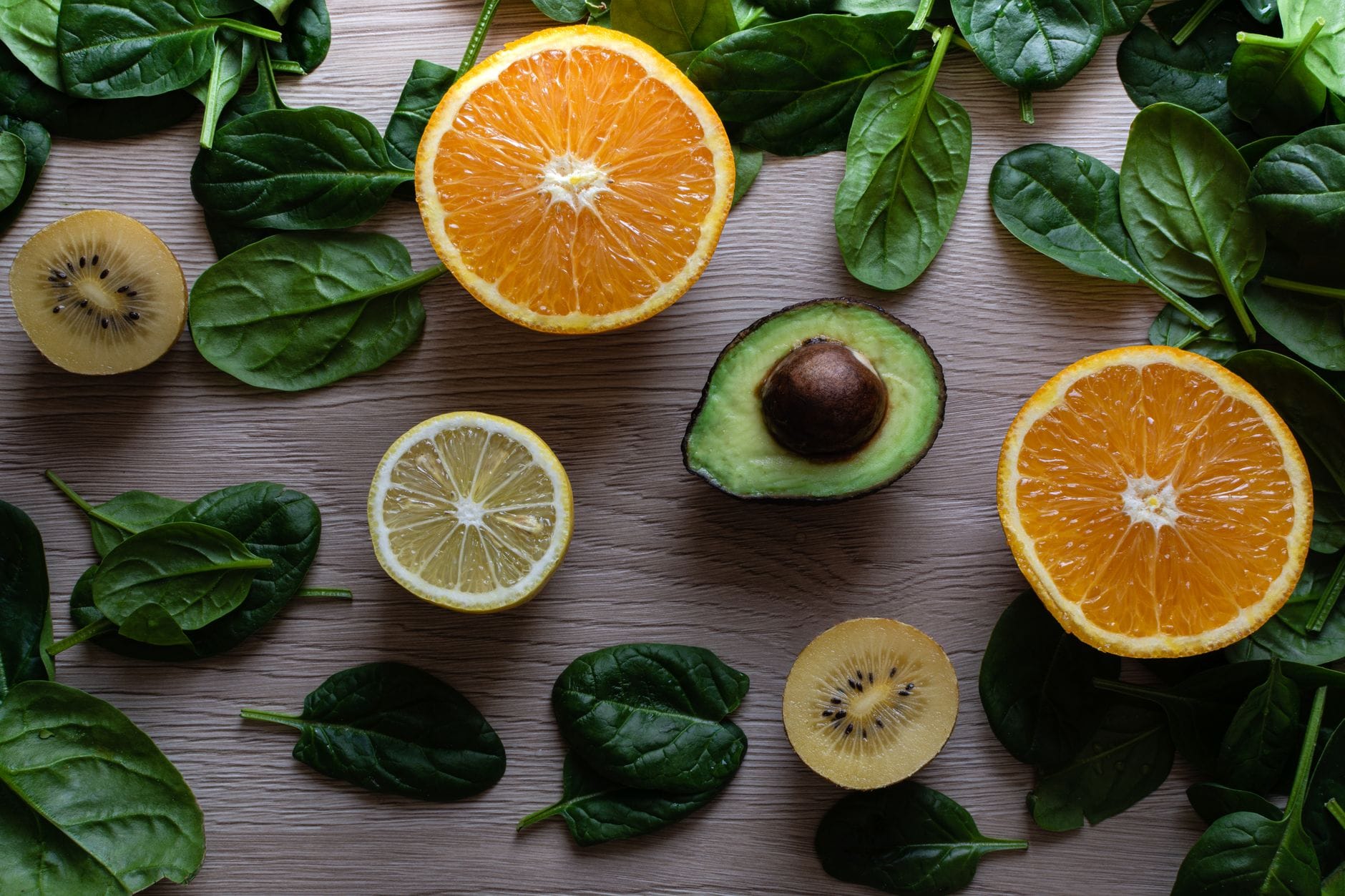
Foods That Help You Make Collagen
 Save
SaveYour body is a robust collagen factory — as long as you give it the raw materials. Focus on these nutrients:
Vitamin C — essential for collagen synthesis; your body can’t make it, so eat peppers, citrus, berries, broccoli, and Brussels sprouts (20).
Zinc — supports the cells that produce collagen; found in shellfish, meat, chickpeas, nuts, and dairy (21).
Copper — helps collagen and elastin cross-link and form strong bonds; found in nuts, shellfish, organ meats, and dark leafy greens (22).
Omega-3 fatty acids — may enhance the collagen-forming fibroblasts in your ligaments; found in fatty fish, flaxseed, chia, and walnuts (23).
Antioxidants — protect existing collagen from free-radical damage; found in berries, dark chocolate, kale, green tea, and onions (24).
Legumes — lentils, chickpeas, and beans supply protein plus the zinc and copper that fuel collagen production (25).
What Happens When Collagen Runs Low
By your early twenties, collagen production has already begun to dip, and from your forties you lose roughly one percent more each year — accelerated by free radicals, smoking, alcohol, and a nutrient-poor diet (26). The signs of low collagen include:
Skin aging — wrinkles, fine lines, and sagging as skin loses elasticity (27).
Joint pain — worn cartilage that can lead to stiffness and osteoarthritis (28).
Weaker bones — collagen makes up most of the protein in bone, so losing it is linked to fragility and osteoporosis (29), (30).
Stiff tendons and ligaments — reduced collagen can mean less flexibility and mobility (31).
Benefits of a Collagen-Friendly Diet
Research on dietary and supplemental collagen is encouraging. Studies suggest oral collagen can improve skin hydration and elasticity and reduce the appearance of wrinkles (32), ease activity-related joint discomfort (33), and — in postmenopausal women — improve bone mineral density (34).
Drawbacks and Supplement Safety
A few cautions are worth keeping in mind:
It’s animal-centric — not suitable for vegans or vegetarians, since hydrolyzed collagen comes from animal and fish products.
Supplements aren’t FDA-regulated — quality and collagen content can vary between brands (13).
Allergy risk — people with seafood or shellfish allergies may react; check with a doctor first.
Don’t over-rely on it — supplements work best alongside, not instead of, a balanced diet and healthy habits.
Hydrolyzed collagen (collagen peptides) is tasteless and easily absorbed, and preliminary placebo-controlled research found it safe and effective for improving skin elasticity and moisture, with no notable side effects reported (35).
How to Protect the Collagen in Your Skin
 Save
SaveEat a collagen-friendly diet rich in protein, vitamin C, zinc, and copper.
Use a collagen supplement only if your doctor approves it.
Wear sunscreen and limit sun exposure.
Don’t smoke.
Stay hydrated, sleep well, and manage stress.
Frequently Asked Questions
How long does it take to rebuild collagen?
It varies with age, sleep, and nutrition, but most people see changes somewhere between 3 and 12 weeks of consistent effort.
Does coffee destroy collagen?
No. Coffee doesn’t destroy collagen, though very high intakes may affect the rate at which your body produces it.
Is there a vegan source of collagen?
No whole food is both vegan and a source of collagen. Vegans can instead focus on collagen-boosting nutrients like vitamin C, zinc, and copper.
The Bottom Line
You can support your body’s collagen from both directions: eat animal foods that supply it — beef, fish with skin, chicken, eggs, and bone broth — and load up on the vitamin C, zinc, copper, omega-3s, and antioxidants your body needs to make its own. Pair that with sun protection, good sleep, and not smoking, and you’ll give your skin, joints, and bones their best chance. If you’re considering supplements, choose a reputable brand and talk to your doctor first.
This article is for general informational purposes only and isn’t a substitute for professional medical advice, diagnosis, or treatment. Consult a qualified healthcare provider before starting any supplement or making major dietary changes.