
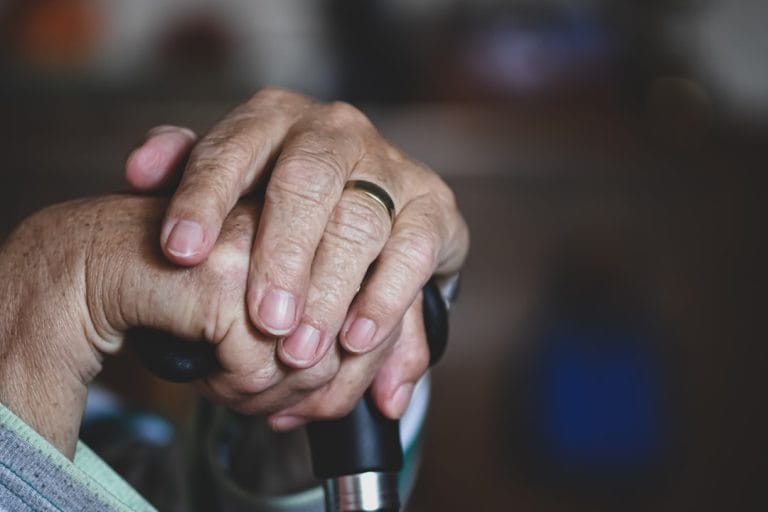
Small daily habits can take the edge off stiff, sore finger joints and help you keep your grip.
Your fingers do a hundred quiet jobs before lunch: buttoning a shirt, holding a mug, tapping a phone. So when the joints start to ache and stiffen, it shows up fast. Finger arthritis tends to arrive gradually, often with age or after an old injury, and catching it early gives you a real head start on managing it.
The good news is that a lot of relief comes from things you can do at home. Below you’ll find what finger arthritis is, how to recognize it, and the practical steps that help most people feel and move a little better.
Key Takeaways
– Arthritis wears down or inflames the cartilage cushioning your finger joints, leaving them swollen, stiff, and painful.
– Several types can hit the hands, including osteoarthritis, rheumatoid arthritis, psoriatic arthritis, gout, post-traumatic arthritis, and basal thumb arthritis.
– Risk climbs with age, extra body weight, past hand injuries, and a family history of the condition.
– Gentle hand exercises, heat and cold, massage, and diet changes can ease day-to-day symptoms.
– Persistent swelling, deformity, or pain that won’t quit deserves a proper medical diagnosis.
What Finger Arthritis Actually Is
Arthritis is joint damage. In the fingers, it means the cartilage, the smooth lining that caps the ends of your bones, either breaks down or becomes inflamed. Once that cushion thins, the bones start to rub against each other and wear away, which brings the familiar stiffness, swelling, and ache. Your hand is packed with small joints, so it’s a common target, and hand arthritis often spreads into the fingers over time.
Arthritis is also strikingly common. A CDC report estimated that 58.5 million U.S. adults, about 23.7%, had arthritis in 2016 to 2018, and the rate rose above 50% among adults 65 and older.
The Main Types
Not all finger arthritis is the same, and the type shapes both the symptoms and the treatment.
Osteoarthritis is the wear-and-tear kind. It usually hits the wrist, the base of the thumb, and the middle and top finger joints, gradually eroding cartilage until the bones grind and stiffen.
Rheumatoid arthritis is autoimmune. The immune system attacks the joint lining, inflaming and eroding it, and it tends to strike the same joints on both hands symmetrically.
Psoriatic arthritis resembles rheumatoid arthritis, swells the fingers, involves the skin, and often brings morning stiffness.
Gout builds up crystals in a joint when uric acid runs high. It classically targets the big toe but can settle in finger joints too.
Post-traumatic arthritis follows old fractures, dislocations, or bad sprains. Fingers are the most injured part of the hand, involved in up to 38.4% of cases.
Basal thumb arthritis wears down cartilage at the base of the thumb, making pinching and gripping painful. It rises with age and most often affects postmenopausal women.
Symptoms Worth Catching Early
The signs vary by type, but a few show up again and again. Watch for joint pain that ranges from a dull throb to a sharp jab, along with swelling in the fingers or knuckles. Morning stiffness is a classic tell, and so is trouble fully straightening or bending a finger.
As things progress, some people notice lumps or nodules around the knuckles, or fingers that start to drift and bend away from the thumb. Any of these is a cue to look closer at what’s driving the ache.
Why It Develops
 Save
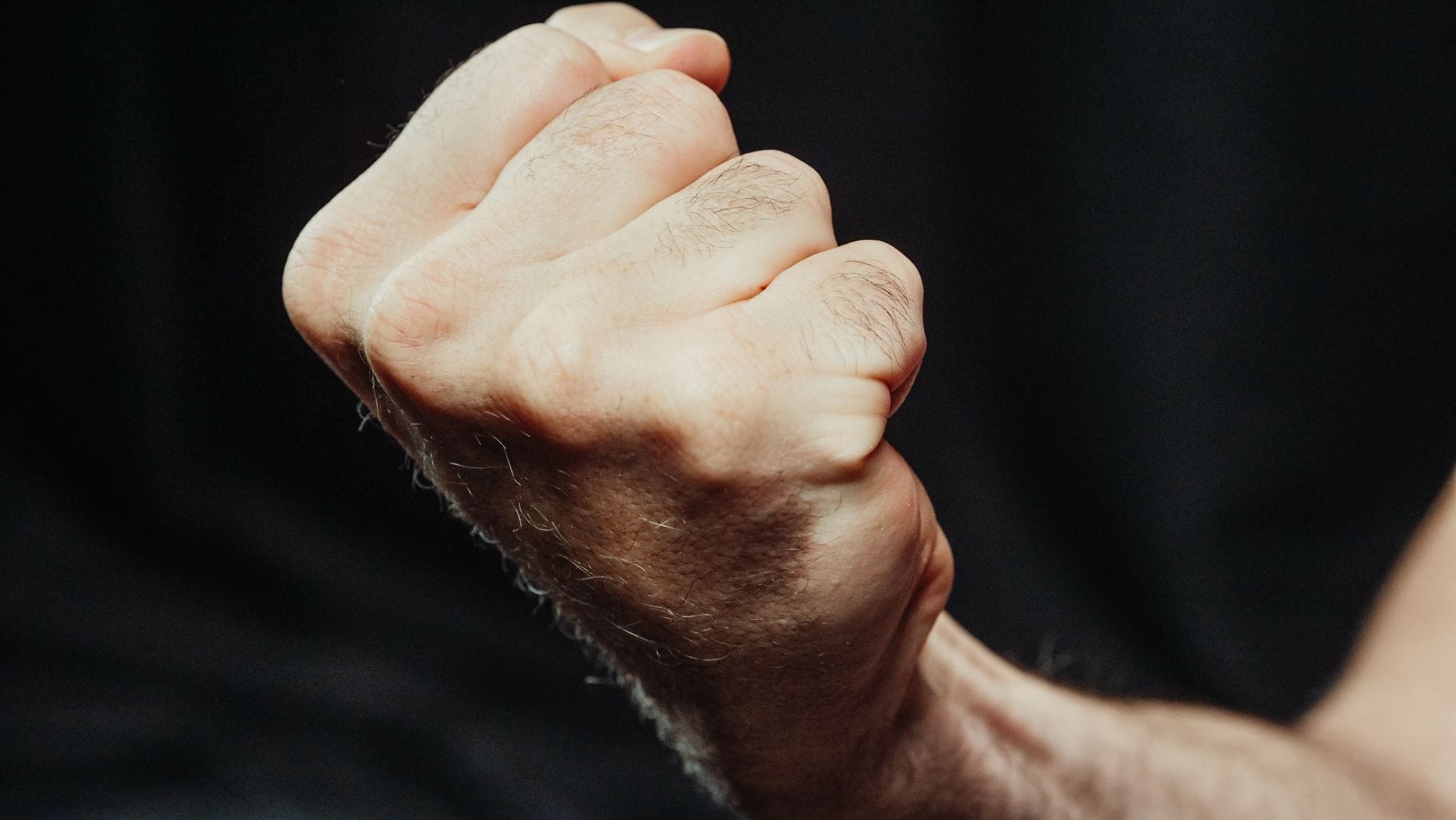
Finger arthritis starts when the cartilage at a joint gets damaged, disrupting the smooth glide where two bones meet. There isn’t one single cause, but a handful of factors clearly raise the odds. You’re more likely to develop it if you’re over 35, a woman, carrying extra weight, genetically predisposed, or dealing with an old injury to your hand, wrist, or fingers.
Genetics deserve a mention here. Mutations in genes that build certain collagens (types II, IV, V, and VI) can set the stage for arthritis, so a strong family history nudges your risk higher.
Ways to Ease the Pain
There’s no switch that reverses arthritis, but several approaches can calm symptoms and protect the joints you have. Most people do best combining a few of them.
Gentle Hand Exercises
 Save
Moving your hands strengthens the muscles that support the joints, and stronger muscles take pressure off damaged cartilage and bone. Movement also pumps blood and nutrients into the tissue, which helps the cartilage stay as healthy as possible. Keep everything slow and gentle, and stop if a movement sharpens the pain.
A few to try:
Make a soft fist with your thumb resting on the outside, then gently open your hand and straighten the fingers.
Bend one finger at a time toward the center of your palm, hold briefly, and release.
Curl your fingers into a C or O shape, as if cupping a small ball, then spread them wide.
Lay your palm flat on a table and lift each finger up and down in turn.
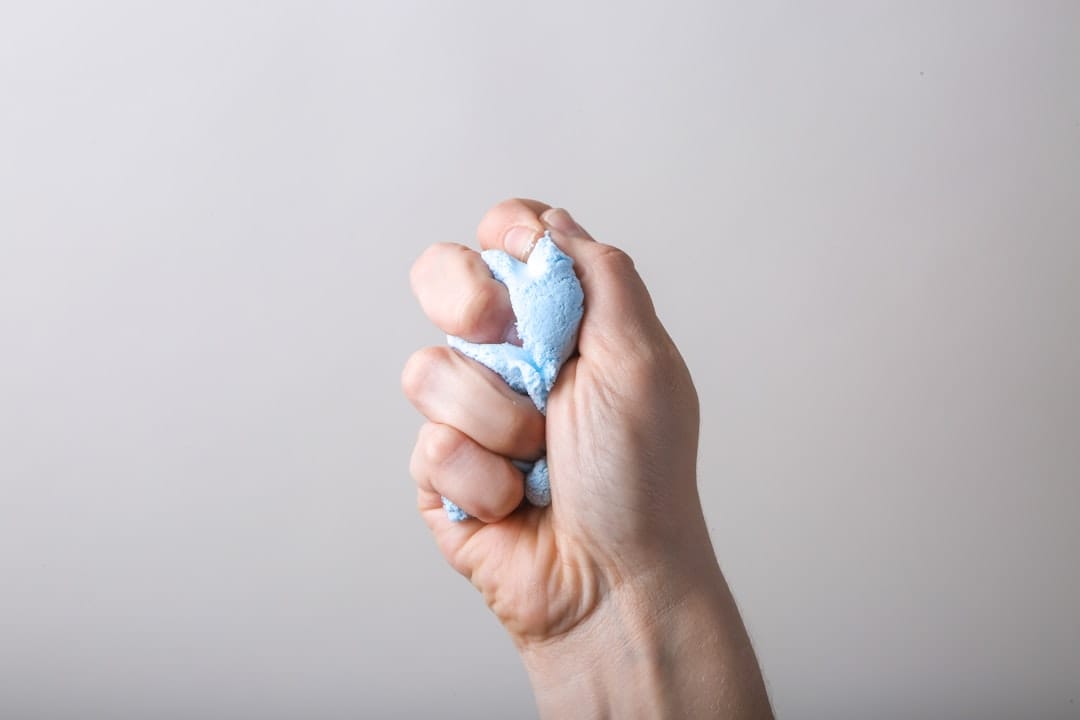
Squeeze a soft rubber ball and let go, repeating about five times per hand.
Short, regular sessions beat one long, ambitious one.
Heat and Cold
 Save
Warmth loosens stiff joints and relaxes the surrounding muscles, which is why a warm compress or a soak in warm water often feels good first thing in the morning. Cold does the opposite job, numbing sharp pain and bringing down swelling after a flare. Many people alternate the two depending on how their hands feel that day.
Massage, Diet, and Medication
Gentle hand massage has been studied for arthritis pain and can offer relief while improving circulation through the fingers. On the food side, diet changes may help temper inflammation, and losing excess weight eases the overall load on your joints. When symptoms are stubborn, a doctor can suggest medications or other treatments matched to your specific type of arthritis.
When to See a Doctor
 Save
Home care handles a lot, but it has limits. If you’re unsure whether your finger pain is arthritis, or if the swelling, stiffness, or ache keeps getting worse despite your efforts, get a professional diagnosis. Visible deformity, joints that lock, or pain that interferes with everyday tasks are all good reasons to book an appointment. Early, accurate diagnosis lets you target the right treatment before more damage sets in.
Frequently Asked Questions
Can finger arthritis be cured completely?
Not cured, but it can be managed well. Exercise, heat and cold, massage, weight management, and the right medications can meaningfully reduce pain and stiffness and slow how fast the joints decline.
Is exercising sore fingers a bad idea?
Gentle, controlled movement is usually helpful rather than harmful, because it strengthens supporting muscles and feeds the cartilage. The key is to keep it slow and stop at sharp pain rather than pushing through it.
Which joints tend to be affected first?
Finger arthritis commonly shows up at the base of the thumb, the knuckles, and the middle and top joints of the fingers. Keeping those joints warm and gently mobile often makes them more comfortable.
The Bottom Line
Finger arthritis can chip away at the small movements you rely on all day, but it responds to steady, gentle care. Learn to spot the early signs, keep your hands moving with simple exercises, lean on heat and cold when you need them, and support your joints with a sensible diet and healthy weight. Pair those habits with a proper diagnosis, and you give yourself the best shot at comfortable, capable hands for the long haul.
This article is for informational purposes only and is not a substitute for professional medical advice. Talk to a qualified healthcare provider before starting any new treatment or exercise routine, especially if you have a diagnosed joint condition.