
You can’t eat arthritis away, but the right foods can calm inflammation, ease joint pain, and help you feel better day to day.
Arthritis pain is driven in large part by inflammation — and food is one of the levers you can pull to influence it. While no diet cures arthritis, a steady pattern of anti-inflammatory eating, much like the Mediterranean diet, has been linked to less joint pain, better mobility, and improved quality of life. Just as importantly, cutting back on inflammatory foods can keep symptoms from flaring.
Here’s what to put on your plate, what to limit, and how an arthritis-friendly diet actually works.
What Is an Arthritis Diet?
An arthritis diet isn’t a single rigid plan — it’s a way of eating that emphasizes anti-inflammatory whole foods (vegetables, fruit, fish, whole grains, nuts, and olive oil) while reducing the processed, sugary, and fried foods that promote inflammation. The goal is to lower the body’s inflammatory load, support a healthy weight, and protect joint health (2), (3).
Key Takeaways
– Inflammation is the target — anti-inflammatory foods can ease joint pain and stiffness (3).
– Weight matters — losing excess weight reduces stress on joints (4).
– The Mediterranean diet fits the bill — it’s the most studied anti-inflammatory eating pattern.
– Some foods make things worse — sugar, refined carbs, and processed meats can fuel inflammation.
Benefits of an Arthritis Diet
May reduce inflammation that drives joint pain (3).
May relieve symptomatic pain and stiffness over time.
Supports joint health by supplying nutrients joints rely on.
Helps with weight management, easing the mechanical load on knees and hips (4).
Improves quality of life — better energy, mobility, and mood.
Foods That Help Manage Arthritis
 Save
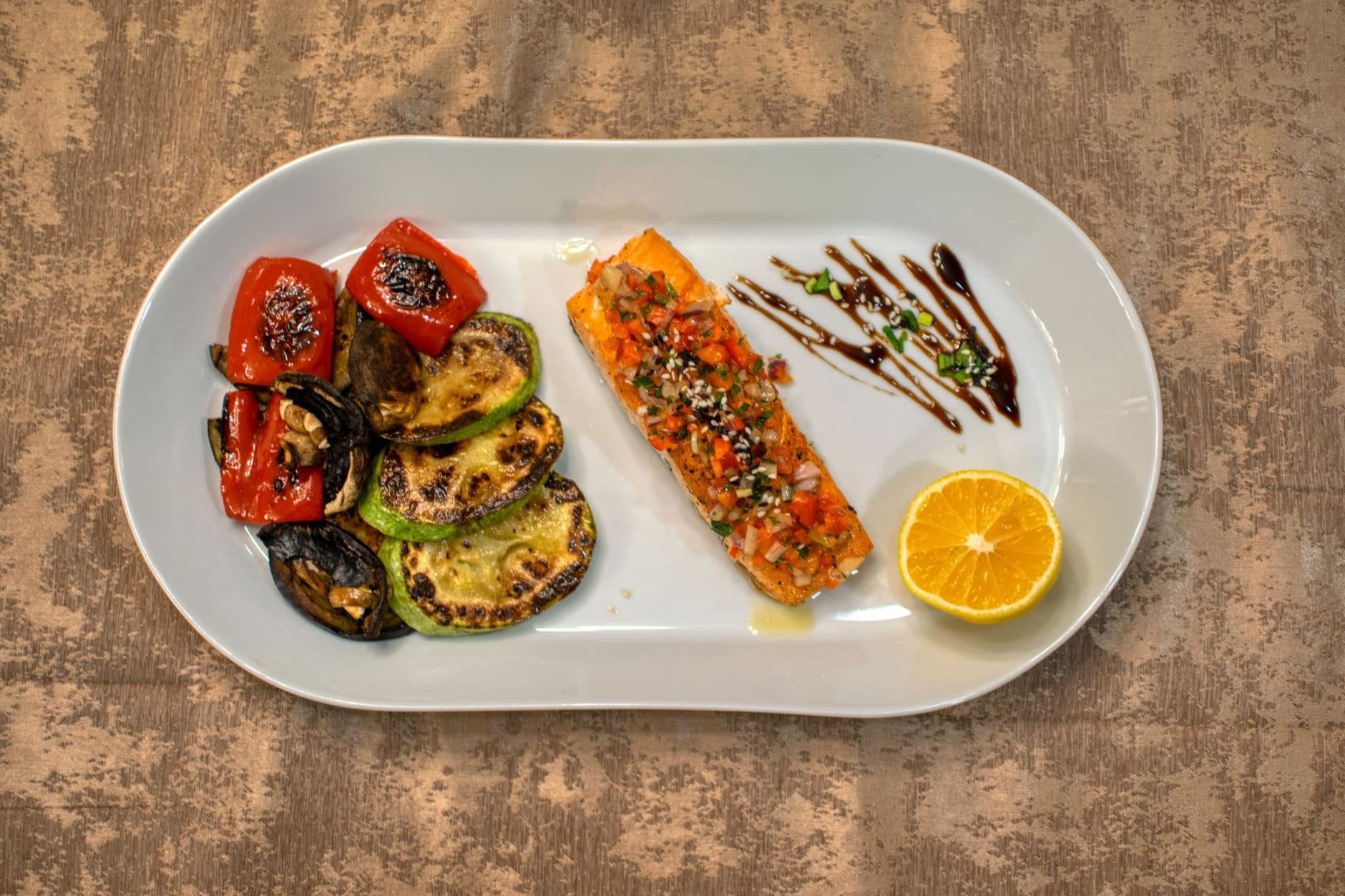
SaveFatty fish — salmon, sardines, and mackerel are rich in omega-3s, which help dampen inflammation (3).
Colorful fruits and vegetables — berries, cherries, leafy greens, and broccoli supply antioxidants and polyphenols.
Olive oil — a source of healthy fats with anti-inflammatory compounds.
Nuts and seeds — walnuts, flaxseed, and chia add omega-3s and fiber.
Whole grains — oats, brown rice, and quinoa over refined grains.
Legumes — beans and lentils provide fiber and plant protein.
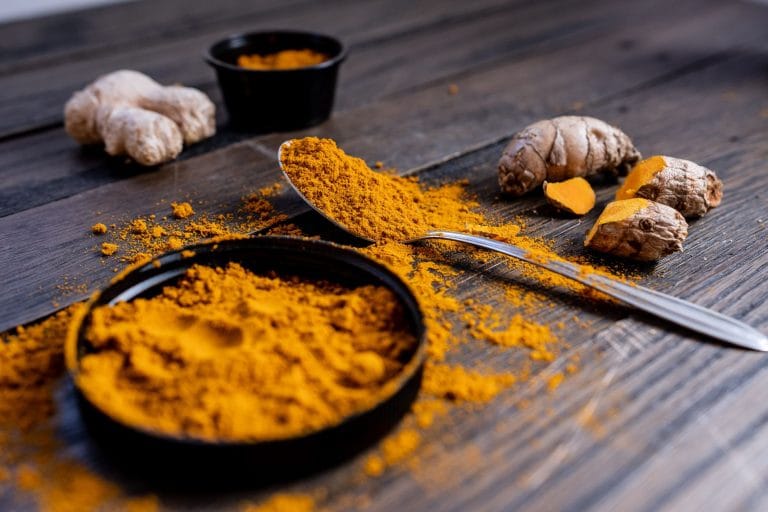
Spices — turmeric and ginger have anti-inflammatory reputations backed by emerging research.
Foods to Limit or Avoid
 Save
SaveAdded sugar and sugary drinks — strongly linked to higher inflammation.
Refined carbohydrates — white bread, pastries, and many packaged snacks.
Processed and red meats — associated with inflammatory markers.
Fried foods and trans fats — promote inflammation.
Excess salt and ultra-processed foods — easy to overconsume and hard on overall health.
Alcohol — best kept moderate, as it can worsen inflammation and interact with medications.
The Mediterranean Approach
 Save
SaveIf you want a ready-made template, the Mediterranean diet is the closest fit: abundant vegetables, fruit, whole grains, legumes, fish, and olive oil, with little red meat or processed food. Studies link it to lower inflammation and better outcomes for people with arthritis, which is why it’s so often recommended (2).
A Few Extra Tips
 Save
SaveAim for a healthy weight — even modest weight loss meaningfully reduces joint stress (4).
Stay hydrated and limit sugary beverages.
Be cautious with supplements — talk to your doctor before adding fish oil, turmeric, or others, especially if you take medication.
Notice your own triggers — keep a simple food-and-symptom diary if certain foods seem to worsen flares.
Frequently Asked Questions
Can diet cure arthritis?
No. Diet can’t cure arthritis, but it can help manage inflammation, pain, and weight, complementing your medical treatment.
Are nightshade vegetables bad for arthritis?
Evidence is weak. Most people tolerate tomatoes, peppers, and eggplant fine, but if you notice they trigger your symptoms, you can test cutting them.
Does losing weight help arthritis?
Yes — reducing excess weight lowers the load on weight-bearing joints and can ease symptoms (4).
The Bottom Line
An arthritis-friendly diet won’t replace your treatment, but it’s a powerful complement. Build meals around fatty fish, colorful produce, whole grains, nuts, and olive oil — essentially a Mediterranean pattern — while cutting back on sugar, refined carbs, processed meat, and fried foods. Add in a healthy weight and a little attention to your personal triggers, and you give your joints their best chance to feel better.
This article is for general informational purposes only and isn’t a substitute for professional medical advice, diagnosis, or treatment. Talk to your doctor or a registered dietitian before making dietary changes to manage arthritis.