

Tiny, nutty, and quietly powerful — here’s why these ancient seeds deserve a spot in your kitchen.
Sesame seeds have been sprinkled over meals for thousands of years, and they were once so prized that people believed they held the secret to a long life. Whether you reach for the pale hulled kind or the darker, more aromatic black variety, these little seeds bring a warm, nutty crunch to everything from salads to stir-fries.
But flavor is only part of the story. Packed with minerals like calcium, iron, and magnesium, plus healthy fats and fiber, sesame seeds offer real, research-backed perks for your heart, bones, skin, and hair. Here’s a closer look at what they can do and how to make the most of them.
Key Takeaways
– Sesame seeds are one of the oldest known edible seeds and are dense with minerals, antioxidants, and healthy fats.
– They deliver plant protein, fiber, and compounds like sesamol and sesamin that support heart, bone, and digestive health.
– Sesame oil has soothing, healing qualities and is often used on skin, including for sunburn relief.
– Applied to the scalp, sesame oil may encourage hair growth while helping keep fungal and bacterial issues at bay.
A Closer Look at Sesame Seeds
 Save
SaveSesame is a flowering plant in the Pedaliaceae family, and its seeds are believed to be among the very first oil seeds humans ever used. In fact, they hold the highest oil content of any seed, and their delicate flavor deepens noticeably once they’re gently roasted.
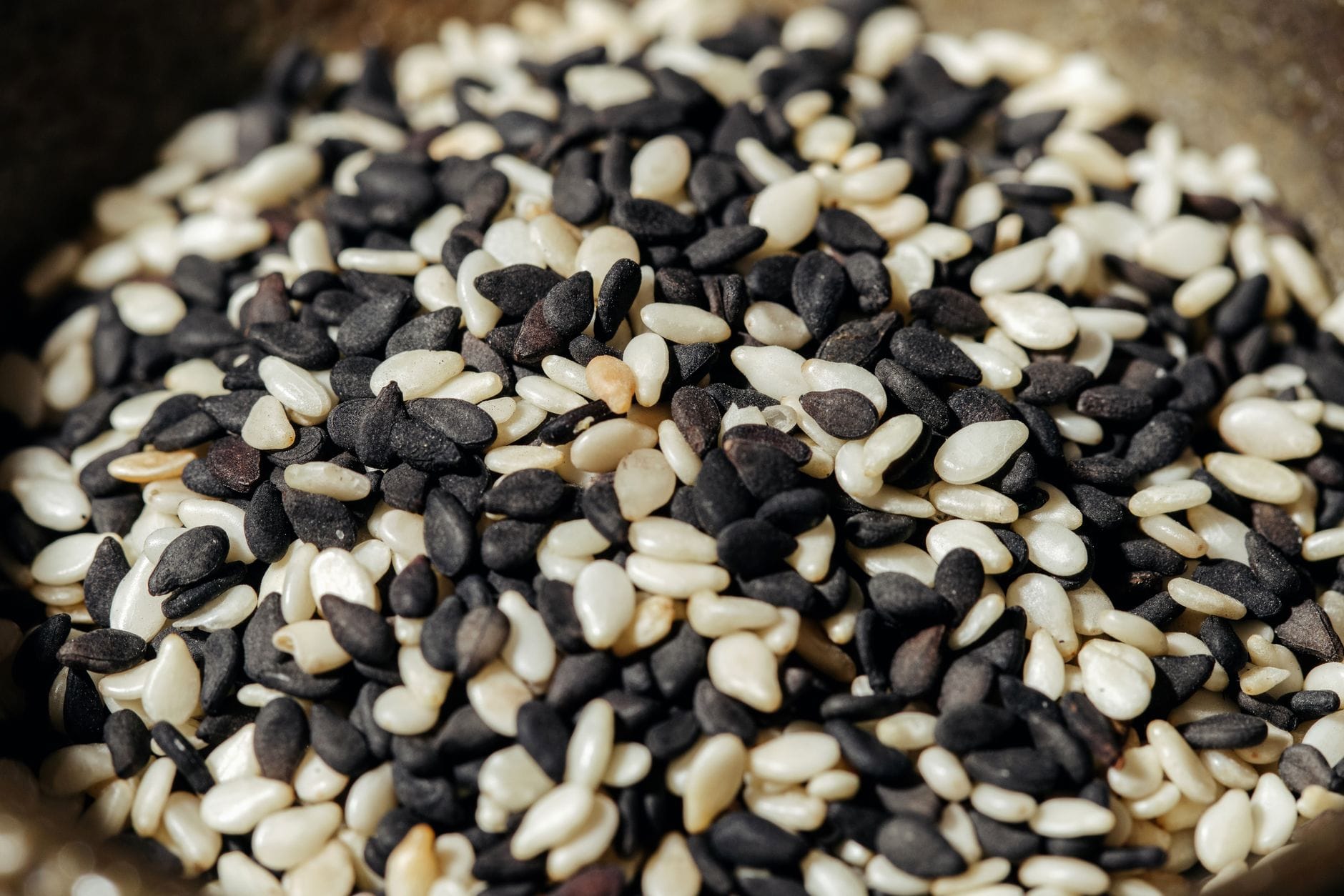
You’ll find them sold in a few colors — white, black, and brown — each with its own character:
White (hulled) seeds carry more iron and are the go-to choice for cooking and pressing into oil.
Black seeds keep their hull, taste bolder, smell stronger, and contain roughly 60% more calcium than the white kind, which is why they show up so often in traditional remedies.
Brown seeds also keep their hulls.
Ground with a little olive oil, dry-roasted seeds become tahini, the smooth, light-brown paste at the heart of many Middle Eastern dishes. Made fresh at home without preservatives, it’s a genuinely nourishing addition to your table. In parts of Europe, sesame even finds its way into margarine.
Health Benefits of Sesame Seeds
Beyond the kitchen, sesame seeds have long played a role in traditional medicine thanks to their nutritive and protective qualities. Sesame oil in particular is rich in phytonutrients — omega-6 fatty acids, antioxidant flavonoids, vitamins, and fiber. Here’s where the science points.
A Plant-Based Protein Boost
 Save
SaveHigh-quality amino acids make up about a fifth of each seed, which makes sesame a smart protein source for anyone eating a vegetarian diet. Scatter a spoonful over salads, roasted vegetables, or noodles for an easy, meat-free lift.
Support for Blood Sugar and the Heart
Sesame’s magnesium and other nutrients may help counter diabetes. When used as the only cooking oil, sesame oil has been shown to lower blood pressure and plasma glucose in people managing both hypertension and diabetes.
The heart benefits run deep, too. Sesame oil helps guard against arterial plaque buildup, and its antioxidant compound sesamol works against both inflammation and the formation of those plaques. Because the seeds are high in monounsaturated fats and oleic acid, they can help nudge down “bad” LDL cholesterol while lifting “good” HDL — lowering the odds of coronary artery disease and stroke.
Iron for Energy
Black sesame seeds are especially rich in iron, which is why they’re often recommended for people dealing with anemia and the fatigue that comes with it.
A Helping Hand Against Cancer
Sesame seeds contain magnesium and phytate, both linked to anti-cancer activity, and research suggests they may lower the risk of colorectal tumors. The compound sesamin adds to this picture, showing anti-inflammatory and anti-proliferative properties that may help slow the growth and spread of harmful cells.
Smoother Digestion
Thanks to their fiber, sesame seeds help keep the intestines moving comfortably. That supports regular digestion, easier waste elimination, and relief from constipation, all of which contribute to a healthier colon.
Sesame Seeds for Bone and Heart Health
 Save
SaveSome of sesame’s most valuable perks come down to its mineral content.
Stronger Bones
 Save
SaveSesame seeds are a solid source of calcium and zinc, two minerals tied to bone mineral density. Falling short on zinc is associated with osteoporosis in the hip and spine, so these seeds offer a simple way to support your skeleton over time.
Easier Joints
Copper, another mineral found in sesame, feeds the body’s antioxidant enzyme systems and may ease the pain and swelling of rheumatoid arthritis. It also lends strength to blood vessels, bones, and joints.
Breathing and Oral Care
The magnesium in sesame may relax the airways and reduce the risk of asthma and other respiratory troubles, since low magnesium is linked to lung problems. Sesame oil is also a star in oil pulling — swishing it around the mouth can cut levels of Streptococcus mutans, helping clear plaque and brighten teeth.
Protection at the Cellular Level
Sesamol appears to shield DNA from radiation damage and may help protect the intestines and spleen. Sesame seeds are even thought to help the liver break down the harmful effects of alcohol and other substances.
How to Enjoy Sesame Seeds
Sesame is wonderfully versatile. Use it as oil, paste, powder, or a roasted snack; blend it into gravies and desserts; or simply toast the seeds and scatter them over your food. A tablespoon of raw or roasted seeds a day is a comfortable amount for most people. Because sesame is a common allergen and its fiber can upset sensitive stomachs in large quantities, start modestly and see how your body responds.
Frequently Asked Questions
Are black or white sesame seeds healthier?
Both are nutritious. Black seeds carry more calcium and a bolder flavor, while white (hulled) seeds offer more iron. Enjoying a mix gives you the best of both.
How many sesame seeds should I eat each day?
About one tablespoon of raw or roasted seeds daily is a sensible serving for most healthy adults.
Can sesame seeds cause side effects?
Yes. Eating too many may lead to digestive discomfort, and sesame is a recognized allergen, so allergic reactions are possible for some people.
The Bottom Line
For something so small, sesame seeds punch well above their weight. Their blend of plant protein, fiber, healthy fats, and minerals supports the heart, bones, digestion, and more, while sesame oil brings soothing benefits to skin and hair. Add a spoonful to your meals, keep portions reasonable, and let these ancient seeds quietly work in your favor.
This article is for informational purposes only and is not a substitute for professional medical advice. Talk to your doctor or a qualified healthcare provider before making changes to your diet, especially if you have a sesame allergy or an existing health condition.