
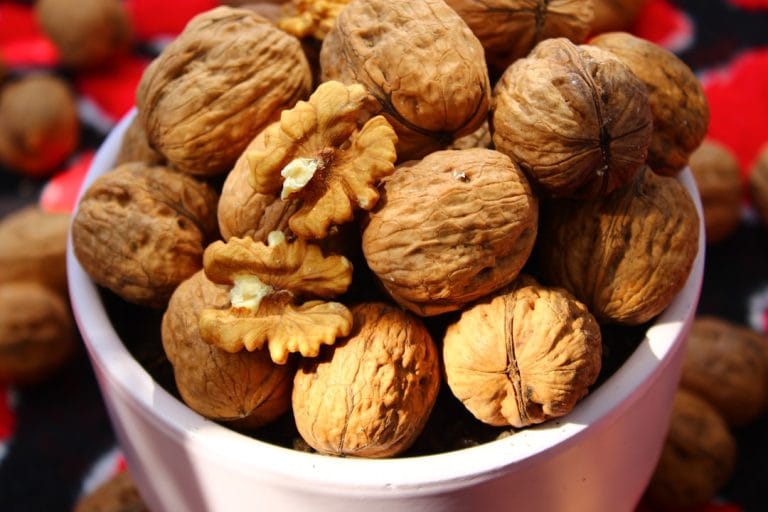
A small handful of these wrinkly little nuts delivers a surprising amount of nourishment for your heart, mind, and more.
Walnuts (Juglans regia) pack an impressive amount of goodness into a tough brown shell. Inside you’ll find plant-based protein, dietary fiber, antioxidants, and a generous dose of omega-3 fatty acids — the same family of healthy fats often linked to fish. Whether you reach for the common brown variety or the earthier black walnut, both bring real nutritional value to the table.
That rich profile is why walnuts keep showing up in nutrition research. From protecting your heart to sharpening your memory and calming inflammation, here are ten of the most compelling reasons to keep a jar of them within arm’s reach.
Key Takeaways
– Walnuts are rich in omega-3 fatty acids, fiber, protein, and antioxidants.
– They may support heart health by lowering “bad” cholesterol and easing inflammation.
– Their fats and plant compounds are linked to sharper brain function and a possible reduction in some cancer risks.
– Nutrients like melatonin, folate, and copper make walnuts useful for sleep, pregnancy, and immunity.
– Stick to about 1.5 to 2 ounces a day, and skip them if you have a nut allergy.
Why Walnuts Are Good for Your Heart
 Save
SaveThe strongest case for walnuts starts with your cardiovascular system. Their omega-3 fatty acids are known for helping to trim levels of LDL (the “bad” cholesterol) while nudging up beneficial HDL cholesterol. These fats also help calm inflammation and support healthier blood vessel function, and eating a few walnuts daily may play a role in keeping blood pressure in check. Together, those effects make walnuts a heart-smart addition to almost any diet.
May Lower the Risk of Certain Cancers
Walnuts are loaded with bioactive plant compounds — omega-3s, polyphenols, and urolithins among them — that researchers are studying for possible anticancer effects. Evidence suggests walnuts may help reduce the risk of certain cancers, including those of the breast, colon, and prostate. The American Association for Cancer Research has noted that eating a modest amount of walnuts each day may specifically help lower breast cancer risk.
Support Sharper Brain Function
 Save
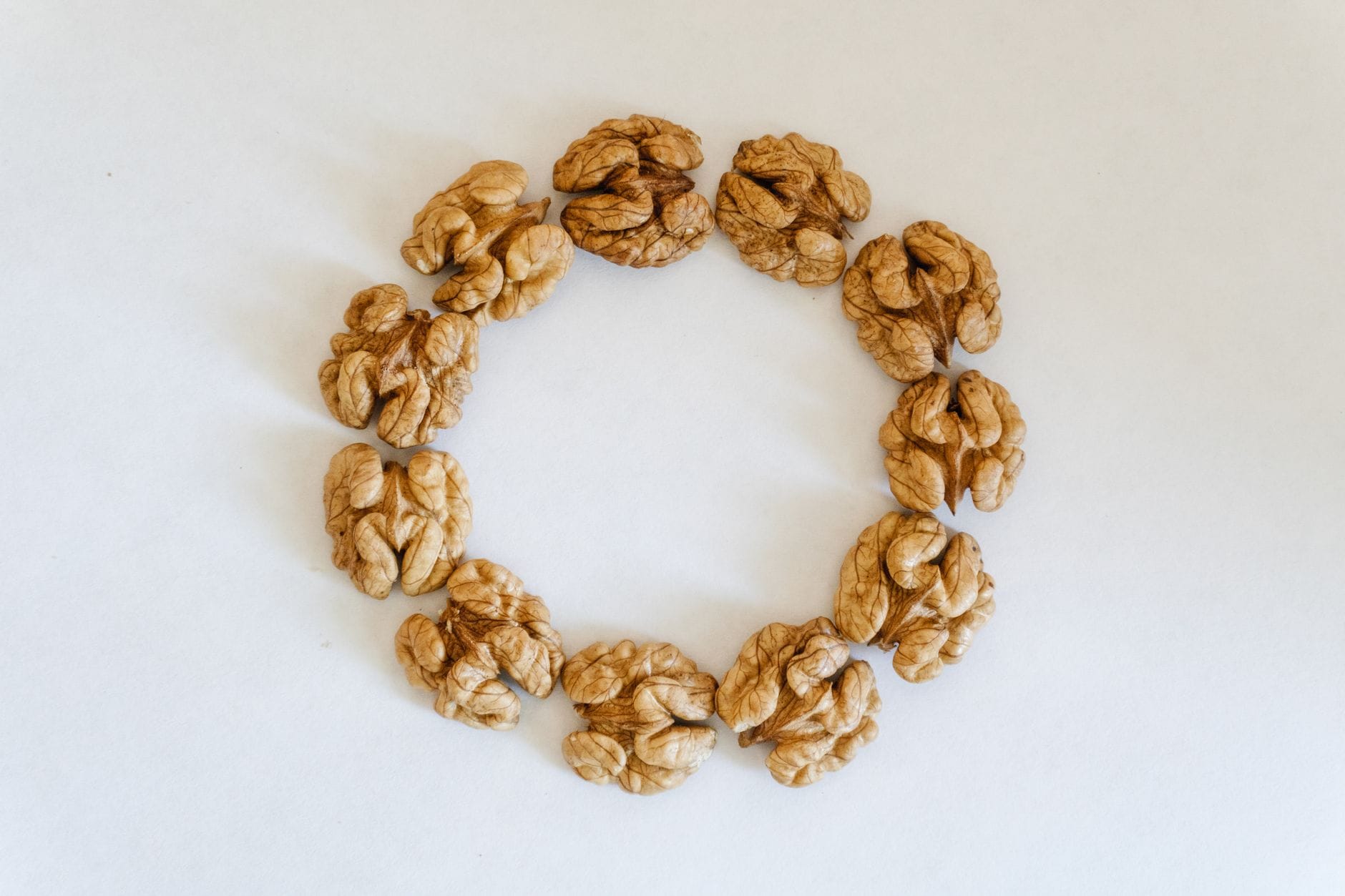
SaveThere may be truth to the old idea that a walnut resembles the brain it feeds. Diets rich in essential fatty acids like omega-3s are associated with slower cognitive decline over time. In one study focused on older adults, eating walnuts every day was linked to measurable improvements in cognitive performance — a promising sign for anyone hoping to protect their memory as the years add up.
May Calm Inflammation
Chronic inflammation sits at the root of many uncomfortable conditions, from arthritis and asthma to eczema. The essential fatty acids in walnuts may help dial that inflammation down, and their polyphenols lend a hand too. These antioxidant compounds also help protect against the oxidation of cholesterol — an important detail, since oxidized cholesterol is tied to a higher risk of cardiovascular problems like atherosclerosis. Notably, raw walnuts show especially high antioxidant activity compared with other nuts, meaning it takes relatively little of their polyphenol content to help slow that oxidation process.
Give Your Immune System a Boost
Walnuts deliver antioxidants that help keep your immune defenses running smoothly. They also supply minerals and vitamins — copper and vitamin B6 in particular — that support immune function. A daily handful is an easy, tasty way to help your body fend off everyday illness.
May Strengthen Your Bones
Walnuts contain alpha-linolenic acid, an essential fatty acid that has been connected to stronger, healthier bones. Their omega-3 fatty acids contribute as well: by helping to reduce inflammation, they may lower the subsequent breakdown of bone tissue, known as bone resorption, helping your skeleton stay resilient.
Better, More Restful Sleep
 Save
SaveIf falling asleep is a nightly struggle, walnuts might help. They’re one of the few foods that naturally contain melatonin, the hormone that helps regulate your sleep-wake cycle and is associated with better sleep patterns. Their omega-3s may also help keep blood pressure low and ease stress, though researchers agree more study is needed to confirm just how much the nut helps you drift off.
A Nutritious Choice During Pregnancy
 Save
SaveFor expecting mothers, a daily walnut can be a small but meaningful addition. Walnuts carry B-complex vitamins such as folate, riboflavin, and thiamin, which support overall health during pregnancy. Folic acid stands out here — it’s essential for both mother and developing baby, with a range of biological benefits that make it especially valuable in these months. As always, pregnant and breastfeeding women should check with a doctor first.
Keep Digestion on Track
Fiber is the unsung hero of walnuts. Because our bodies need fiber every day to keep the digestive system moving, the amount packed into walnuts can help ease sluggish digestion and support regular, comfortable bowel function. Registered dietitian Mary Sabat notes that walnuts’ fiber, healthy monounsaturated fats, and minerals like magnesium and copper all work together to keep the gut functioning well and help the body clear out waste more easily.
May Help Fight Fungal Infections
Finally, there’s a more traditional use for the black walnut variety. Anecdotal evidence — supported by some early research — suggests black walnuts may help combat fungal infections like Candida overgrowth, whether it appears in the digestive tract or on the skin. These infections can trigger itching and other irritating symptoms, and black walnuts may prove as effective as certain conventional treatments. Still, this is an area where more research is needed before firm conclusions can be drawn.
Frequently Asked Questions
How many walnuts should I eat in a day?
A reasonable daily amount is roughly 1.5 to 2 ounces — about a small handful. Because walnuts are calorie-dense, moderation is key, especially if you’re watching your weight.
Who should avoid walnuts?
Anyone with a tree-nut allergy should steer clear entirely. People with irritable bowel syndrome (IBS) may also find them hard to tolerate, and eating too many can cause an upset stomach or, in some cases, raise the risk of kidney stones.
Are raw walnuts better than roasted ones?
Raw walnuts tend to retain the highest antioxidant activity, so eating them raw or lightly toasted helps preserve more of their beneficial polyphenols compared with heavy roasting.
The Bottom Line
Walnuts are a genuine nutritional multitasker. Thanks to their omega-3 fats, fiber, antioxidants, and mineral content, they may support your heart, brain, bones, sleep, and immune system all at once — while offering a satisfying crunch to snack on. A small daily portion is all it takes to enjoy the benefits, so long as you don’t overdo it and you avoid them if nuts don’t agree with you. Toss a handful onto oatmeal, blend them into a smoothie, or eat them straight from the shell.
This article is for informational purposes only and is not a substitute for professional medical advice. Consult a qualified healthcare provider before making changes to your diet, especially if you are pregnant, breastfeeding, or managing a health condition.