
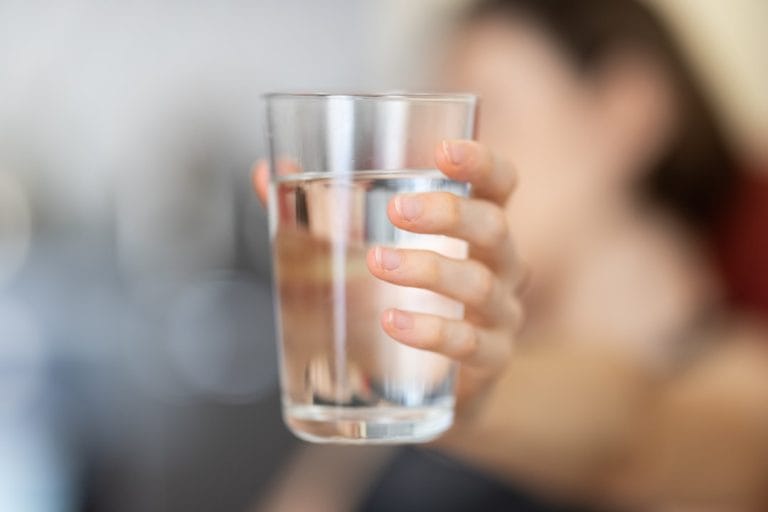
That soothing mug isn’t always as innocent as it looks — here’s what the research says about water that’s simply too hot.
A steaming mug of water is one of the most popular wellness rituals around. It’s praised for soothing sore throats, easing digestion, and helping with everything from bowel regularity to weight management. And to be fair, a comfortably warm drink is harmless — even pleasant — for most people.
The trouble starts when “warm” quietly becomes “scalding.” Water that’s too hot can injure the delicate lining of your mouth and throat, and heated tap water may carry a few less obvious risks as well. Here’s what the evidence says about the downsides of drinking hot water, and how to enjoy your warm drinks safely.
Key Takeaways
– Very hot water can scald the mouth, throat, and esophagus — in one documented case, it caused throat swelling severe enough to obstruct a man’s breathing.
– Hot tap water may pick up more metal contaminants from pipes, tanks, and boilers than cold water does.
– Sudden temperature extremes may contribute to tooth enamel erosion.
– Never test drinking water with a finger; your fingertips tolerate far more heat than your mouth can.
– Heat water gently, let it cool down, and always begin with a small, slow sip.
How Hot Water Can Burn You From the Inside
The most immediate risk of drinking hot water is scalding. Your mouth, throat, and esophagus are lined with tissue far more sensitive than the skin on your hands, and a liquid that feels “hot but manageable” to a fingertip can genuinely injure it.
Nutrition consultant Barbara Kovalenko cautions that hot liquids — hot water included — can damage the internal linings of the mouth, throat, and esophagus when the water is excessively hot. Her advice is simple: keep your drinks at a temperature that feels comfortable, never scalding.
How serious can it get? In one published case report, a 61-year-old man drank water estimated at around 90°C (194°F). He developed laryngopharynx edema — swelling in the lower throat — that blocked part of his airway and caused his breathing to deteriorate (1). Burn-related swelling of this kind typically peaks within 6 to 24 hours of the injury, meaning symptoms can keep worsening long after the drink itself.
What Heat Does to Skin and Tissue
The damage isn’t limited to the inside of your body. When hot liquid touches skin, the heat injures cells directly, causing irritation — and extreme heat can destroy tissue outright (2). Water that’s boiling or simmering when it spills can cause third-degree burns, the kind that penetrate the full depth of the skin.
Older adults face an extra consideration: soaking in water that’s too hot can lower blood pressure, which may trigger dizziness, fainting, or headaches.
Hidden Contaminants in Hot Tap Water
 Save
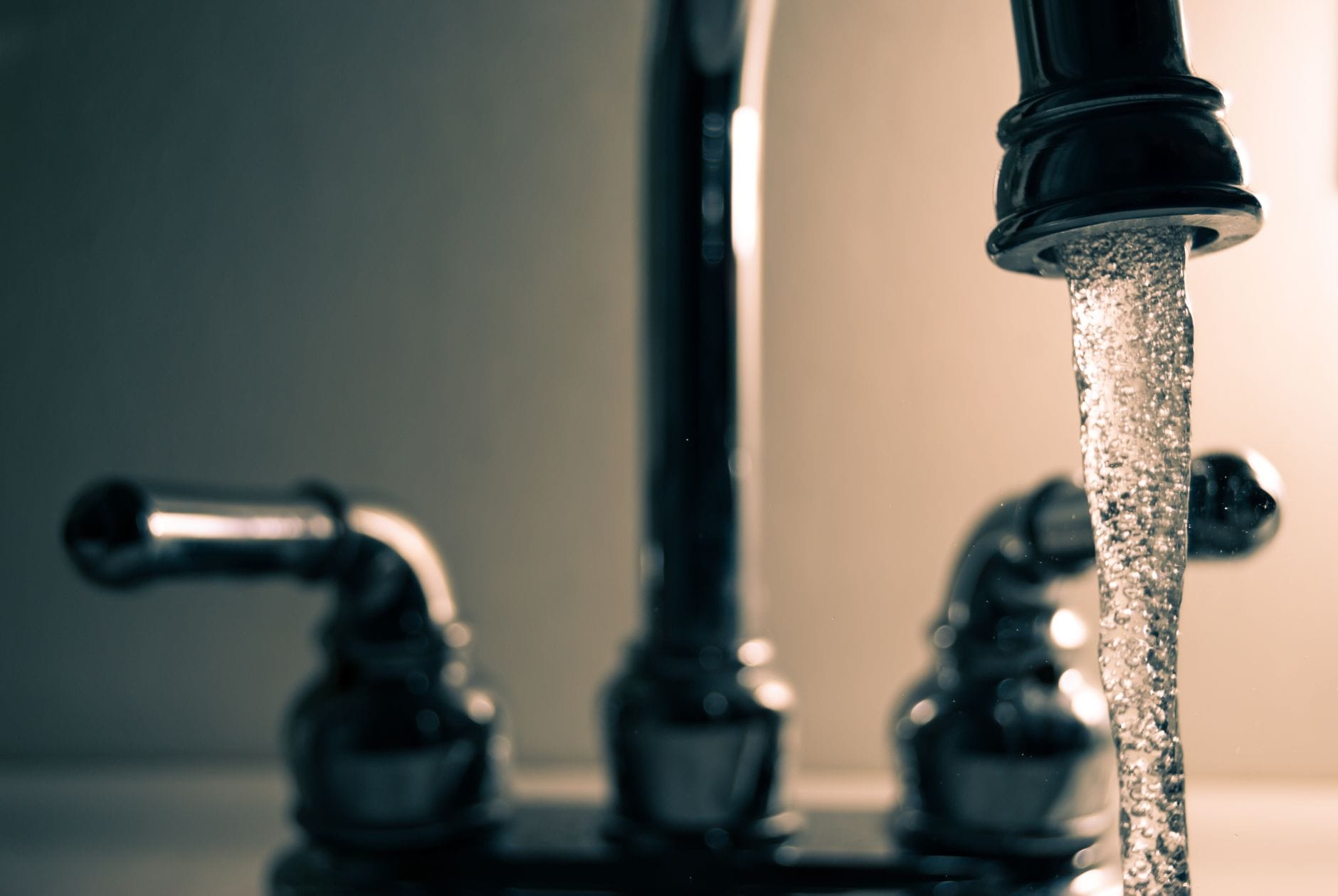
SaveHere’s a side effect few people consider: where your hot water comes from. While research on this point is limited, water heaters, boilers, and storage tanks contain metallic components that can corrode over time — and those corroded metals can leach into the water sitting inside them.
Temperature makes the problem worse, because hot water dissolves contaminants more readily than cold water does. Even hot water drawn through a filter carries some risk, since heat speeds up the breakdown of the filter’s internal materials. Regularly drinking this water may contribute to stomach upset and other problems in the long run. The safer habit: start with cold water and heat it yourself.
Other Ways Very Hot Water Can Backfire
Your Tooth Enamel
 Save
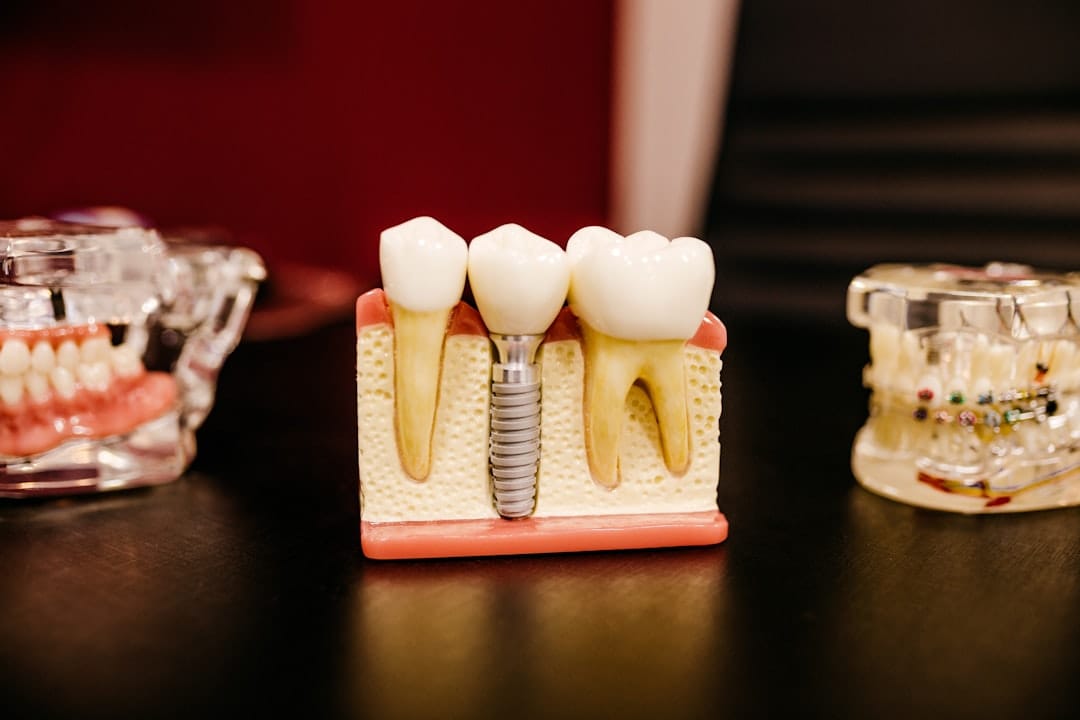
SaveSudden temperature swings — whether very hot or very cold — may contribute to the erosion of tooth enamel (3). Sipping slowly at a moderate temperature is far gentler on your teeth.
Your Stomach
 Save
SaveWhen water is dramatically hotter than your digestive tract, that abrupt temperature gap can irritate the gastric mucosa, the stomach’s protective lining. The result can be nausea, vomiting, or diarrhea.
Your Hydration Balance
You may have noticed that hot drinks make you sweat more, especially around exercise. Research on rehydration suggests water temperature influences how much you sweat after drinking (4) — and heavy sweating can tip your electrolytes out of balance if you’re not replacing them.
Safe Ways to Enjoy Warm Water
 Save
SaveNone of this means giving up your warm mug. A few easy habits remove most of the risk:
Skip the rolling boil. There’s usually no need to fully boil drinking water — you’ll wait ages for it to cool, and boiling can alter the taste.
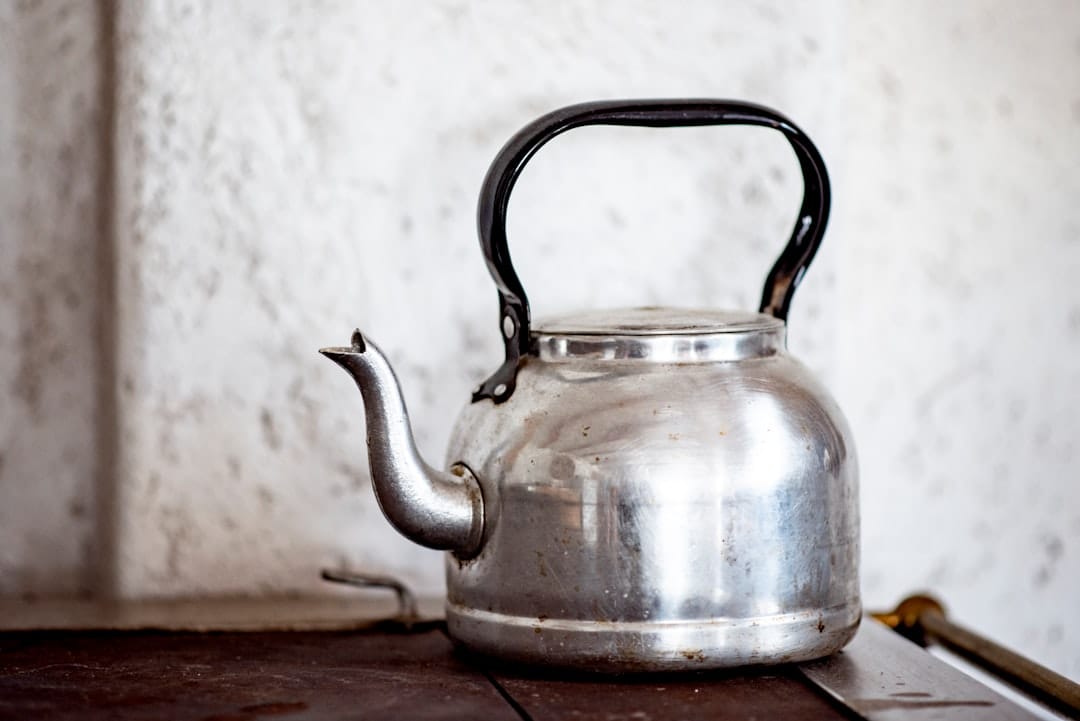
Warm it gently instead. Heat water in a pot or kettle just until steam begins rising; that’s a good cue it’s warm enough.
Mind the steam. Hot steam can cause thermal burns, so keep your hands and face clear.
Pour with care. Direct the stream away from your body, hold the kettle with a thick towel, and don’t overfill the mug — overflowing water causes burns.
Let it rest. Give the water a few minutes to cool before drinking.
Never finger-test. Your fingers tolerate higher temperatures than your mouth, so a “fine” finger check can still mean a burned tongue.
Start with one slow sip. If it’s comfortable, keep going. If not, a minute of patience beats a week of a sore mouth.
Frequently Asked Questions
What’s the ideal temperature for drinking hot water?
Around 50–60°C (122–140°F) is generally considered the sweet spot — warm enough to feel soothing, but below the range that scalds. When in doubt, cooler is safer.
Is it okay to drink hot water before bed?
Yes. A warm drink before bed is fine for most people — just make sure it’s comfortably warm rather than scalding, or you risk burning your throat.
Can drinking hot water cause pimples?
There’s no evidence that drinking warm or hot water causes breakouts. However, washing your face with very hot water can strip away natural oils, prompting the skin to overproduce sebum — and that can contribute to pimples.
The Bottom Line
Warm water can absolutely be part of a healthy routine — the problems begin only when it’s too hot. Excessively hot water can scald the mouth and throat, cause dangerous swelling in rare cases, irritate the stomach, stress tooth enamel, and even carry extra contaminants when drawn from hot taps or aging water heaters. Heat your water gently, let it cool until it’s comfortable, and sip slowly — you’ll get all the coziness without the consequences.
This article is for informational purposes only and is not a substitute for professional medical advice, diagnosis, or treatment. Always consult a qualified healthcare provider with any questions about a medical condition — especially if you experience burns, difficulty swallowing, or mouth sores after drinking hot liquids.