
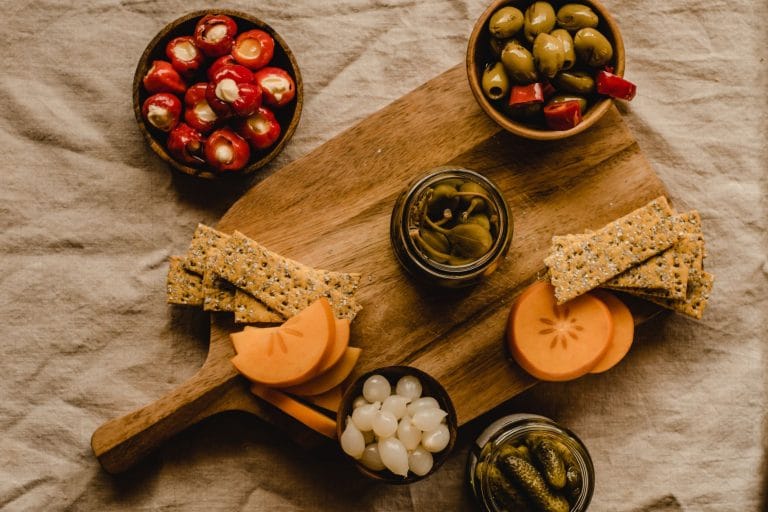
Those briny little buds scattered over pasta and smoked salmon carry more nutrition than their size suggests.
Capers rarely get top billing. They sit in a small jar at the back of the fridge, waiting to be sprinkled over a salad or stirred into a sauce. Yet these tangy buds, a staple of Mediterranean cooking, come packed with antioxidants, vitamins, and minerals that can quietly support your health.
Here is what capers actually are, what the research and traditional use suggest they can do for your body, skin, and hair, and one important caveat about their sodium content.
Key Takeaways
– Capers are the unripe flower buds of Capparis spinosa, sun-dried and usually pickled.
– They deliver flavonoid antioxidants (rutin and quercetin) that help protect cells from free radical damage and support healthy circulation.
– Their fiber content supports digestion, and certain compounds may help keep blood sugar steady.
– At roughly 23 calories per 100 grams, they add bold flavor to low-calorie meals.
– Capers are very high in sodium, so people with high blood pressure or kidney concerns should limit them or check with a doctor first.
What Exactly Are Capers?
Capers are not seeds or berries. They are the unopened flower buds of Capparis spinosa, sometimes called Flinders rose, a perennial native to the Mediterranean and parts of Asia and South Africa. The plant is commonly grown in Spain, Greece, and Italy.
Each bud is picked by hand before it can bloom, dried in the sun, and then pickled. That process gives capers their signature taste, somewhere between zesty lemon and the gentle bitterness of an olive. Their culinary history runs deep; records suggest they appeared in ancient Sumerian cooking.
Size matters here. Capers range from tiny nonpareils, about the size of a peppercorn, up to buds as large as a small green olive. The bigger ones pack a stronger punch, while the small ones offer a more delicate aroma. If you want subtlety, reach for the tiniest jar on the shelf.
A Small Bud With a Big Nutrient Profile
 Save
SaveA 100-gram serving of capers is mostly water (about 83.8 grams) and contains around 23 calories, 5 grams of carbohydrate, 3 grams of fiber, and 2 grams of protein. A single tablespoon carries just two calories.
Within that modest package sit vitamins A, C, E, and K, along with niacin and riboflavin. On the mineral side, capers offer iron, calcium, copper, and potassium. Vitamin K supports bone health, vitamin A helps the immune system and eyesight, and riboflavin helps the body convert food into usable energy. Iron helps muscles store and use oxygen, while copper teams up with proteins to form enzymes the body relies on for everyday functions.
The one number that stands out for a different reason: sodium, at roughly 2,960 milligrams per 100 grams. More on that below.
How Capers May Support Your Health
 Save
SaveAntioxidant activity
Capers are rich in flavonoids, particularly rutin and quercetin. These compounds neutralize free radicals by donating electrons, which helps prevent damage to cells. Rutin also supports smooth blood circulation and may help with strained blood vessels. Research on quercetin points to anti-inflammatory and antibacterial properties, along with possible pain-relieving and anti-carcinogenic effects.
Steadier blood sugar
Capers contain compounds that help keep blood sugar levels stable. That makes them an interesting seasoning for people watching their glucose, though there is a flip worth knowing: if you already take diabetes medication, eating large amounts of capers could push blood sugar too low. Moderation is the safe path.
Digestion and regularity
The fiber in capers, about 0.3 grams per tablespoon, contributes roughly 3 percent of your minimum daily fiber needs and helps ease constipation. Traditionally, capers have also been eaten to relieve stomach ache and flatulence, and to stimulate appetite.
A flavorful ally for weight goals
There is no direct evidence linking capers to weight loss. What they offer is practical: big flavor for almost no calories. A scattering of capers can make a salad or fish dish taste rich and briny without the creamy dressings that pile on calories, and their water and fiber content fits neatly into a lighter way of eating.
Older remedies worth a mention
In ancient Greece, capers were used to ease rheumatic pain. They have also been used traditionally to relieve chest congestion and reduce phlegm buildup. These uses are less settled scientifically, but they hint at how long people have valued this plant beyond the kitchen.
Capers for Skin and Hair
 Save
SaveThe same antioxidants that protect your cells internally have made capers a quiet ingredient in cosmetics. Applied to the skin, they can help keep dry skin moisturized, and they appear in skincare products aimed at redness, irritation, and pimples. Their antioxidant content may also help slow visible signs of aging.
For hair, capers earn their place through B vitamins and iron. B vitamins support blood circulation, and healthy circulation is one of the basic conditions for strong, shiny hair. Iron, meanwhile, helps prevent hair loss, which is why caper extracts show up in some hair care formulas.
The Sodium Catch
 Save
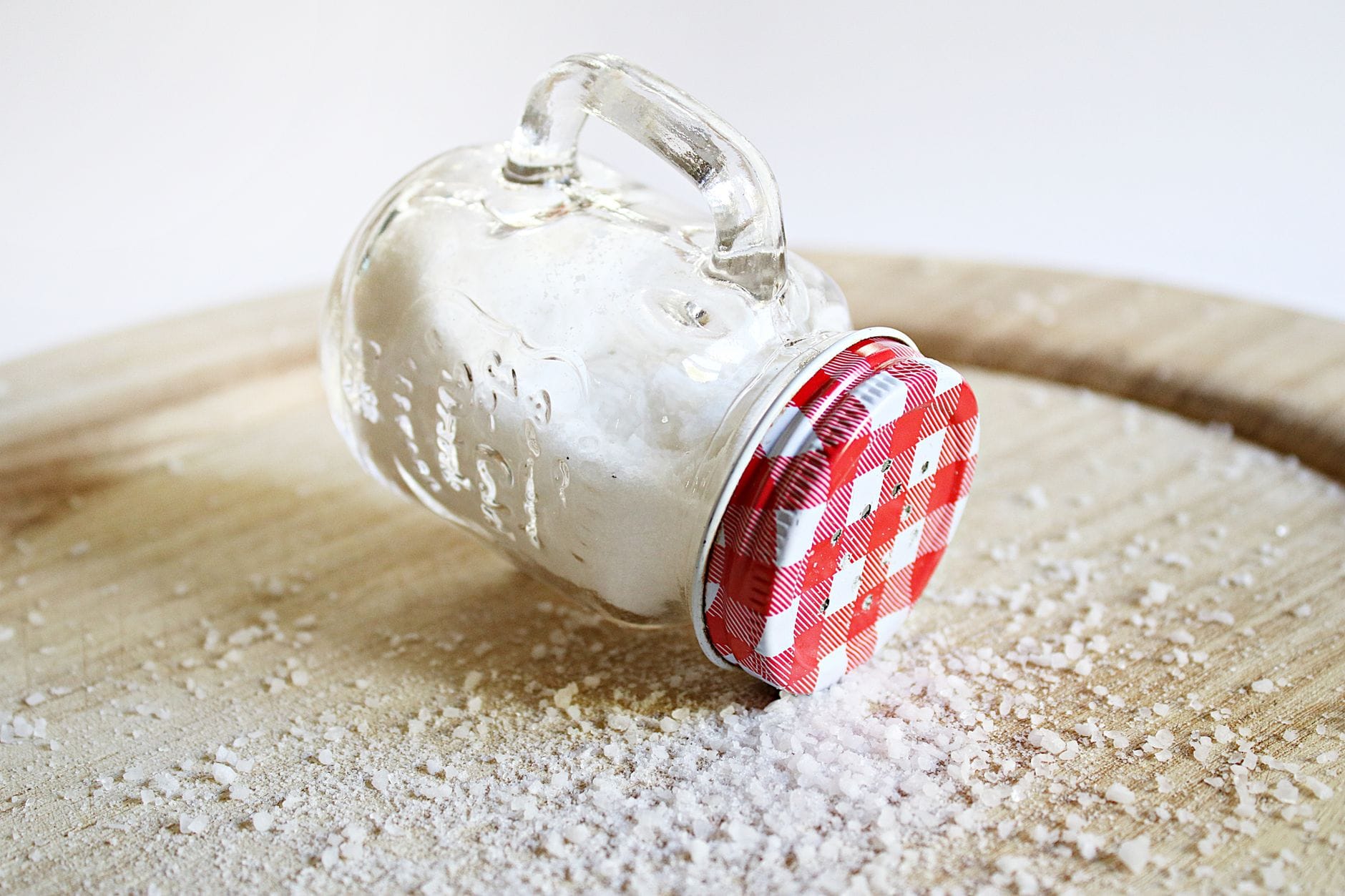
SaveCapers are a rich source of sodium, one of the saltiest items in your pantry. That matters for a few groups of people.
Anyone with high blood pressure should avoid them, since excess sodium causes the body to retain water, raising blood volume and straining the heart. People with kidney problems should talk to a doctor before adding capers to their diet. Even for healthy eaters, overdoing it can bring extreme thirst and bloating from water retention.
There is a bone health angle too. Over time, high sodium intake can reduce bone density and interfere with calcium absorption, raising the risk of osteoporosis. And as with any food, skip capers entirely if you are allergic to them. Used as a seasoning or garnish in moderate amounts, though, they fit comfortably into most diets.
Frequently Asked Questions
Are capers a fruit or a vegetable?
Neither, strictly speaking. Capers are the unripe flower buds of the Capparis spinosa plant, harvested by hand before they bloom, dried in the sun, and then pickled.
Can I eat capers every day?
In small amounts, yes, as a seasoning or garnish. Their sodium content is the limiting factor, so people on low-sodium diets or with blood pressure or kidney concerns should be cautious.
Do capers help with weight loss?
Not directly; no research links capers themselves to losing weight. But at about 23 calories per 100 grams, they add satisfying tang to meals without extra calories, which can support a calorie-controlled diet.
The Bottom Line
Capers prove that nutrition doesn’t always come in large servings. These little Mediterranean buds bring antioxidants, vitamins, minerals, and fiber to the table, with possible perks for blood sugar, digestion, skin, and hair. Their high sodium content is the main reason to keep portions modest, especially if you have blood pressure or kidney concerns. For everyone else, a spoonful of capers is an easy, nearly calorie-free way to make healthy food taste better.
This article is for informational purposes only and is not a substitute for professional medical advice, diagnosis, or treatment. Always consult a qualified healthcare provider before making changes to your diet, especially if you have a medical condition or take medication.