
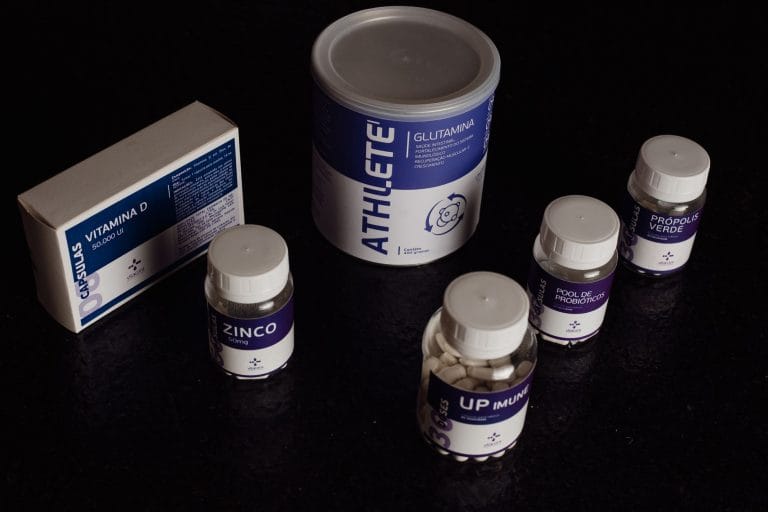
A closer look at the body’s most abundant amino acid, and why gym-goers keep it on their shelf.
If you train hard but feel wiped out by mid-afternoon, or you’re curious why so many athletes keep a tub of glutamine next to their protein, you’re asking a fair question. L-glutamine is an amino acid your body already makes, yet under certain conditions it may not make enough. That gap is where supplements enter the picture.
Most of the interest centers on three areas: the gut, recovery after exercise, and immune support. The evidence is stronger in some places than others, and I’ll try to be honest about which is which as we go.
Key Takeaways
– L-glutamine is the most abundant amino acid in the body and plays a central role in energy and everyday cellular function.
– It’s classed as conditionally essential, meaning your body usually makes plenty but may need extra during injury or severe stress.
– Its standout role is supporting the gut lining and intestinal barrier.
– It helps preserve muscle during hard training and may modestly support weight and metabolism.
– A common daily range is 2 to 5 grams, and too much can trigger allergic reactions in some people.
What Makes Glutamine Different
There are 20 amino acids, so why single this one out? Two reasons. First, it’s the most plentiful amino acid in the human body, present in higher concentration than the other 19 combined. Second, it sits in an unusual category: non-essential but conditionally essential. Your body normally produces enough on its own, but during recovery from injury or a period of serious physical stress, demand can outpace supply and food or supplements become useful (1), (2).
Amino acids matter because proteins are built from them, and proteins run nearly everything. Running low is linked to lower energy, more stress, and a higher vulnerability to illness. Glutamine comes in two forms, L-glutamine and D-glutamine, and it’s the L form that occurs naturally in food and does the useful work in humans.
A Boost for Gut Health
 Save
SaveThis is the benefit that sets glutamine apart. The cells lining your intestines use it as fuel, and it helps repair and maintain that lining. Research suggests it supports the gut barrier and protects the tight junctions between intestinal cells, which is why it comes up in discussions of leaky gut and ulcerative colitis, an inflammatory bowel condition affecting the colon and rectum (3), (4), (5), (6).
Because a compromised gut barrier has been tied to problems elsewhere in the body, keeping that lining intact may have effects that reach beyond digestion. Glutamine also appears to calm intestinal inflammation and supports immune activity within the gut itself.
There’s early interest in irritable bowel syndrome too, though this part is less settled. The studies are preliminary and the strong data isn’t there yet, so treat it as a maybe rather than a given (7), (8).
Weight, Metabolism, and Growth Hormone
Some research points to glutamine as a safe option that may assist weight loss, particularly when it comes from protein-rich foods that help you stay full longer (9), (10). The mechanism isn’t fully mapped, so I’d hold this loosely.
One intriguing finding: glutamine intake has been associated with a large rise in human growth hormone, which influences resting metabolism and the after-burn effect involved in fat use (11). Those same effects feed into building lean muscle, so the weight and muscle stories overlap.
Building and Protecting Muscle
 Save
SaveRoughly 60% of your skeletal muscle is made up of glutamine, which tells you something about how relevant it is here. During intense workouts, glutamine levels drop, and topping them back up helps guard muscle tissue from being broken down for energy.
Its link to protein synthesis and to growth hormone both point the same direction, toward preserving and building muscle mass. For athletes there’s an added angle: glutamine supports glycogen storage, keeps muscle cells hydrated, and helps clear excess ammonia by converting it into useful amino acids, all of which can aid performance (13).
Immunity, the Brain, and Conditions Still Being Studied
 Save
SaveWhen patients recovering from bone marrow transplantation received glutamine, they had a lower risk of infection, a signal of its potential as an immune supporter (14).
In the brain, glutamine helps regulate the glutamate-glutamine cycle. Glutamate is a key neurotransmitter, and disruptions to this cycle are connected to conditions including epilepsy, anxiety, and depression (15). Some work even hints at a role in slowing brain aging, though that research is ongoing.
A few other uses show up in the literature with thinner support. Studies have explored a preventive role against cancer alongside restoration of the intestinal mucosa (12), and supplementation has been examined for sickle cell anemia, a condition where red blood cells change shape and cause severe anemia. Both are areas to watch, not settled conclusions.
How Much Should You Take?
 Save
SaveA typical daily intake falls between 2 and 5 grams. Athletes, bodybuilders, people working toward weight loss, and patients following medical advice are the usual candidates. Overdoing it can backfire: too much glutamine may cause allergic reactions such as hives, swelling, fatigue, fever, and trouble breathing. If you’re managing a health condition or taking medication, check with a clinician before starting.
Frequently Asked Questions
Is L-glutamine safe to take every day?
For most healthy adults, a daily dose in the 2 to 5 gram range is generally well tolerated. Watch for signs of an allergic reaction and stop if any appear.
Can I get enough glutamine from food alone?
Usually, yes. Your body makes it and protein-rich foods supply more, so supplements mainly help during periods of high physical stress, heavy training, or specific medical situations.
Does L-glutamine actually build muscle on its own?
It’s better understood as protective. It helps prevent muscle breakdown during hard training and supports recovery rather than acting as a standalone muscle-builder.
The Bottom Line
L-glutamine earns its reputation mostly through the gut, where it fuels and helps repair the intestinal lining, and through its role in protecting muscle during demanding exercise. The immune and brain findings are promising, while the cancer, IBS, and sickle cell research is earlier and less conclusive. If you fit one of the groups that tends to benefit, a modest 2 to 5 grams a day is a reasonable place to start, ideally with a quick word to your doctor first.
This article is for informational purposes only and is not a substitute for professional medical advice. Always consult a qualified healthcare provider before starting any supplement, especially if you are pregnant, nursing, managing a health condition, or taking medication.