
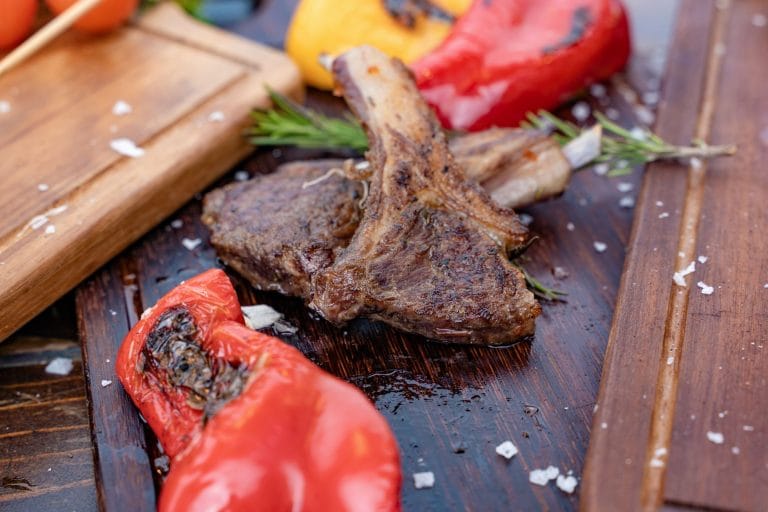
Tender, flavorful, and denser in nutrients than its holiday-roast reputation suggests.
Lamb tends to show up on special occasions rather than weeknight menus. In a 2018 survey of 1,640 people in Great Britain, 20% named lamb their ideal Sunday roast, trailing only beef and chicken. That popularity is easy to understand once you look past the flavor and into the nutrition label.
A single serving delivers quality protein, easily absorbed iron, and a handful of fats that researchers consider genuinely beneficial. At the same time, lamb is red meat, and red meat carries some well-documented caveats. Here is what the evidence says about both sides.
Key Takeaways
– A 3-ounce serving of cooked lamb provides more than 21 grams of complete protein, close to half of what most adults need in a day.
– Lamb supplies heme iron, the form your body absorbs most readily, along with zinc, calcium, and phosphorus.
– Grass-fed lamb contains omega-3 fatty acids, monounsaturated fats, and CLA, a natural fat linked to reduced body fat in human research.
– Heavy, regular red meat intake is associated with higher risks of heart disease, diabetes, and certain cancers, so moderation matters.
– Trimming visible fat and choosing lean cuts keeps lamb on the healthier end of the red meat spectrum.
What Exactly Is Lamb?
Lamb is the meat of a domesticated sheep under one year old. Once the animal passes that first year, its meat is sold as mutton, which is less tender and less flavorful.
Lamb sits firmly in the red meat category, and the reason is a protein called myoglobin. Myoglobin contains an iron-rich compound called heme that binds oxygen in muscle tissue, and the more of it a meat contains, the deeper red it appears. Raw lamb ranges from soft pink to deep red, often with white fat threaded through it, and cooks to a rich reddish-brown (or a pink center if you stop at medium-rare).
Flavor varies by cut, from mildly savory to distinctly gamey. If you are new to lamb, rib or loin chops are the friendliest place to start, and American lamb tends to taste milder than lamb from New Zealand.
What’s Inside a Serving of Lamb?
 Save
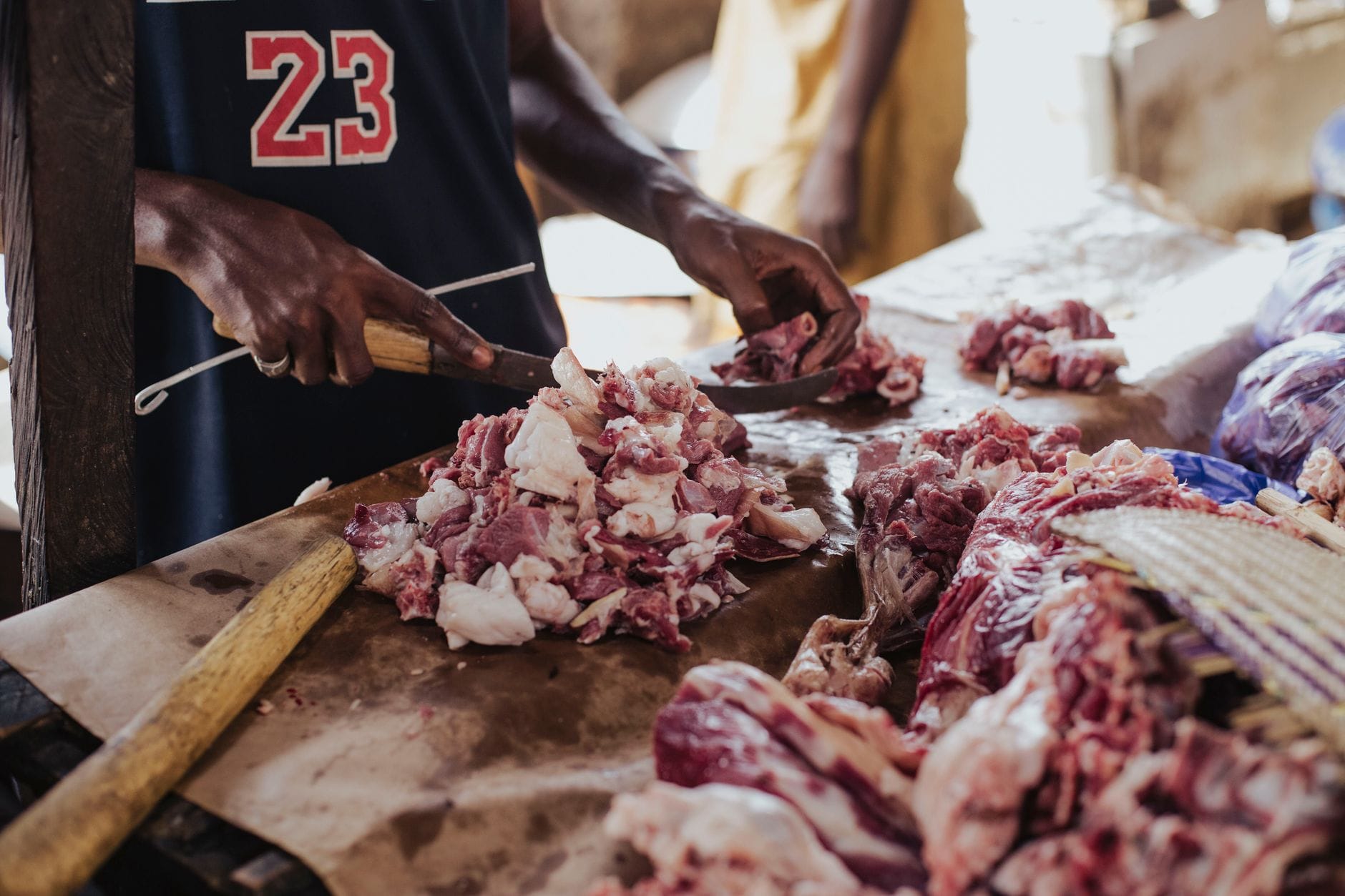
SaveAccording to USDA data, just 3 ounces of cooked lamb delivers over 21 grams of protein, roughly half the recommended daily intake for adults. That protein is complete, meaning it supplies all nine essential amino acids your body needs to build and repair tissue and muscle.
The mineral profile is equally solid. Lamb provides calcium, zinc, and phosphorus, which support bone health and immune function among other vital roles. Its fat is not all bad news either: a meaningful share comes as monounsaturated fatty acids, which help lower LDL cholesterol and reduce the risk of coronary heart disease and stroke.
That combination makes lamb a practical choice for athletes and for anyone following a low-carb, moderate-protein eating plan.
Health Benefits Worth Knowing
Iron you can actually absorb
Because lamb is red meat, it carries more iron than chicken or fish. Just as important, it delivers heme iron, which the body absorbs far more efficiently than the non-heme iron found in plants. That makes lamb a useful food for improving or preventing iron deficiency and the symptoms of anemia.
Support for your immune system
Lamb is a good source of zinc, a mineral your immune system cannot function well without. Zinc also drives wound healing, DNA and protein synthesis, and normal growth in children. When zinc runs low, immunity weakens, so a reliable dietary source helps keep your defenses working properly.
Fats that work in your favor
 Save
SaveGrass-fed lamb in particular offers omega-3 fatty acids and monounsaturated fats. It also contains conjugated linoleic acid (CLA), which has been linked to improved lean muscle mass and, in a few animal studies, possible protection against cancer. That last finding is preliminary, so treat it as promising rather than proven.
A rare source of carnosine
Lamb contains roughly 400 mg of carnosine per 100 grams. Your body makes some carnosine on its own, but research suggests that getting more from food may add benefits. Carnosine may help slow the thickening and hardening of arteries, and it reduces glycation, the process that produces advanced glycation end products (AGEs) tied to inflammation and oxidative stress.
Can Lamb Help With Weight Loss?
 Save
SaveCLA is technically a trans fat, but it is a naturally occurring one that behaves very differently from the industrial version. Studies have found it can help reduce body fat mass. In one trial, obese adults aged 18 to 44 who took 3.2 grams of CLA daily for six months lost body fat and avoided further weight gain, unlike the placebo group.
Gram for gram, lamb contains more CLA than either beef or pork. Lean lamb, eaten in sensible portions, can therefore fit comfortably into a weight-loss diet. It is a helpful food, not a shortcut.
The Risks of Eating Too Much
Lamb shares the drawbacks of red meat generally. Studies link higher intakes of red meats such as lamb, beef, pork, and mutton to increased risks of chronic conditions including heart disease, diabetes, and cancer. People who eat red meat regularly show elevated rates of colon cancer and breast cancer in particular.
There are practical ways to lower the risk. Trim away visible fat and reach for lean cuts to cut down on saturated fat. Avoid overcooking or charring the meat, since burnt meat introduces its own problems. And keep lamb as an occasional feature rather than a daily staple; frequent heavy consumption also carries an environmental cost.
Choosing Your Cut
 Save
SaveSupermarkets typically sell lamb in five basic cuts: shoulder, rack, shank or breast, loin, and leg. Legs and racks suit family dinners and gatherings, while rib chops, loin chops, and riblets work well as single portions. Rack and loin are usually the more tender, tastier cuts and priced accordingly. Shoulder and leg cost less, and cooked slowly and properly, they turn out just as tender.
Frequently Asked Questions
What is the difference between lamb and mutton?
Age. Lamb comes from sheep under one year old, while mutton comes from older animals. Lamb is more tender and more flavorful than mutton.
Is lamb healthier than beef?
Both are red meats with similar cautions, but lamb contains more CLA per gram than beef or pork, and grass-fed lamb offers a favorable mix of omega-3 and monounsaturated fats. The healthiest choice with either meat is a lean cut, trimmed of visible fat, eaten in moderation.
Which cut should a first-timer try?
Start with rib or loin chops. They are conventional, tastier cuts, and American lamb tends to taste less gamey than New Zealand lamb.
The Bottom Line
Lamb earns its place at the table on nutrition, not just tradition. It packs complete protein, highly absorbable heme iron, immune-supporting zinc, and beneficial fats like CLA and omega-3s into a modest serving, plus a good amount of carnosine. Its red meat status means the usual rules apply: choose lean cuts, trim the fat, skip the char, and enjoy it in moderation rather than daily. Handled that way, lamb is a legitimately nourishing addition to a balanced diet.
This article is for informational purposes only and is not a substitute for professional medical advice, diagnosis, or treatment. Always consult a qualified healthcare provider before making changes to your diet, especially if you have an existing health condition.