
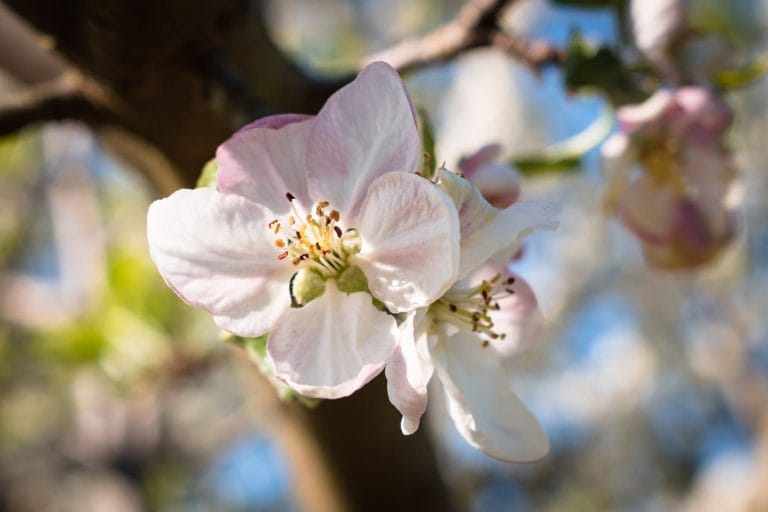
Those tiny sour orchard apples are more than backyard decoration.
If you have ever spotted a tree loaded with fruit that looks like miniature apples, too small to be the real thing, you were probably looking at a crab apple. The trees are stunning in spring, dressed in clouds of pink and white blossom, and they pull double duty as a food source once the fruit sets. The catch is that most crab apples are far too tart to enjoy straight off the branch.
That sourness is exactly why they shine in the kitchen. Cooked down with a little sweetness, crab apples turn into some of the best jelly, butter, and pickles you can make. And nutritionally they hold their own against the standard grocery-store apple, which surprises a lot of people.
Key Takeaways
– Crab apple isn’t one species. It’s a catch-all name for small, usually sour wild apples, and not every variety is worth eating.
– Because the fruit is tiny, it takes roughly four crab apples to match the nutrition of one medium apple.
– The pulp is rich in polyphenols, and research points to antioxidant, anticancer, and cholesterol-lowering potential.
– The seeds and core contain cyanogenic glycosides, so eat around them, never through them.
What Exactly Is a Crab Apple?
There’s no single “crab apple” tree. The term covers wild or underdeveloped apples that stay small, and with a handful of exceptions they taste sharply sour. Trees differ wildly in height, blossom color, and whether the fruit is any good. Some varieties barely fruit at all and are grown purely for their spring flowers.
People have leaned on these little apples for a long time. Known as wergulu in Old English, crab apples turn up in traditional medicine going back centuries, and anecdotal accounts list them among the nine sacred herbs named in an old Anglo-Saxon healing charm. That history is folklore, not clinical proof, but it says something about how long they’ve been valued.
A Quick Tour of the Varieties
 Save
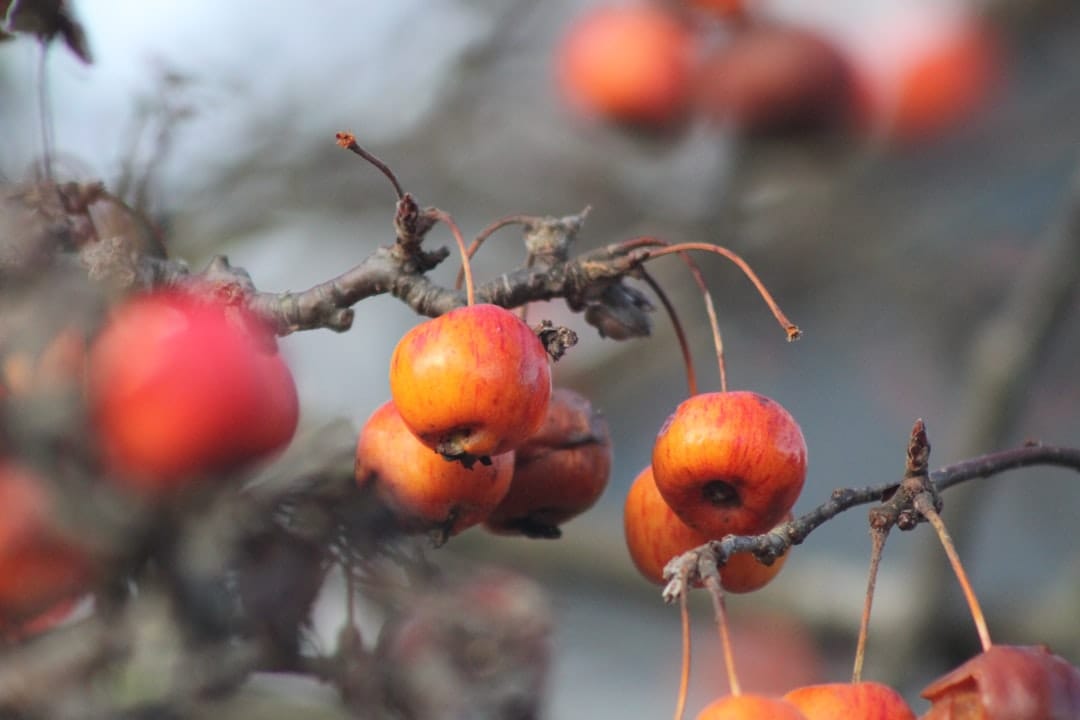
Dozens of crab apple varieties and hybrids exist, and they fall roughly into two camps: the ones you can cook with and the ones grown just to look pretty. A few of the better-known types:
Dolgo — A vigorous tree reaching around 35 feet, mostly ornamental but usable in jams and jellies. It’s one of the more disease-resistant varieties, produces larger fruit, blooms white in spring, and turns golden in fall.
Whitney Flowering Crab — A smaller tree, topping out near 16 feet, with pink-and-white summer flowers that draw bees. Its fruit runs larger and sweeter than most, and it cans and pickles beautifully.
Centennial — A dwarf that stays around 8 feet. Good for eating fresh and excellent for jelly and apple butter.
Chestnut — Built for cold climates, with a sweet, nutty flavor that bakes well. The autumn foliage is a bonus.
Hopa Flowering Crab — Grows to about 25 feet with showy pink blooms, though it catches disease more easily than its cousins.
Pink Spires — A 15-foot tree that shifts through bronze, orange, red, and maroon as fall sets in. Lovely to look at, but the fruit isn’t edible.
Can You Actually Eat Them?
Yes, most crab apple varieties are edible. The experience just varies a lot. Some taste dry and bitter, others are bracingly sour and tart, and a few are genuinely pleasant. Raw, though, they rarely win anyone over. If you happen onto a variety with agreeable flavor, treat it like any apple and eat it out of hand, but cut carefully to avoid the seeds.
Cooking Them Down Into Jelly and Jam
 Save
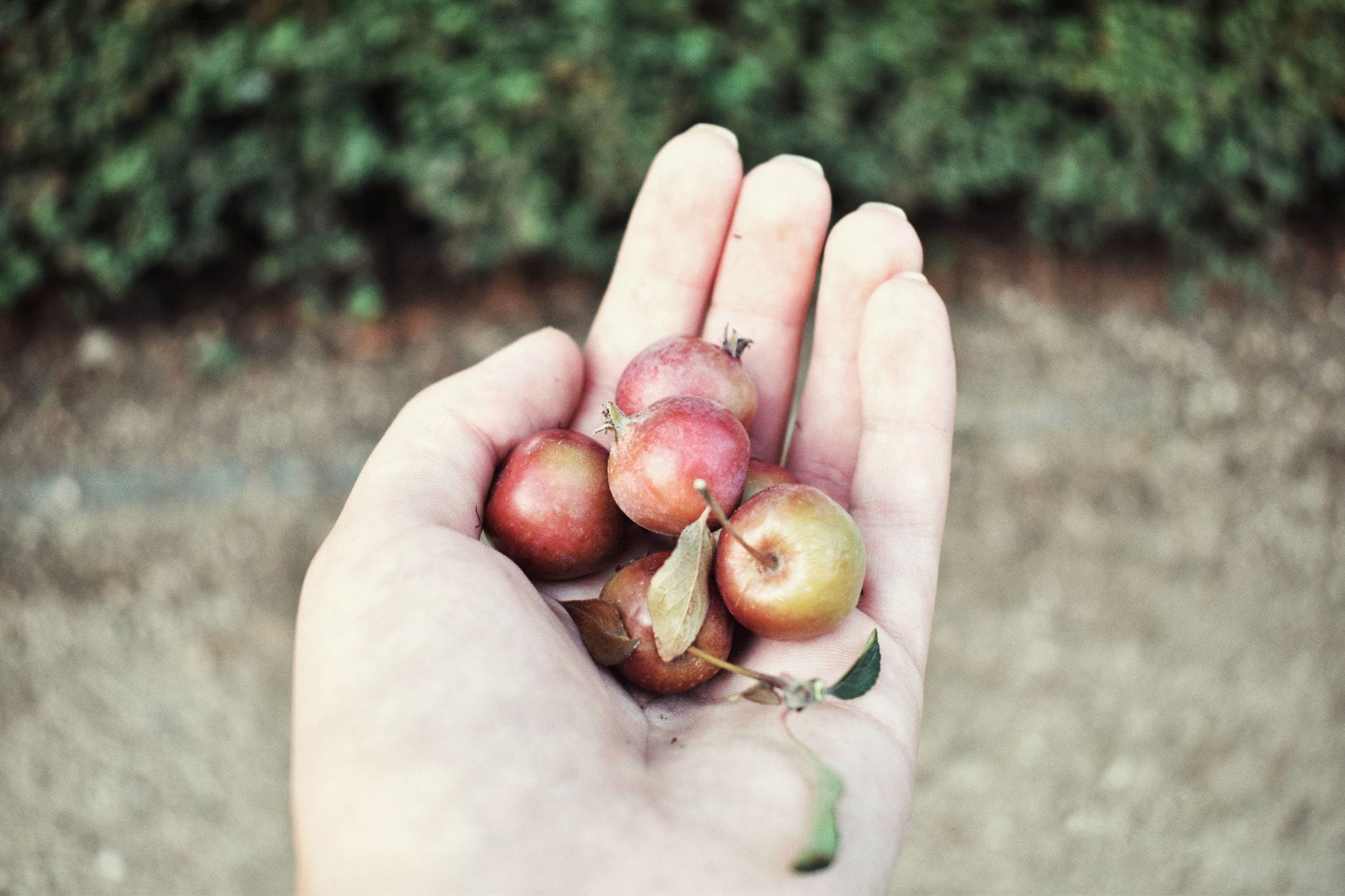
For the tart and bitter types, which is to say most of them, cooking is where the magic happens. That high acidity and natural pectin make crab apples ideal for jelly and jam, and they also work as pickles, sauce, and fruit butter. The heat and added sweetness tame the sourness while keeping the bright, complex flavor that the fruit is prized for. If you have a productive tree, a single afternoon of cooking can stock your pantry for months.
What the Nutrition Looks Like
Per the USDA, 100 grams of raw crab apple delivers a nutrient spread close to that of a regular apple. Here’s the rundown:
Water — 78.9 g
Energy — 76 kcal
Protein — 0.4 g
Fat — 0.3 g
Carbohydrate — 20 g
Potassium — 194 mg
Calcium — 18 mg
Phosphorus — 15 mg
Magnesium — 7 mg
Vitamin C — 8 mg
Iron — 0.36 mg
Manganese — 0.115 mg
Copper — 0.067 mg
Thiamin — 0.03 mg
Vitamin A — 2 µg
Sodium — 1 mg
The nutrients look familiar, but portion size changes the math. A medium apple runs about 3 inches across, while crab apples measure anywhere from three-quarters of an inch to 2 inches. So you’d need roughly four crab apples to equal the nutrition of one medium apple. Small fruit, small servings.
The Health Perks Worth Knowing
 Save
Loaded With Antioxidant Polyphenols
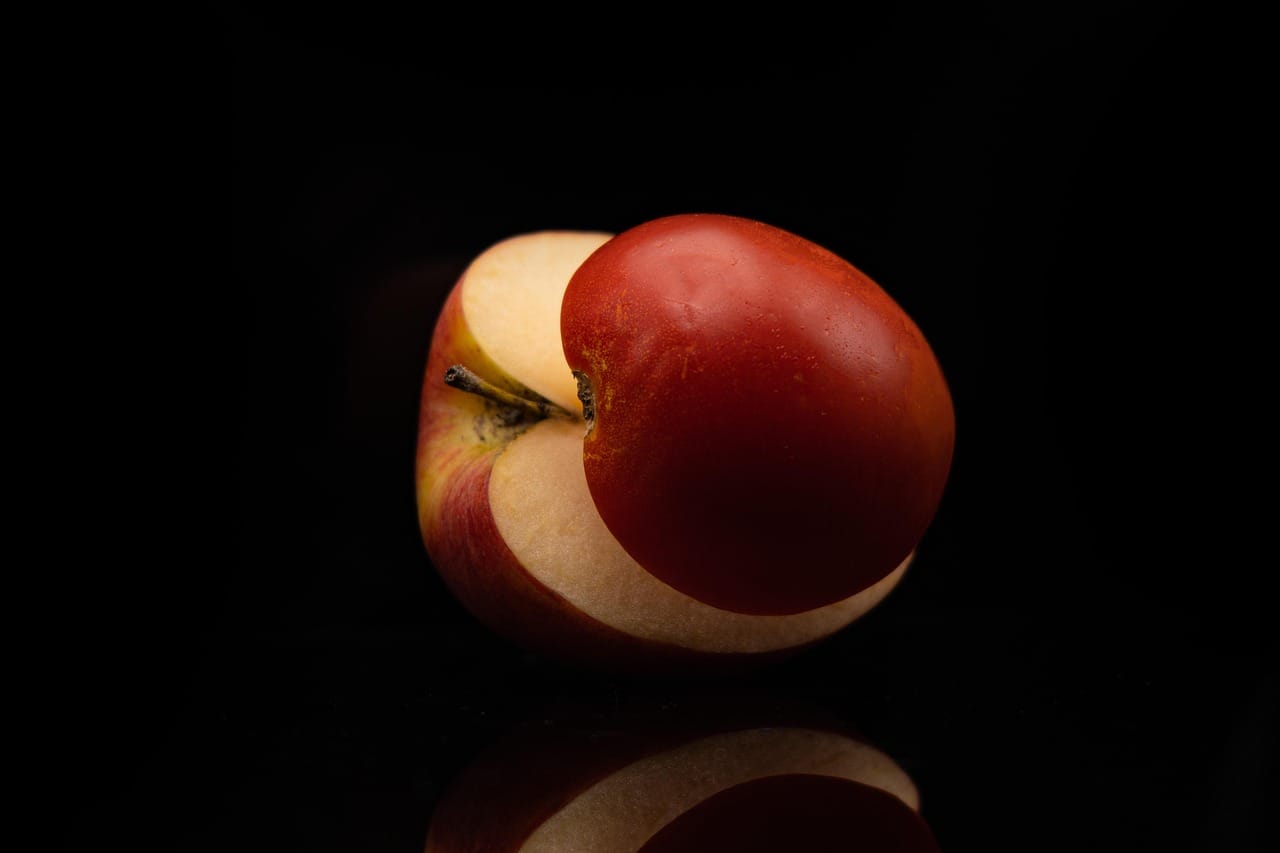
The real standout here is polyphenol content. Crab apple pulp is dense with sugars and polyphenols that give the fruit its color and flavor while also mopping up damaging free radicals. What’s notable is that crab apples tend to be richer in these compounds than cultivated apples, which is part of why researchers have eyed them for both nutrition and skincare uses.
A Possible Role Against Cancer Cells
Red crab apple varieties appear to carry more antioxidants, and more anticancer potential, than green ones. Lab research suggests the fruit’s bioactive compounds may slow the growth and spread of cancer cells and encourage those cells to self-destruct. Compounds pulled from crab apple leaves have shown similar activity against human cancer cell lines. This is early cell-based work, not evidence that eating the fruit treats or prevents cancer, so read it as promising rather than proven.
Support for Healthier Cholesterol
Extracts from crab apple fruit may help nudge cholesterol in the right direction. In studies using obese mice on a high-fat diet, extracts from five different crab apple varieties meaningfully lowered total cholesterol and LDL, the so-called “bad” cholesterol. Human data is still thin, but the mechanism is encouraging.
Handle the Seeds With Care
Here’s the one rule you can’t skip. Crab apple seeds and cores contain cyanogenic glycosides, which the body can convert into cyanide. It would take a large quantity of seeds to reach a dangerous dose, but even a small amount can trigger nausea and stomach upset. When you prep the fruit, cut around the core and discard the seeds, the same way you’d treat regular apple seeds. Give this special attention with kids around, since the fruit is small and easy to pop whole.
Harvesting and Storing Your Haul
 Save
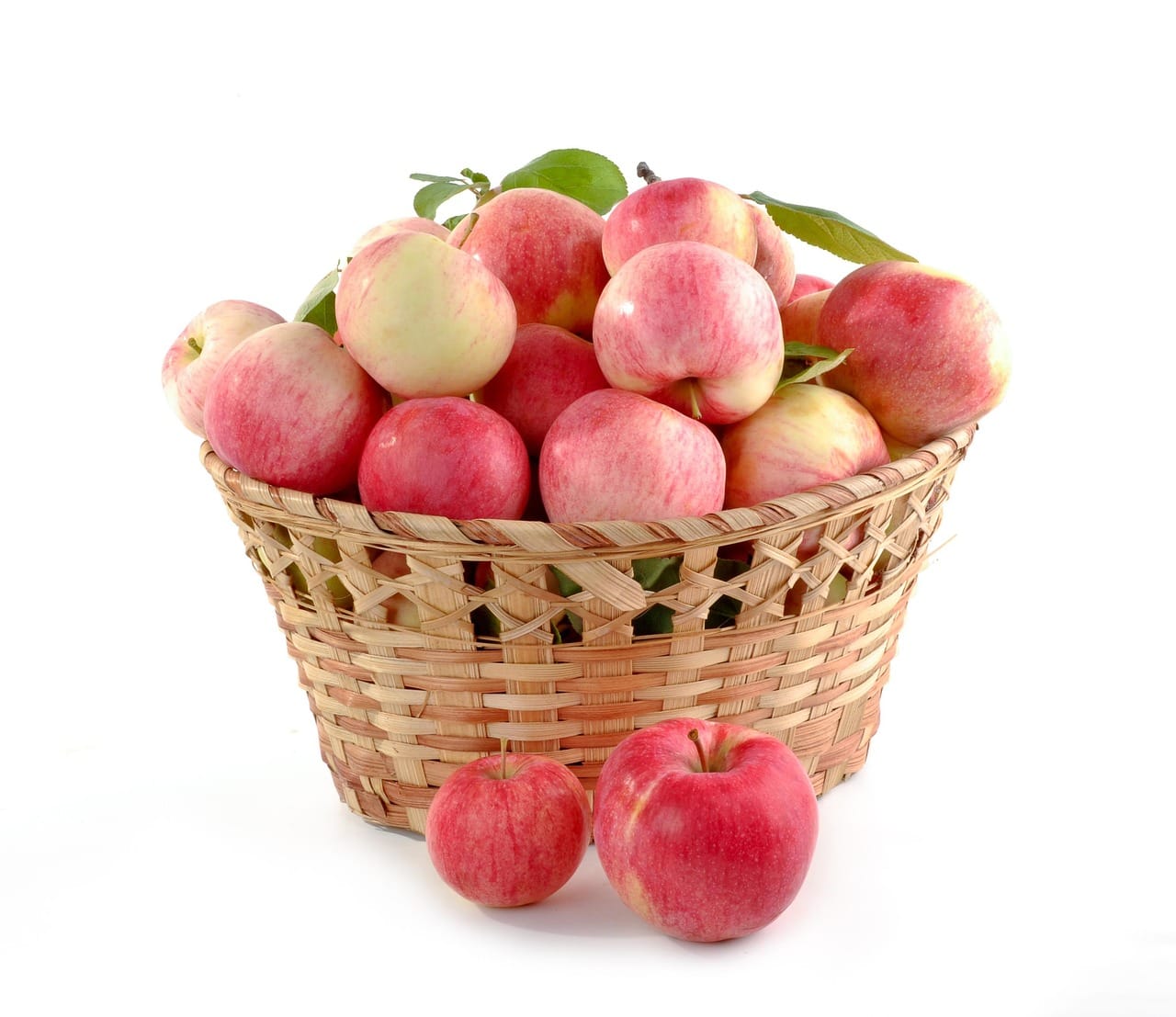
Gather crab apples once they’re fully colored and firm, which usually lands in late summer through fall depending on the variety. Handle them gently to avoid bruising, then keep the fruit cool. Whole, unblemished crab apples store for a stretch in the refrigerator, and anything you can’t use fresh cooks down easily into preserves that keep far longer.
Frequently Asked Questions
Can I eat crab apples every day?
Generally, yes, crab apples are safe for daily eating as long as you avoid the seeds and core. Because the fruit is so small, a handful is a modest serving. As with any food, moderation makes sense.
Why are my crab apples too sour to enjoy raw?
That tartness comes from high acidity, and it’s normal for most varieties. Rather than eating them raw, cook them into jelly, jam, sauce, or butter, where added sweetness balances the sharpness and brings out their flavor.
Are all crab apple trees edible?
No. Many crab apples are edible, but some varieties, like Pink Spires, are grown as ornamentals and their fruit isn’t meant for eating. If you’re unsure what you have, identify the variety before harvesting.
The Bottom Line
Crab apples are easy to write off as pretty but pointless, and that sells them short. Most varieties are edible, they carry more polyphenols than ordinary apples, and early research hints at antioxidant, anticancer, and cholesterol-lowering benefits. The trade-offs are real too: the fruit is tiny, usually too sour to eat raw, and the seeds are genuinely toxic in quantity. Cook them into something, respect the core, and a backyard crab apple tree earns its keep well beyond the spring bloom.
This article is for informational purposes only and is not a substitute for professional medical advice. Talk with a qualified healthcare provider before making changes to your diet, especially if you have a health condition or are pregnant.