
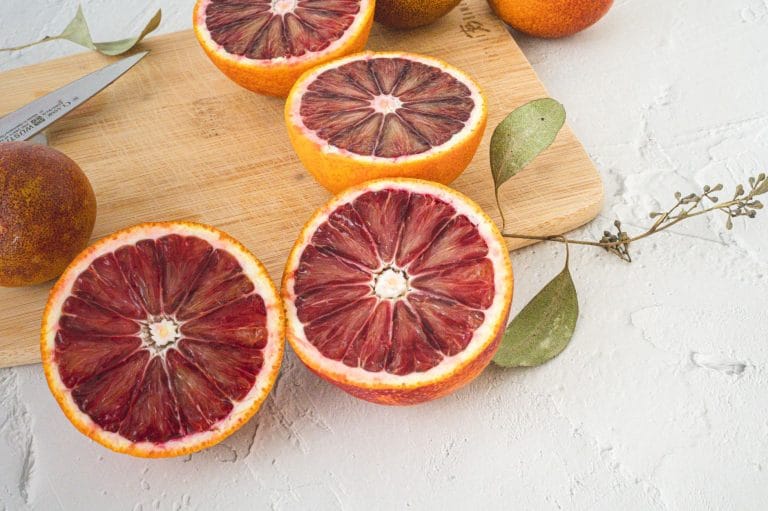
A ruby-fleshed citrus that trades some sweetness for a hit of pigment-rich antioxidants.
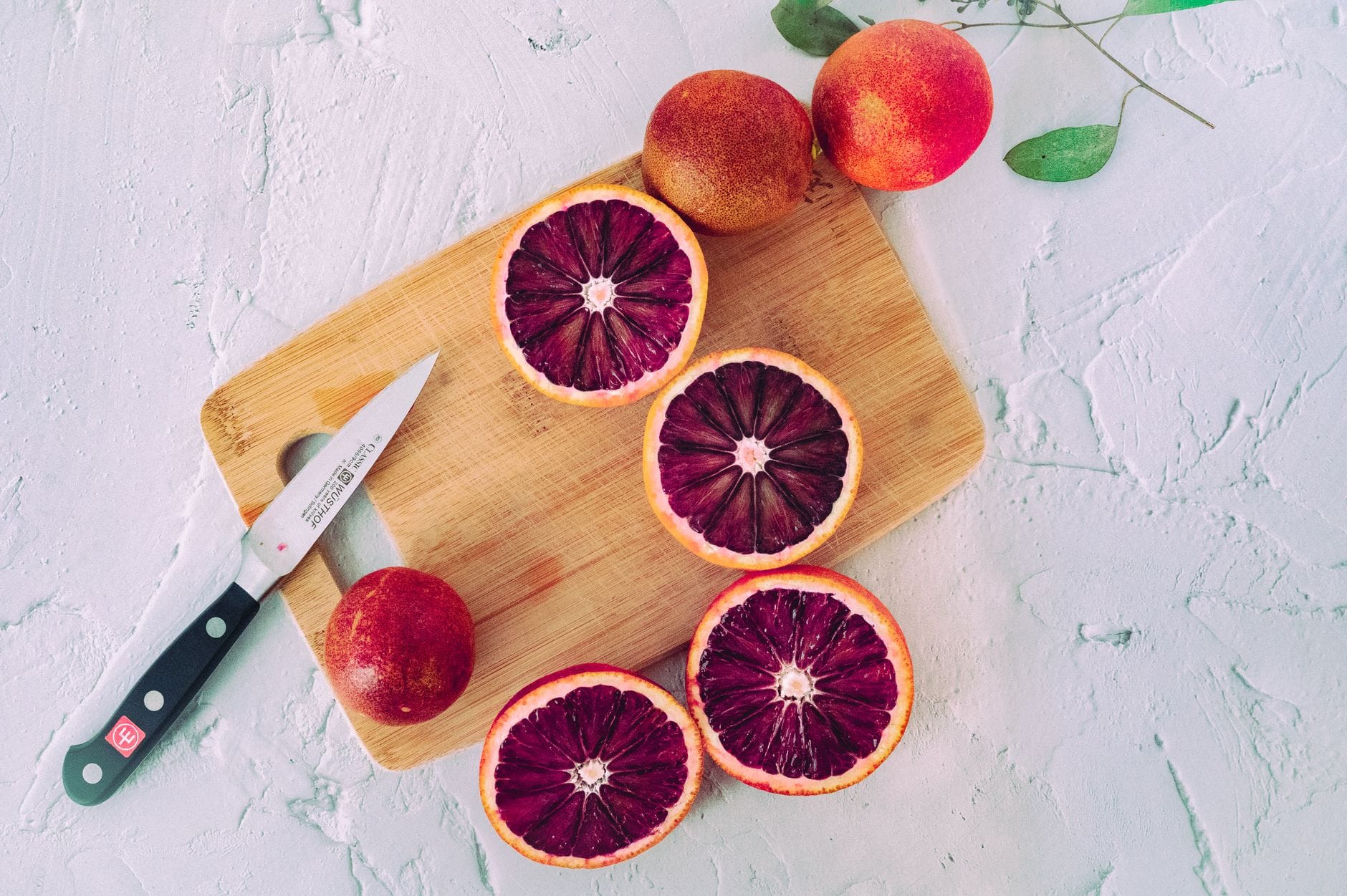
Slice one open and the color surprises you every time. Instead of the cheerful orange you expect, the flesh runs from ruby-veined to deep crimson, sometimes close to black. That striking hue comes from anthocyanin, the same family of plant pigments that gives blackberries and red cabbage their color. Beyond looks, blood oranges are low in calories and carry a solid dose of vitamin C, fiber, and potassium.
They’re a natural mutation of a pomelo-tangerine hybrid, scientifically Citrus sinensis, and they first turned up in the Southern Mediterranean back in the 18th century. They tend to be smaller than a navel orange, easy to peel, and light on seeds. Below is what the research actually supports, plus a few easy ways to work them into your week.
Key Takeaways
– Blood oranges are low in calories and rich in vitamin C, fiber, potassium, and anthocyanins.
– The red pigment (anthocyanin) doubles as an antioxidant linked to several of the fruit’s studied benefits.
– Human and animal studies point to possible perks for weight, cholesterol, immunity, and skin.
– One fruit a day is a sensible amount; a lot more can upset digestion because of the fiber.
– They work raw, juiced, in salads, baked goods, marinades, and even frozen into popsicles.
Why the Crimson Comes From More Than Good Looks
 Save
The color isn’t just for show. Anthocyanin is a polyphenol, and polyphenols behave as antioxidants in the body, meaning they help neutralize the unstable molecules that damage cells over time. Blood oranges also contain caffeic acid, ferulic acid, and chrysanthemins, all of which have been shown to have antioxidant and cell-protective activity (7).
Blood orange trees grow best in warm, temperate climates, with the classic season running roughly December through April.
Three main varieties
 Save
Moro — the most dramatic of the bunch, with flesh that can look nearly black and a bolder, slightly bitter flavor. It carries a strong aroma and is thought to have originated near Lentini in the 19th century.
Tarocco — nicknamed the “half-blood” because the red streaking is partial rather than saturated. It’s sweet, juicy, usually seedless, and tends to have the highest vitamin C of the three.
Sanguinello — discovered in Spain in 1929, with tender sweet flesh, few seeds, and a late season that can stretch into May in the Northern Hemisphere.
Less common types you might run across include Maltese, Ruby Blood, and Washington Sanguine, but Moro, Tarocco, and Sanguinello are the ones you’ll most likely find at the market.
What a Serving Delivers
A 100-gram serving is low in calories while supplying fiber, vitamin C, folate, and potassium (1). Vitamin C is the headliner here, and it’s doing a lot of the work behind the benefits below. Potassium matters too, since it plays a direct role in blood pressure regulation.
The Health Angles Researchers Have Looked At
Most of the strongest evidence comes from studies on vitamin C, citrus flavonoids, or red orange extract rather than from people eating whole blood oranges for years. Keep that in mind as you read. The signals are encouraging, but many are early.
Weight and fat storage. In one study, mice given Moro juice for 12 weeks gained less weight and stored less fat, even though the juice added sugar and calories. The animals also resisted the weight gain you’d normally expect from a high-fat diet. Researchers credited anthocyanin and other compounds with the anti-fat effect (3). The fruit’s low calorie count and fiber don’t hurt if you’re managing weight (2).
Immune support. Vitamin C helps tamp down oxidative stress and inflammation, and supplementation has been shown to raise white blood cell production and boost natural killer cell activity (4, 5). Micronutrients in citrus juice, including vitamin C and folate, have established roles in supporting immune responses (6).
Heart health. Drinking 500 ml of commercial red orange juice lowered total and LDL cholesterol in one trial (8). Separately, 500 mg of vitamin C daily for four weeks reduced LDL and triglycerides, and higher dietary vitamin C has been tied to lower stroke risk (9, 10). The potassium may help with blood pressure, a major driver of cardiovascular disease.
Blood sugar. Flavonoids are the main bioactive compounds in citrus, and research suggests they influence glucose uptake and insulin sensitivity while regulating markers tied to glycemic control (11). That makes them candidates worth studying for diabetes, though whole-fruit human data is still thin.
Skin. Red orange extract has been found to strengthen the skin’s antioxidant defenses and guard against photodamage, and vitamin C offers its own protection against UV stress (12). The fruit also supplies beta-cryptoxanthin, which the body converts to vitamin A, a nutrient linked to anti-aging effects (13).
Easy Ways to Eat Them
 Save
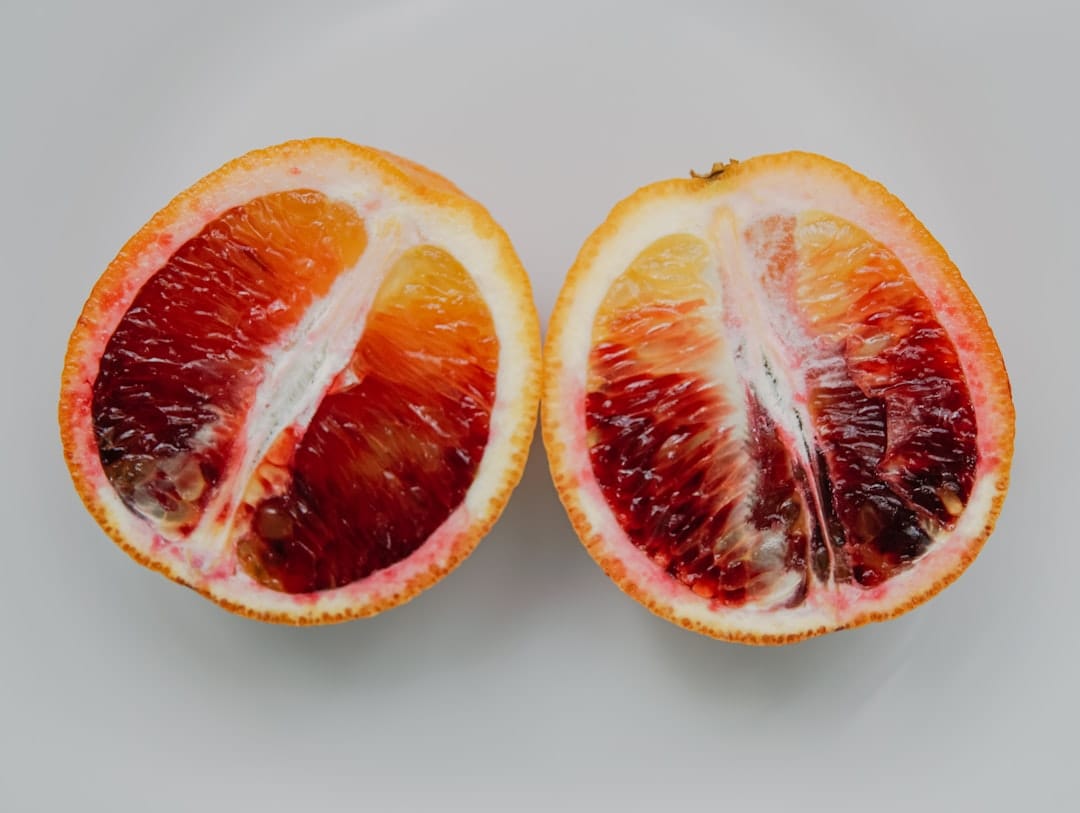
Honestly, the simplest move is to peel one and eat it as a snack. When you want variety:
Juice them fresh, or blend the segments into a smoothie.
Stir slices into yogurt or oatmeal at breakfast.
Steep a few slices in hot water for a light citrus tea.
Scatter segments over green salads or grain bowls.
Grate the zest into cakes, cookies, and muffins.
Simmer the flesh into a homemade jam.
Whisk the juice into a marinade for roasted meat or seafood.
Freeze the juice into popsicles for a hot afternoon.
A Note on Storage and Overdoing It
 Save
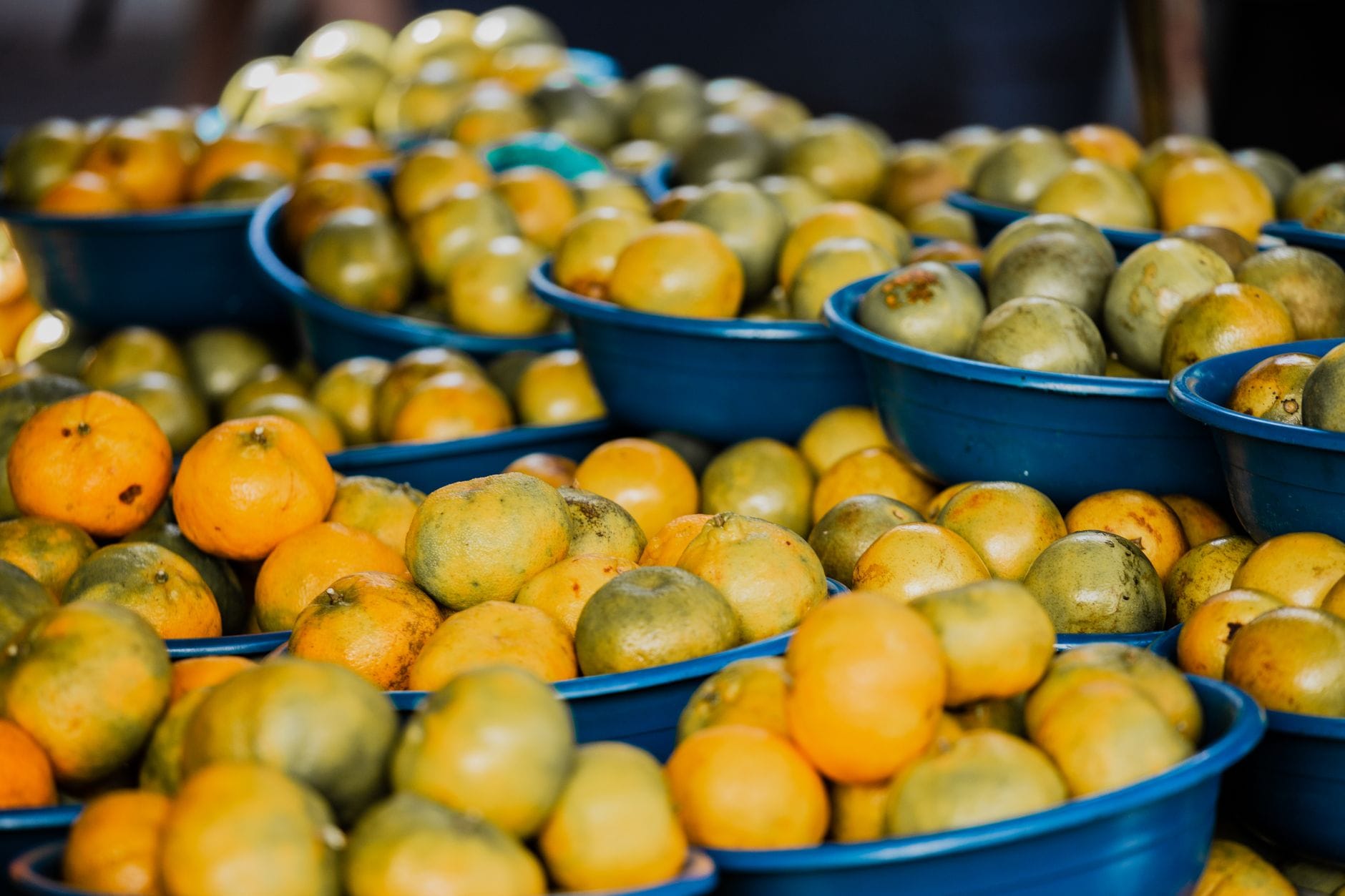
Whole blood oranges keep well at room temperature for a few days and longer in the fridge crisper drawer. Once cut, wrap the pieces and refrigerate.
As for how much, one fruit a day is a reasonable target. They’re safe for most people, including during pregnancy, but eating a large quantity at once can trigger bloating or digestive discomfort thanks to the fiber load. If you’re prone to reflux, very acidic citrus may aggravate it.
Frequently Asked Questions
Are blood oranges healthier than regular oranges?
They’re nutritionally similar, but blood oranges add anthocyanins that ordinary oranges lack. Both give you vitamin C and fiber, so it’s less about one being superior and more about the extra pigment antioxidants.
Why is the inside red?
The color comes from anthocyanin, a plant pigment concentrated in the flesh that also gives blackberries and red cabbage their color.
Can I drink blood orange juice instead of eating the fruit?
You can, and juice retains vitamin C and anthocyanins. Whole fruit keeps the fiber, though, which helps with fullness and steadier blood sugar, so the fruit is the better everyday choice.
The Bottom Line
Blood oranges give you a familiar citrus with a nutritional bonus: the anthocyanins behind that ruby flesh act as antioxidants alongside a healthy dose of vitamin C, fiber, and potassium. Research hints at benefits for weight, cholesterol, immunity, blood sugar, and skin, though much of it rests on animal models, extracts, or vitamin C rather than long-term human trials on the whole fruit. Treat them as a genuinely nutritious, pretty addition to your diet rather than a cure, keep to about one a day, and enjoy the color while it’s in season.
This article is for informational purposes only and is not a substitute for professional medical advice. Talk to your doctor or a registered dietitian before making significant changes to your diet, especially if you have a health condition or take medication.