
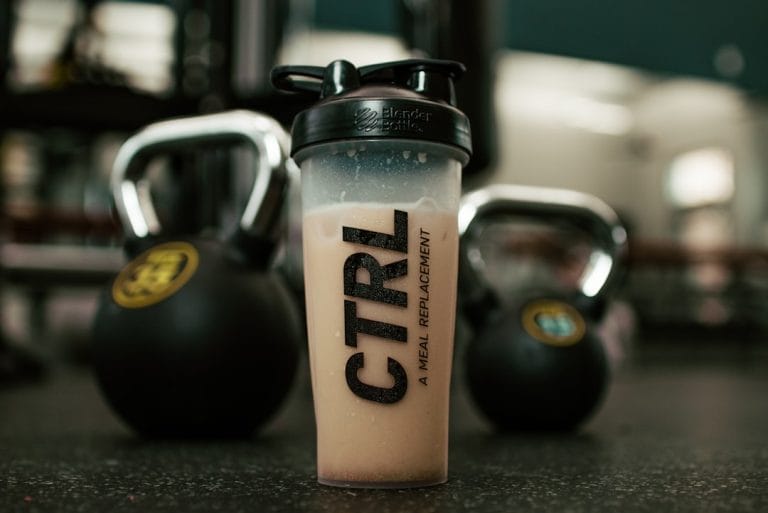
A grab-and-go shake built for steadier glucose, with a few catches worth knowing.
Living with a long-term condition often means keeping a closer eye on what you eat, and that is where a fortified meal supplement can earn its place. Glucerna, made by Abbott Nutrition, is one of the better-known options aimed squarely at people managing blood sugar. It also shows up in some weight-loss plans for people who don’t have diabetes at all.
This is a shake (and a snack bar, and a powder) designed around slow-digesting carbs. That design does real work, but the ingredient list has a couple of items that deserve a second look before you make it a daily habit.
Key Takeaways
– Glucerna uses low-glycemic carbohydrates meant to blunt sudden blood sugar spikes, which suits people with diabetes, prediabetes, or a weight-loss goal.
– Each 8-ounce shake carries roughly 10.9 g of protein and a spread of 26 vitamins and minerals.
– The products are gluten-free, lactose-intolerance-friendly, kosher, and halal.
– The catch is fructose plus artificial sweeteners, so once a day is the sensible ceiling.
What Exactly Is Glucerna?
The Glucerna line covers ready-to-drink shakes, snack bars, and mix-in powders, sold online and stocked in most pharmacies, health stores, and larger groceries. Every product is built on low-glycemic ingredients so it releases sugar slowly rather than all at once.
The shakes come in five flavors: Homemade Vanilla, Classic Butter Pecan, Creamy Strawberry, Rich Chocolate, and Chocolate Caramel. The extras shift a little from one flavor to the next, but the core nutrition stays consistent across the range.
What’s in a Single Serving
 Save
According to USDA data, one 8-ounce can of Glucerna delivers about 198 calories. Alongside that, you get:
Protein — roughly 10.9 g per bottle
Fat — 7.64 g total, of which only about 0.57 g is saturated
Fiber — 5.4 g of dietary fiber
Sodium — kept relatively low per serving
It also covers 25% or more of the daily value for calcium, magnesium, iron, folate, and vitamins A, D, and B-12. Add everything up and a single shake touches 26 vitamins and minerals.
The formula is gluten-free and gentle for people with lactose intolerance. That said, it does contain a meaningful amount of fructose (a natural fruit sugar) along with artificial sweeteners and sugar alcohol, which is exactly the part that complicates things for someone with diabetes.
Does It Help With Diabetes?
 Save
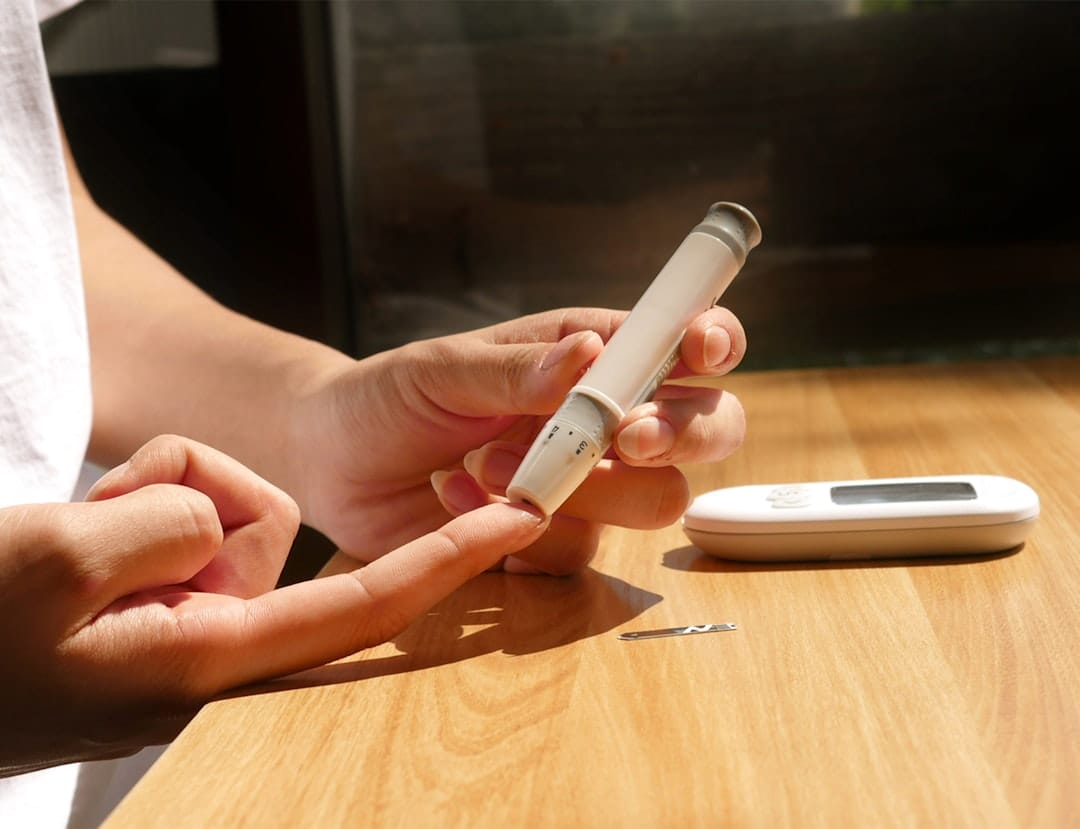
The short answer is that the design is pointed in the right direction. Glucerna’s carbs are chosen to digest slowly and resist quick conversion into blood sugar, and slow-release carbohydrate is a recognized approach in diabetes care. Keeping glucose steadier matters because sustained high blood sugar (hyperglycemia) is linked to blurred vision, kidney and nerve damage, and other complications over time.
There is a weight angle too. The shake is low in saturated fat and cholesterol, and dropping excess weight is one of the more effective levers for managing type 2 diabetes specifically. The protein helps here: at about 10.9 g per bottle, one serving covers roughly a quarter of a day’s protein and helps you feel full, which makes overeating less likely.
None of that turns a shake into a cure. Used thoughtfully, though, swapping Glucerna in for a fast-acting, high-sugar snack within a low-glycemic diet can nudge things in a better direction over the long run.
One YouTuber described reaching for a Glucerna shake after her blood sugar dipped to 65. With only about four grams of sugar and very few carbs, she said her reading climbed back to a steady 88 without overshooting. Her takeaway was that it works as a gentle way to recover from a low, not as a sugar bomb.
The Features People Notice
A few specific things explain why this shake keeps a loyal following among people with dietary limits:
It’s formulated with CARBSTEADY®, Abbott’s blend of slow-digesting, low-glycemic carbs meant to soften sugar spikes.
Each serving brings about 10.9 g of protein.
It packs 26 essential vitamins and minerals.
It’s gluten-free and fits a lactose-intolerant diet.
It’s certified kosher and halal.
It can stand in for a high-glycemic snack when your other choices are limited.
Handy as all of that is, none of it replaces knowing your own baseline nutrient needs, which vary a lot with type 2 diabetes.
Where Glucerna Falls Short
The convenience is genuine. A portable bottle beats hunting down a fresh low-glycemic snack while you’re traveling, and five flavors give you something to reach for when a sweet craving hits. But three things temper the enthusiasm.
Fructose sits high on the label
 Save
Fructose is the third ingredient listed on the shakes. Regular fructose intake has been associated with poorer blood sugar regulation and a higher risk of type 2 diabetes, which is an odd tension in a product built for glucose control.
The sweeteners aren’t neutral
Glucerna leans on artificial sweeteners and sugar alcohols such as sucralose and acesulfame potassium. One study found that consuming these three times a day altered the glucose response even in people without diabetes, so they aren’t as inert as they might seem.
It’s easy to lean on too hard
The real hazard is habit. Because a bottle is so simple to grab, it can quietly crowd out whole meals. Keeping it to once a day, and building the rest of your plate from wholesome foods, is the guardrail that keeps convenience from turning into over-reliance.
How to Prepare and Use It
 Save
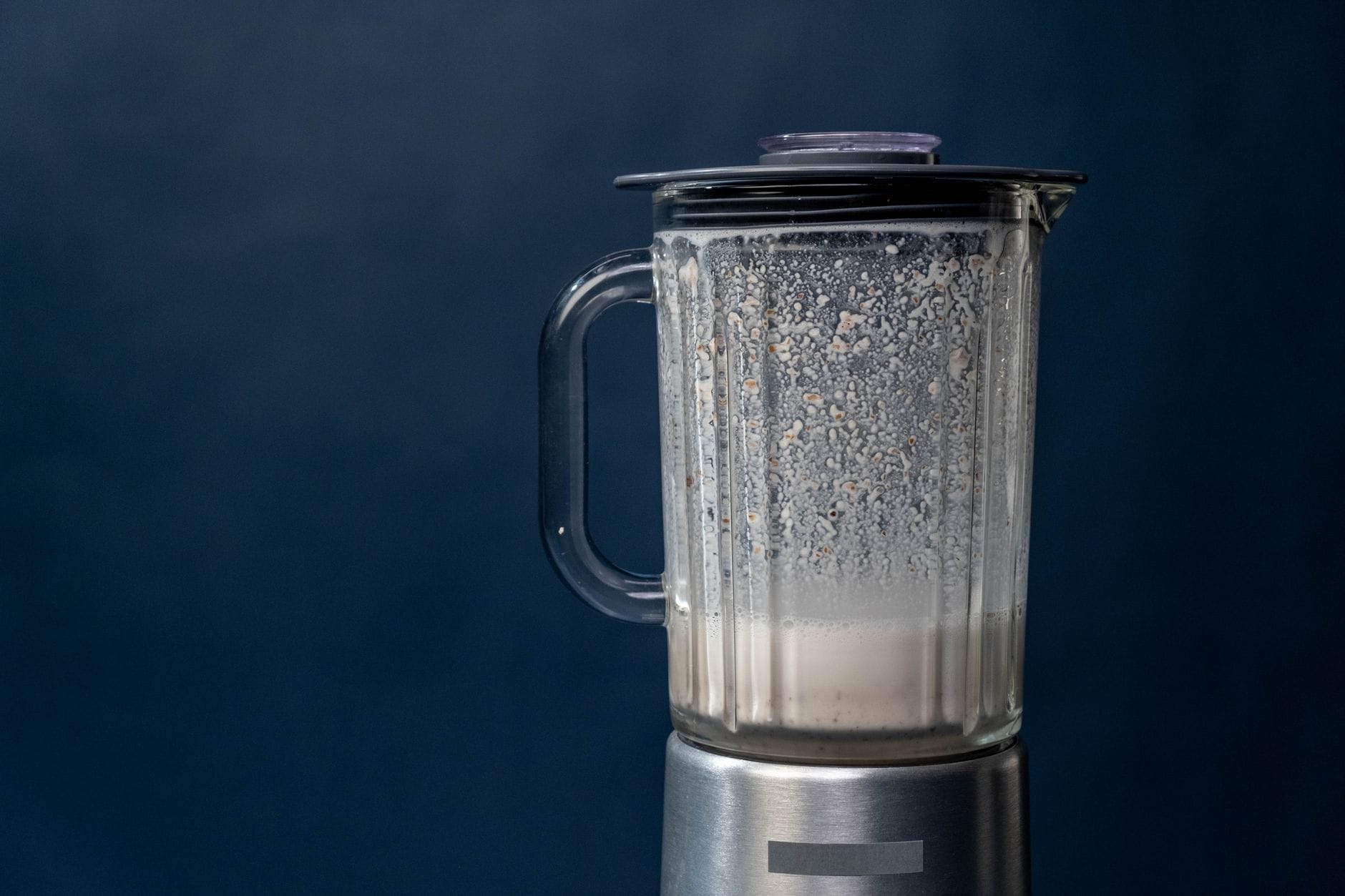
The ready-to-drink bottles need nothing more than a shake and a chill; serve them cold. The powder mixes into water or milk, and a blender gives you a smoother, more milkshake-like result if you want one. Whatever the format, treat it as a single meal or snack slot in your day rather than a stand-in for every meal, and pair it with real food across the rest of your plate.
Frequently Asked Questions
Can people without diabetes drink Glucerna?
Yes. Because it’s protein-rich, filling, and low-glycemic, it also turns up in weight-loss plans for people who don’t have diabetes. The same once-a-day guidance applies.
How often should I have it?
Once per day is the practical limit. It’s meant to fill a gap, not replace your meals, and daily overuse invites too much fructose and sweetener.
Will it raise my uric acid?
It can. The fructose and artificial sweeteners have been linked to higher uric acid levels, which over time may play into kidney issues, heart disease, and high blood pressure, so moderation matters.
The Bottom Line
Glucerna does what it sets out to do: it offers a portable, protein-forward, low-glycemic option that can steady blood sugar and support a weight goal. The vitamins, the fiber, and the CARBSTEADY carbs are all real advantages. Just read it for what it is, a supplement with a fructose-and-sweetener footnote, and keep it to one serving a day inside an otherwise whole-food diet. Your care team can tell you whether it fits your particular numbers.
This article is for general information only and is not a substitute for professional medical advice. Talk with your doctor or a registered dietitian before adding Glucerna or any meal supplement to a diabetes or weight-management plan.