
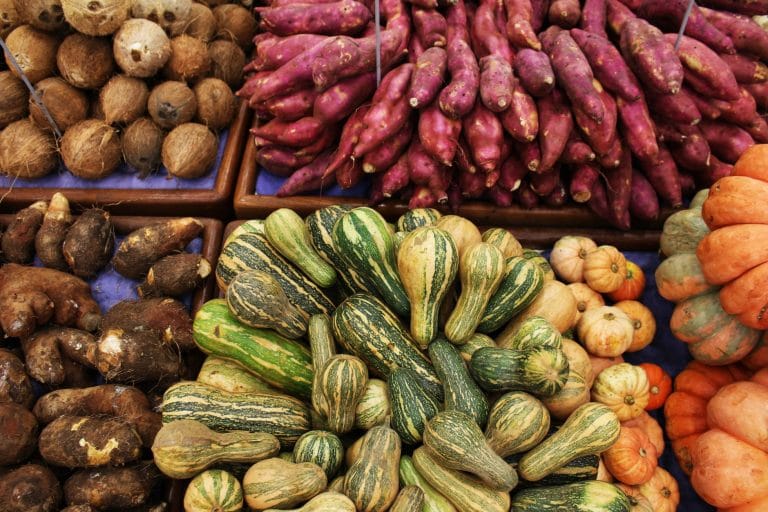
A knobby little tuber that looks like ginger, cooks like a potato, and quietly feeds your gut bacteria.
Picture a root that could pass for a chunk of ginger at the market, then tastes faintly of potato once it hits the pan. That is a sunchoke, sometimes labeled Jerusalem artichoke even though it has nothing to do with Jerusalem or artichokes. These lumpy tubers have been picking up fans lately, partly because they are easy to cook, partly because they are low in calories and generous with fiber, and partly because of a sweet, nutty flavor that plays well with almost anything.
Sunchokes are native to central North America and grow underground on a plant in the sunflower family. The tuber itself has thin, papery skin wrapped around a creamy white interior. Their season runs from late fall through early spring, and you can eat them raw or roasted with equally good results.
Key Takeaways
– Sunchokes are knobby tubers from the sunflower family, native to North America, with a taste and texture close to potatoes.
– They deliver iron, potassium, calcium, magnesium, and a large dose of indigestible fiber while staying low in calories.
– Their inulin content acts as a prebiotic, feeding beneficial gut bacteria.
– Research links sunchoke inulin to steadier blood sugar and lower cholesterol, though much of the cholesterol work so far is in animals.
– They store well raw for several weeks but do not freeze or can well.
What Do Sunchokes Taste Like?
 Save
Looks aside, sunchokes are their own thing. The flavor lands somewhere between water chestnut, jicama, and hazelnut, mildly sweet with a real nutty depth. Bite into one raw and you get a crisp, clean crunch. Boil or roast it and the flesh turns soft and creamy.
One farming vlogger, Angela, taste-tested them with her two daughters and described the cooked texture as closer to a carrot, with a “potato-y” flavor that is less starchy and flaky than an actual potato. That is a fair way to think about them: a gentle, adaptable base that soaks up whatever seasoning you bring to it.
A Look at the Nutrition
For something so low in calories, sunchokes carry a surprisingly full nutrient list. According to USDA data, a one-cup (150-gram) serving of sliced sunchokes supplies iron, potassium, calcium, and magnesium, along with a hefty amount of fiber that your body cannot digest.
That indigestible fiber is the headline. It is what makes sunchokes a satisfying stand-in for potatoes and other starchy roots without the same starch load. They also bring antioxidants to the table, which is one more reason they slide easily into snacks and appetizers.
Health Benefits Worth Knowing
Most of what makes sunchokes interesting nutritionally traces back to one compound: inulin. It is a polysaccharide, a type of carbohydrate, and it behaves very differently from sugar once it reaches your gut.
They feed your gut bacteria
 Save
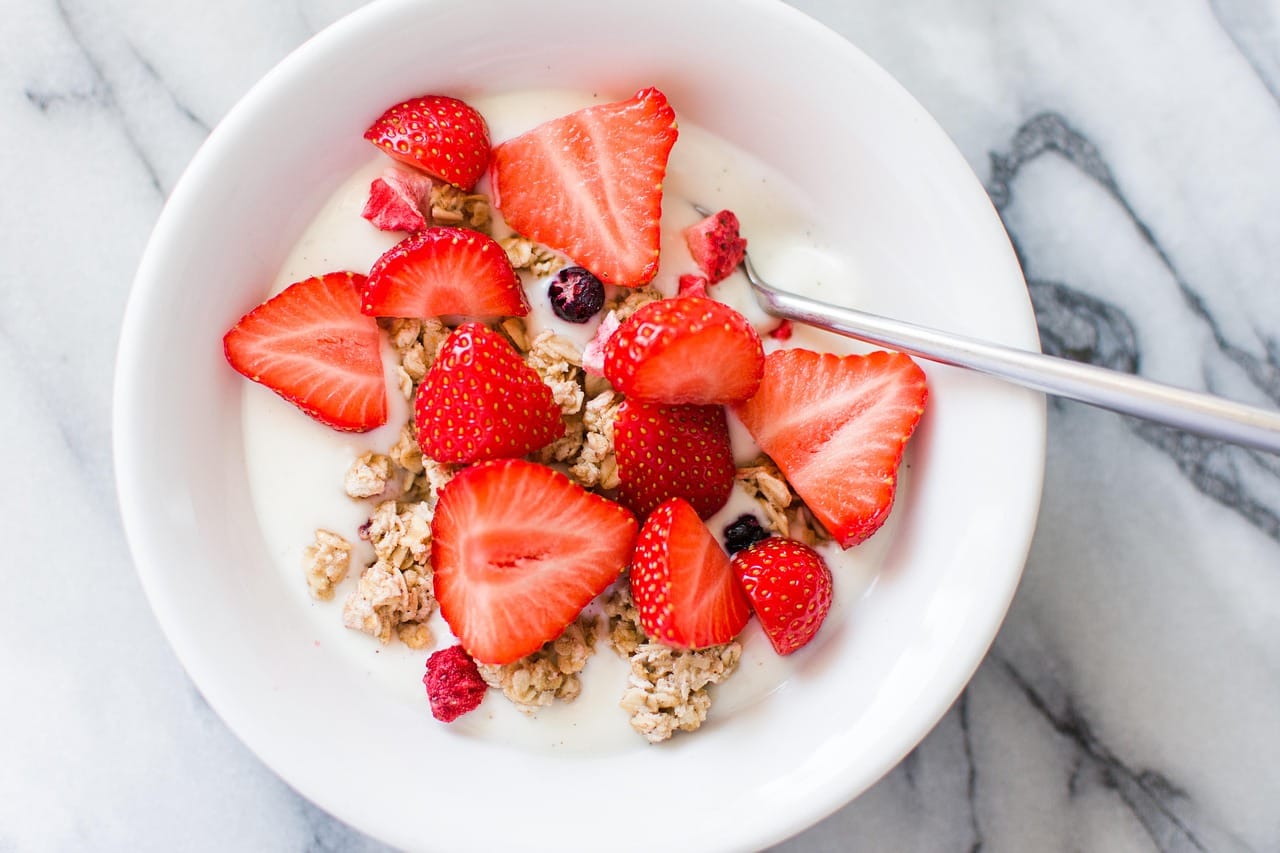
Inulin is a prebiotic. Instead of being absorbed in the intestine the way simple sugars are, it passes through and gets fermented further down, where it fuels the growth of helpful bacteria like Bifidobacterium. That fermentation is tied to lower inflammation and a friendlier gut environment overall, which in turn supports metabolism and immune function.
They may help with blood sugar
Because inulin does not convert into simple sugars, it does not send blood glucose spiking the way a regular potato might. Sunchokes have a low glycemic index, meaning they affect blood sugar slowly and gently. Swap them in for potatoes and you keep the mild sweetness while dropping much of the starch, which makes them a thoughtful choice for people managing diabetes or trying to lower their risk of it. Some research even points to a possible protective effect against fatty liver.
They may support healthier cholesterol
The same inulin may nudge cholesterol in the right direction. In animal studies, feeding sunchoke inulin to hyperglycemic rats improved their triglyceride, total cholesterol, and LDL numbers. This part is less settled for humans, since the evidence so far comes from rodents, but it is a promising lead.
A few extras
Sunchoke flour can stand in for wheat, which makes it useful in gluten-free baking for anyone avoiding grains. And the plant’s leaves have a long folk-medicine history, used for fractures, wounds, swelling, and pain. One rat study found that a sunchoke sorbet improved calcium content and bone strength in the femur, hinting at a role in protecting bone. Human proof is still thin here, so treat these as bonuses rather than reasons to eat them.
How to Select and Store Sunchokes
 Save
You can find sunchokes year-round, but they peak in fall and spring, and their skin ranges from light brown to a reddish or purplish tint.
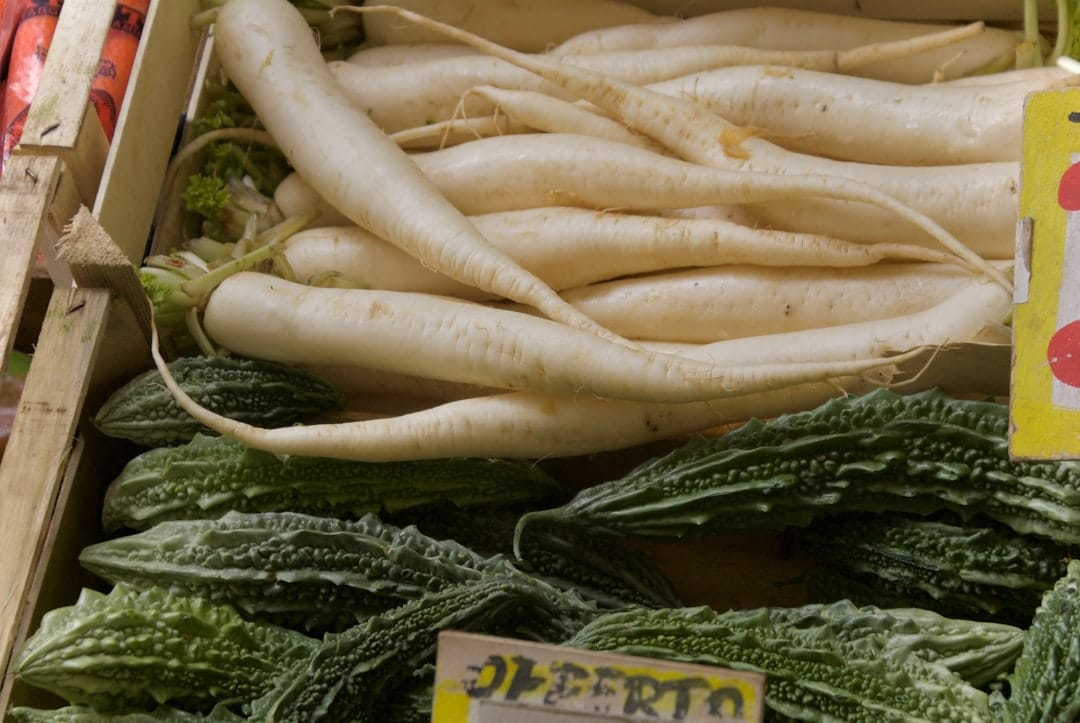
When picking them, go for firm, smooth-skinned tubers with no soft spots or blemishes. Skip anything wrinkled, sprouting, or blotched with green. Larger, less knobby specimens are the easiest to work with, especially for roasting, since they slice into more even pieces.
Storage is straightforward if you treat them like other root vegetables. Keep them somewhere cool, dry, and well-ventilated, out of direct sun. Wrapped in paper towels or sealed in a bag in the crisper drawer, raw sunchokes hold for at least three to four weeks. Their thin skin bruises easily and molds fast once wet, so hold off on washing until you are ready to cook. Once washed and sliced, they keep in a sealed container in the fridge for a couple of weeks; cooked, they are best eaten within two days. Freezing and canning both tend to wreck their color, taste, and texture, so those are worth avoiding.
How to Cook Sunchokes
 Save
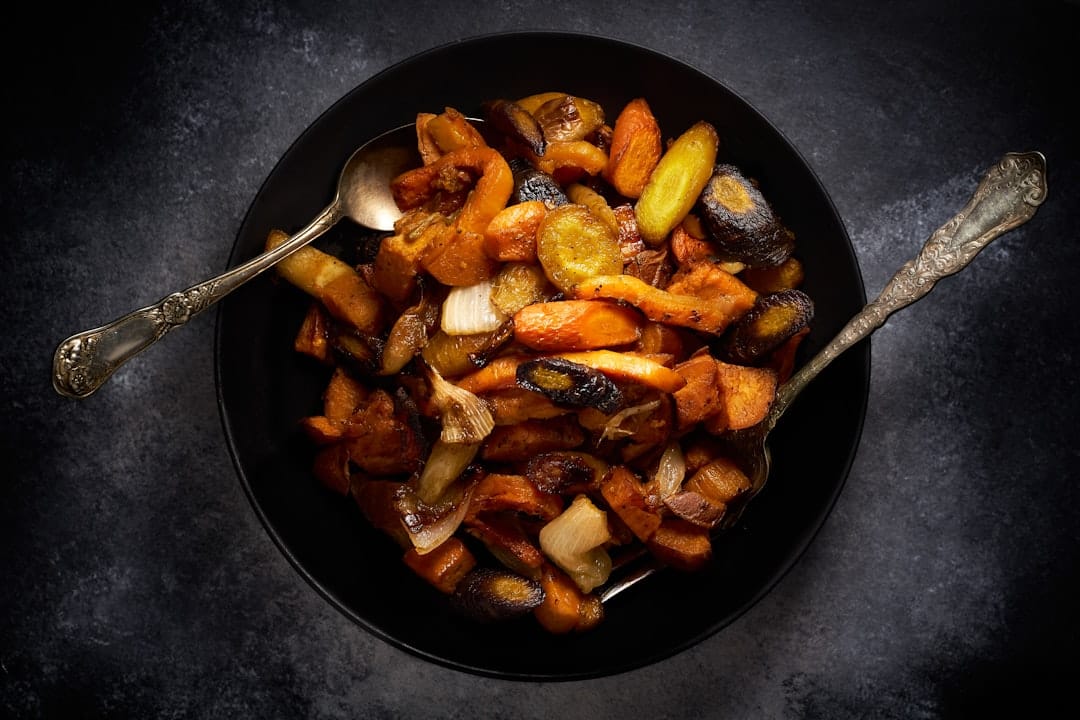
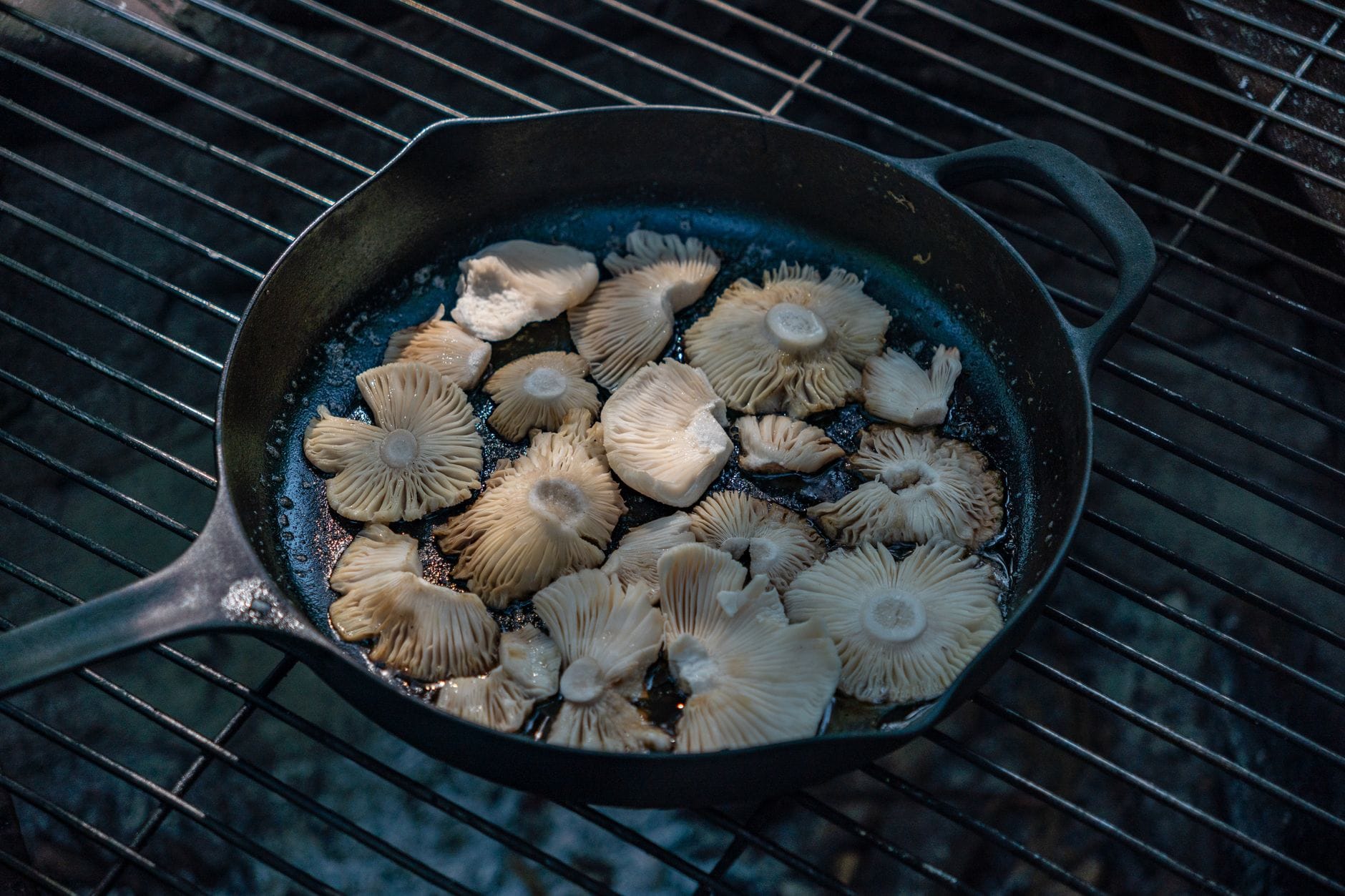
The best news about sunchokes is how little they ask of you. Eat them raw, sliced thin into a salad for crunch. Boil them and mash them like potatoes. Roast them whole or in chunks until the edges caramelize and the insides go silky. Because their flavor is mild and a touch sweet, they take well to garlic, olive oil, herbs, or a squeeze of lemon, and they make a natural base for soups and purées.
Frequently Asked Questions
Are sunchokes safe for everyone to eat?
Most people can enjoy them regularly in moderate amounts. The main exception is anyone sensitive to inulin, which sunchokes contain in large quantities.
Why do sunchokes sometimes cause gas?
That same inulin ferments in the gut, and for some people the fermentation produces bloating, gas, or stomach discomfort. If you notice this, cut back on your portion or skip them.
Can I eat sunchokes raw?
Yes. Raw sunchokes have a crisp, water-chestnut-like crunch and a nutty flavor that works well sliced into salads or served with dips.
The Bottom Line
Sunchokes reward a little curiosity. They are low in calories, rich in gut-friendly inulin fiber, and packed with minerals like iron, potassium, and magnesium, all wrapped in a nutty flavor that stands in for potatoes without the starch. The evidence for steadier blood sugar and better cholesterol is encouraging, even if some of it still rests on animal studies. Start with a small serving to see how your digestion handles the inulin, then roast, mash, or shave them raw into whatever you are already making.
This article is for informational purposes only and is not a substitute for professional medical advice. Talk with your doctor or a registered dietitian before making significant changes to your diet, especially if you manage diabetes or a digestive condition.