
A sweet tropical fruit with a starburst center and a surprisingly full nutrient résumé.
Cut a star apple crosswise and you’ll see where the name comes from: the seeds fan out into a tidy little star at the center of vibrant purple flesh. This is not the crunchy red apple most of us grew up with. It’s soft, honey-sweet, and grown in warm climates, and it carries a mix of fiber, vitamin C, and plant compounds that has caught the attention of researchers.
Botanically it’s Chrysophyllum cainito, and it goes by cainito or caimito in many places. Native to the Caribbean, it has spread through Central America and parts of South Asia, and in the United States it grows on farms in Florida, South Texas, and Hawaii, where the climate mimics its tropical home. You’ll find it in two main varieties, green and purple.
Key Takeaways
– Star apple is a tropical fruit with a purple, star-shaped core and soft, sweet flesh.
– It’s a good source of dietary fiber, vitamin C, and polyphenol antioxidants.
– Early research links it to steadier blood sugar, better gut health, and heart support.
– The leaves have their own traditional uses, including glucose-lowering and wound care.
– People with a latex allergy, kidney issues, or certain neurological conditions should be cautious.
What Exactly Is Star Apple?
Star apple grows on a fast-maturing tree that can bear fruit within just a few years, quick by fruit-tree standards. The trees are frost-sensitive and struggle below about 35°F, which is why they stick to subtropical and tropical zones.
The appeal starts with the taste. Chef Jessica Randhawa describes it as intensely sweet, “like a ripe persimmon crossed with a very ripe grape.” Behind that sweetness sits a respectable nutritional profile: it’s a fruit prized for fiber, which is good news for both heart and gut, along with vitamin C that supports immunity and helps guard against anemia.
What the Fruit May Do for Your Health
Most of the research here is early, some of it from animal or lab studies, so read these as promising signals rather than settled facts.
Antioxidant support
Star apple is rich in polyphenols such as catechin, epicatechin, and quercetin, plus vitamin C. These compounds help neutralize free radicals and tamp down inflammation, which is one of the ways antioxidant-heavy foods are thought to lower the risk of chronic disease over time.
Steadier blood sugar
The fruit contains a spread of bioactive compounds, including flavonoids, alkaloids, triterpenoids, and steroids. Some of these appear to slow the glucosidase enzyme, which breaks carbohydrates down into glucose. By curbing that process, star apple may help blunt the blood sugar spike that follows a carb-heavy meal.
Heart and blood pressure
 Save
Traditional herbal medicine has long used star apple for high blood pressure. The alkaloids, tannins, and flavonoids in the fruit seem to inhibit ACE, an enzyme that tightens blood vessels and pushes pressure up. That’s the same target many prescription blood-pressure drugs aim for. Star apple also supplies cardiac glycosides, plant compounds used in folk medicine as heart tonics, which may help the body shed excess sodium and water.
A friendlier gut
Lab work suggests star apple is active against several microbes tied to food poisoning, including Staphylococcus, Salmonella, Candida, and Penicillium species. That antimicrobial edge, paired with the fruit’s fiber, is why it’s often mentioned in the context of digestive health and fewer intestinal infections.
Inflammation, ulcers, and beyond
A few smaller findings round out the picture. The fruit contains lupeol acetate, a compound shown to reduce cell inflammation in rats. Star apple juice and flour showed gastroprotective effects in another rat study, hinting at a role in preventing stomach ulcers. And in a lab setting, polyphenols from the fruit slowed the growth of osteosarcoma (a bone cancer) cells, though that’s very preliminary and nowhere near a treatment.
There’s also a case for skin and bones. The antioxidants that fight free radicals help protect skin from sun damage and wrinkles, while vitamin C aids calcium absorption and collagen formation, both of which matter for keeping bones and teeth strong.
Don’t Overlook the Leaves
 Save
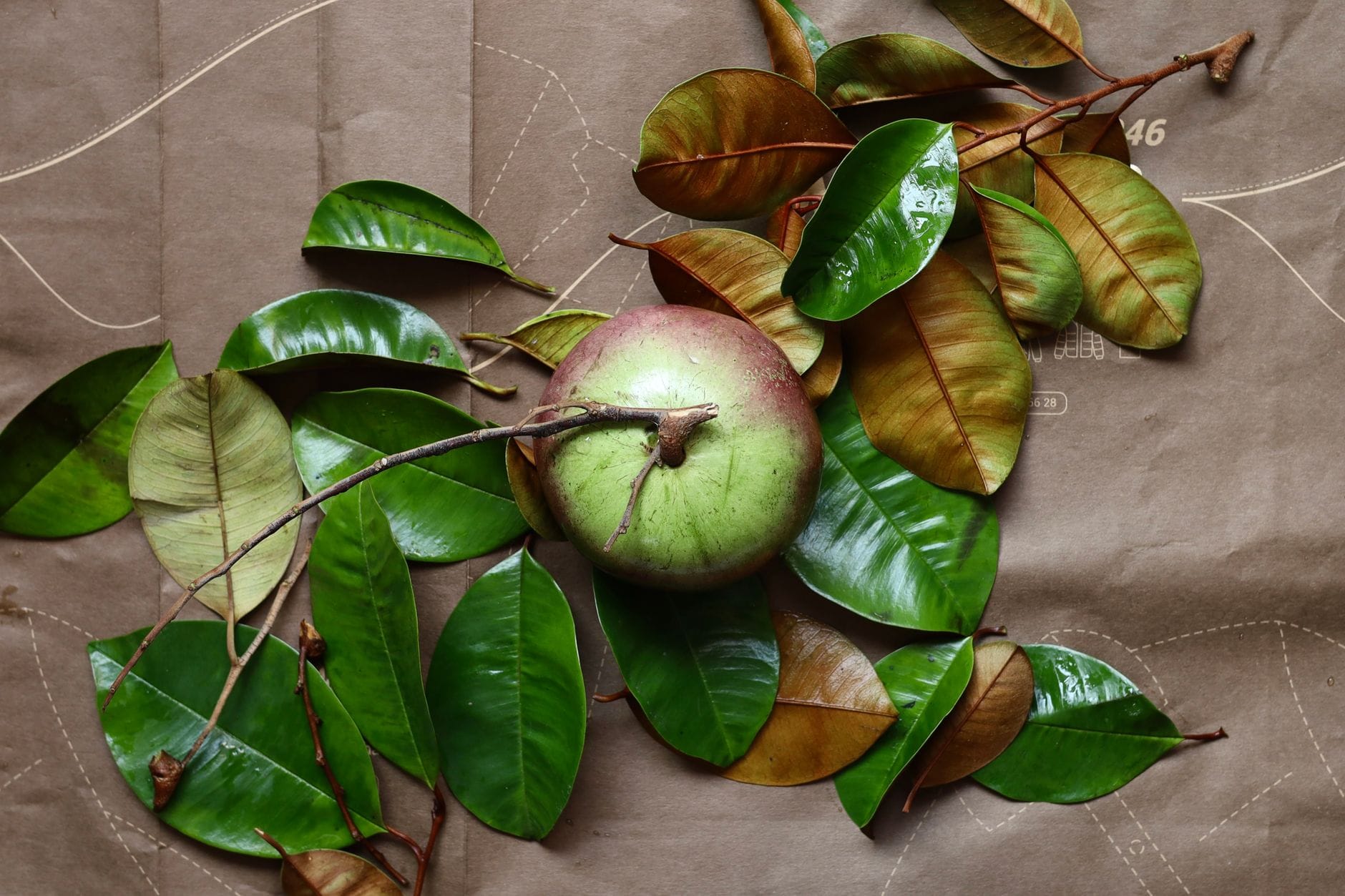
The fruit gets most of the attention, but the leaves have their own story. Research points to glucose-lowering effects that could benefit people managing diabetes, likely thanks to active compounds like alkaloids that influence certain endocrine functions. The leaves are also rich in an ethanolic extract that, applied topically, may shorten wound recovery time. Anecdotally, people have used them for stomach discomfort, diarrhea, abdominal pain, and skin irritations, though those uses lean on tradition more than trials.
How to Eat Store and Enjoy Star Apple
 Save
The simplest way to eat one is raw. Slice around the middle and twist the halves apart, the way you’d open an avocado, then scoop out the soft flesh and eat around the seeds. A ripe star apple should give slightly under gentle pressure.
Star Apple Smoothie
 Save
Star apple’s mellow sweetness folds beautifully into blended treats and no-churn desserts. For a rich frozen version, mash a cup of deseeded star apple with a quarter cup of banana, then whip it together with heavy cream, condensed milk, a splash of vanilla, freshly grated nutmeg, and a pinch of salt before freezing. It reads more like ice cream than a health food, so treat it as an occasional indulgence.
A few storage notes: star apples are delicate and bruise easily, so handle them gently and eat them soon after they ripen. Keep unripe fruit at room temperature until it softens, then move it to the fridge to buy a little extra time.
Who Should Be Careful
Star apple is safe for most people in moderation, but a few groups should think twice. Anyone with a latex allergy may react to the fruit, since it can trigger bodily responses. And because of its concentrated plant compounds, people with kidney problems or certain neurological disorders should check with a clinician before making it a regular part of their diet.
Frequently Asked Questions
Can you eat star apple seeds?
No. Eat the soft flesh and leave the seeds behind, the same way you would with the pit of a stone fruit.
What does a star apple taste like?
Very sweet and mild, often compared to a cross between a ripe persimmon and an overripe grape. The flesh is soft and slightly jelly-like near the center.
Is star apple good for people with diabetes?
It may help. Compounds in both the fruit and the leaves appear to slow the enzyme that converts carbs into glucose, which could support steadier blood sugar. Still, talk to your doctor before relying on it, especially if you take medication.
The Bottom Line
Star apple is an easy fruit to like: sweet, soft, and packed with fiber, vitamin C, and polyphenol antioxidants. The early evidence connects it to healthier blood sugar, a calmer gut, and better heart and skin support, and even the leaves show promise for glucose control and wound healing. Much of the research is still preliminary, so enjoy star apple as a nutritious addition to a varied diet rather than a cure for anything. If you have a latex allergy, kidney trouble, or a neurological condition, get a professional’s okay first.
This article is for informational purposes only and is not a substitute for professional medical advice. Consult a qualified healthcare provider before making changes to your diet, especially if you have an existing health condition or take medication.