
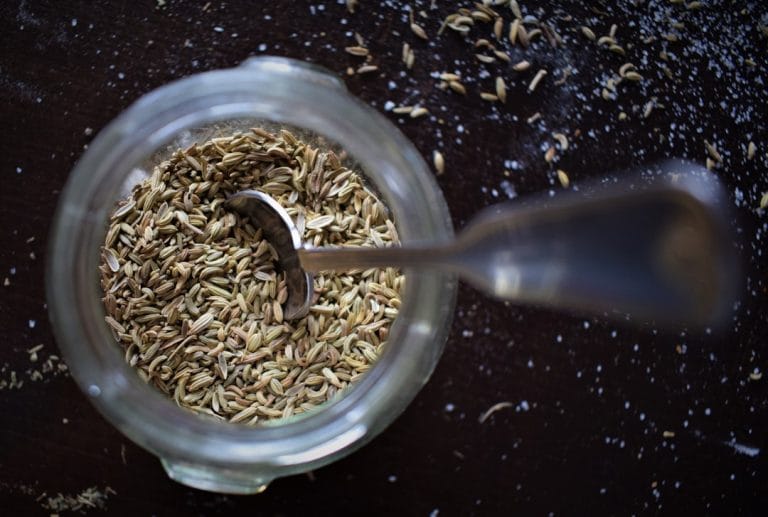
A humble kitchen seed with a surprisingly deep résumé in the research literature.
If you cook Indian, Mexican, Middle Eastern, or North African food, you already keep cumin—jeera—within arm’s reach. This warm, earthy little seed does more than perfume a tempering pan, though. Traditional healers have leaned on it for centuries to settle the stomach, calm inflammation, and support immunity, and modern studies are beginning to explain why.
Below, we walk through what cumin actually is, the five benefits that have real evidence behind them, and the cautions worth keeping in mind before you start dosing yourself with jeera water twice a day.
Key Takeaways
– Cumin is a natural digestive aid that helps ease gas, bloating, and abdominal spasms.
– Its flavonoids and essential oils give it antioxidant and anti-inflammatory activity.
– Small daily amounts may support weight loss, healthier cholesterol, and better blood sugar control.
– It is safe for most people in culinary quantities, but it can interact with several classes of medication.
– You can enjoy it as whole seeds, powder, jeera water, or cumin tea.
Meet Cumin: A Closer Look at the Seed
 Save
SaveCumin comes from Cuminum cyminum, a member of the Apiaceae (carrot and parsley) family. It ranks among the earliest crops ever cultivated across Asia, Europe, and Africa, and today it flavors kitchens from Russia and Iran to Indonesia, the Mediterranean, and North America.
You will run into a few varieties:
Brown cumin — the larger, fatter seeds most of us think of as “jeera,” with a warm, peppery, earthy taste. Great with grains, legumes, and root vegetables.
White cumin — light brown in color, warm and earthy with a bitter edge; a staple in many Indian curries and stews.
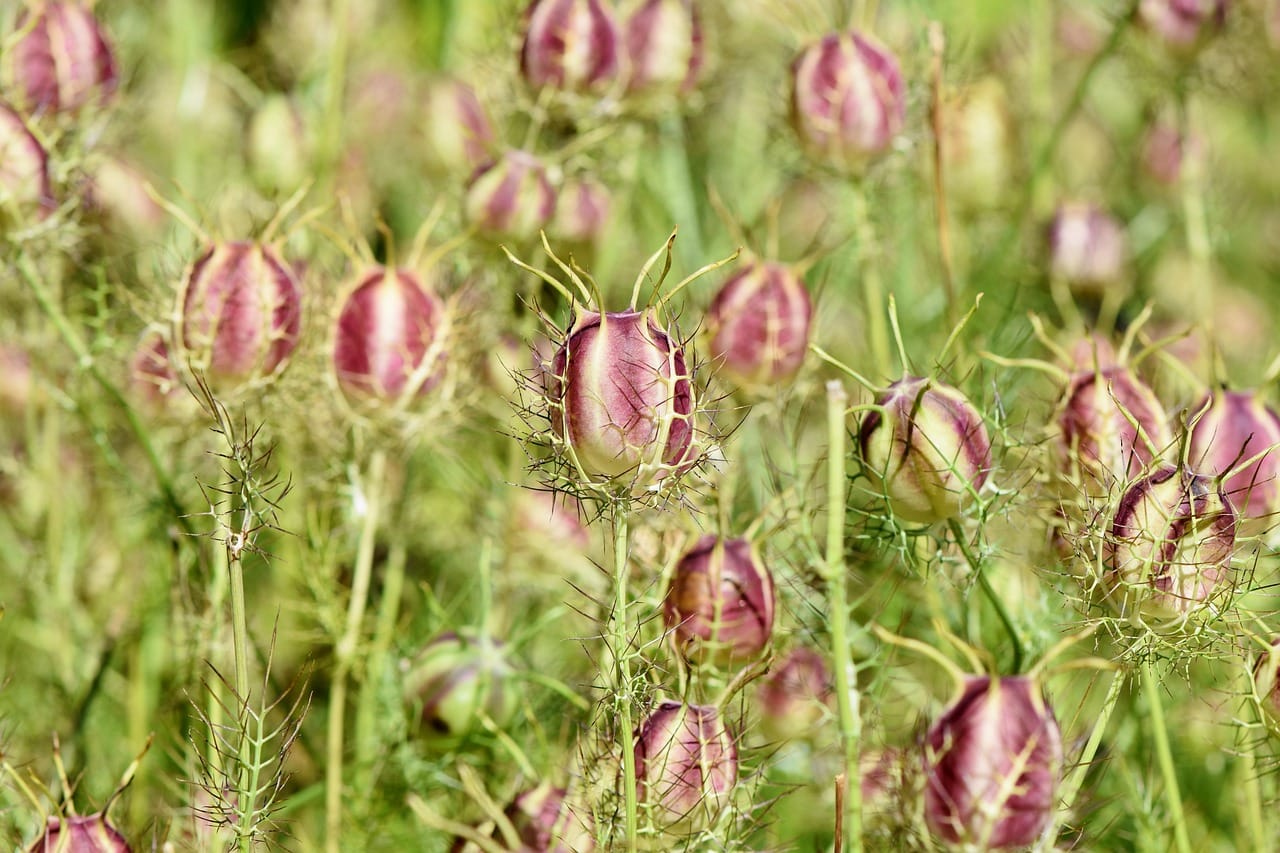
Black cumin — thin, small, and charcoal-dark. Often called kalonji or Nigella sativa, it tastes sweet and citrusy with hints of bitterness, oregano, and onion. Fennel is sometimes swapped in for it.
Chemically, cumin is loaded with essential oils, oleoresins, tannins, and sesquiterpenes. Traditional systems have long treated it as a carminative (gas-reliever), stimulant, antiseptic, and blood-pressure-friendly agent—used for digestive, lung, and liver complaints alike.
What Are the Benefits of Cumin Seeds?
Here are the five uses with the strongest scientific footing.
1. Aid Digestion
 Save
SaveCumin’s best-documented job is soothing the gut. It’s a classic carminative, which is why folk remedies pair it with ginger, fennel, anise, thyme, and celery seed to relieve flatulence and bloating.
Part of the mechanism is bile: cumin appears to stimulate the liver to release bile rich in bile acids, which help you break down and absorb fats more efficiently. Its anti-inflammatory and mild pain-relieving effects may also ease the abdominal pain and spasms of irritable bowel syndrome (IBS). Research even suggests cumin can reduce post-Cesarean digestive troubles in new mothers—cutting down colicky pain, heartburn, and delayed gas passage.
2. Support Weight Loss
Carrying excess weight raises the risk of heart disease, diabetes, and osteoarthritis, so it’s no surprise people look for gentle helpers alongside diet and exercise. Cumin is a traditional weight-loss remedy, and small clinical trials give the idea some backing.
In one study, a cumin-and-lime combination taken for eight weeks lowered both BMI and total cholesterol. In another, obese women who ate about 3 grams of cumin powder a day with yogurt after meals for three months trimmed their waist circumference, reduced fat mass, and even nudged up their beneficial HDL cholesterol.
This is also why jeera water has such a devoted following. One skincare and makeup blogger, Simli, credits her slim-down to sipping a cumin-based drink each morning and evening, noting she barely has time to work out. Anecdotes aren’t proof—but they line up with what the small trials show.
3. Fight Inflammation
Cumin seeds contain roughly 3–4% essential oil, and that oil is an antioxidant, anti-allergic, and anti-inflammatory agent thanks to its active phytochemicals.
In lab research, cumin seed oil dampens inflammatory messengers such as interleukins (IL-1 and IL-6), tumor necrosis factor (TNF-α), and nitric oxide, and it curbs the activation of immune cells that drive inflammation. That’s why cumin frequently appears in anti-inflammatory diet plans alongside turmeric, ginger, rosemary, and clove.
4. Help Control Cholesterol
The dried seeds are rich in antioxidant flavonoids that block lipid peroxidation—the process that creates oxidized LDL (ox-LDL). Because ox-LDL buildup feeds the plaque behind atherosclerosis and coronary heart disease, keeping those levels down matters.
Cumin’s cuminaldehyde and flavonoids, working with its manganese and zinc, switch on your body’s own antioxidant enzymes like superoxide dismutase and catalase. These enzymes mop up the free radicals that trigger lipid peroxidation, extending protection toward the heart and against diabetes.
5. Help Manage Diabetes
 Save
SaveCumin’s flavonoids lower blood glucose, and their antioxidant, free-radical-scavenging effect appears stronger in diabetic subjects than in healthy controls in animal studies. In people with type 2 diabetes, cumin extracts have been linked to lower fasting blood sugar, reduced serum insulin, and a drop in glycosylated hemoglobin—a key long-term marker of the disease.
For context on how common this condition is: the National Institute of Diabetes and Digestive and Kidney Diseases reported that about 37.3 million Americans (roughly 11.3%) had diabetes in 2019, including 283,000 young people under age 20. Interestingly, green cumin showed stronger antidiabetic activity than the black variety.
How to Use Cumin
 Save
SaveThe easiest approach is simply cooking with it—toss whole or powdered seeds into soups, stews, curries, dals, and roasted vegetables. For something more targeted, try jeera water: soak a teaspoon of seeds in water overnight (or simmer briefly), strain, and drink in the morning. The same infusion, warmed a little longer, doubles as a simple cumin tea.
Frequently Asked Questions
How much cumin is safe per day?
Culinary amounts are fine for most people. Studies used doses around 3 grams of powder a day; there’s no need to exceed everyday cooking quantities to see benefits.
Can I drink jeera water every day?
Yes—for most healthy adults, a daily glass is well tolerated. If you’re on medication or pregnant, check with your doctor first.
Are black and brown cumin the same thing?
No. Brown (and white) cumin come from Cuminum cyminum, while black cumin is often Nigella sativa (kalonji), a botanically different seed with its own flavor and properties.
The Bottom Line
Cumin earns its place as more than a flavor booster. The evidence—strongest for digestion, with promising support for weight, cholesterol, inflammation, and blood sugar—suggests this everyday spice offers small, real perks when you use it regularly. Keep portions sensible, favor whole foods over concentrated supplements, and be mindful of one caveat: cumin can interact with several major drug classes and, rarely, provoke allergic reactions. When in doubt, loop in your healthcare provider.
This article is for informational purposes only and is not a substitute for professional medical advice, diagnosis, or treatment. Always consult a qualified healthcare provider before making changes to your diet, especially if you are pregnant, nursing, managing a health condition, or taking medication.