
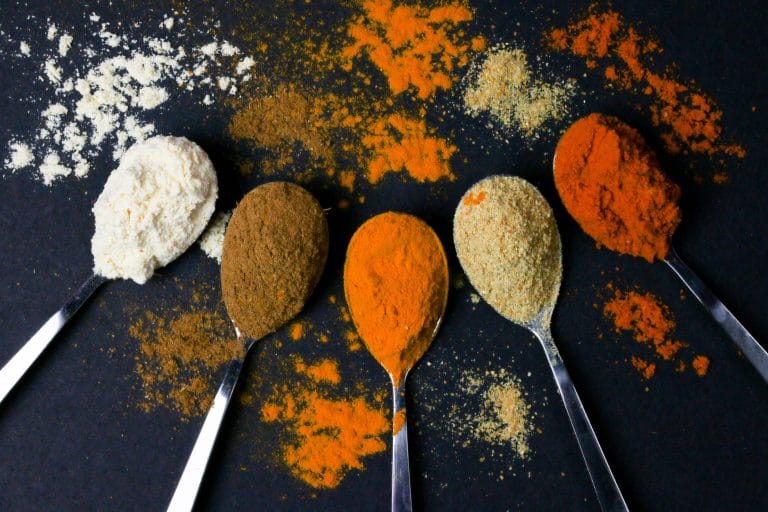
Pungent in the jar but mellow in the pan, this golden spice has been a digestive remedy and kitchen staple for centuries.
Open a tin of asafoetida — known as hing in India — and the sharp, sulfurous smell can be startling. But cook a pinch in hot oil and it transforms into a savory, almost onion-and-garlic-like depth. Beyond flavor, asafoetida has a long history in traditional medicine, particularly for digestion, and a growing body of research is starting to look at the plant compounds behind those uses.
Here’s what asafoetida is, its potential benefits, and how to use it sensibly.
What Is Asafoetida?
 Save
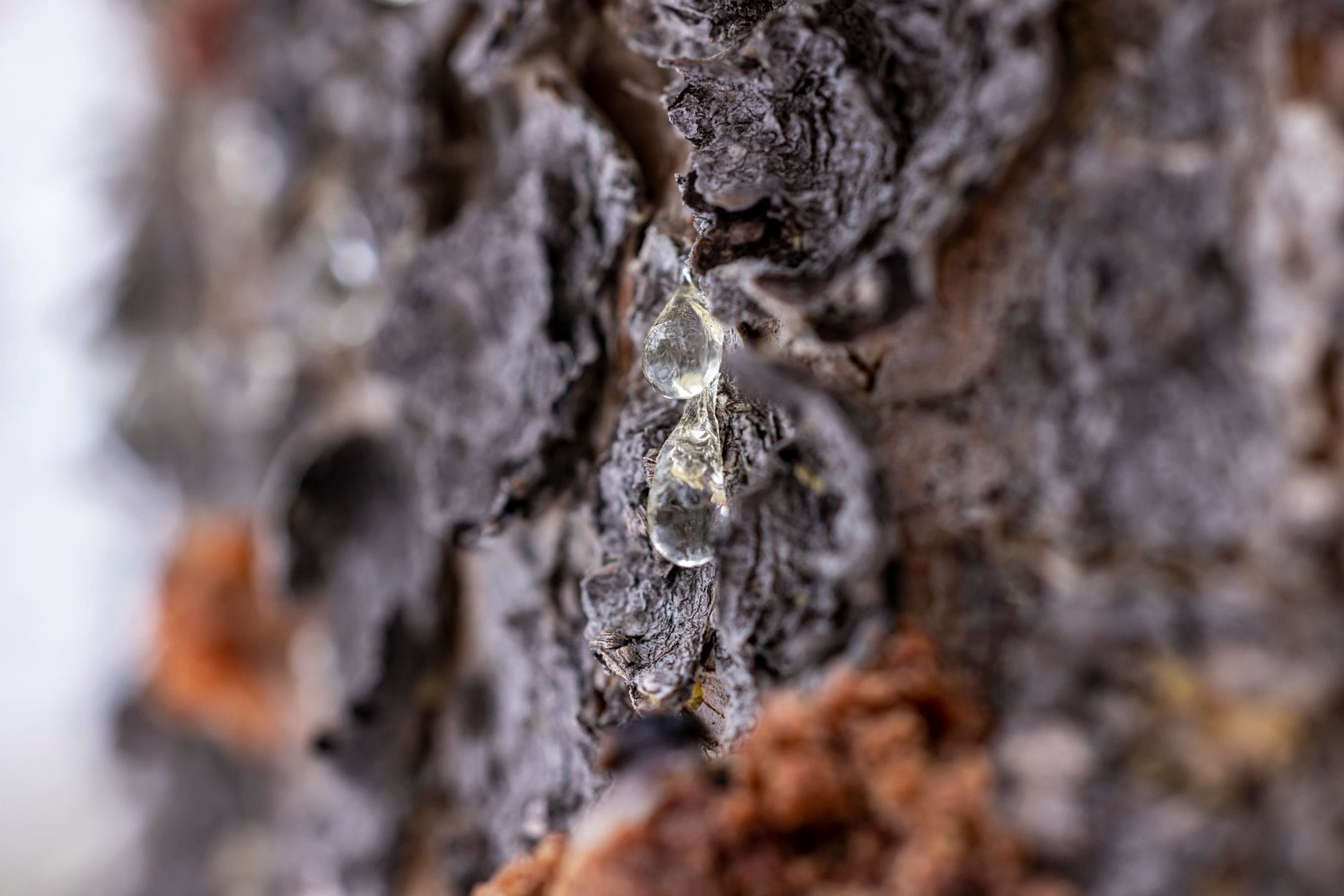
SaveAsafoetida is a dried gum resin extracted from the roots of Ferula plants. Sold as a lump or, more commonly, as a yellow powder (usually cut with flour to mellow it), it’s a fixture in Indian cooking — especially in lentil dishes and vegetarian cooking, where it stands in for onion and garlic. In traditional systems like Ayurveda it’s valued mainly as a digestive aid (1).
Key Takeaways
– A traditional digestive remedy — long used to ease gas, bloating, and indigestion.
– Antioxidant and anti-inflammatory compounds — the plant resin is rich in bioactive phytochemicals (1), (2).
– A little goes a long way — only a pinch is needed in cooking.
– Not for everyone — best avoided in pregnancy and by people on certain medications without medical advice.
Health Benefits
Supports digestion. Asafoetida’s best-known use is calming the gut — easing gas, bloating, and indigestion, which is exactly why it’s added to bean and lentil dishes (1).
May ease respiratory complaints. Traditionally used for coughs, asthma, and bronchitis, and some lab research has examined its relaxing effect on airway muscle (2).
Antioxidant and anti-inflammatory action. The resin contains compounds that help counter oxidative stress and inflammation in laboratory studies (1).
May support blood pressure and circulation. Early research suggests certain Ferula compounds may have a relaxing effect on blood vessels.
Traditionally used for menstrual discomfort. It has a folk reputation for easing cramps, though robust human evidence is limited.
Most of these uses rest on traditional practice and preliminary (often animal or lab) research, so view them as promising rather than proven.
Benefits for Skin
 Save
SaveIn traditional beauty care, asafoetida paste has been used to:
Calm blemishes thanks to mild antimicrobial properties
Brighten and even out the complexion as part of a face pack (often mixed with other ingredients)
Soothe minor irritation
Always dilute it well and patch-test, since the raw resin is potent.
How to Use It
 Save
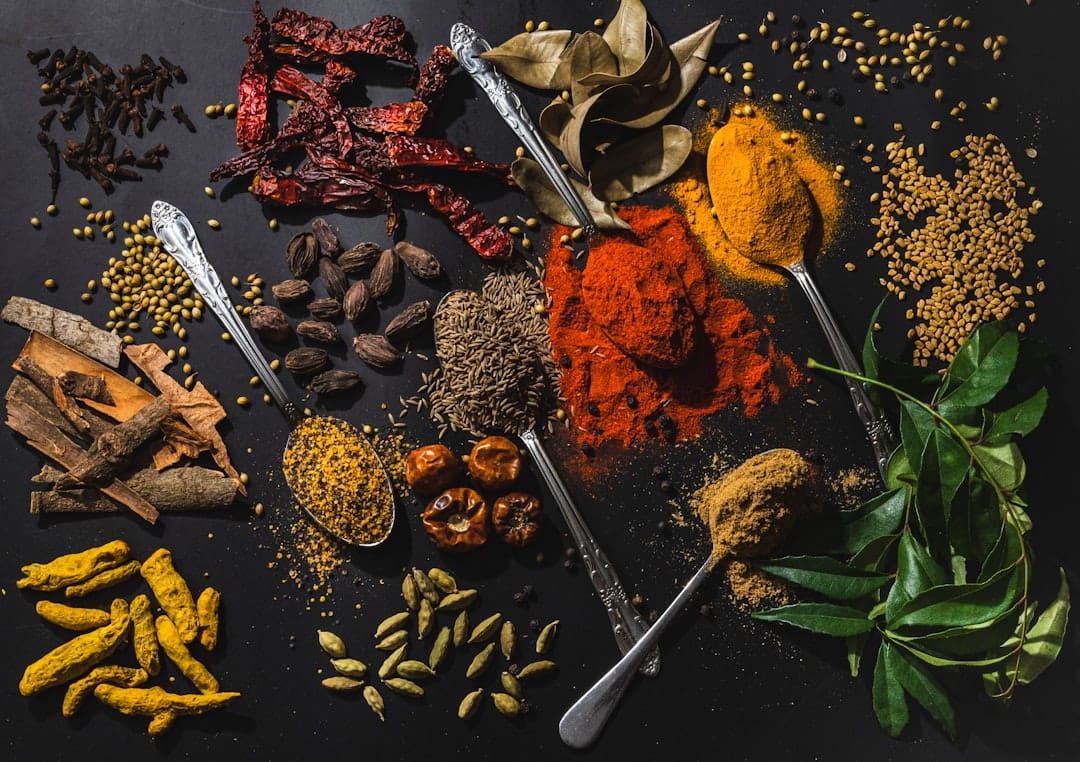
SaveIn cooking — add a tiny pinch to hot oil or ghee at the start of cooking; it blooms into a savory aroma and seasons the whole dish.
In lentils and beans — a classic addition that adds flavor and helps make pulses easier to digest.
As a warm drink — a very small amount stirred into warm water is a traditional remedy for an upset stomach.
The golden rule: use sparingly. A pinch is plenty.
Side Effects and Precautions
Use small amounts. Too much can cause gas, diarrhea, or a burning sensation.
Avoid in pregnancy and breastfeeding unless your doctor approves.
Caution with medications. If you take blood-thinners or blood-pressure medication, check with your doctor first.
Not for infants.
Patch-test on skin before applying any asafoetida-based paste.
Frequently Asked Questions
Why does asafoetida smell so strong?
The raw resin contains sulfur compounds that smell pungent, but the aroma mellows dramatically once it’s cooked in oil.
How much should I use in cooking?
Just a pinch — it’s very concentrated, and too much overwhelms a dish and can upset the stomach.
Is asafoetida gluten-free?
Powdered hing is often blended with wheat flour, so check the label if you avoid gluten.
The Bottom Line
Asafoetida is a powerhouse of flavor and a time-honored digestive aid, with antioxidant and anti-inflammatory compounds that researchers are still exploring. A pinch added to hot oil seasons a whole dish and helps make beans and lentils gentler on the stomach. Use it sparingly, skip it during pregnancy unless your doctor says otherwise, and treat its traditional medicinal uses as supportive rather than a substitute for medical care.
This article is for general informational purposes only and isn’t a substitute for professional medical advice, diagnosis, or treatment. Many of asafoetida’s benefits are based on traditional use or preliminary research; consult a healthcare provider before using it medicinally.