
A closer look at the fruit-derived acid tucked inside your grapes, your baking, and your glass of wine.
Acids in food tend to sound alarming, but plenty of them are both natural and useful. Tartaric acid is one of those. It sits in the same family as the citric acid you know from lemons and oranges, and it turns up quietly in grapes, apples, and a handful of other everyday foods. People reach for it as a mild digestive helper, a baking aid, and a wine stabilizer, and a little of the research points to some genuinely interesting effects on the body.
That said, the science here is thinner than the enthusiasm around it. Some claims rest on solid study, others on tradition or anecdote. This piece sorts through what tartaric acid actually is, where it comes from, what it may do for you, and when to ease off.
Key Takeaways
– Tartaric acid is a naturally occurring alpha hydroxy acid (AHA) found in grapes, apricots, apples, and more.
– It has been linked to easier digestion, better intestinal absorption, and improved glucose tolerance in early research.
– Its immune “boost” comes mainly from the fruits it lives in, not from strong direct evidence.
– Too much can cause digestive upset, nausea, or abdominal pain, so moderation matters.
– Skip it if you know you’re allergic or you have a gastrointestinal infection.
What Tartaric Acid Actually Is
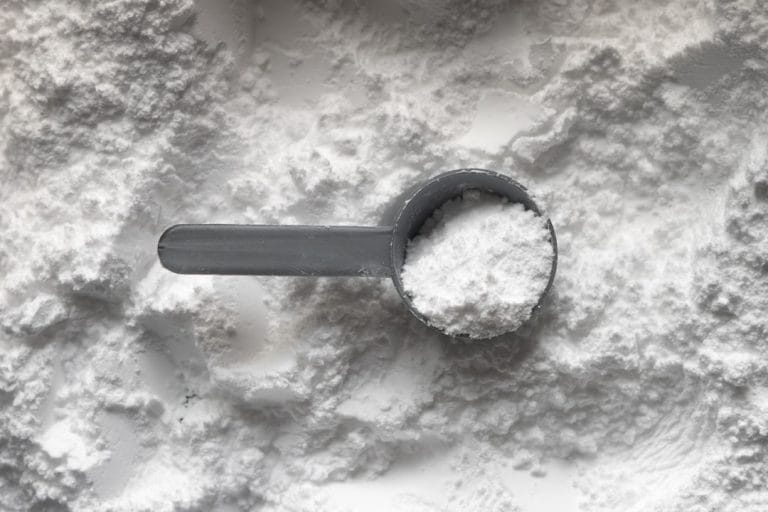
Tartaric acid is an organic acid, chemically a dihydroxyl derivative of succinic acid. At room temperature it settles into a white, crystalline solid. If you remember any chemistry, it’s a tidy example of chirality: the molecule has two chiral centers and exists as a pair of enantiomers. The form that occurs naturally is L-(+)-tartaric acid, while D-(-)-tartaric acid is another of its enantiomers.
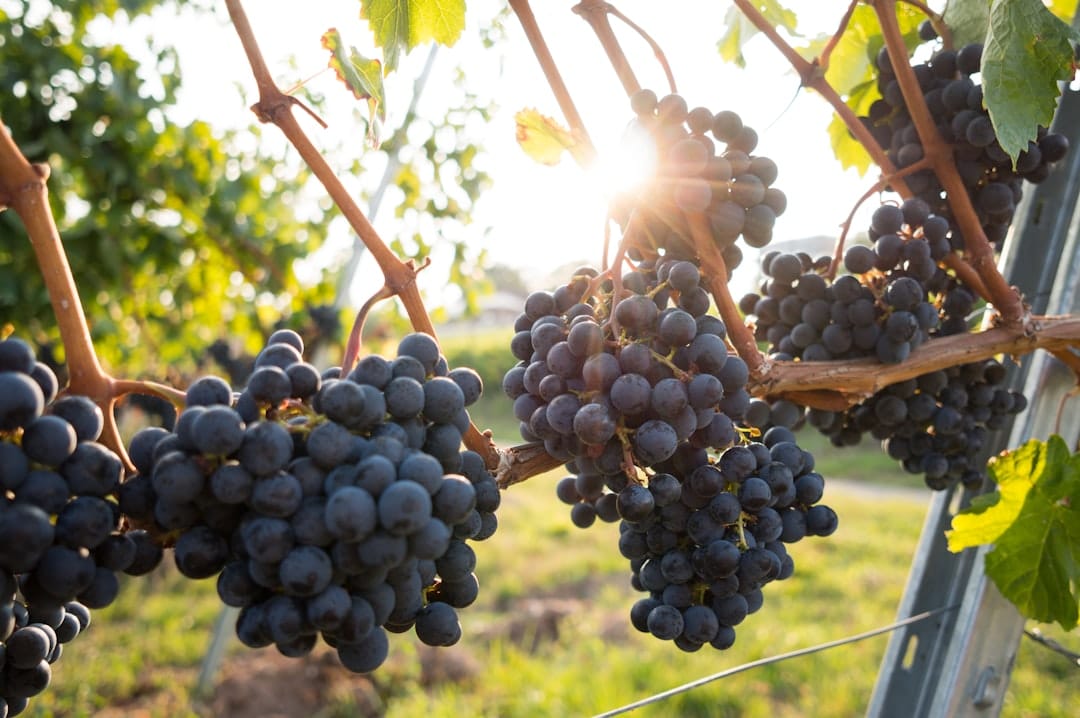
You’ll find it in high concentrations in grapes, apricots, apples, avocados, and even sunflower seeds. It also shows up in sour tamarind, the pod-shaped fruit that grows across tropical and warmer regions. Because it carries the tart bite that gives it its name, it does double duty as both a flavor and a functional ingredient.
Grapes and Apricots: Where It’s Found
 Save
Its association with grapes and apricots was actually a later discovery. Early on, tartaric acid was extracted in parts of Africa, including Nigeria and Sudan, and used as a food ingredient. It has a long culinary history in Spain and Portugal, where cooks have leaned on it since the 16th century, and it became a fixture in a wide range of Mexican dishes.
Today the demand is largely industrial, driven by wine production. Europe stands out as the largest producer, thanks in no small part to its winemaking traditions.
The Health Benefits Worth Knowing
 Save
Not every benefit attached to tartaric acid is equally well supported, so it helps to separate the sturdier claims from the softer ones.
Digestion and nutrient absorption
This is where tartaric acid has its clearest footing. It’s often described as a digestive aid that helps ease flatulence and settle the gut. It may also improve intestinal absorption, meaning the nutrients from your food move into your bloodstream a little more efficiently. For anyone who deals with occasional bloating, that’s the effect most likely to feel noticeable.
Blood sugar and glucose tolerance
One of the more surprising findings involves blood sugar. In an animal study, L-tartaric acid improved glucose tolerance in mice, apparently by ramping up the activity of enzymes tied to glucose metabolism. That’s a promising signal, but keep the context in mind: it’s early research in animals, not proof of the same effect in people. This part is still unsettled.
Immunity
Tartaric acid is frequently billed as an immune booster. Honestly, the direct evidence for that is slim. There’s no strong research showing the acid itself strengthens your immune system. What’s fair to say is that the foods it lives in, certain fruits and, in moderation, wine, can be part of an overall diet that supports healthy immune function. The credit there belongs to the whole food more than the single acid.
The Side Effects to Watch
 Save
Tartaric acid is generally safe in the small amounts found in food, but it isn’t risk-free.
The main concern is digestive. Some people are sensitive or outright allergic to it and may react with stomach trouble or other unpleasant symptoms after eating it. If that happens, the sensible move is to stop and check in with a clinician. Larger intakes have been linked to nausea and abdominal pain, which is a good argument for keeping portions reasonable. General guidance suggests around 30 mg per day is plenty.
There’s also a softer, anecdotal worry that heavy consumption of tartaric-acid-rich foods might nudge some people toward overeating. That one isn’t well studied, so treat it as a loose caution rather than a firm rule.
Uses in the Kitchen and Beyond
 Save
Most of us meet tartaric acid through cooking rather than supplements. It works as a natural preservative, which is why it turns up in jams and certain fruit drinks. In baking it acts as a stabilizer, helping whipped egg whites hold their structure, and it teams up with baking soda as a leavening agent to help dough rise.
Wine is its biggest stage. During fermentation, tartaric acid helps balance acidity and round out flavor, and it doubles as a preservative in the finished bottle. You’ll also find it lending a sour kick to various candies. So while the health claims are still coming into focus, its practical value in the kitchen is well established.
Frequently Asked Questions
Can tartaric acid remove dark spots?
Anecdotally, yes, in the way other AHAs can. It’s said to help exfoliate the skin and fade dark spots and acne scars over time, though this is based more on experience than hard clinical proof.
What is the pH of tartaric acid?
It sits at around a pH of 3, which places it firmly on the acidic side.
What can I use instead of tartaric acid?
Fumaric acid is a common substitute, and so is cream of tartar (potassium bitartrate), a byproduct that forms during fermentation. Both step in well for baking and similar uses.
The Bottom Line
Tartaric acid is a natural, fruit-derived AHA that does a lot of quiet work in food, from stabilizing baked goods to shaping the character of wine. Its most credible health perks center on digestion and nutrient absorption, with an intriguing early hint at better glucose tolerance from animal research. The immunity claims, by contrast, lean mostly on the healthy fruits it accompanies. Enjoy it in moderation, keep intake modest, and steer clear if you’re allergic or nursing a gastrointestinal infection.
This article is for informational purposes only and is not a substitute for professional medical advice. Consult a qualified healthcare provider before making changes to your diet or supplement routine, especially if you have an existing health condition.