
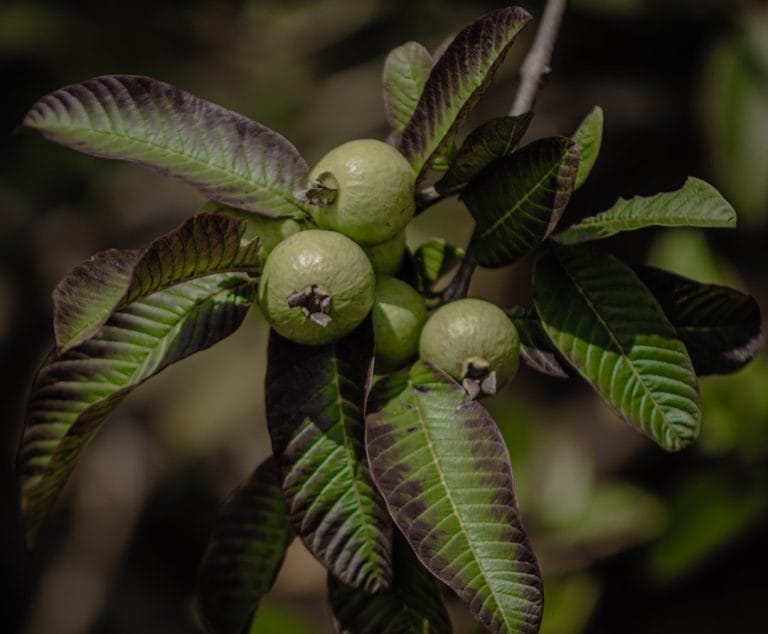
The next time you enjoy a guava, don’t toss the leaves—they may be the most medicinal part of the tree.
Guavas get plenty of glory, but the glossy green leaves of the guava tree have quietly earned a place in traditional medicine—and a growing stack of research now backs up several of their old-fashioned uses.
Rich in polyphenols, tannins, flavonoids, and carotenoids, guava leaves deliver antioxidant, antibacterial, and anti-inflammatory activity. They’re most often sipped as a tea, but they also appear in mouth rinses, home remedies, and even commercial supplements. Here’s a closer look at what they can do—and how to use them wisely.
Key Takeaways
– Guava leaves contain polyphenols, tannins, flavonoids, and carotenoids with antioxidant and anti-inflammatory effects.
– Guava leaf tea may blunt post-meal blood sugar spikes by slowing how carbohydrates are broken down.
– Drinking the tea for about three months has been linked to lower LDL cholesterol and triglycerides.
– Traditional preparations are used for diarrhea, stomach upset, sore gums, coughs, and minor wounds.
– People with eczema or sensitive digestion should use guava leaves with caution.
Why Guava Leaves Deserve a Second Look
Most of us eat the fruit and discard everything attached to it. In many parts of the world, however, guava leaves are valued as an herbal remedy in their own right. Their reputation rests on their plant chemistry: polyphenols that help defend against oxidative stress (including ultraviolet-related damage), astringent tannins, and flavonoids with antioxidant and anti-inflammatory properties. That combination explains why this humble leaf shows up in remedies for everything from toothaches to fevers.
Support for Healthy Blood Sugar
 Save
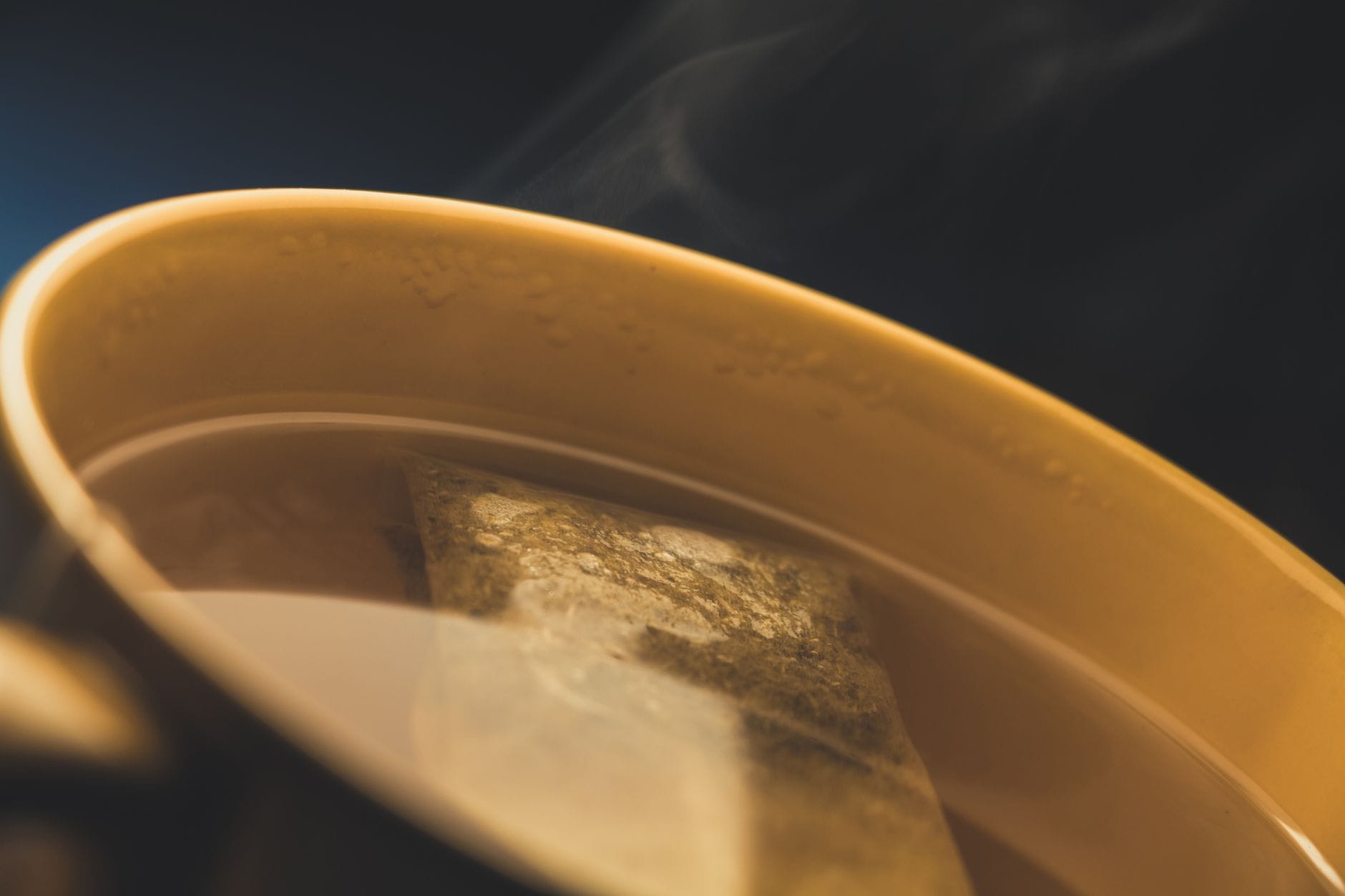
SaveSome of the strongest interest in guava leaves centers on blood sugar. A 2010 study in Nutrition & Metabolism examined guava leaf extract’s anti-hyperglycemic effects and found that it inhibits alpha-glucosidase, an enzyme involved in carbohydrate digestion—helping to tame blood sugar spikes after meals (1).
In Japan, a guava leaf tea called Bansoureicha® is even sold as an approved health food. The research suggests regular consumption may help improve insulin resistance, triglycerides, and cholesterol, and could play a role in preventing type 2 diabetes. Keep in mind that much of the evidence comes from animal studies, with more limited human data so far.
Heart and Weight Benefits
A Friend to Your Cholesterol
 Save
SaveDrinking guava leaf tea for around three months has been shown to reduce LDL (“bad”) cholesterol and triglycerides without lowering HDL (“good”) cholesterol. Related research on the fruit itself is interesting, too: a 2016 study of 45 medical students found that six weeks of eating peeled guava lowered LDL, total cholesterol, and triglycerides while raising HDL—and both guava groups saw reductions in BMI and blood pressure (2).
Help With Weight Management
 Save
SaveGuava leaves may also support weight loss by preventing complex starches from being converted into sugars the body can readily use—one reason the tea is popular with people watching their weight.
A Time-Tested Remedy for Digestive Troubles
Guava leaves have long been a folk treatment for diarrhea and dysentery, and modern research offers some support. In a 2015 animal study, mice infected with a bacterium that mimics harmful E. coli cleared the infection far faster when treated with guava leaf extract—85.71% were infection-free by day 19, while untreated mice stayed infected until day 29 (3).
The leaves are also traditionally used for general stomach upset, food poisoning, nausea, and vomiting (4). Classic home preparations include:
For diarrhea: Boil 30 grams of guava leaves with a handful of rice flour in 1–2 glasses of water; drink twice daily.
For stomach ache: Simmer 8 leaves in 1.5 liters of water and sip three times a day.
Oral Health, Sore Throats, and Coughs
Thanks to their anti-inflammatory and antibacterial compounds, fresh guava leaves are used to ease toothaches, heal gum and mouth sores, and soothe sore throats when gargled. In one study, a mouth rinse containing guava leaf extract had a notable effect on gingivitis (6)—which is why the leaves appear in some toothpastes and mouth fresheners.
Guava leaf tea may help with bronchitis as well, by opening up the lungs, loosening mucus, and calming coughs (5).
Other Promising Uses
Dengue fever: Guava leaf extract may increase blood platelet counts and appears to be non-toxic (7). A traditional preparation boils 9 leaves in 5 cups of water down to 3 cups, given one cup at a time.
Allergies: Compounds in the leaves show anti-allergic activity and may help block allergic reactions (8).
Fertility: Guava leaf tea has been linked to increased sperm production (9).
Wounds and infections: The leaves’ antibacterial action helps prevent infection and reduce inflammation, supporting the healing of cuts and abrasions; the tea may even help with ear infections (10).
Guava Leaves for Skin and Hair
 Save
SaveThe same compounds that make guava leaves valuable internally may benefit you on the outside, too. Their polyphenols help protect against ultraviolet-related damage, and the leaves’ antibacterial and anti-inflammatory properties underpin their long-standing use in traditional skin and hair care.
One important caveat: if you have eczema or another serious skin condition, be careful—chemicals in the leaves can irritate sensitive skin.
How to Use Guava Leaves Safely
The simplest approach is tea: simmer a few fresh or dried leaves in water, strain, and enjoy. Drinking guava leaf tea 2–3 times a day is commonly recommended for best results.
Most people can consume guava leaves safely, but those with digestive issues should limit or avoid them, and anyone with a severe skin condition should proceed cautiously.
Frequently Asked Questions
How often should I drink guava leaf tea?
Two to three cups per day is the commonly suggested amount. Start with one cup to see how your body responds, especially if you have a sensitive stomach.
Can guava leaves really help with blood sugar?
Research suggests guava leaf extract inhibits enzymes that break down carbohydrates, which may reduce post-meal blood sugar spikes. Most of this evidence comes from animal studies, so it should complement—not replace—medical care.
Are there any side effects?
Guava leaves are generally considered safe, but they may irritate the skin of people with eczema or other severe skin conditions, and those with digestive issues should consume them sparingly.
The Bottom Line
Guava leaves are far more than kitchen scraps. Their antioxidant, antibacterial, and anti-inflammatory compounds show promise for blood sugar control, cholesterol, digestion, oral health, and even skin and scalp care. While human research is still catching up to traditional use, a simple cup of guava leaf tea is an easy, low-risk way to explore what this overlooked leaf has to offer—just use common-sense caution if you have skin or digestive sensitivities.
This article is for informational purposes only and is not a substitute for professional medical advice, diagnosis, or treatment. Always consult a qualified healthcare provider before using herbal remedies, especially if you are pregnant, nursing, taking medication, or managing a health condition.