
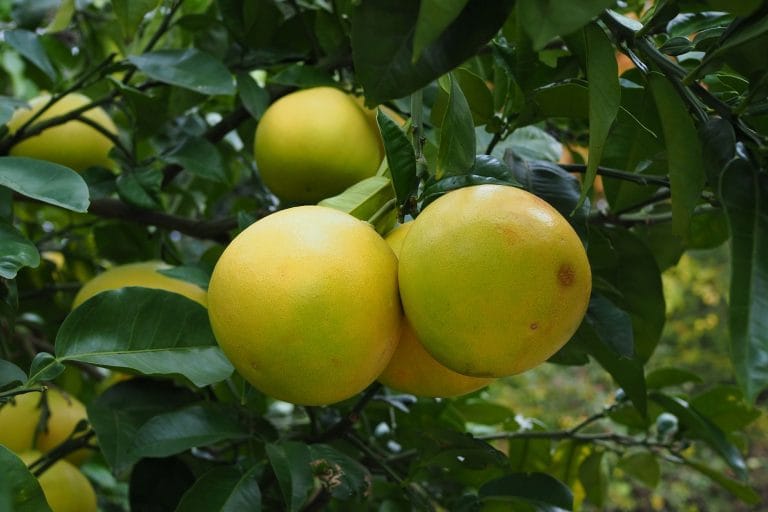
The fragrant citrus behind your Earl Grey does more than flavor tea.
If you have ever sipped Earl Grey and noticed that bright, slightly floral citrus note, you already know bergamot. It is a pear-shaped Mediterranean fruit, a cousin of the orange that looks a lot like a lime and tastes far too bitter to bite into raw. Most of us meet it through tea, marmalade, or a bottle of perfume rather than a fruit bowl.
Only fairly recently have researchers started paying attention to what is inside it. The peel oil and the juice each carry different active compounds, and studies point to antioxidant, anti-inflammatory, and heart-friendly effects. Here is what the evidence actually shows, plus where to be careful.
Key Takeaways
– Bergamot is a bitter Mediterranean citrus grown mostly in Calabria, Italy, and used in tea, food, cosmetics, and traditional medicine.
– Its peel oil is rich in furocoumarins like bergamottin, while the juice is high in flavonoids such as naringin and hesperetin.
– Research links bergamot to lower cholesterol, better metabolic markers, calmer mood, and antibacterial activity.
– The essential oil has mood-relaxing and cosmetic uses but should always be diluted before it touches skin.
– Too much bergamot extract can cause heartburn, cramps, jitters, or reduced iron absorption.
What Bergamot Actually Is
Bergamot is the fruit of the Citrus bergamia plant, grown almost entirely along the coast of Calabria in southern Italy. The fruits are about the size of an orange but green when unripe and yellow once mature, with a distinctive perfume you can smell across a room.
Botanists still argue about its parentage. Some describe it as a cross between bitter orange and citron, others suggest bitter orange with sweet lime, and a few point to bitter orange and lemon. Whatever its true family tree, Italians have long used the oil, juice, and extract for complaints ranging from poor digestion to muscle pain and fever.
Peel to Cup, How Bergamot Gets Used
 Save
Very little of the fruit goes to waste. Cold-pressed bergamot essential oil (BEO) comes from the peel, the remaining fruit is squeezed for juice, and the leftover scraps become animal feed.
That single fruit ends up in three very different industries:
Cosmetics, where the oil scents perfumes, lotions, and soaps.
Food, where it flavors teas, pastries, and preserves.
Pharmacy, where its antiseptic and antimicrobial qualities are put to use.
The chemistry splits along those lines too. The oil is dense in furocoumarins, especially bergamottin, while the whole fruit and its juice are loaded with flavonoids like naringin and hesperetin. Different forms, different strengths.
The Health Benefits Worth Knowing
Because the oil, juice, and rind carry different compounds, they don’t all do the same thing. These are the effects with the most research behind them.
Antioxidants that neutralize free radicals
Bergamot is packed with flavonoids and polyphenols, both known for mopping up the reactive free radicals that damage cells over time. In lab work, a blend of flavonoids from bergamot and orange juice showed promise in protecting cells, including lung cells, from oxidative injury. This is the quiet, foundational benefit that underlies much of the rest.
A calmer, more relaxed mood
 Save
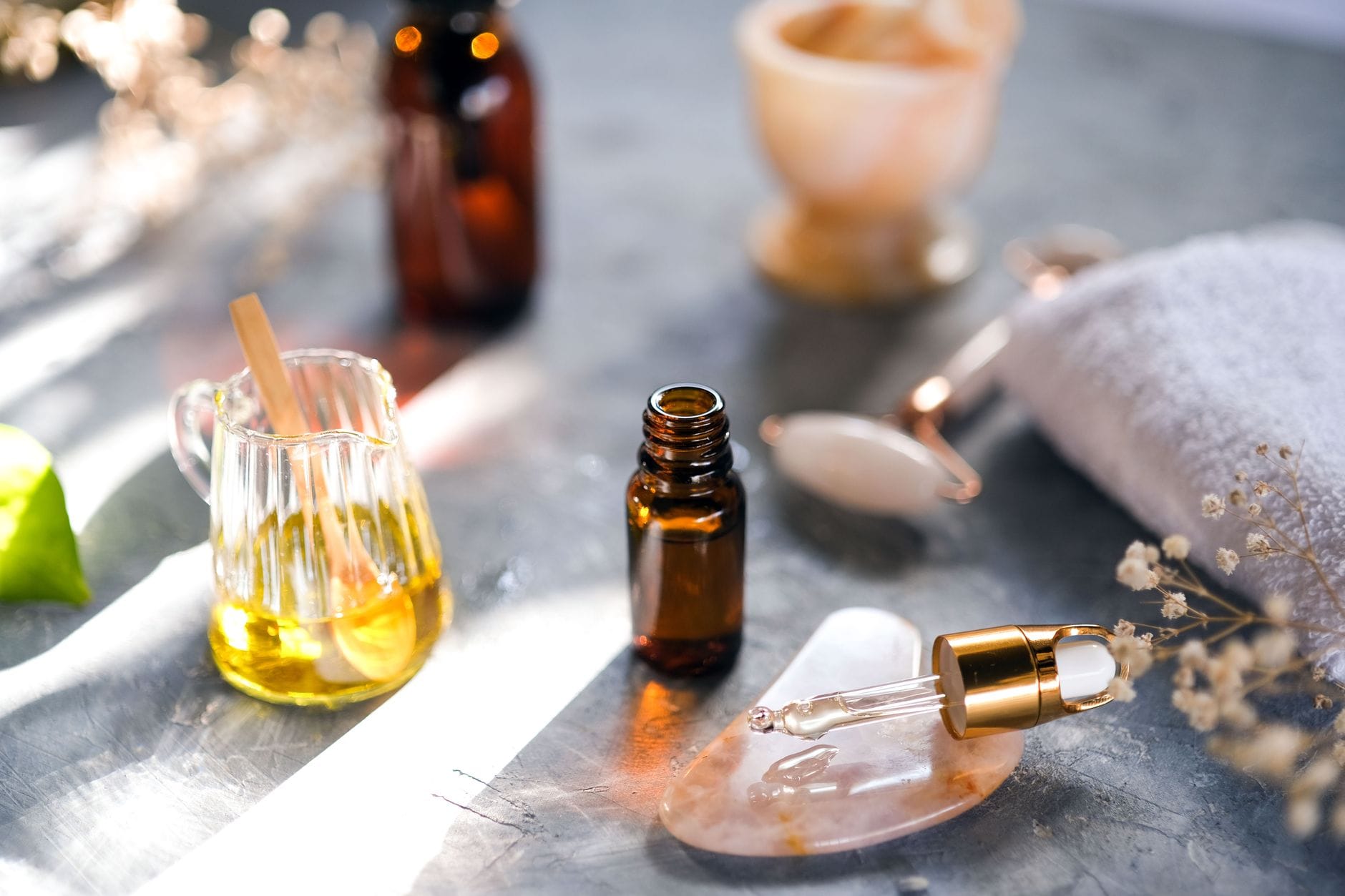
Aromatherapists have leaned on bergamot oil for years, and several studies back up the reputation. Inhaling it appears to ease stress and help people feel calmer and more relaxed. It won’t replace treatment for anxiety, but as a small daily ritual it has gentle evidence on its side.
Support for cholesterol and metabolic health
This is where bergamot has drawn the most serious interest. Studies suggest its polyphenols can lower triglycerides, LDL (“bad”) cholesterol, and blood sugar, which together define metabolic syndrome. In one trial, people with non-alcoholic fatty liver disease and metabolic syndrome who took bergamot polyphenolic extract twice a day showed a visible drop in liver fat. Other research on full-spectrum bergamot juice supplements points to help with weight and a lower risk of arterial plaque buildup. Drinking bergamot tea may nudge cholesterol in a healthier direction as well.
Antibacterial and antifungal action
Components in the oil, particularly linalool, have shown activity against a lineup of troublesome microbes, including E. coli O157, Campylobacter jejuni, Listeria monocytogenes, and Staphylococcus aureus, along with the fungi behind skin infections. When researchers tested the vapors of lemon, orange, and bergamot against common food pathogens, bergamot came out strongest.
Gentle pain relief
Bergamot may also dial down how sensitive nerves are to pain. The evidence here is thinner, but it hints that the fruit could work alongside conventional pain relievers rather than in place of them.
Where the Risks Come In
 Save
None of this makes bergamot risk-free, and the essential oil deserves particular respect. Applied to skin undiluted, it can trigger tanning and rashes. Always dilute it in a carrier oil first, and skip it entirely if you have a citrus allergy or reactive skin.
Taken by mouth in large amounts, bergamot extract can bring on heartburn, muscle cramps, and caffeine-like jitters, and it may interfere with how well your body absorbs iron. As with most good things, moderation is the whole game.
How to Take It
 Save
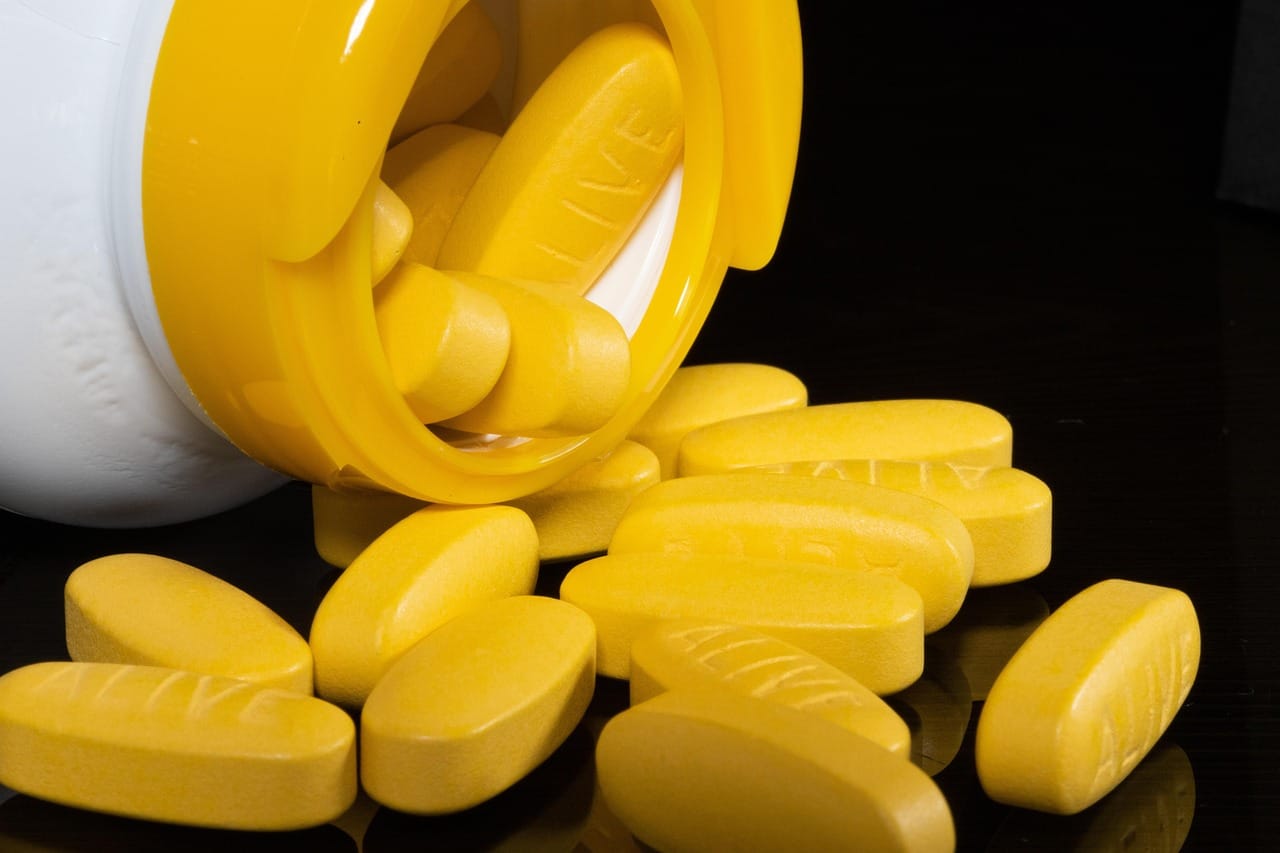
For supplements, studies have generally used up to 1,000 mg of bergamot extract by mouth per day for a stretch of four to twelve weeks. Most people can enjoy the fruit, juice, or tea in ordinary amounts without a second thought. If you are pregnant, take medication, or have a health condition, check with your doctor before starting a concentrated extract, since bergamot can affect cholesterol and blood sugar in ways that matter for existing treatment.
Frequently Asked Questions
Is bergamot the same thing that flavors Earl Grey tea?
Yes. Earl Grey is black tea scented with bergamot oil, which is where its signature citrusy aroma comes from. That familiar flavor is your most likely introduction to the fruit.
Can I eat a bergamot fruit straight?
Not pleasantly. Raw bergamot is intensely bitter, which is why it almost always shows up as tea, juice, marmalade, or extract rather than a snack.
Is bergamot essential oil safe on skin?
Only when diluted. Undiluted oil can cause tanning and rashes. Blend a few drops into a carrier oil, and avoid it if you have citrus allergies or sensitive skin.
The Bottom Line
Bergamot earns its long history. The juice and its flavonoids show real promise for cholesterol, blood sugar, and metabolic health, while the peel oil brings antibacterial strength and a calming effect prized in aromatherapy. The catch is dose and form: dilute the oil, keep extracts moderate, and treat bergamot as a helpful addition to a healthy routine rather than a cure. A cup of good Earl Grey is a perfectly reasonable place to start.
This article is for general information only and is not a substitute for professional medical advice. Talk with a qualified healthcare provider before using bergamot supplements or essential oil, especially if you are pregnant, taking medication, or managing a health condition.