
A realistic look at the workouts that torch the most calories — and how to reach big numbers without wrecking your body.
The idea of burning 2000 calories through exercise sounds impressive, and it’s a goal plenty of people chase. Here’s the reassuring truth: your body already burns roughly that many calories every single day. Simply breathing, digesting food, walking around, and resting adds up to a little over 2000 calories for most women and more than 3000 for most men — before any workout even begins.
Burning 2000 calories purely from exercise in a single day is a different story. It’s genuinely exhausting and requires an athlete’s level of conditioning. For nearly everyone else, chasing that number daily invites burnout and injury. A smarter, more sustainable target is to burn 2000 calories across a full week by combining fun, effective workouts four to five days a week. That’s the approach we’ll map out below.
Key Takeaways
– You can comfortably burn 2000 calories over a week by combining a few effective workouts, rather than trying to hit it in one day.
– High-calorie options like swimming, cycling, and jumping rope can each burn 700 calories or more per hour.
– Fun formats like Zumba and aerobics make weight loss feel less like a chore and easier to stick with.
– Pairing your workouts with a balanced diet is what turns effort into lasting results.
– Trying to burn 2000 calories a day through exercise alone is only realistic for trained athletes.
10 Exercises That Torch Calories
Mix and match the movements below to build a 60-minute session you actually enjoy. Every one of them works multiple muscle groups and keeps your heart rate up.
High-Intensity Interval Training (HIIT)
HIIT alternates short, all-out bursts of effort with roughly 20-second recovery breaks. In about 30 minutes it can burn 250 to 400 calories while working your whole body, spiking your heart rate, and toning muscle. Its efficiency is what makes it a favorite for busy schedules.
Swimming
 Save
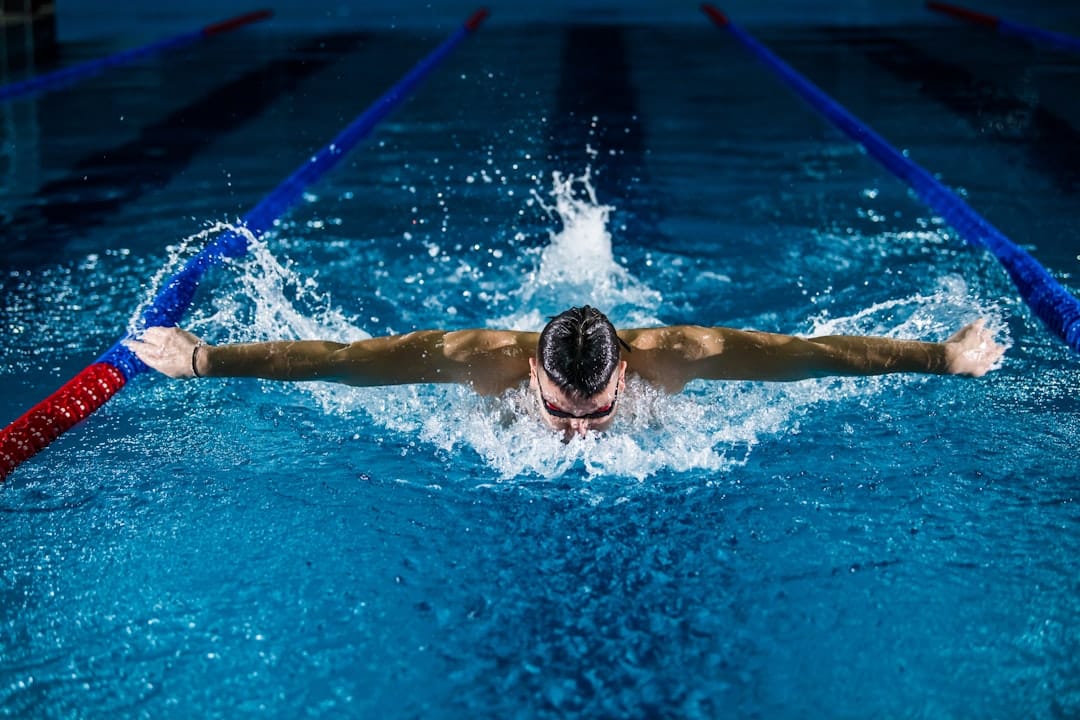
SaveAn hour in the pool can burn up to 700 calories with almost no impact on your joints. Beyond the calorie count, swimming doubles as resistance training, engaging your arms, shoulders, back, core, and legs. If the gym isn’t your thing, this is a full-body workout in disguise.
Aerobics
Dynamic, upbeat, and endlessly varied, aerobics burns roughly 500 to 600 calories per hour. It may feel awkward at first, but once the movements click, the functional patterns shape and tone your body in a way that keeps things interesting.
Jumping Rope
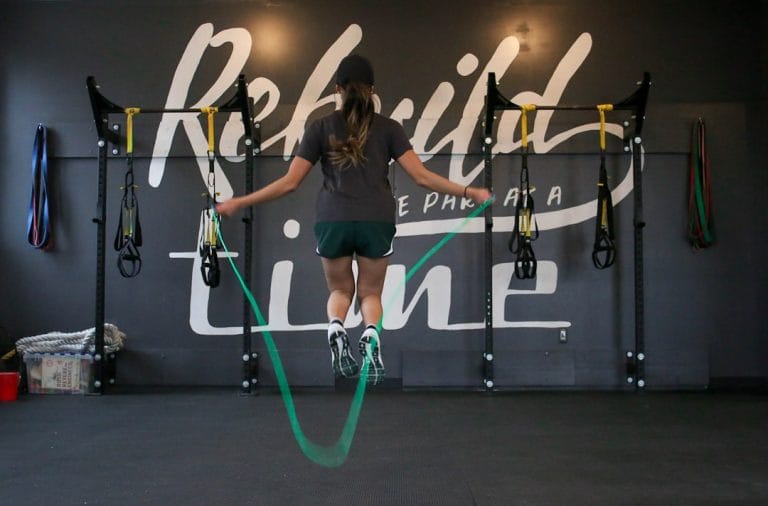
Don’t underestimate the humble rope. A solid hour can burn 700 to 800 calories, and intensity is everything — the faster and more consistent your pace, the higher the burn. It’s cheap, portable, and brutally effective.
Treadmill Running
 Save
SaveRunning at around 6 mph on a 3–5 degree incline burns 500 to 600 calories an hour while targeting your legs, thighs, hips, and abs. Cue up a playlist you love, and remember to keep your arms moving to bring more muscle groups into the effort.
Zumba
 Save
SaveIf you’d rather dance than grind, Zumba burns 350 to 650 calories per hour. You don’t need any choreography experience — just enthusiasm. It tones muscle, chips away at stubborn fat, and rarely feels like exercise at all.
Cycling
 Save
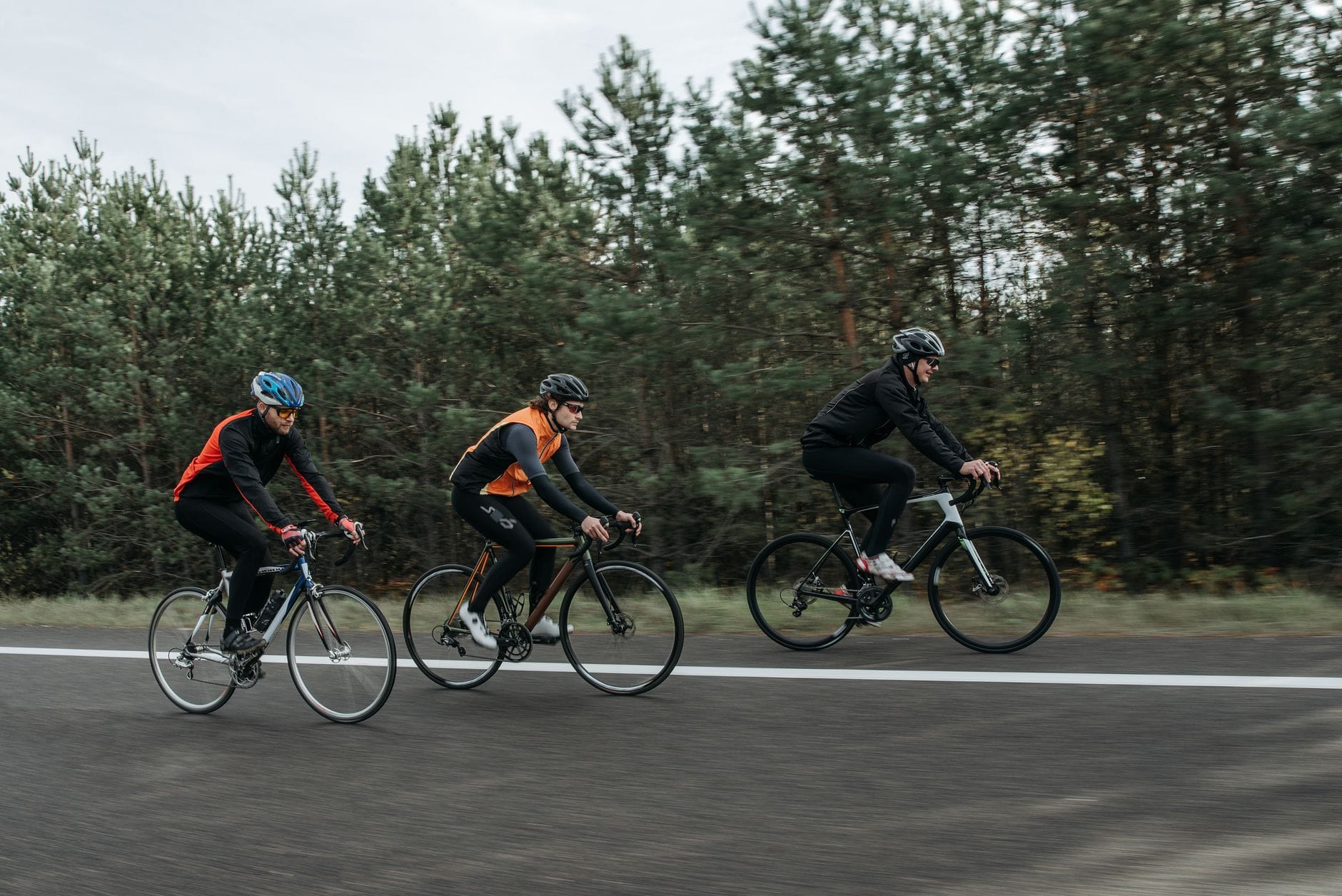
SaveIntense cycling can burn up to 850 calories in an hour, making it one of the most efficient forms of cardio for weight loss. It works your calves, quads, hamstrings, lower abs, and hips. If you live in a busy city, a stationary bike at home lets you ride whenever you like — just keep water nearby.
Water Aerobics
Gentler than swimming, water aerobics burns roughly 240 to 356 calories per hour. It won’t match a full swim session, but for anyone who dislikes sweating or wants a low-impact option, it’s an easy way to shape up.
Running Outdoors
One of the most demanding — and most rewarding — workouts around, running burns about 400 to 600 calories an hour, and more when you push the pace. It also eases stress and lifts your mood, which makes it easier to keep showing up.
Jump Squats
This high-intensity, no-equipment move engages your glutes, quads, hips, and hamstrings. Done in sets of 8 to 15 reps, jump squats demand real energy, boost your metabolism, and improve balance, mobility, and core strength — while helping protect your knees and ankles during other intense activities.
A Weekly Plan to Hit 2000 Calories
Combining the exercises above across the week is the safest route to that 2000-calorie goal. Here’s one balanced example:
Monday: Warm-up + running (30 mins) + rope jumping (10 mins) + cool down
Tuesday: Warm-up + Zumba (45 mins) + HIIT (15 mins) + cool down
Wednesday: Warm-up + cycling or water aerobics (20 mins) + rope jumping (10 mins) + cool down
Thursday: Rest
Friday: Warm-up + swimming (30–45 mins) + cool down
Saturday: Warm-up + running (30 mins) + cool down
Sunday: Rest
The rest days aren’t optional extras — they’re when your muscles recover and actually get stronger.
Tips to Maximize Your Calorie Burn
Intensity matters more than duration. A faster pace, steeper incline, or shorter rest periods will squeeze more out of every minute. Always bookend your session with a warm-up and cool down to lower your injury risk, and stay hydrated throughout — especially during cycling and rope work, where it’s easy to forget. Working out with a friend also makes tough sessions far more enjoyable and easier to stick with.
Pairing Exercise With Smart Eating
No workout plan outruns a poor diet. To shed extra calories and support your health, build your meals around balanced, whole foods — lean protein, vegetables, whole grains, and plenty of water. Exercise and nutrition work as a team; leaning on both is what makes results stick over the long haul.
Frequently Asked Questions
Can I really burn 2000 calories a day from exercise alone?
For most people, no — that level of daily output demands athlete-grade fitness and carries a high risk of injury and burnout. Aiming for 2000 calories across a week is far more realistic and sustainable.
How many days a week should I work out to reach this goal?
Four to five days a week, with roughly 60-minute sessions built from the exercises above, is enough to reach 2000 calories over a week while still allowing recovery time.
Which single exercise burns the most calories?
Cycling tops the list here at up to 850 calories an hour, with jumping rope (700–800) and swimming (up to 700) close behind. Your actual burn depends heavily on how hard you push.
The Bottom Line
You’re already burning around 2000 calories a day just by being alive — so there’s no need to torture yourself trying to match that through exercise in a single session. Instead, spread the effort across the week using workouts you genuinely enjoy, from swimming and cycling to Zumba and jump squats. Add a couple of rest days, pair it all with balanced eating, and you’ll reach your calorie goals in a way that’s safe, effective, and easy to maintain.
This article is for informational purposes only and is not a substitute for professional medical advice. Consult a qualified healthcare provider or certified fitness professional before beginning any new exercise program, especially if you have an existing health condition.
References
1. No external source URLs were provided in the source material; the calorie figures above reflect general fitness estimates and should be treated as approximate.