
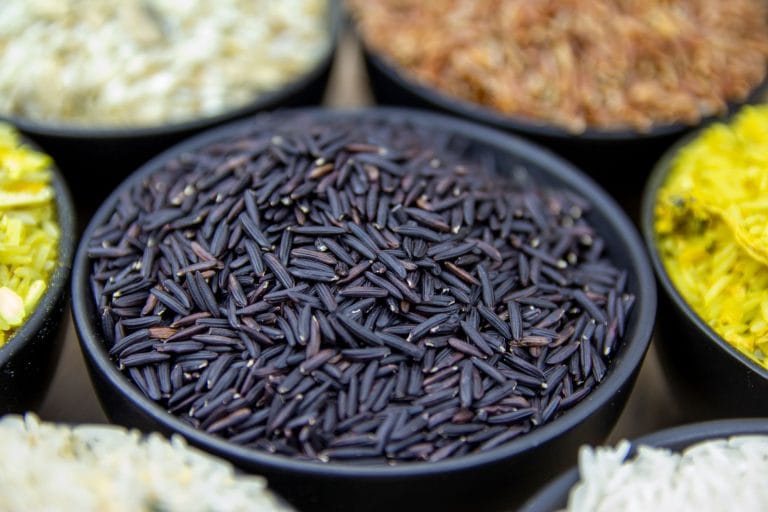
Once reserved for Chinese royalty, this striking dark grain packs more antioxidants than almost any other food — and more protein and fiber than brown rice.
When most of us picture rice, we picture white rice. But black rice — also known as forbidden rice — is quietly winning over health enthusiasts, and the reason is its remarkable antioxidant content. Legend has it that this grain was once reserved for Chinese nobility, with commoners forbidden from eating it. Today it’s far easier to find, and the science suggests it’s well worth seeking out.
Here’s what black rice is, why it’s so nutritious, the health benefits it offers, and how to cook it properly.
What Is Black Rice?
Black rice is a range of rice belonging to the Oryza sativa L. species, grown mainly in tropical regions like China, Japan, Korea, Myanmar, and northeast India. The two varieties you’ll most often see are Indonesian black rice and Thai jasmine black rice. Its deep color comes from anthocyanins — the same pigments that make blueberries and blackberries so antioxidant-rich. Interestingly, soaking or cooking turns black rice a deep purple, which is why it’s sometimes called purple rice.
Key Takeaways
– Highest anthocyanin content of any whole grain — even more than brown or red rice (1).
– More protein and fiber than brown rice — and more iron than white rice (1).
– Supports heart health — its antioxidants are linked to lower cholesterol in studies (6), (7), (8).
– Helps with blood sugar and weight — fiber slows sugar absorption and keeps you full (5), (13).
– Naturally gluten-free — a safe grain for people with celiac disease or gluten sensitivity.
Black Rice Nutrition
Black rice is low in calories yet surprisingly nutrient-dense. It’s a good source of plant-based protein, fiber, and minerals like iron and copper, plus flavonoid phytonutrients. Per 100 grams, it generally outperforms other rices on protein and fiber:
White rice — ~6.8 g protein, 1.2 mg iron, 0.6 g fiber
Brown rice — ~7.9 g protein, 2.2 mg iron, 2.8 g fiber
Red rice — ~7.0 g protein, 5.5 mg iron, 2.0 g fiber
Black rice — ~8.5 g protein, 3.5 mg iron, 4.9 g fiber
Its standout feature, though, is anthocyanin — and that’s where most of its benefits come from.
Health Benefits of Black Rice
1. Exceptional Antioxidant Content
The bran of black rice contains the highest levels of anthocyanins found in any food, surpassing brown rice, red rice, and even red quinoa (1). These compounds fight free-radical damage and have been linked to protection against cardiovascular disease and microbial infections (2).
2. May Help Fight Cancer
The anthocyanins in black rice give it anti-cancer potential. In one experimental study, an anthocyanin-rich black rice extract suppressed the growth and spread of breast cancer cells (3). Research in this area is ongoing, but the early signals are promising.
3. Calms Inflammation
Black rice extract has shown anti-inflammatory effects in research, reducing swelling and suppressing allergic skin reactions — a sign of its potential against conditions driven by chronic inflammation (4).
4. Supports Weight Management
Low in calories, low in carbohydrates, and high in fiber, black rice helps you feel full and stave off hunger. In one Korean study, overweight women eating a brown/black rice mix lost more weight and had lower BMI and body fat than those eating white rice (5).
5. Protects Heart Health
High cholesterol drives many cardiovascular problems, and the anthocyanins in black rice have been found to significantly reduce cholesterol in several animal studies (6), (7), (8). In one study, black rice consumption cut atherosclerotic plaque build-up by around 50% (9).
6. May Support Liver Health
In mice with fatty liver disease, black rice extract regulated fatty-acid metabolism and lowered triglyceride and total cholesterol levels, reducing the risk of fat accumulation in the liver (10).
7. May Sharpen the Brain
Because oxidative stress can harm cognition, the antioxidants in black rice may help. Anthocyanins improved learning and memory in one animal study (11), and a six-year study of around 16,000 adults found that long-term intake of anthocyanin-rich foods slowed cognitive decline by up to 2.5 years (12).
8. Helps Steady Blood Sugar
The intact bran of whole-grain black rice is rich in fiber, which slows sugar absorption and helps prevent insulin spikes. In rats, germinated Thai black rice extract performed comparably to the diabetes drug metformin (13).
9. Aids Digestion
Its fiber supports regular bowel movements and may help with bloating and constipation, as well as other digestive complaints (14).
10. Naturally Gluten-Free
Black rice contains no gluten, making it a safe, nutritious grain for people with celiac disease or gluten sensitivity who still want protein and fiber.
11. May Ease Asthma
Anthocyanins have been found to reduce airway inflammation and mucus production in an asthma model, suggesting black rice may help manage respiratory inflammation (16).
12. Supports Eye Health
Anthocyanins have long been associated with better eyesight, and black rice anthocyanidins were highly effective at preventing light-induced retinal damage in one study (18).
13. Promotes Glowing Skin
The antioxidants in black rice help defend skin against free-radical damage from UV light and pollution, and may support collagen production for better elasticity and hydration (19).
Black Rice vs. Brown Rice
Both beat white rice, but black rice edges out brown:
A one-third-cup serving of black rice has about 200 calories versus 226 for brown rice.
Black rice has fewer carbs and more fiber and protein.
Black rice has slightly more iron than brown rice.
Only black rice contains those antioxidant anthocyanins.
Side Effects
There are no known side effects of black rice. As with any food, enjoy it in moderation as part of a balanced diet.
How to Cook Black Rice
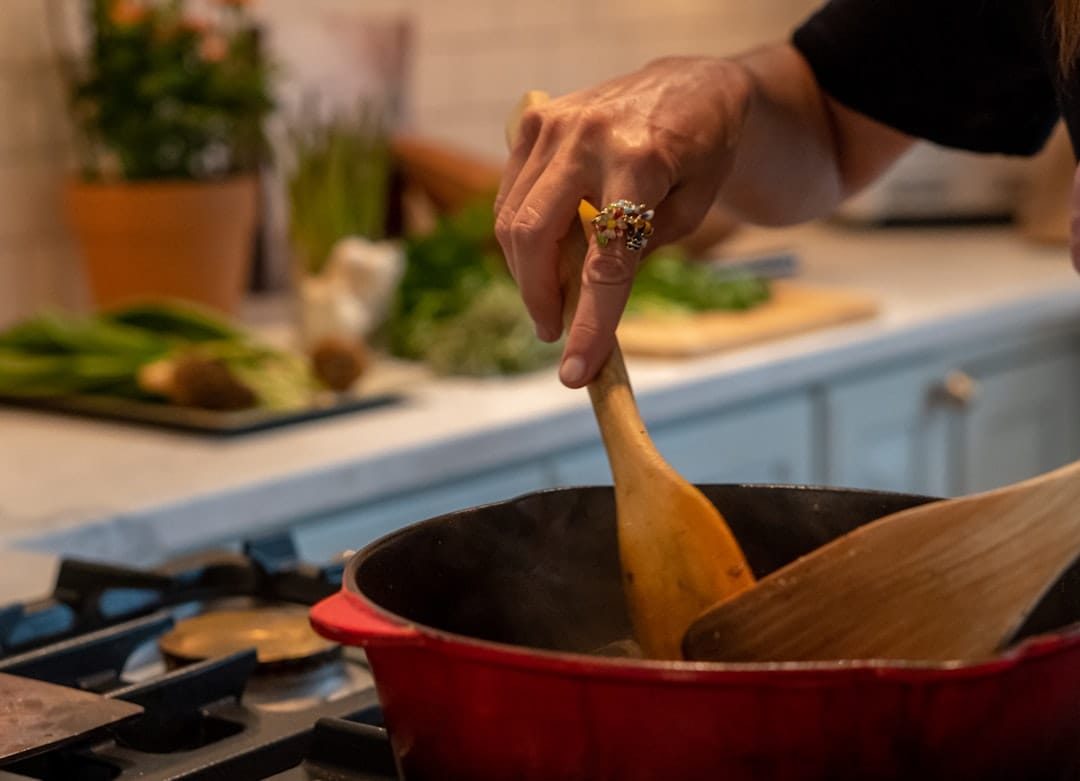
Because black rice is unrefined and dense, it cooks a little differently than white rice:
1. Soak it in water overnight (or at least an hour) to cut the cooking time.
2. Drain and rinse the rice.
3. Use two cups of water per cup of rice, and cook covered.
4. Simmer for about 30 minutes if soaked, or up to an hour if not.
5. Test a grain — it should be tender but pleasantly chewy. Keep cooking if it isn’t there yet.
Storage tip: uncooked black rice keeps for up to three months in an airtight container; eat cooked rice within a day or two and reheat it only once, until piping hot.
How to Add It to Your Diet
Serve it with curry, just like white rice.
Pair it with steak and roasted vegetables for a balanced meal.
Use it in place of white rice in burritos.
Sprinkle it over salads or into soups for texture and an antioxidant boost.
Blend it into flour for breads, noodles, or rice cakes.
It even makes a beautiful dessert — simmered with coconut milk and a little sugar into a deep-purple black rice pudding.
Frequently Asked Questions
Is black rice the same as wild rice?
No. Wild rice isn’t actually rice at all, though it has its own benefits.
What’s the glycemic index of black rice?
Black rice has a relatively low glycemic index of around 42.
What does black rice taste like?
It has a mild, nutty flavor with a slightly sweet note.
The Bottom Line
Black rice earns its “superfood” reputation. It’s higher in protein and fiber than brown rice, naturally gluten-free, and packed with more antioxidant anthocyanins than any other whole grain. Research links it to better heart, liver, brain, eye, and digestive health, plus support for weight management and blood sugar. Swapping in black rice for white is a simple change with an outsized payoff — just cook it well and enjoy it in moderation.
This article is for general informational purposes only and isn’t a substitute for professional medical advice, diagnosis, or treatment. Many of the studies cited were conducted in animals; consult a qualified healthcare provider before making major dietary changes.