

A closer look at whether this thick, plant-based oil deserves a spot in your eye-care routine.
Castor oil has quietly become a wellness favorite, and much of the conversation now centers on the eyes. Fans reach for it hoping to calm dry, gritty eyes, coax fuller lashes, and soften the shadows and puffiness that show up underneath. Some of these uses are backed by early research, while others rest almost entirely on personal testimony.
This guide sorts the evidence-supported benefits from the wishful thinking, walks through how to use castor oil safely, and flags when you should skip it altogether and call your eye doctor instead.
Key Takeaways
– Castor oil is a plant oil pressed from the seeds of the castor (Ricinus communis) plant, and it’s already a common ingredient in eye drops and artificial tears.
– Its most promising eye benefit is easing dry eye symptoms by strengthening the tear film’s oily layer.
– Claims about lash growth, dark circles, puffiness, and wrinkles lean mostly on anecdote, not strong clinical proof.
– Only use high-quality, cold-pressed oil clearly labeled safe for ophthalmic use, and always patch-test first.
– It can trigger irritation, allergy, or temporary blurred vision, so check with an ophthalmologist before applying it near your eyes.
Is Castor Oil Safe for Your Eyes?
Used carefully, castor oil can be safe around and even in the eyes, but the details matter enormously. The oil must be high-quality, cold-pressed, and specifically formulated for ophthalmic use. Even then, it may cause allergic reactions, stinging, or a passing haze over your vision.
The fact that castor oil appears in many commercial eye drops doesn’t give you a green light to dab any bottle from the kitchen shelf onto your lashes or lids. Formulation, purity, and concentration all differ. Before you experiment, talk to an eye-care professional, especially if you have an existing condition.
Choosing the Right Type
Not all castor oil is created equal. Look for one of these safer grades:
Organic cold-pressed castor oil – extracted without heat, which preserves its natural nutrients and keeps it free of added chemicals.
Cosmetic-grade castor oil – refined and purified to meet quality standards for use on the skin and delicate areas.
Hexane-free castor oil – processed without the chemical solvent hexane, making it gentler for the sensitive skin around the eyes.
Whichever you choose, read the label to confirm it’s meant for use near the eyes, and always do a patch test on your inner arm before going anywhere near your face.
The Benefits, Weighed Against the Evidence
May Help Soothe Dry Eyes
 Save
SaveThis is castor oil’s strongest claim. Roughly 16 million people in the United States live with dry eye, and castor oil’s lubricating nature is why it’s so common in eye-drop formulas. It forms a protective film over the eye’s surface that can ease dryness and discomfort.
Research suggests castor oil drops boost the lipid (oily) layer of your tears. A thicker lipid layer slows evaporation, so moisture stays put and the eyes feel more comfortable. Still, larger human trials are needed before this can be called a proven treatment rather than a promising one.
May Ease Meibomian Gland Dysfunction
The meibomian glands along your eyelid margins secrete the oils that keep your tear film stable. When they underperform, you get redness, irritation, blurry vision, and, yes, more dryness. One study in an ophthalmology journal found that low-concentration, homogenized castor oil drops helped manage these symptoms, likely by supporting that same oily tear layer.
May Reduce Blepharitis Symptoms
Blepharitis is an inflammation of the eyelid edges. Because castor oil has anti-inflammatory properties, it may help calm the swelling and irritation involved. A 2026 study in The Ocular Surface reported that applying castor oil twice daily over four weeks eased blepharitis symptoms. Its antibacterial qualities may also cut down on redness and help fend off minor eye infections.
May Support Eyelash Growth
 Save
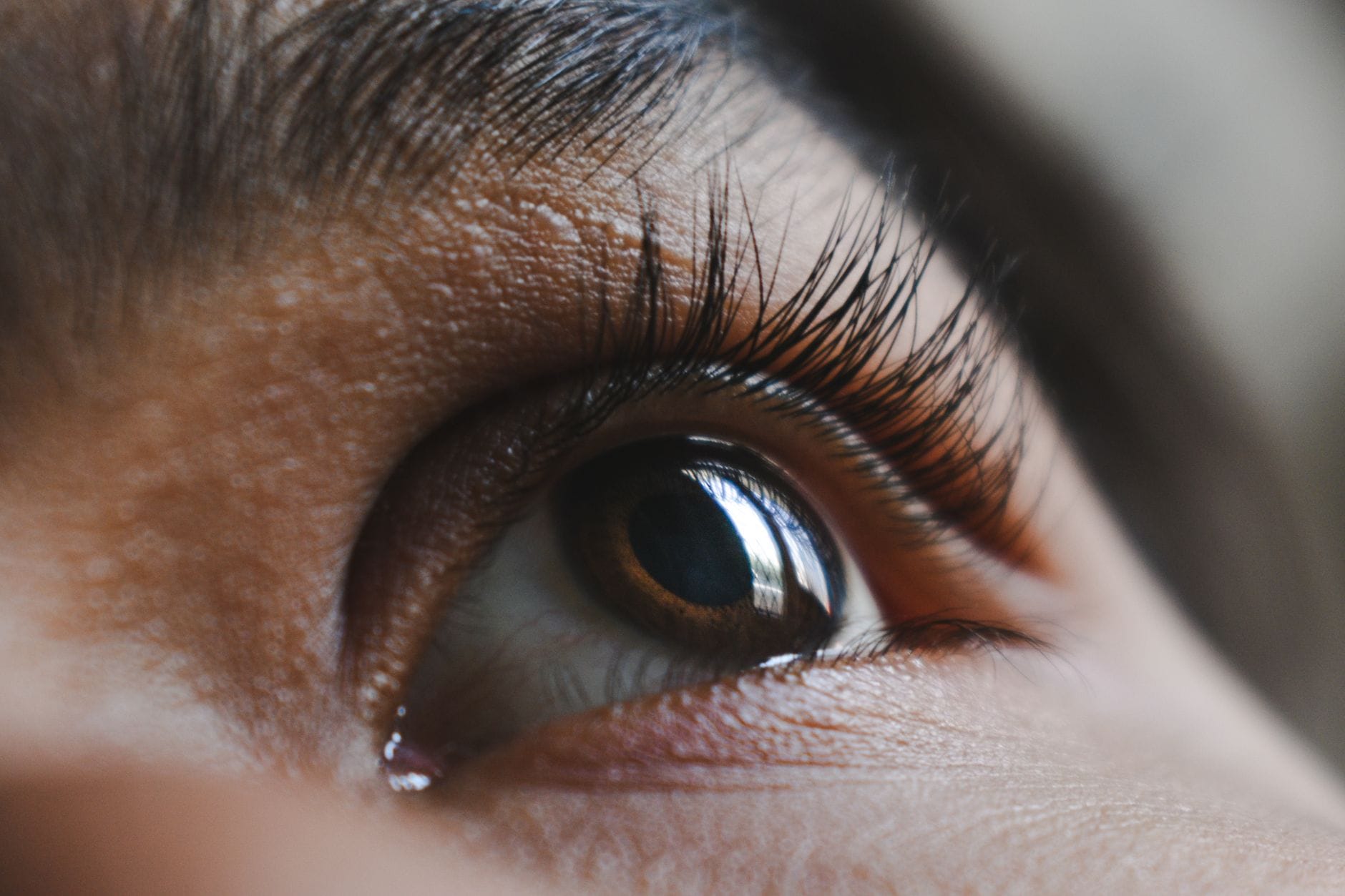
SaveCastor oil is about 90% ricinoleic acid, a fatty acid linked in some research to positive effects on hair growth. People have used it for generations hoping for thicker, longer lashes. The catch: there’s no solid evidence confirming it actually grows lashes or explaining how it would. The gentle reality is that the oil moisturizes and conditions the lashes, which can make them look healthier even if it isn’t sprouting new hairs.
May Improve Dark Circles and Puffiness
Here the science thins out further. A single study found a topical castor oil cream helped reduce hyperpigmentation around the eyes, but that’s far from conclusive. Anecdotally, keeping the under-eye area hydrated and gently massaging it may improve circulation and soften the look of shadows and swelling. Consider this a “might help, won’t hurt” territory rather than a reliable fix.
May Soften Wrinkles
Rich in fatty acids and naturally emollient, castor oil hydrates skin and may make fine lines, under-eye creases, and crow’s feet look less pronounced. The fatty acids penetrate and moisturize from within, which temporarily plumps and smooths the skin’s appearance.
A Word on Cataracts
 Save
SaveYou may see claims that castor oil can “dissolve” cataracts. There is no scientific evidence for this, and it’s a genuinely risky idea. Cataracts require medical treatment, usually surgery, and dripping castor oil into the eye could make things worse. Always see an eye-care professional for cataracts.
How to Use Castor Oil Around the Eyes
 Save
SaveConfirm the oil is cold-pressed, pure, and labeled safe for eye use.
Patch-test on your forearm and wait 24 hours to rule out a reaction.
Use a clean fingertip or a fresh cotton swab, never a shared applicator.
Apply a small amount around the eye area once or twice a day.
Stop immediately if you notice stinging, swelling, or lingering blurred vision.
Frequently Asked Questions
How often can I use castor oil for my eyes?
Once or twice per day is the general suggestion for topical use, but confirm the routine with your eye doctor first.
Is castor oil safe during pregnancy?
Because castor oil is known for other effects on the body, it’s best to check with your healthcare provider before using it anywhere on your face or eyes while pregnant.
Who should avoid castor oil for the eyes?
Anyone allergic to castor oil or castor products should steer clear, as should people with active eye conditions unless an ophthalmologist approves.
The Bottom Line
Castor oil isn’t magic, but it isn’t pure hype either. Its best-supported use is easing dry eye and related conditions like meibomian gland dysfunction and blepharitis, thanks to its lubricating and anti-inflammatory nature. The cosmetic promises around lashes, dark circles, and wrinkles are largely anecdotal. If you’d like to try it, choose a high-quality, ophthalmic-safe oil, patch-test, and loop in your eye doctor, especially if you already have an eye condition.
This article is for informational purposes only and is not a substitute for professional medical advice. Always consult a qualified ophthalmologist or healthcare provider before using castor oil in or around your eyes.