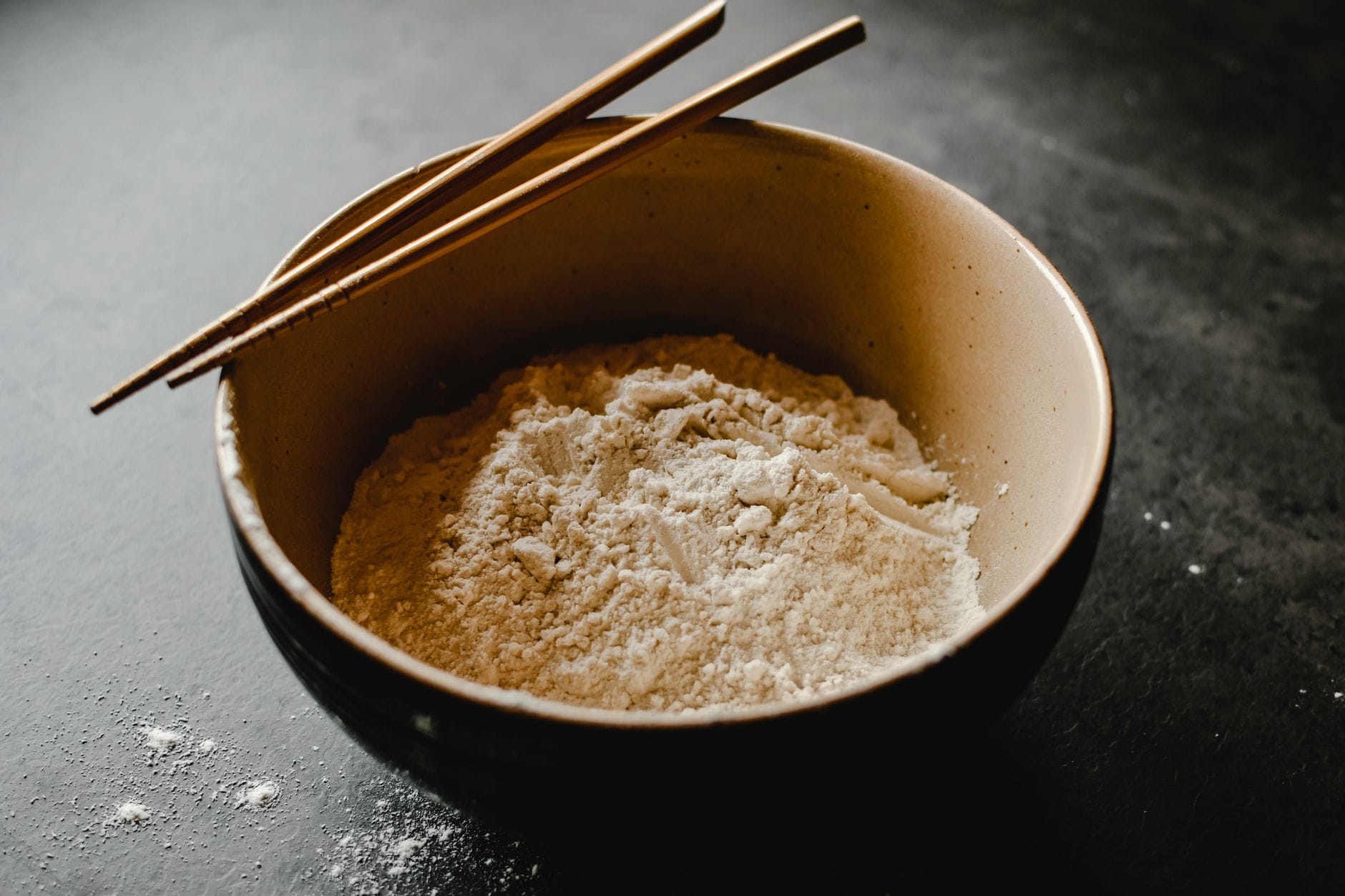
How Semolina Can Boost Your Heart Health and Support Steady Weight Loss
Discover how semolina supports weight loss, heart health, blood sugar, and digestion, plus who should skip this golden durum wheat flour and why.

Single-ingredient deep dives: what capers, cordyceps, maqui berry and dozens more actually do for your body, plus the side effects worth knowing.
Discover how semolina supports weight loss, heart health, blood sugar, and digestion, plus who should skip this golden durum wheat flour and why.
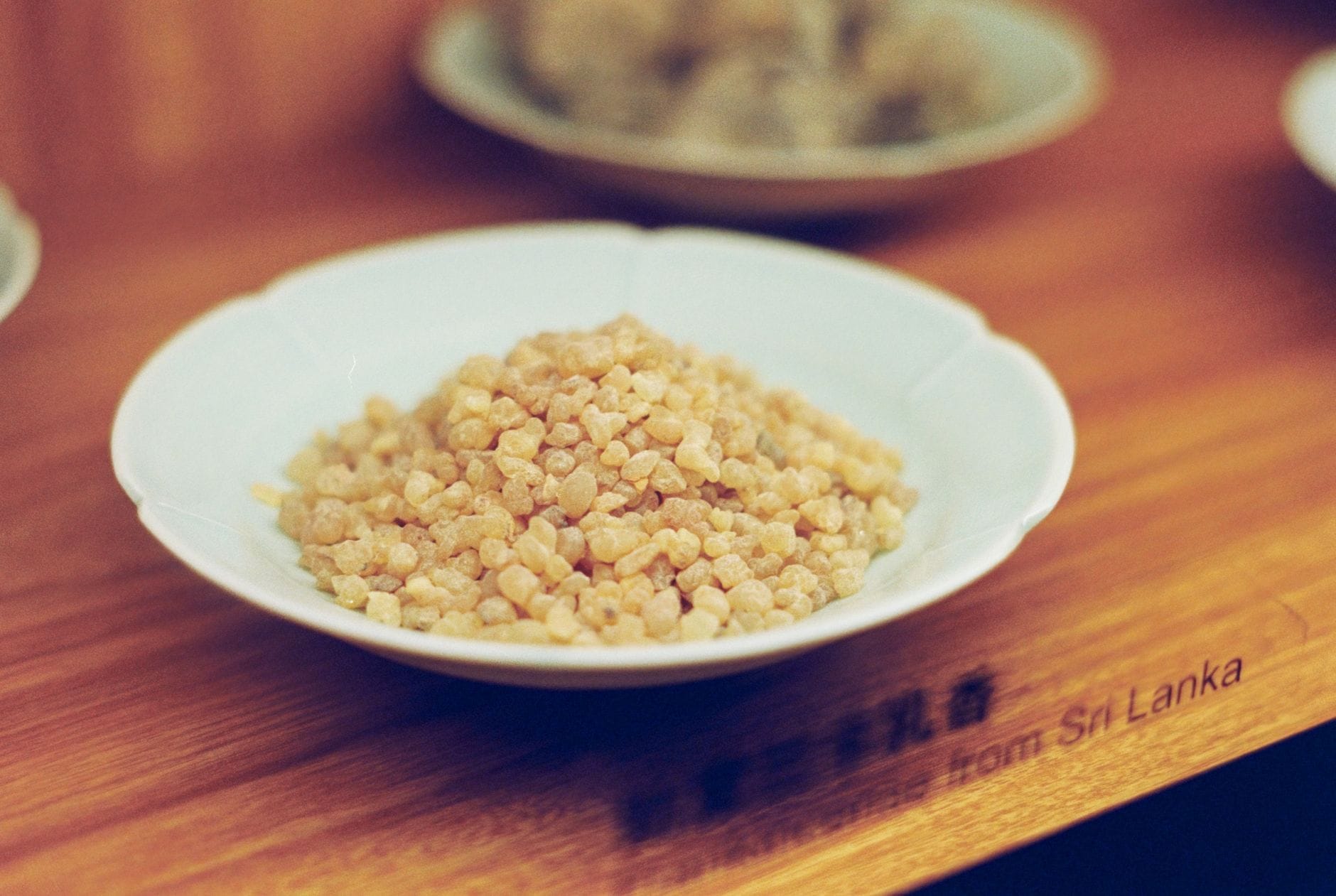
Boswellia, or Indian frankincense, is an anti-inflammatory resin studied for joint pain, asthma, gut health, and more. Here’s what the evidence says and how to use it.
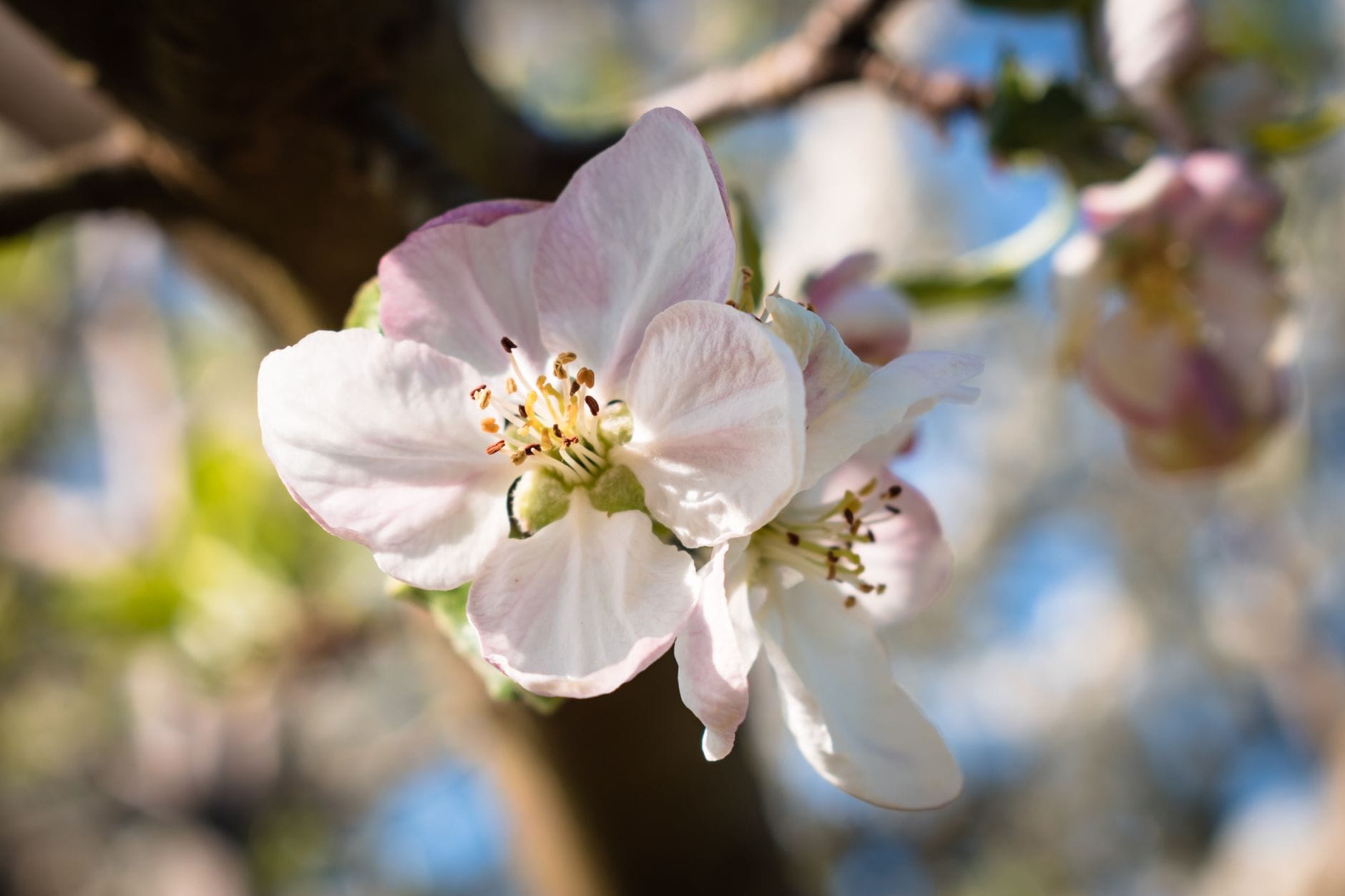
Crab apples are tiny, tart wild apples rich in polyphenols. Learn which varieties you can eat, how to cook them, their nutrition, and seed safety facts.
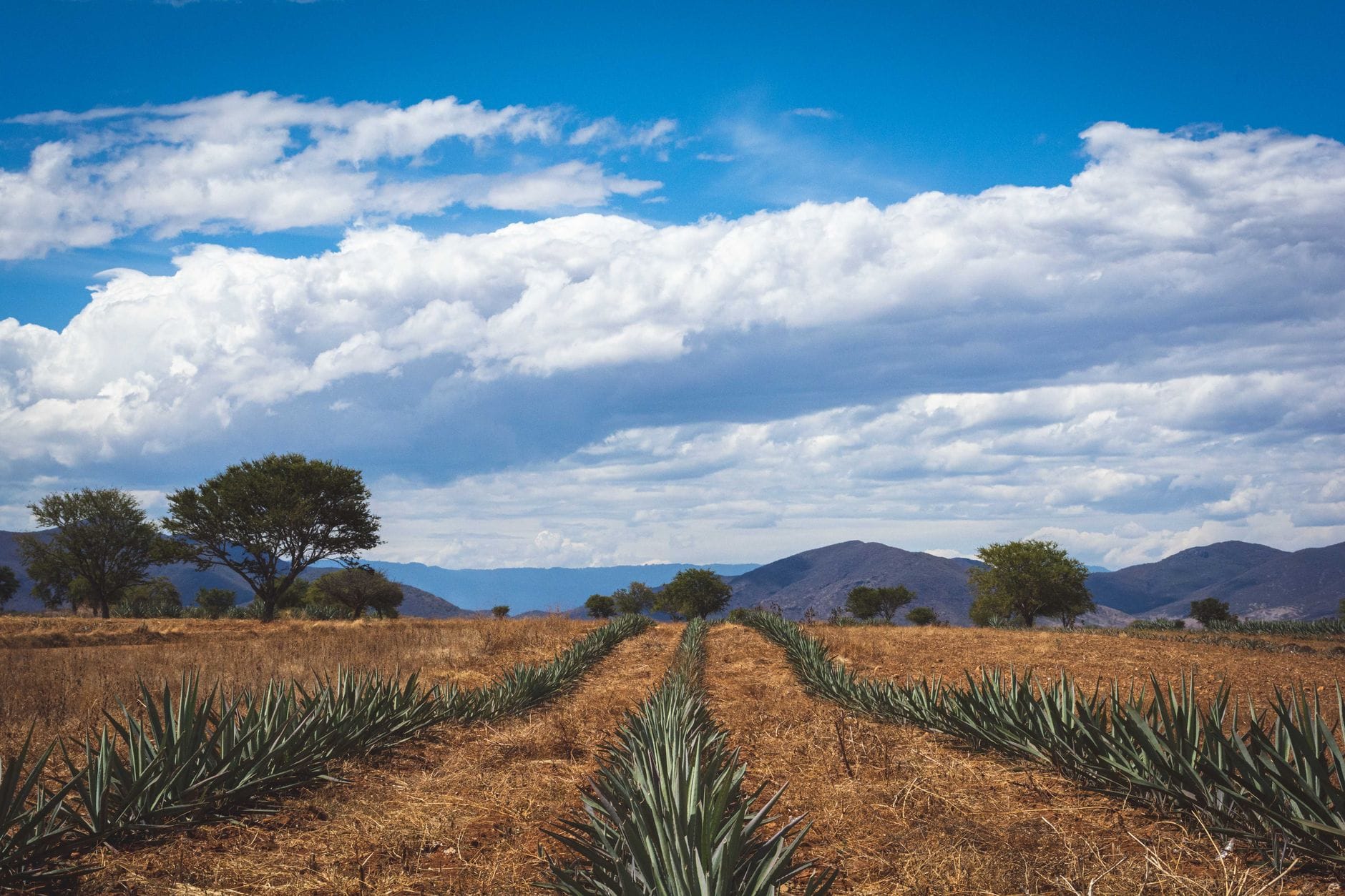
Agave syrup is a plant-based sweetener with a low glycemic index but lots of fructose. Here are its benefits, risks, and how it stacks up against honey.
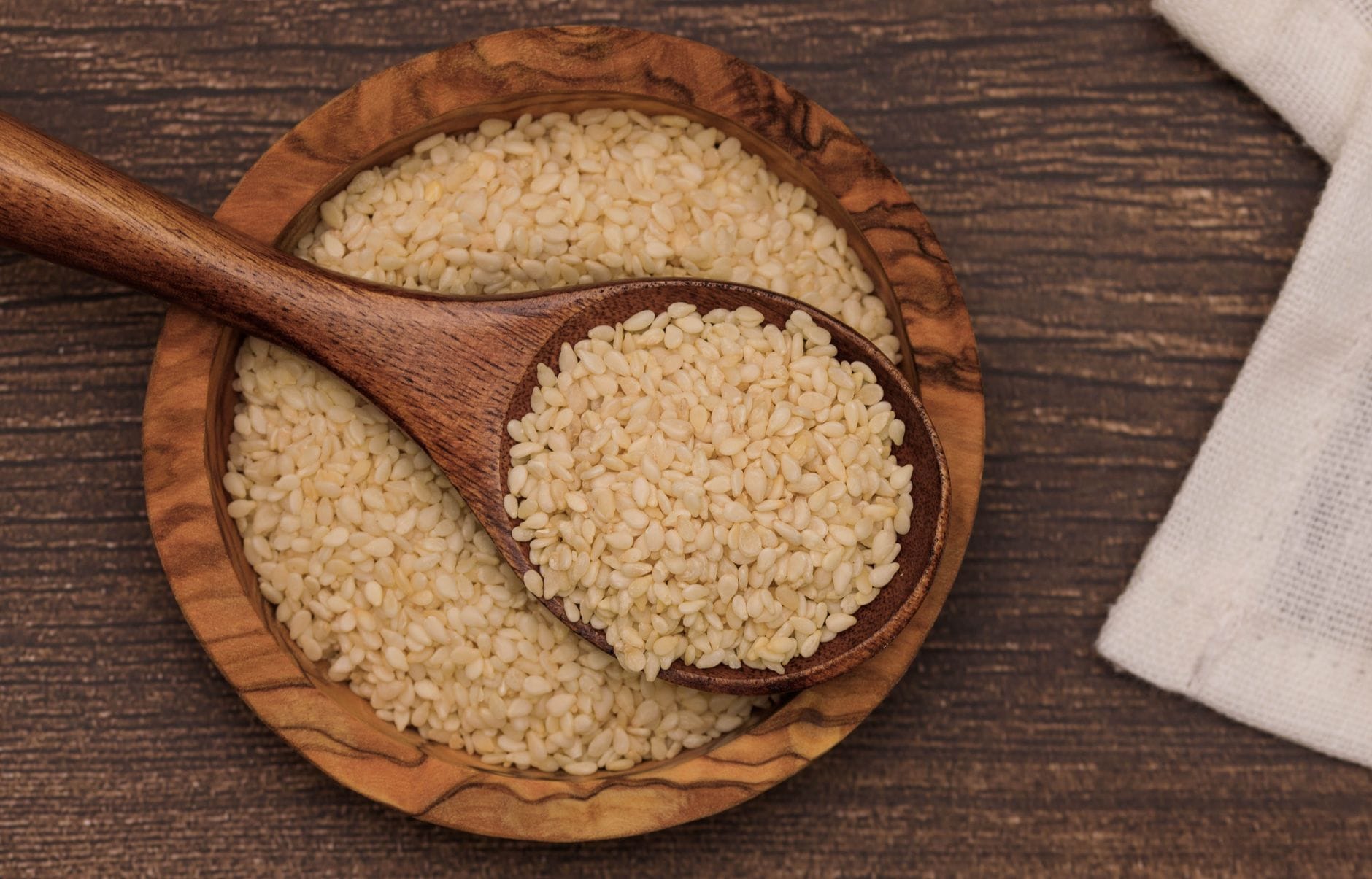
Tahini is creamy ground sesame paste packed with protein, fiber, magnesium and lignans. Here are its science-backed benefits, plus how to use it and who should skip it.
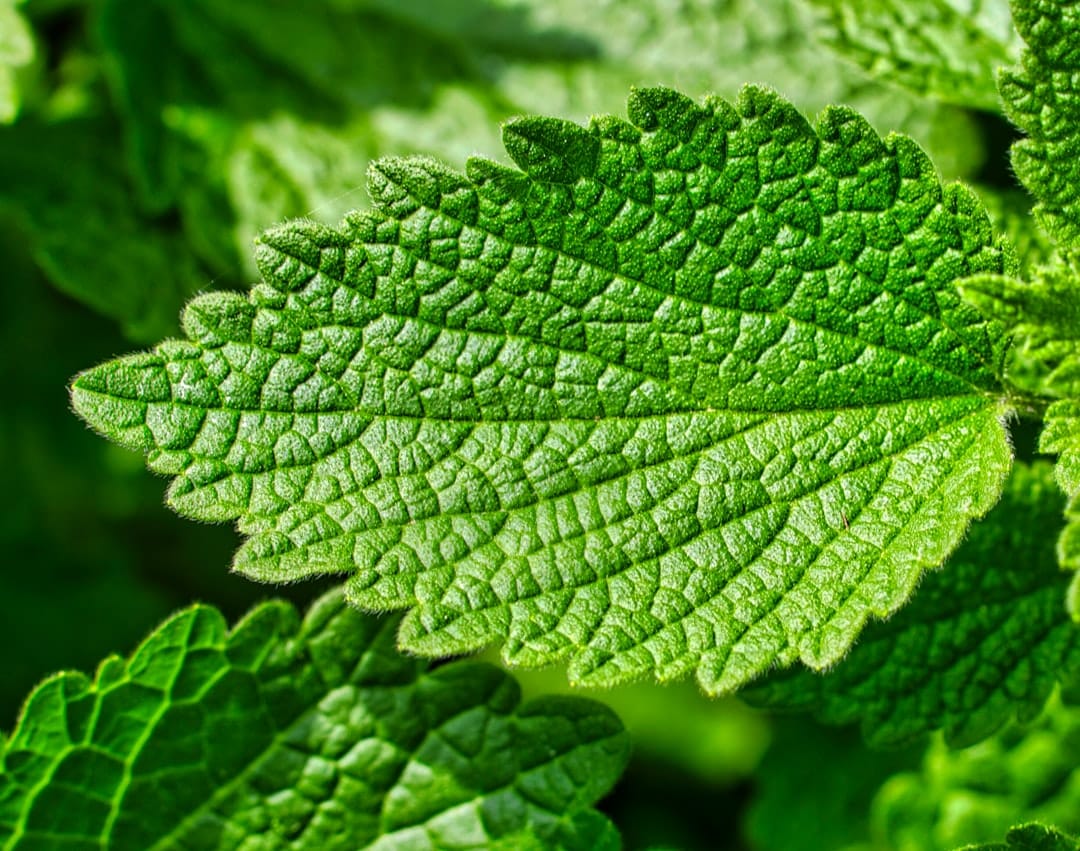
Patchouli essential oil can soothe skin, ease dandruff, and calm a busy mind. Learn how to dilute and use it safely, plus who should skip it entirely.
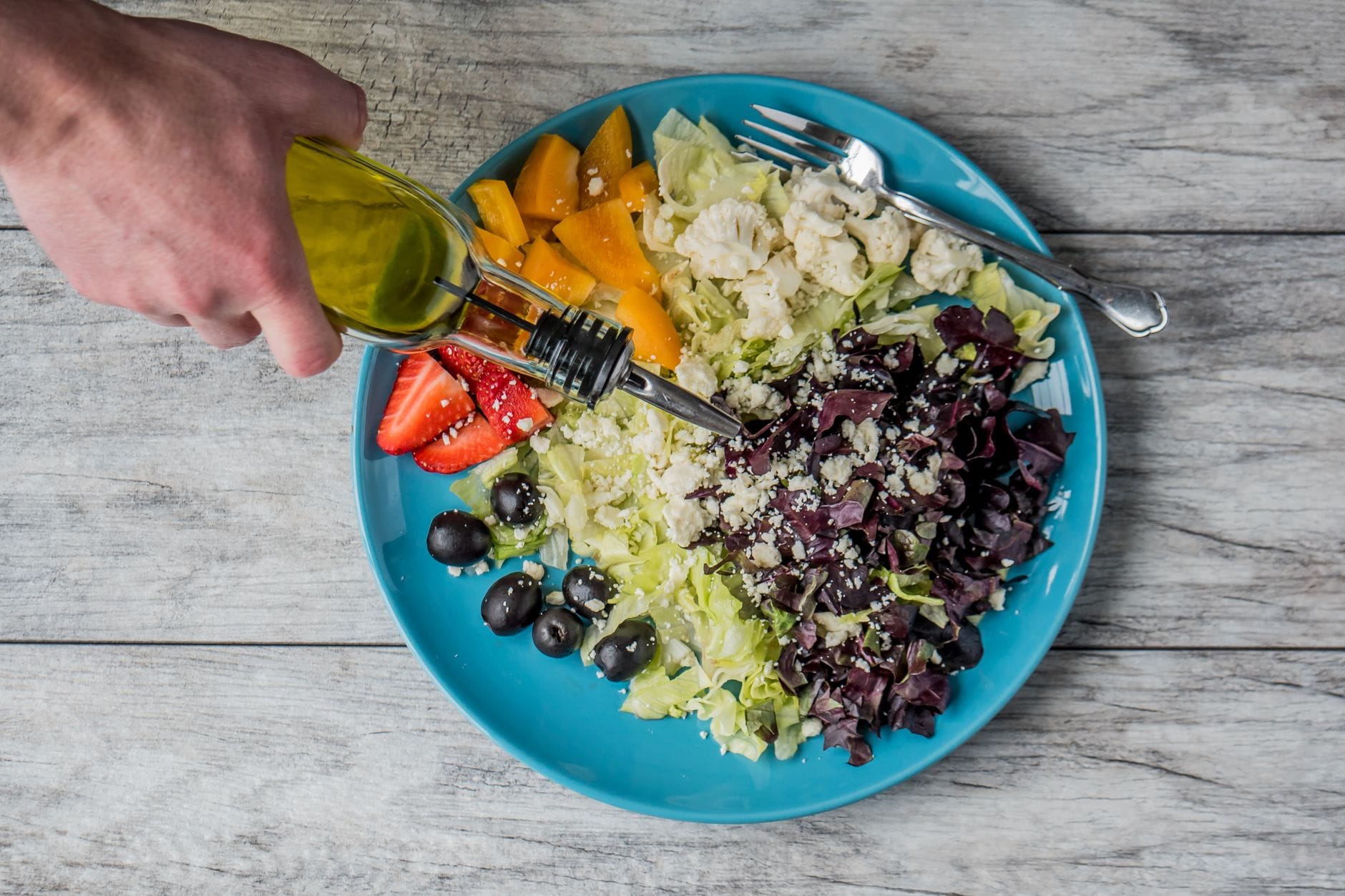
Coconut oil and olive oil both bring flavor and nutrients, but their fats behave very differently. Here’s how they compare for cooking, skin, and your heart.
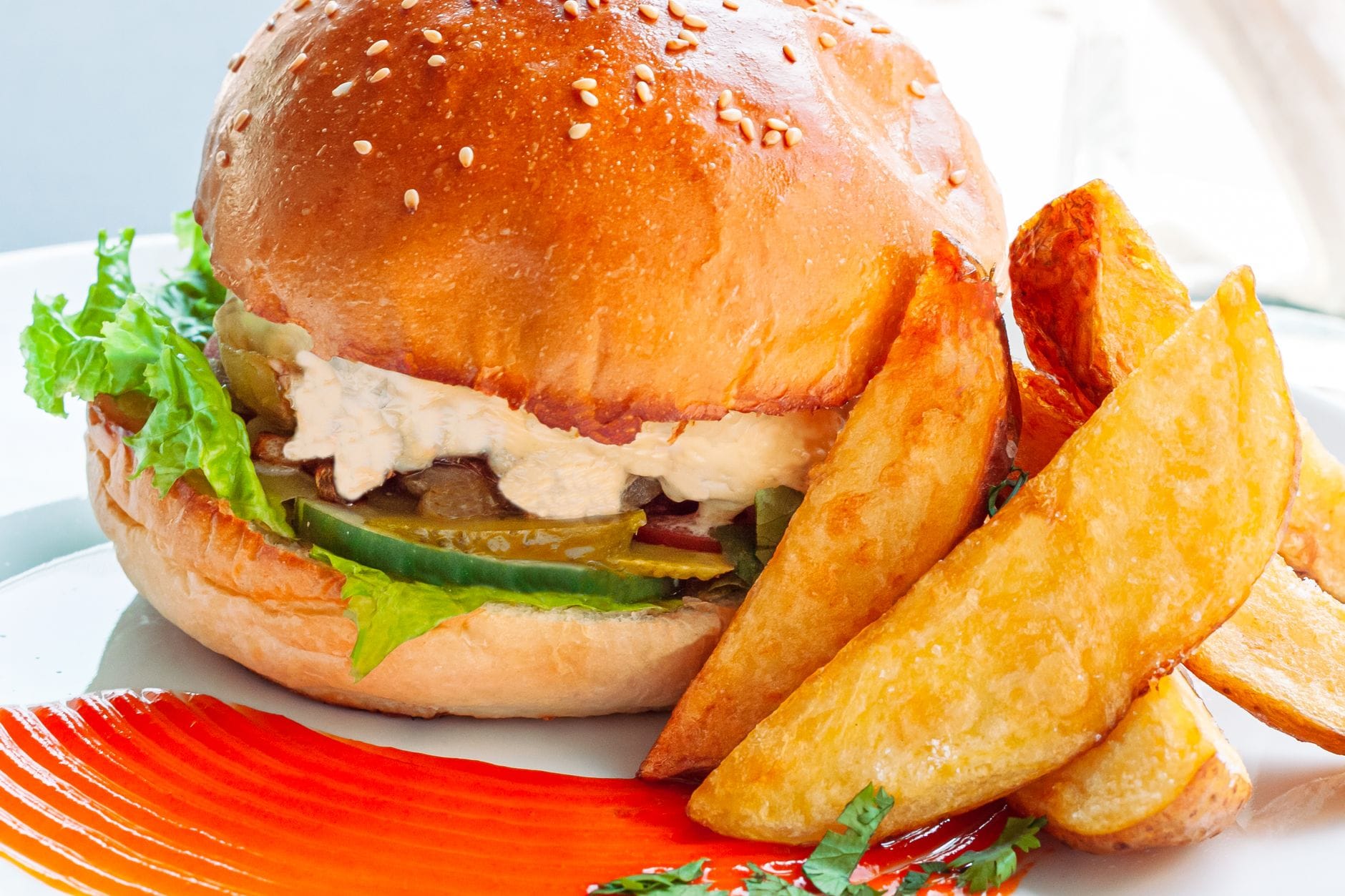
Pickles can support your gut, blood sugar, and post-workout cramps, but the salt has limits. Here’s what the research says about eating them wisely.
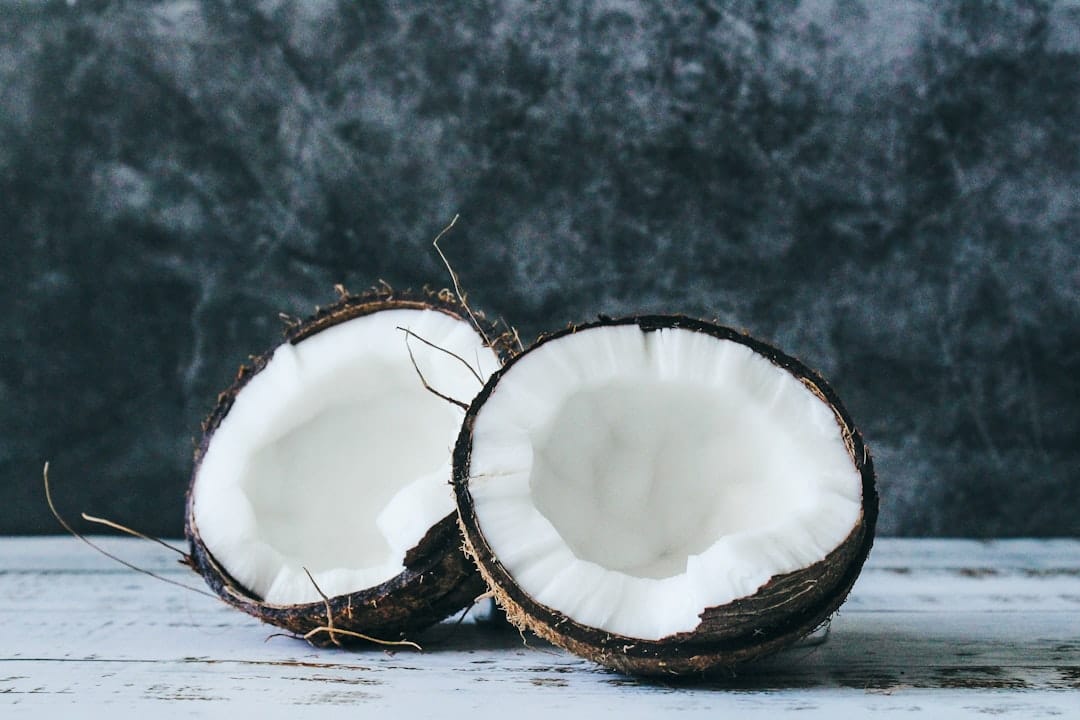
Coconut meat is rich in fiber, MCTs and phenolics. See what the research says about blood sugar, cholesterol and weight, plus how much to eat daily.
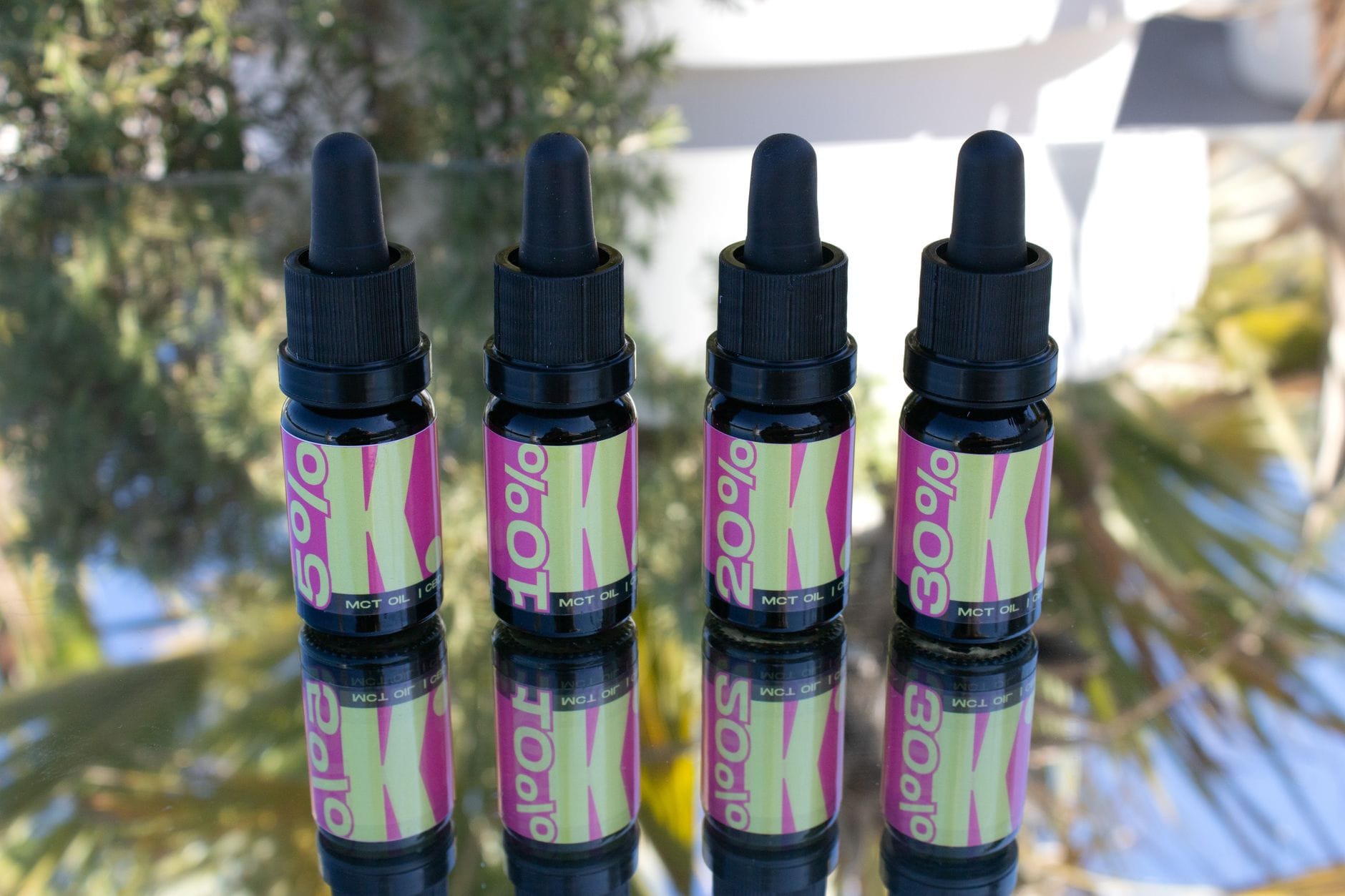
MCT oil is a fast-absorbing fat that fuels energy, supports weight loss, and helps you reach ketosis. Here are 8 evidence-based benefits and the risks.
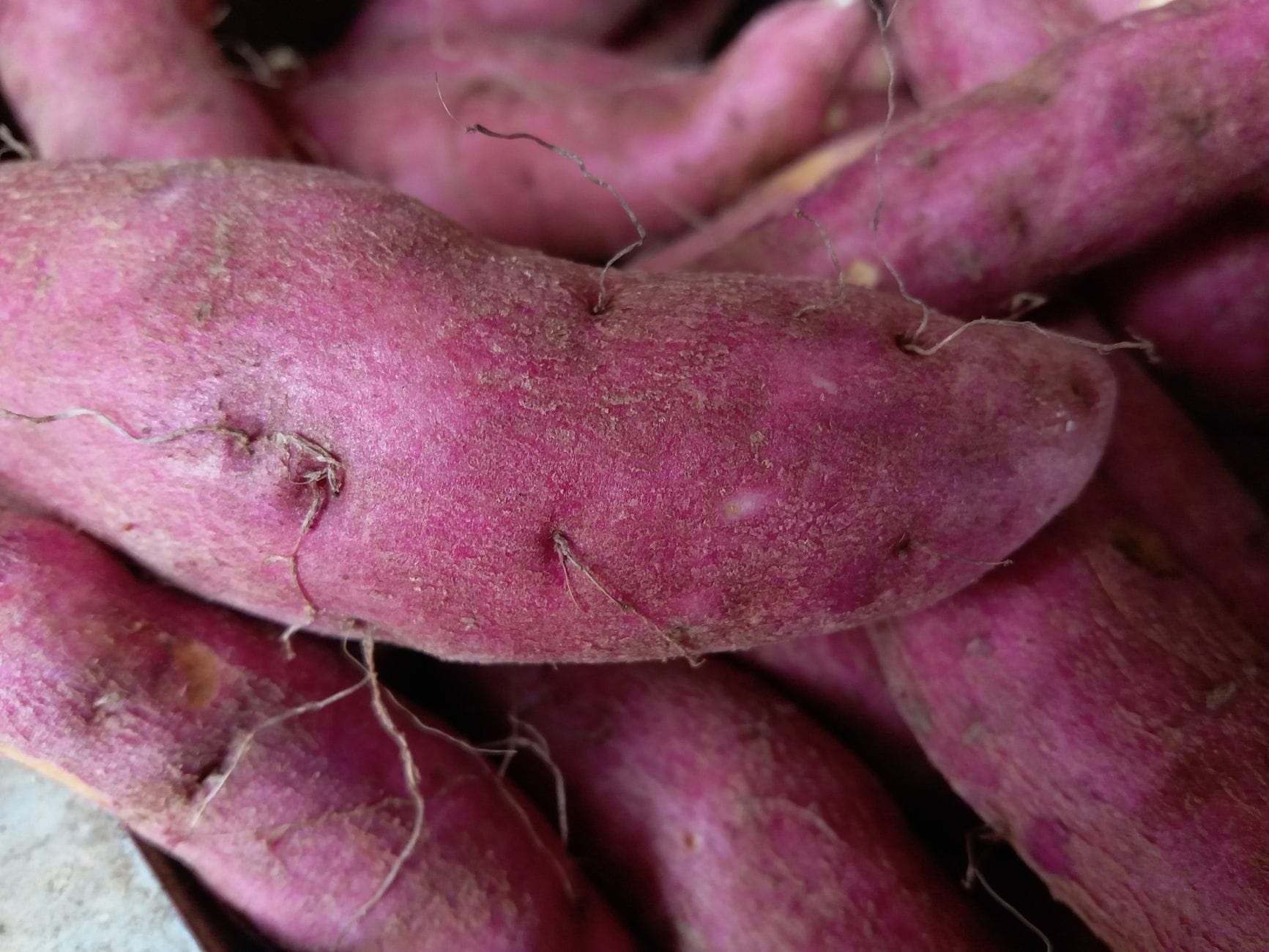
Discover how purple yam supports blood flow, digestion, and weight goals, plus its anthocyanins, easy cooking ideas, and who should be cautious with it.
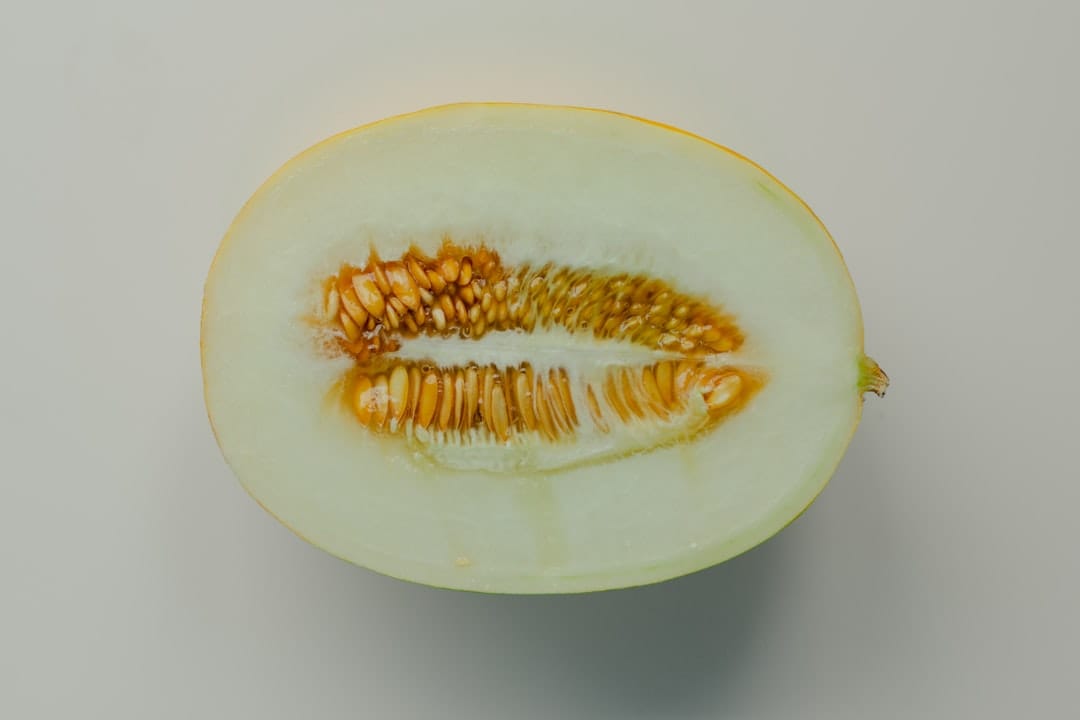
Honeydew melon is about 90% water and low in sodium. Here’s what the science says about its perks for hydration, blood pressure, vision, and skin, plus who should go easy.