
A creamy Middle Eastern staple that does more than make hummus taste good.
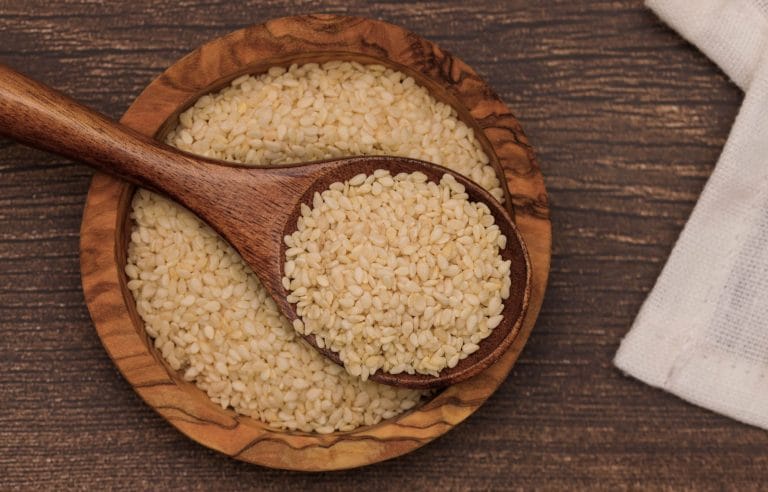
If you’ve scooped up baba ganoush or stirred together a batch of hummus, you’ve already met tahini. It’s simply sesame seeds roasted and blended into a loose, nutty paste, and it turns up across Middle Eastern kitchens for good reason. The flavor is rich and slightly bitter, the texture is pourable, and the nutrition behind it is more interesting than most people expect.
Because tahini is basically concentrated sesame, it carries the seed’s protein, fiber, magnesium, and a group of plant compounds called lignans. That combination is where its reputation comes from. One more practical note: since it’s seed-based, tahini works for many people who can’t touch nut butters.
Key Takeaways
– Tahini is roasted sesame seeds ground into a paste, and it delivers protein, fiber, magnesium, and antioxidant lignans.
– Its sesame lignans and phytosterols are being studied for anti-cancer, anti-inflammatory, and cholesterol-lowering effects.
– Research links sesame to lower knee osteoarthritis pain, better bone density, and protection against age-related cognitive decline.
– It slots into both sweet and savory cooking, from salad dressings to smoothies to baked goods.
– People with a sesame allergy should avoid it, and everyone else should keep portions modest because it’s calorie-dense.
A Look at the Nutrition
Tahini is not a light food, and that’s worth knowing before you go heavy-handed with it. Per 100 grams it runs roughly 633 calories, driven mostly by 53 grams of fat. You also get a solid nutrient load in that same amount:
Protein — 16.67 g
Fiber — 16 g
Carbohydrates — 20 g
Calcium — 433 mg
Iron — 9 mg
Sodium — 17 mg
Cholesterol — 0 mg
The high fat number sounds alarming until you remember nobody eats 100 grams in a sitting. A tablespoon or two gives you the calcium, iron, and healthy fats without wrecking your calorie budget.
The Health Perks Worth Knowing
Most of the evidence here points back to sesame itself, so tahini inherits whatever the seed brings to the table. A few of those findings are stronger than others, and I’ll flag where the science is still thin.
Sesame Lignans and Cancer Risk
Sesame is loaded with lignans such as sesamin, sesamol, sesaminol, and sesamolin. These polyphenols show anti-cancer, anti-inflammatory, and antioxidant activity in lab studies. Researchers have observed them nudging cancer cells toward apoptosis, a kind of programmed self-destruct, and halting the cell cycle, which may lower the risk of cancers of the lung, breast, prostate, colon, liver, cervix, blood, and skin.
There’s a second angle too. Sesame contains phytosterols, plant compounds shaped a lot like cholesterol, so they compete for absorption in the gut and can help pull blood cholesterol down. Diets rich in phytosterols have been tied to better heart health, a stronger immune response, and reduced risk of certain cancers. And because sesamin and sesamol resemble estrogen closely enough to bind estrogen receptors, they may offer some protection against hormone-related cancers.
Easier Joints
Osteoarthritis affects a large share of the population, and the knee is a common trouble spot as cartilage wears down. In one study, patients who added 40 grams of sesame a day on top of their usual medication reported less knee pain, which suggests sesame could work as a helpful add-on rather than a replacement. A separate animal study found sesame oil eased early joint pain in rats by tamping down muscular oxidative stress.
Stronger Bones
 Save
Magnesium quietly does a lot for your skeleton. Falling short of it can push you toward osteoporosis, both by acting directly on bone cells and by throwing off parathyroid hormone, which governs how your body handles calcium. Tahini is a genuinely good magnesium source, so it can help you top up. In one study, women taking in more than 422 mg of magnesium daily had notably higher bone mineral density in the hip and across the whole body.
A Sharper Brain
 Save
Sesame lignans appear to protect the brain, at least in animal work. In mice, they slowed age-related cognitive decline by cutting oxidative stress in brain tissue, which hints that regular lignan-rich foods like tahini might support long-term brain health. This one is less settled, though, and human studies are still needed before anyone promises too much.
Making It at Home
 Save
Store-bought tahini is fine, but the homemade version tastes fresher and takes about ten minutes. You’ll need ¾ cup sesame seeds, 2 to 3 tablespoons of olive oil, and a pinch of salt.
Dry roast the seeds in a pan over low to medium heat, stirring the whole time so they toast evenly and turn fragrant. Pull them off the heat and let them cool. Tip the cooled seeds into a food processor and blend until crumbly, then pour in the olive oil and keep blending until it smooths out into a paste. Stir in the salt and store it in an airtight glass jar.
Easy Ways to Eat More of It
 Save
Tahini’s nutty, creamy character plays well with both savory and sweet food, which makes it easy to sneak into a lot of dishes. Whisk it with garlic and lemon for a tangy dressing over roasted vegetables, blend a spoonful into a fruit smoothie for extra body, or swap it in for butter and oil when you bake. A few reliable uses:
The backbone of a batch of hummus
A pourable salad dressing
A dip for vegetables or bread
A mix-in for cookies, brownies, and other baked goods
One food blogger, Denise, tried it as a salad dressing over cucumber, tomato, and herbs and loved how the creamy nuttiness played against the fresh vegetables.
Where Tahini Can Go Wrong
The main hard stop is a sesame allergy. People who are sensitive can get gastrointestinal upset, vomiting, and hives, and in more serious cases an itchy palate, skin redness, wheezing, or even shock. Reactions are often mild at first, and catching them early and cutting sesame out usually keeps things from escalating.
For everyone else, the issue is quantity. Registered dietitian Sally Stevens notes that too much tahini can trigger indigestion, since the concentrated oil and protein sit heavily in the gut, especially if your digestion is already touchy. Those effects tend to pass within a day or two. Given how calorie- and fat-dense the paste is, moderation matters, and overdoing it can mean unwanted weight gain or a queasy stomach. Portion control is the whole game.
Frequently Asked Questions
Is tahini good for weight loss?
It can fit into a weight-loss plan, but only in small amounts. Its protein and fiber are filling, yet the calorie density is high, so a tablespoon or two is plenty. Treat it as a nutrient-rich flavor booster, not something to eat by the spoonful.
How much tahini is safe per day?
About a teaspoon a day is a sensible baseline, and a tablespoon or two in a recipe is reasonable for most people. Keeping portions modest sidesteps the digestive discomfort and extra calories that come with overdoing it.
Is tahini safe during pregnancy and breastfeeding?
For people without a sesame allergy, tahini is generally considered fine across all age groups, including during pregnancy and while nursing. If you have any concerns, run it by your own doctor first.
The Bottom Line
Tahini earns its place in the pantry. Behind that creamy, slightly bitter paste sits a real dose of protein, fiber, magnesium, and calcium, plus sesame lignans and phytosterols that researchers are actively studying for effects on cancer risk, joint pain, bone strength, and brain aging. Much of the strongest evidence comes from sesame studies rather than tahini directly, and some of it is still early, so think of tahini as a wholesome everyday ingredient rather than a cure. Skip it if you’re allergic to sesame, keep an eye on portions because it’s calorie-dense, and otherwise enjoy it in dressings, dips, smoothies, and whatever you’re baking this week.
This article is for informational purposes only and is not a substitute for professional medical advice. Talk to a qualified healthcare provider before making changes to your diet, especially if you have a food allergy or an existing health condition.