
A plant-based sweetener with a gentle glycemic footprint and a fructose problem worth knowing about.
Cutting back on refined sugar sends a lot of people hunting for a swap, and agave syrup has become one of the trendier options on the shelf. It pours like honey, tastes cleaner and sweeter, and comes with a vegan, gluten-free label that makes it feel like the responsible choice. The reality is more mixed. Agave has a couple of genuine perks and one big catch, and both are worth understanding before you start drizzling it on everything.
Below is a grounded look at where agave comes from, what it does in your body, and how it compares to the sweeteners already in your cupboard.
Key Takeaways
– Agave syrup is roughly 90% fructose, which keeps its glycemic index low and blunts sharp blood sugar spikes.
– That same fructose is the problem in large amounts. Heavy, long-term intake is linked to higher risk of diabetes and heart disease.
– It carries trace folate, a nutrient tied to healthy fetal development and possibly to mood.
– It is sweeter than sugar, so you can use less. Around two-thirds of a cup replaces a full cup of sugar in baking.
– People with diabetes or ongoing gut issues are usually better off skipping it.
What Agave Syrup Actually Is
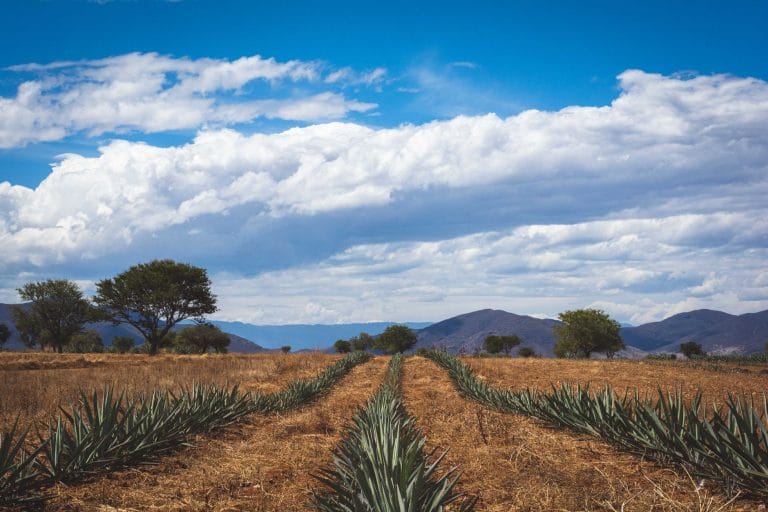
Agave syrup, sometimes sold as agave nectar, comes from the same plant used to make tequila. Producers extract the plant’s juices and either heat them or run them through a process called hydrolysis, which breaks the sugars down into a smooth, golden-brown liquid. The finished syrup runs from light to dark amber and pours with a honey-like thickness.
Because nothing animal-derived goes into it, agave counts as vegan, and it’s naturally gluten-free. The flavor is close to honey but not identical. One home cook who switched to it while looking for a honey alternative described it as sweeter and a touch more astringent, though he grew to like it. That’s a fair summary: familiar, but its own thing.
Patience is baked into the supply chain, too. Agave plants take years to mature before they flower, and depending on the species, climate, and growing conditions, that can mean anywhere from 8 to 30 years.
From Plant to Bottle
 Save
Turning a spiky desert plant into a bottle of syrup takes industrial equipment, not a home kitchen. The basic sequence looks like this:
Mature agave plants are harvested and their leaves trimmed away so the juice can be extracted.
That juice is filtered and heated, which breaks it down and releases fructose.
What’s left is agave syrup, produced either through that heating step or through hydrolysis.
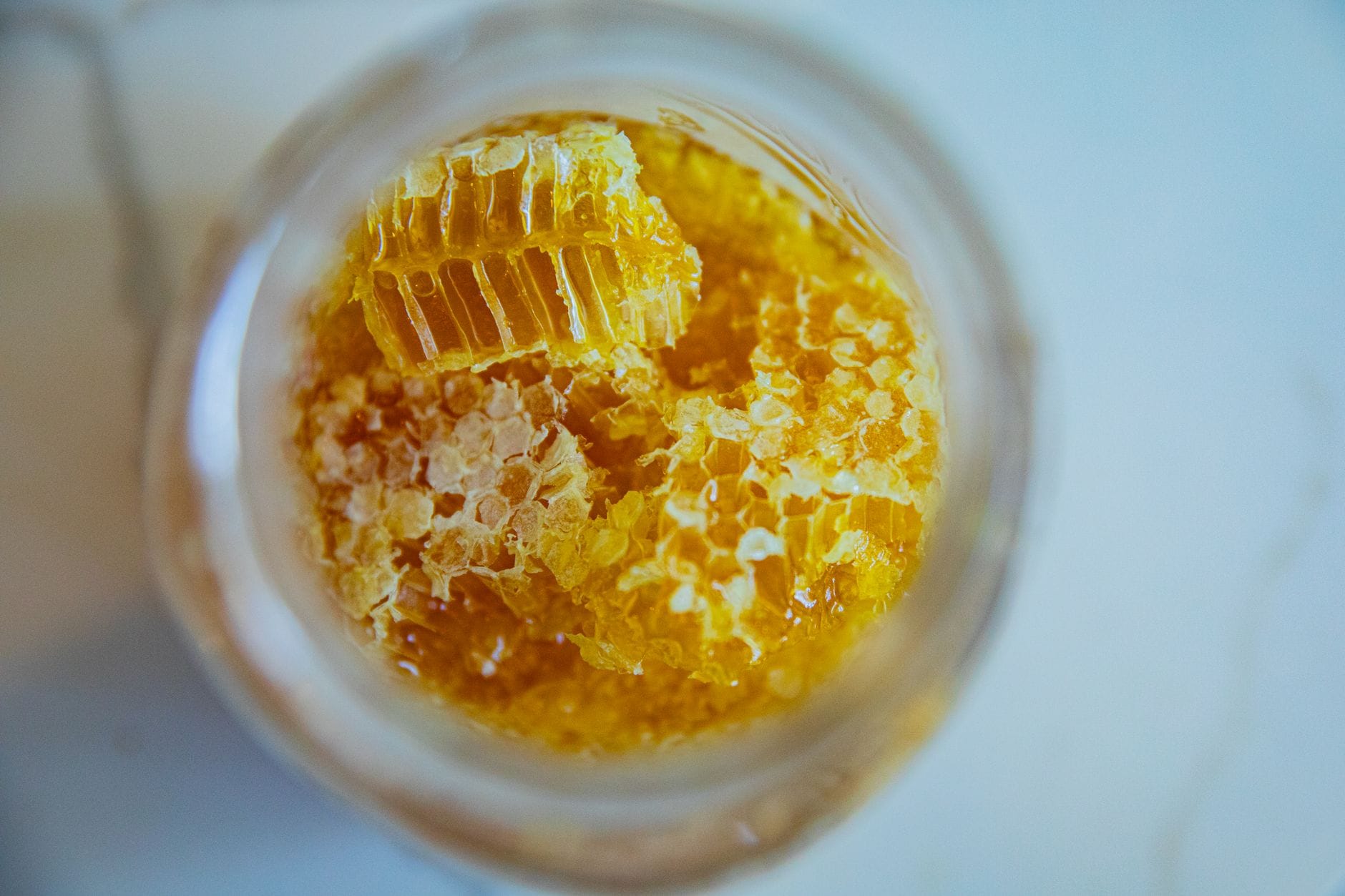
It helps to contrast this with how honey happens, because the two get compared constantly. Bees collect flower nectar through an organ called a nectary, break it into simple sugars inside their bodies, then deposit it in the hive’s waxy cells. By fluttering their wings, they dry the nectar down to about 20% moisture, and at that point it becomes honey. One is a refined plant product; the other is made by an animal.
What’s Inside a Spoonful
Agave isn’t purely empty sweetness. Per 100 grams it delivers small amounts of minerals like potassium and selenium, a trace element your body needs for thyroid function, DNA production, and protecting cells from damage. It also contains a little folate.
Those nutrients show up in modest quantities, so agave shouldn’t be treated as a meaningful source of any of them. Calorie for calorie, it sits in the same territory as other liquid sweeteners. What sets it apart is its sugar makeup, and that’s where the interesting stuff lives.
The Possible Upsides
Research on agave specifically is thin, so treat the following as promising rather than settled.
A gentler effect on blood sugar
 Save
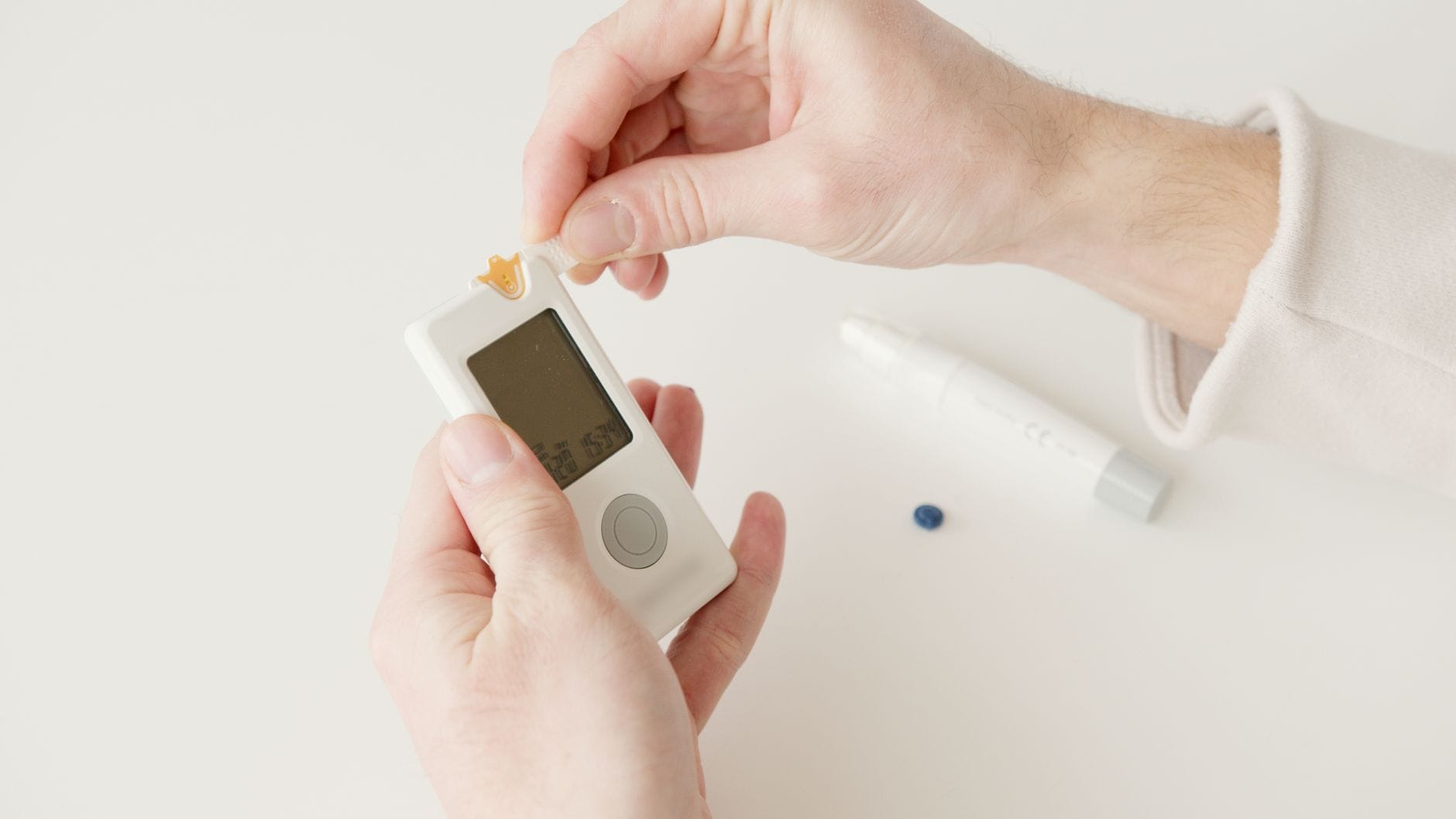
Because fructose makes up close to 90% of agave, its glycemic index is low. Fructose, the sugar found naturally in fruit, doesn’t spike blood glucose the way pure glucose does, and in moderation it’s considered safe. In one study, mice fed agave nectar gained less weight and showed lower blood sugar and insulin levels than expected. It’s a small signal from limited data, and the low-GI claim still needs more human research before anyone leans on it hard.
A little folate for pregnancy
 Save
The trace folate in agave is worth a mention for anyone expecting. Adequate folate during pregnancy supports proper growth of the fetus and lowers the risk of neural tube defects. To be clear, agave is a garnish here, not a supplement, and it won’t replace a prenatal vitamin. But the nutrient is present.
Folate and mood
Folate and folic acid have also been studied in the context of mental health. Some research suggests that a higher intake of folic acid and vitamin B6 may help people dealing with depression or dementia. This is an area still being explored, and agave’s tiny contribution isn’t going to move the needle on its own.
Where Agave Can Go Wrong
The fructose that gives agave its low glycemic index is also its liability. Fructose is metabolized differently from glucose, largely in the liver, and in excess it can cause real trouble.
Studies link high, sustained fructose intake to disrupted metabolism and a greater risk of diabetes and cardiovascular disease. Other research ties prolonged fructose consumption to rising LDL cholesterol, the kind associated with heart problems. Overdo agave regularly and you may also invite weight gain, tooth decay, and added strain on the liver.
This is why the low-GI reputation can be misleading. A sweetener can be easy on your blood sugar in the short term while quietly working against your metabolism over months and years. For people with diabetes, agave’s fructose load makes it a poor pick despite the low glycemic number, and anyone with gastrointestinal issues may find it hard to tolerate.
Cooking and Baking With Agave
 Save
If you do keep agave around, it’s a flexible sweetener. A few practical notes:
Swap it in for honey, maple syrup, or sugar in most recipes. It’s sweeter than sugar, so dial the amount back a little.
For drinks, start with a teaspoon per serving and adjust to taste. In baking, use roughly two-thirds of a cup for every cup of sugar the recipe calls for.
It plays well in both directions, brightening savory dishes like salad dressings and meat or vegetable marinades, and blending smoothly into smoothies, oatmeal, and desserts.
Agave, Honey, or Plain Sugar?
Head to head with honey, the calories per 100 grams land in roughly the same place. Honey pulls ahead on nutrients, though, carrying more potassium and no fat, plus a long track record of practical uses. It’s been part of home remedies for wounds, ulcers, and digestive complaints, and it brings antibacterial properties agave doesn’t have. If the choice is purely about health credentials, honey has the stronger case, assuming a vegan diet isn’t the deciding factor.
Against table sugar, agave’s advantage is mostly the lower glycemic index and the fact that its extra sweetness lets you use less. Neither difference makes it a health food. All three are sugars, and the smartest move with any of them is simply using less than you think you need.
Frequently Asked Questions
Is agave syrup safe for people with diabetes?
Generally no. Even though its glycemic index is low, agave is heavy in fructose, and prolonged high fructose intake is linked to greater diabetes and cardiovascular risk. Most people managing blood sugar are better off avoiding it.
How much agave can I use in a day?
Recipes commonly call for about a third to two-thirds of a cup when replacing sugar, but that’s a substitution ratio, not a daily target. Because of the fructose, keeping your overall added-sugar intake low matters more than the exact spoon count.
Is agave better than honey?
It depends on your priorities. Agave is vegan and gluten-free, which honey isn’t. Honey offers more potassium, no fat, and documented antibacterial and wound-healing uses, so on nutrition alone it tends to win.
The Bottom Line
Agave syrup earns its spot as a plant-based, vegan sweetener with a low glycemic index and a whisper of folate and minerals. Those are modest wins. The catch is its near-total reliance on fructose, which, in the amounts many people end up using, can nudge up the risk of heart disease, weight gain, and liver strain over time. Treat it the way you’d treat any sugar: an occasional swap, used sparingly, not a green light to sweeten freely. If you have diabetes or a sensitive gut, it’s one to leave on the shelf.
This article is for informational purposes only and is not a substitute for professional medical advice. Talk to your doctor or a registered dietitian before making changes to your diet, especially if you are pregnant, managing diabetes, or have a chronic health condition.