

A closer look at what this golden pantry staple can actually do for your body.
Honey is one of the oldest sweeteners we still reach for, and for good reason. Beyond the sugar, it carries flavonoids, folate, manganese, iron, and a handful of antioxidant minerals that give it a nutritional edge over the white stuff in your sugar bowl. That doesn’t make it a health food you can eat by the spoonful all day, but it does earn honey a spot in a thoughtful kitchen.
Here’s a grounded tour of what honey may offer, which types are worth knowing, and where to be careful.
Key Takeaways
– Honey is a natural sweetener with antioxidants, minerals, and antibacterial properties packed into a small serving.
– Its flavonoids and phenols may support heart and blood vessel health.
– Raw honey can help wounds and burns heal, and a spoonful may quiet a cough.
– With a lower glycemic index than table sugar, it releases energy more slowly, though it still raises blood sugar.
– Anyone managing diabetes should treat honey as sugar and keep portions small.
What Raw Honey Actually Is
 Save
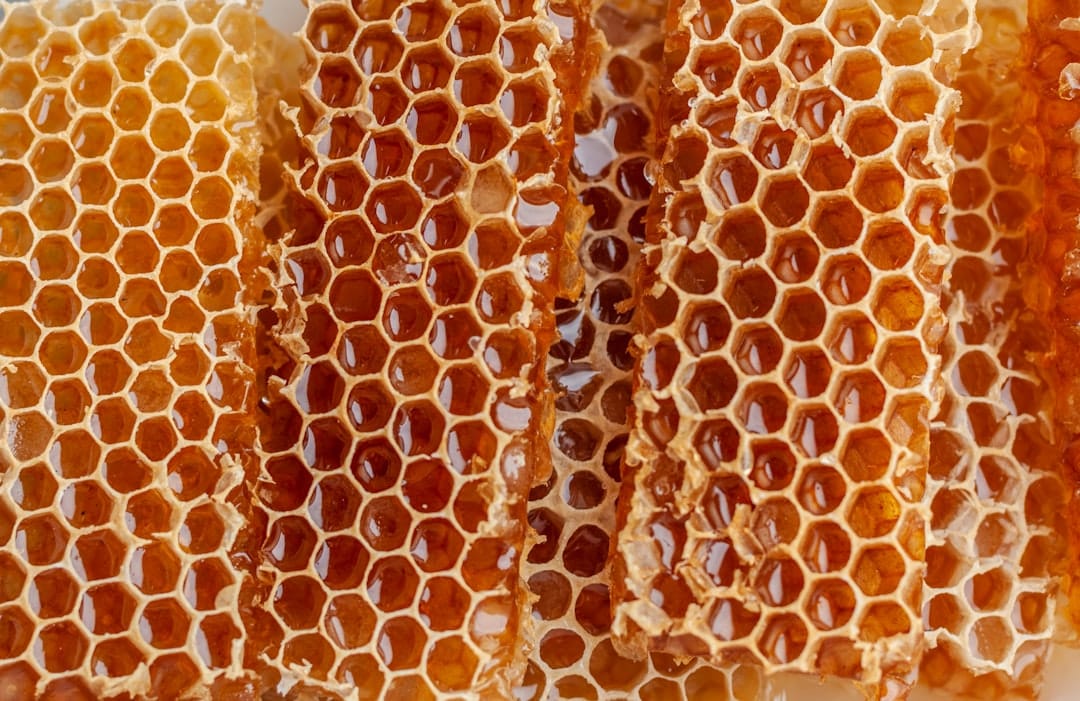
The purest honey comes straight from the hive, and the labor behind it is staggering. Worker bees drain nectar from roughly two million flowers to make a single pound. When that nectar is filtered just once to strip out beeswax and stray bits, you get raw honey. It tends to crystallize in the cold, looks thicker and cloudier, and still holds the good yeast and antioxidants that go more or less directly into your bloodstream.
Processors sometimes filter honey a second time to remove the yeast and air bubbles. The result pours clear, looks pretty on a shelf, and lasts longer, but most of the nutritional value is gone. If you want the benefits below, reach for the jar labeled raw.
A Quick Look at the Nutrition
One tablespoon (about 21 grams) of raw honey is mostly natural sugars, but it isn’t empty. It supplies small amounts of minerals along with trace copper, selenium, and fluoride, which act as antioxidants in the body. You’ll also find a whisper of fiber, some folate, and traces of vitamins B3, B12, and C. None of these show up in large numbers, so honey supports your nutrition rather than carrying it.
What Honey May Do for Your Health
Most of honey’s reputation traces back to its antioxidants, especially phenols and flavonoids. These compounds fight oxidative stress and behave in ways that touch several body systems at once.
A friend to your heart
Phenols in honey have vasorelaxant properties, meaning they help blood vessels relax. When vessels loosen, your heart doesn’t have to push as hard to move blood around, which eases pressure on it. Researchers have also looked at antioxidant therapy as a way to lower the risk of heart damage, and honey is a natural source of those antioxidants.
There’s a cholesterol angle too. Flavonoids may slow the oxidation of LDL, the “bad” cholesterol. Oxidized LDL forms foam cells that can build into atherosclerosis, the narrowing of arteries behind many heart attacks and strokes. One large study found that flavonoid intake was linked to lower heart disease risk in postmenopausal women. Honey wasn’t the food tested, so this connection is promising rather than proven, and more research is still needed.
Faster wound and burn healing
 Save
This is one of honey’s best-documented uses. Raw honey produces hydrogen peroxide, a natural antibacterial agent that clears bacteria from a wound and keeps new infection out. Its flavonoids add anti-inflammatory action, which helps burns settle down and heal with less flaring. It works on a wide range of wounds, burns included.
Calming a stubborn cough
 Save
A teaspoon of honey taken straight has been shown to ease heavy coughing in children, and its antimicrobial nature works against the infections that trigger a cough in the first place. The antioxidants may also help loosen congestion in the chest. If a lingering cough or chest tightness is what’s bothering you, honey is one of the gentle kitchen staples worth trying alongside other natural ways to soothe respiratory symptoms. A quick caveat: never give honey to a baby under one year old, because of the risk of infant botulism.
Blood sugar and metabolic health
Honey has a relatively low glycemic index, so energy trickles into the bloodstream more slowly than it does from granulated sugar. That slower release is why some research connects honey to better management of metabolic syndrome, the cluster of obesity, high blood pressure, unhealthy cholesterol, and diabetes that so often travel together. A few studies suggest honey may even nudge blood sugar down and help curb excess weight gain. It still contains sugar, though, so the low GI is a reason to prefer it over table sugar, not a license to pour it freely.
Skin support
Honey brings a little calcium, which, paired with a good diet, helps keep skin healthy, supports cell repair, and may ease eczema. People wrestling with breakouts sometimes notice honey calms the redness and swelling of cystic acne over a couple of weeks. If clearer skin is your goal, it fits neatly into a routine built on gentle remedies you can make at home.
Not Every Jar Is the Same
There are over 300 kinds of honey in cultivation. Three are worth singling out.
Manuka honey. Made by bees feeding on Manuka bushes in New Zealand, it’s called non-peroxide honey because it lacks the hydrogen peroxide most varieties have. Even so, its low pH and high sugar content fight bacterial growth.
Acacia honey. Sweet and floral, high in fructose and low in glucose, it’s one of the safer choices for people watching blood sugar. It also carries chrysin, an antioxidant studied for lowering the risk of certain cancers.
Sage honey. Mild and clover-like, it acts as a prebiotic, feeding beneficial bacteria in the colon and boosting short-chain fatty acids. That may improve digestion and reduce fat absorption.
Simple Ways to Use Honey at Home
 Save
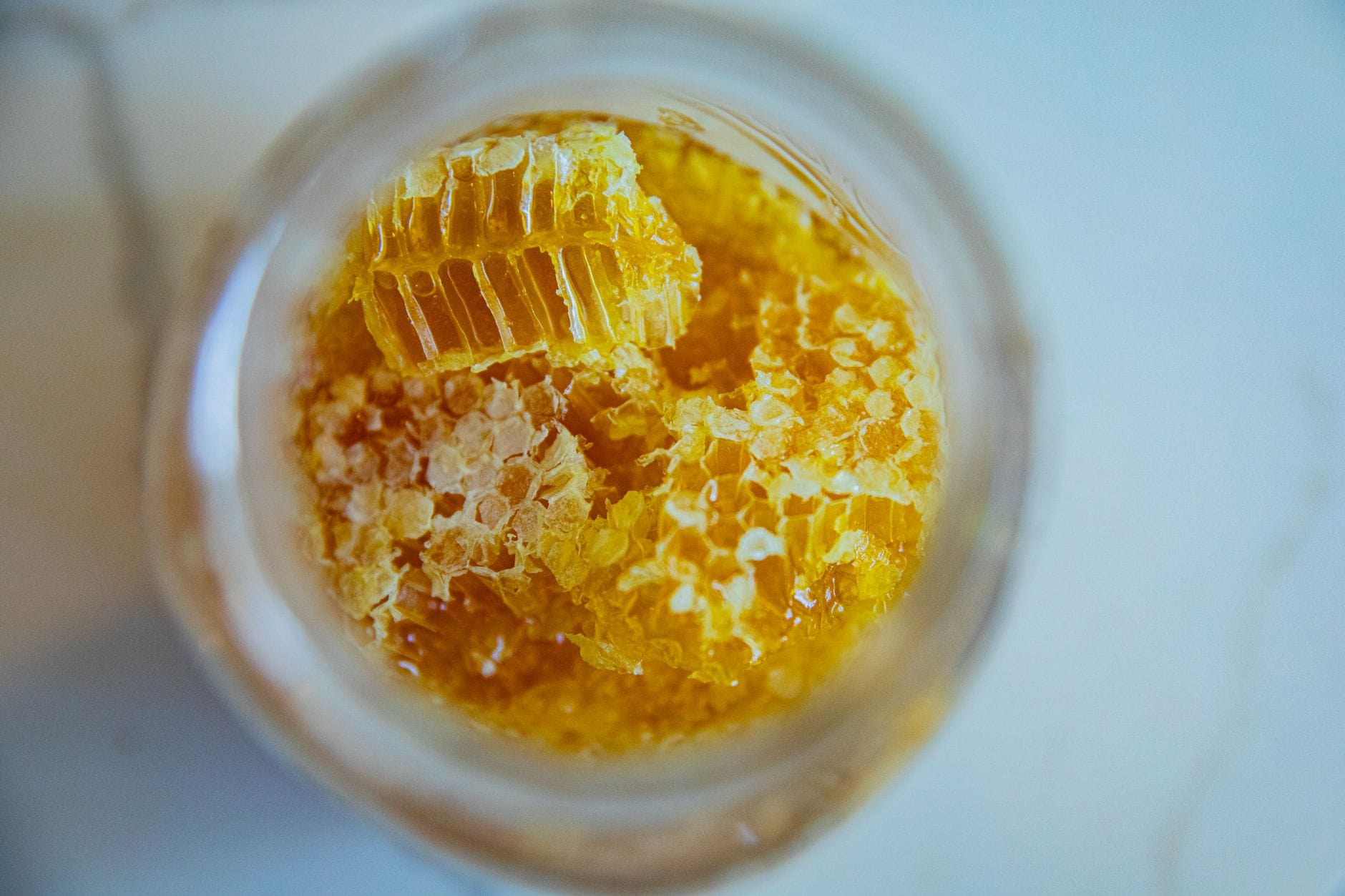
Honey earns its keep outside of tea, too. For dry, flaky skin, mix two tablespoons of honey with about a third of a tablespoon of pure cinnamon powder, spread a thick layer on the skin, leave it for eight to ten minutes, then rinse and pat dry. Many people find it soothing for eczema or psoriasis patches.
As a deep conditioner, honey shines. Combine two parts honey with one part olive oil, warm it for around 20 seconds, and let it cool so it’s comfortable. Work it from roots to ends on clean, damp hair, massaging your scalp with your fingertips to bring blood flow to the roots. Tuck everything under a shower cap for 30 minutes, then rinse with a mild shampoo. If you like homemade hair and skin treatments, honey slots right in next to other kitchen ingredients that lock in moisture.
Frequently Asked Questions
Can people with diabetes eat honey?
In small amounts, sometimes. Honey has a lower glycemic index than table sugar, but it still raises blood sugar. Keep intake modest and check with your doctor before making it a regular habit.
Is raw honey better than the clear supermarket kind?
Nutritionally, yes. Raw honey is filtered only once and keeps its antioxidants, good yeast, and cloudy texture. Heavily processed honey looks nicer and lasts longer but loses most of that value.
How much honey is reasonable in a day?
Treat it as an added sugar. A teaspoon or two folded into food or drink is plenty for most people who are otherwise eating a balanced diet.
The Bottom Line
Honey is a genuinely useful pantry staple: antioxidant-rich, mildly antibacterial, and gentler on blood sugar than refined sugar. The evidence is strongest for wound and burn care and for soothing coughs, while the heart and metabolic benefits look encouraging but need more study. Choose raw honey, use it in place of sugar rather than on top of it, keep portions small if you’re managing diabetes, and skip it entirely for babies under one.
This article is for informational purposes only and is not a substitute for professional medical advice. Talk to a qualified healthcare provider before using honey to treat any health condition, especially if you have diabetes, allergies, or a compromised immune system.