

Gentle, at-home support to calm the cough, ease the chest, and help you recover — alongside proper medical care.
Pneumonia can sneak up on you. It often begins looking like an ordinary cold or flu, but it can escalate quickly, leaving your lungs inflamed and filled with fluid or phlegm. Because the condition can be contagious — and, in some cases, serious — the goal is always to catch it early and support your body while your doctor guides treatment.
The remedies below won’t replace antibiotics or antivirals when those are needed, but they can soothe symptoms, thin mucus, and make the recovery road a little easier. Think of them as comfort measures, not cures.
Key Takeaways
– Pneumonia is an infection that inflames the lungs and fills the air sacs with fluid, often following a cold or flu.
– Kitchen staples like garlic, honey, ginger, and apple cider vinegar have properties that may help ease symptoms.
– Steam and humidified air can loosen phlegm and make breathing more comfortable.
– Home remedies are supportive only — vaccines, antibiotics, and medical care remain the real treatment.
– If symptoms persist, worsen, or include high fever or breathlessness, see a doctor without delay.
Understanding Pneumonia Before You Treat It
Pneumonia is a microbial infection that can affect one or both lungs. When the air sacs fill with fluid or pus, breathing becomes harder and your whole body feels the strain. It’s no small problem: research on community-acquired pneumonia found roughly 24.8 cases per 10,000 adults each year, and it ranks among the leading causes of death.
People who are already run down — fighting a cold, the flu, or living with conditions like asthma or diabetes — are more vulnerable, because weakened lungs give germs an easier foothold.
What Causes It
The usual culprits are bacteria, viruses, and fungi that you breathe in through air, food, or water. Streptococcus pneumoniae and influenza viruses are common triggers; fungal forms often come from soil or bird droppings and tend to strike those with weakened immunity.
Symptoms to Watch
A cough that brings up phlegm
Difficulty breathing or wheezing
Chest pain that sharpens when you cough
A fever above 101°F with chills
Confusion or disorientation in more severe cases
Symptoms shift with age. Young children may breathe rapidly, infants can grow weak or vomit, and older adults sometimes run a lower-than-normal body temperature. These groups face the highest risk, so early attention matters most.
Soothe the Cough with Garlic and Honey
 Save
SaveTwo pantry heroes stand out for easing an irritated chest.
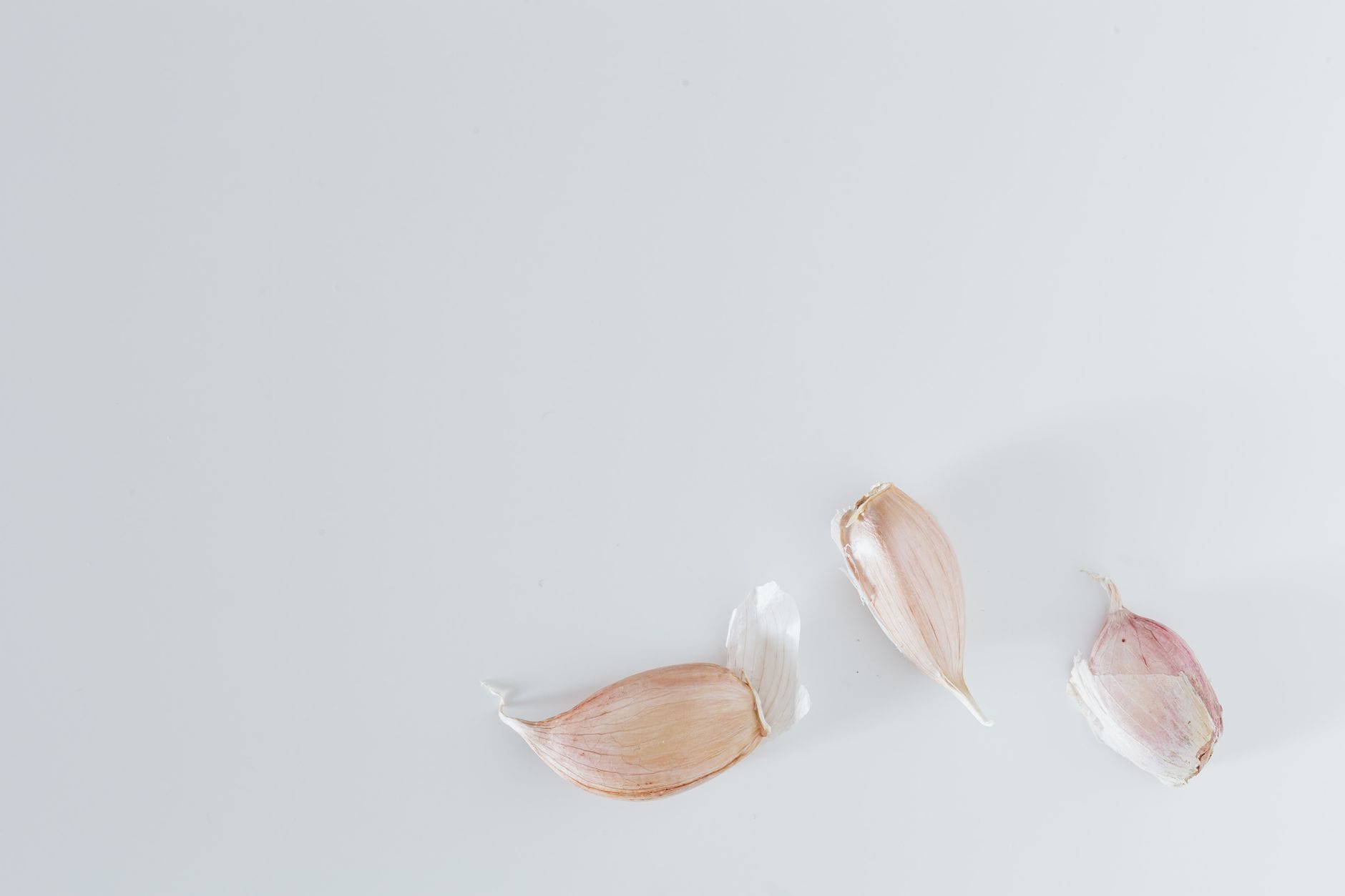
Garlic contains allicin, a compound with antibacterial and antifungal activity that may help the body fight infection, while also acting as a natural expectorant to clear phlegm. Chew a few raw cloves, stir them into hot soup, or crush them into a paste applied to the chest once a day.
Honey pairs beautifully with garlic and warm liquids. A teaspoon stirred into tea or warm water can coat a raw throat and calm coughing fits, making it easier to rest.
Apple Cider Vinegar Tonic
A simple morning drink may help too. Stir one tablespoon of apple cider vinegar and a teaspoon of honey into half a glass of warm water and sip it through the day, once daily. Apple cider vinegar carries anti-inflammatory, antibacterial, antiviral, and antifungal properties that may work against the microbes behind pneumonia.
Warm Up Your Immune Defenses
Turmeric and Ginger
 Save
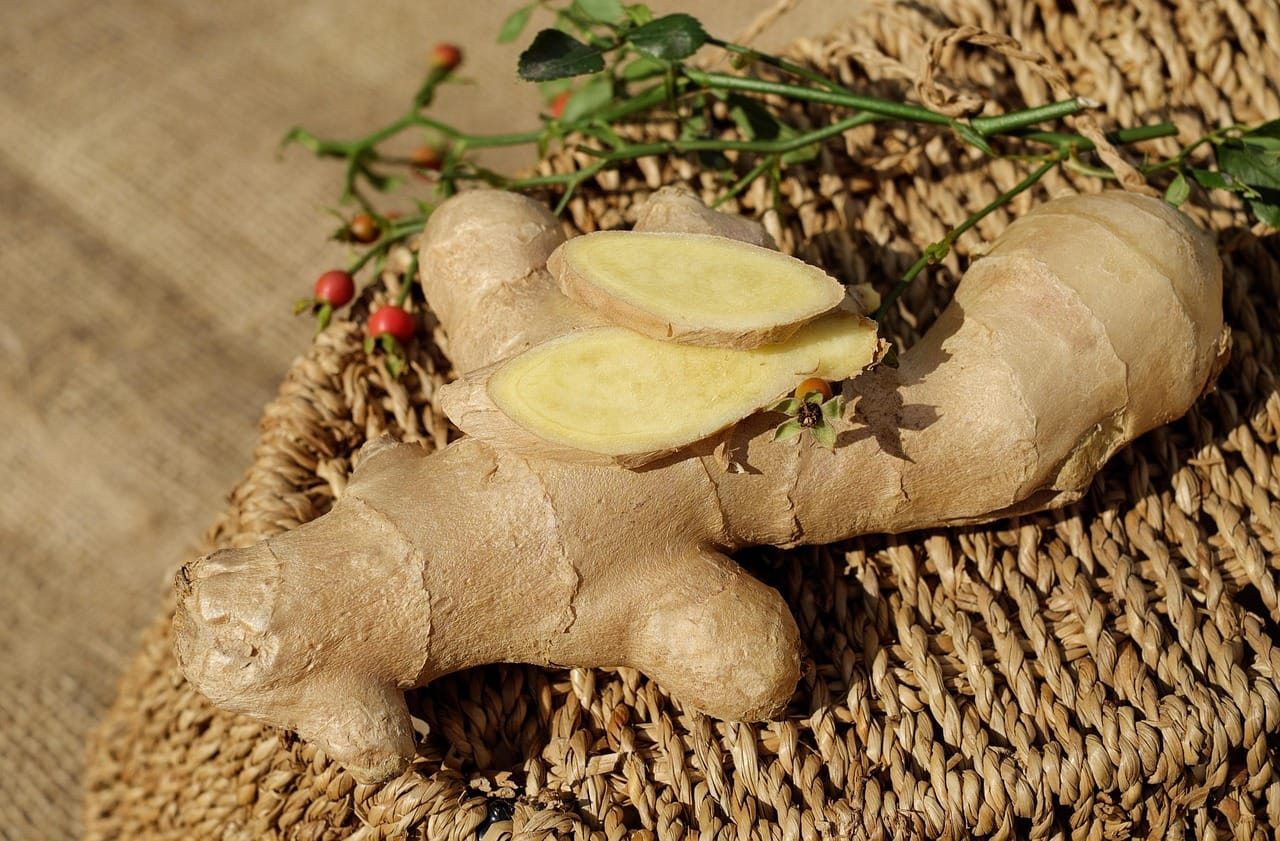
SaveThese golden kitchen spices have long been used for their anti-inflammatory qualities. Add fresh ginger to teas and broths, or whisk turmeric into warm milk. Both can help soothe irritated airways and bring warmth and comfort during recovery.
Vitamin C
 Save
SaveA shortfall of vitamin C may raise your susceptibility to pneumonia. As an antioxidant, it supports immune function and can boost the antibacterial action of other substances. Load your plate with citrus fruits, leafy greens, and nuts. If you’re considering a supplement, check with your doctor first about the right dose for you.
Holy Basil, Fenugreek, and Other Traditional Picks
Herbal traditions lean on holy basil, fenugreek seeds, sesame seeds, and dandelion tea to loosen mucus and ease discomfort. Warm vegetable and parsnip juices, along with fresh carrots and apples, add nourishing vitamins when your appetite is low and your body needs gentle fuel.
Loosen Congestion with Steam
 Save
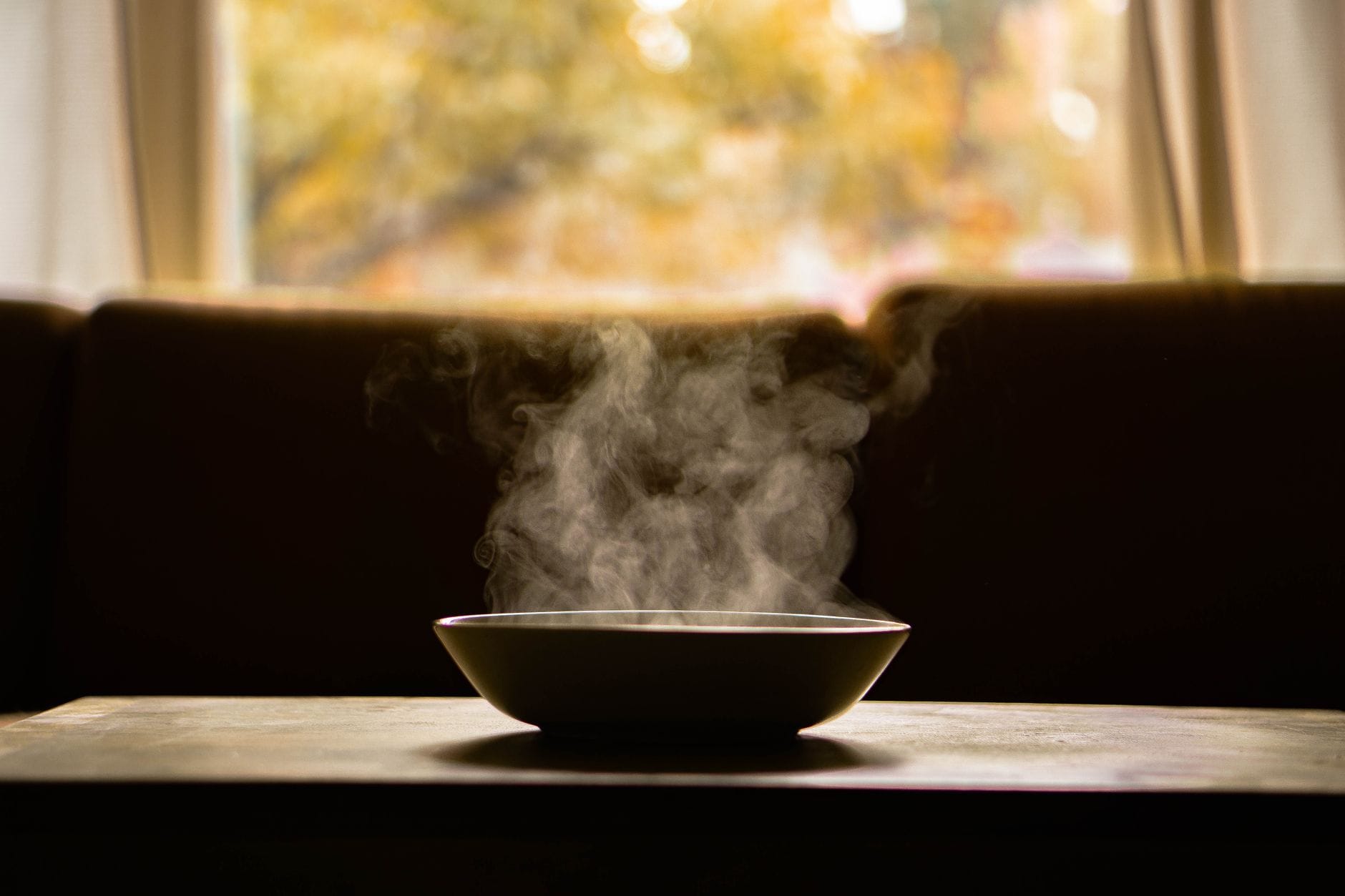
SaveWhen your chest feels tight, moist warm air is one of the most reliable forms of relief.
Steam inhalation: Lean over a bowl of hot water with a towel over your head and breathe deeply for a few minutes. The warm vapor helps thin mucus so it’s easier to clear.
Humidifiers: Running one, especially overnight, keeps the air moist and can ease nighttime coughing.
Soothing Oils and Rubs
A few drops of peppermint oil blended into a carrier oil like olive or almond can be massaged onto the chest and back once daily; peppermint has antimicrobial and pain-relieving qualities. Traditional standbys such as a chest vapor rub, camphor, and oregano oil may also bring comforting relief to congested airways.
Rest, Fluids, and Patience
No remedy works as hard as your own body when it’s given a chance to heal. Prioritize sleep, drink plenty of warm fluids, and keep your environment humid and smoke-free. These basics thin secretions, keep you hydrated, and free up energy for your immune system to do its job.
Frequently Asked Questions
Can pneumonia be treated at home without antibiotics?
Sometimes mild, viral pneumonia clears with rest and supportive care, but many cases — especially bacterial ones — require prescription medicine. Only a doctor can tell which you have, so never skip a medical evaluation.
How long does pneumonia take to recover from?
It varies widely. Some people feel better within a week or two, while others — like those who lose significant weight or strength — need weeks to fully regain their energy and breathing capacity.
When should I see a doctor immediately?
Seek care right away if you have trouble breathing, chest pain, a persistent fever above 101°F, bluish lips or nails, or confusion. In infants, older adults, and anyone with a chronic illness, act at the first sign.
The Bottom Line
Home remedies for pneumonia — garlic, honey, warming spices, vitamin C, steam, and plenty of rest — can genuinely ease symptoms and support your recovery. But they work best as companions to proper medical care, not substitutes for it. Because pneumonia can turn serious quickly, especially for the very young, the elderly, and those with weakened immunity, listen to your body. If things don’t improve within a few days or symptoms escalate, get medical help promptly. Prevention through vaccination and healthy habits remains your strongest shield.
This article is for informational purposes only and is not a substitute for professional medical advice, diagnosis, or treatment. Always consult a qualified healthcare provider regarding any medical condition or before starting any new remedy or supplement.