
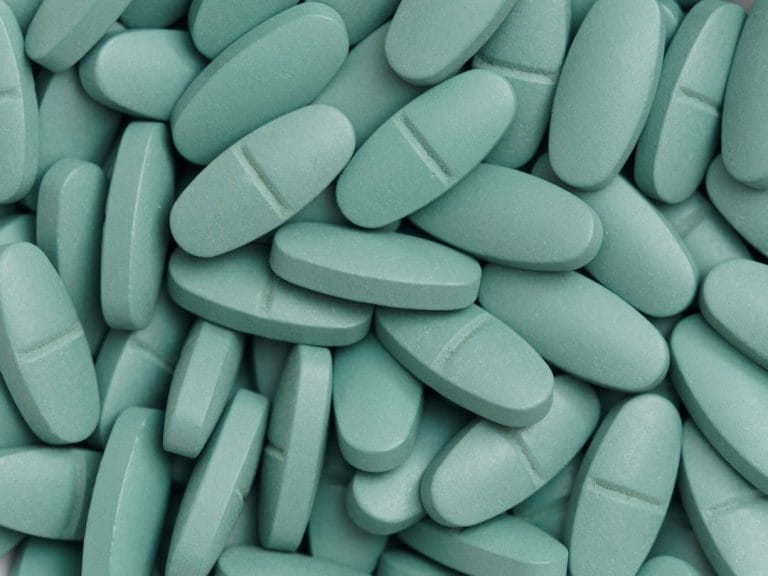
Two green algae supplements that look almost identical, and the small differences that decide which belongs in your cup.
Walk down the supplement aisle and you’ll spot two deep-green powders that seem interchangeable. Chlorella and spirulina are both algae, both packed with protein and antioxidants, and both marketed to people who want more nutrition without more food on the plate. They really are close cousins. But the fine print separates them, from how your gut handles each one to who should leave them alone entirely.
This guide walks through what each algae is, where their nutrition overlaps and splits, the health perks backed by research, and the side effects nobody puts on the front of the jar.
Key Takeaways
– Chlorella and spirulina are nutrient-dense algae supplements that may help trim LDL cholesterol and steady blood sugar.
– Chlorella carries more calories, fat, iron, and calcium; spirulina often edges ahead on protein and certain B vitamins.
– Chlorella has a tough cell wall and only works in a “broken cell wall” form, while spirulina digests easily as-is.
– Both blend well into smoothies, soups, and salad dressings.
– People with autoimmune conditions or those on blood thinners should skip them unless a doctor says otherwise.
What Chlorella and Spirulina Actually Are
 Save
SaveChlorella is a single-celled freshwater algae, round and vivid green, prized for its heavy chlorophyll load. You’ll find it as a powder, capsule, or extract.
Spirulina is a blue-green, spiral-shaped algae that grows in both fresh and salt water. It’s multicellular, low in calories, high in protein, and known for a strong, almost oceanic taste. It shows up as powder, tablets, and even gummies.
How the Two Algae Differ
They share a nutritional resume, yet a handful of distinctions matter in practice.
The clearest one is digestibility. Chlorella’s cell wall is tough and hard for the human gut to crack, so manufacturers have to rupture it first. That’s why you’ll only ever see chlorella sold as a “broken cell wall” product. Spirulina has no such barrier and breaks down on its own, which makes it the gentler option for sensitive stomachs.
There’s also the protein story. Some spirulina strains run so high in protein that it earned a spot in astronaut diets, a fact that says a lot about its density per gram. Chlorella, meanwhile, brings more fat and calories to the table.
Minerals split the difference. Chlorella tends to be richer in zinc and magnesium, while spirulina leans toward thiamine and copper. And chlorella has one thing spirulina lacks outright: chlorella growth factor, a compound tied to nerve cell repair and cell production. Some users credit it with an immune boost, though that piece rests more on anecdote than hard proof.
Nutrition at a Glance
 Save
SavePer 100 grams, the two overlap on antioxidants and then diverge. Chlorella pulls ahead on calories, calcium, iron, and fat. Spirulina delivers copper and slightly more thiamin (vitamin B1). Their fat profiles differ too: spirulina is higher in omega-6 fatty acids, chlorella higher in omega-3s.
Neither is something you eat by the bowlful, of course. A teaspoon or two folded into food is where these numbers actually land, which is worth keeping in mind before the mineral content sways your choice.
What They May Do for Your Health
Most of the interest in these algae comes down to three areas, and the evidence is stronger in some than others.
Blood Sugar
Chlorella has been studied for its effect on blood glucose in healthy people and in those at higher risk of lifestyle-related disease. Part of the mechanism seems to involve slowing the formation of advanced glycation end products (AGEs), proteins that draw glucose and can aggravate diabetes.
Spirulina shows a similar bent. Animal studies point to lower blood sugar with oral supplementation, and its phytochemicals give it anti-diabetic activity. In people with type 2 diabetes, daily doses ranging from 0.8 to 8 grams have been linked to reduced fasting blood sugar.
Heart Health
 Save
SaveThis is where chlorella has some of its best data. Taking 10 grams of chlorella tablets plus 100 ml of liquid extract daily for two to three months was associated with steadier blood pressure and lower total and LDL cholesterol. A Nutrition Journal study found that even a modest 416 mg daily dose improved blood lipids in people with elevated cholesterol. A later trial confirmed drops in total and LDL cholesterol, though triglycerides and HDL didn’t budge.
Spirulina holds its own here. One study out of Greece reported that 1 gram a day for three months lowered LDL cholesterol by about 10 percent.
Antioxidants and Detox
Both algae are loaded with antioxidants. Six weeks of chlorella supplementation improved free-radical scavenging in male smokers in one Korean study. Spirulina brings phycocyanin, a pigment-based antioxidant that fights free radicals. Their antioxidant richness is also why both get promoted as detox aids, sometimes at higher doses for binding heavy metals. That last use is best done under medical supervision rather than by guesswork, since the “cleanse” claims run well ahead of the science.
Side Effects Worth Knowing
Chlorella is generally considered safe, but it isn’t side-effect-free. Some people report nausea, stomach cramps, and general abdominal discomfort. In rarer cases it has been linked to asthma and, more seriously, anaphylaxis, a fast and potentially life-threatening allergic reaction.
Spirulina carries its own caution. It can contain microcystins, and consuming too much of a contaminated product may strain the liver, which is why sourcing from a reputable brand genuinely matters. There’s also anecdotal reason to think spirulina may slow blood clotting, though that needs firmer research before anyone calls it settled.
How Much to Take and How to Use It
 Save
SaveDosing depends on the goal and the product, so the label and your doctor should guide the amount rather than a blog number. In the studies above, chlorella showed benefits anywhere from a few hundred milligrams to 10 grams a day, and spirulina from under a gram up to several grams.
Using them is the easy part. Blend a spoonful into a fruit smoothie where the sweetness masks the grassy taste, stir it into soup off the heat, whisk it into a salad dressing, or take the tablets straight with water. Start small. The flavor is bold and the digestive adjustment is real, so a gentle ramp-up beats diving in at a full dose.
Frequently Asked Questions
Which one has more protein?
Spirulina usually wins on protein per gram, and certain strains are dense enough that it’s been used in astronaut nutrition. Chlorella still supplies plenty, alongside more fat and calories.
Can I take chlorella and spirulina together?
Many people do, since their strengths overlap and complement each other. Introduce them one at a time so you can tell how your body responds to each, and check with a healthcare provider if you take medication.
Who should avoid these algae?
Anyone with an autoimmune disorder or on blood thinners should steer clear unless a doctor approves, given the immune and clotting effects.
The Bottom Line
Chlorella and spirulina are close enough that you won’t go wrong with either as a nutrient boost, and different enough that the right pick depends on you. Reach for spirulina if you want easy digestion and lean protein, or chlorella if the growth factor, extra minerals, and heart-lipid data appeal to you. Buy from a trustworthy source, start with a small dose, and loop in your doctor if you’re managing a condition or taking medication. Both are supplements, not substitutes for a balanced plate.
This article is for informational purposes only and is not a substitute for professional medical advice. Talk to a qualified healthcare provider before starting any supplement, especially if you are pregnant, nursing, taking medication, or managing a health condition.