

A humble, licorice-scented brew with a long history—and a surprising amount of science behind it.
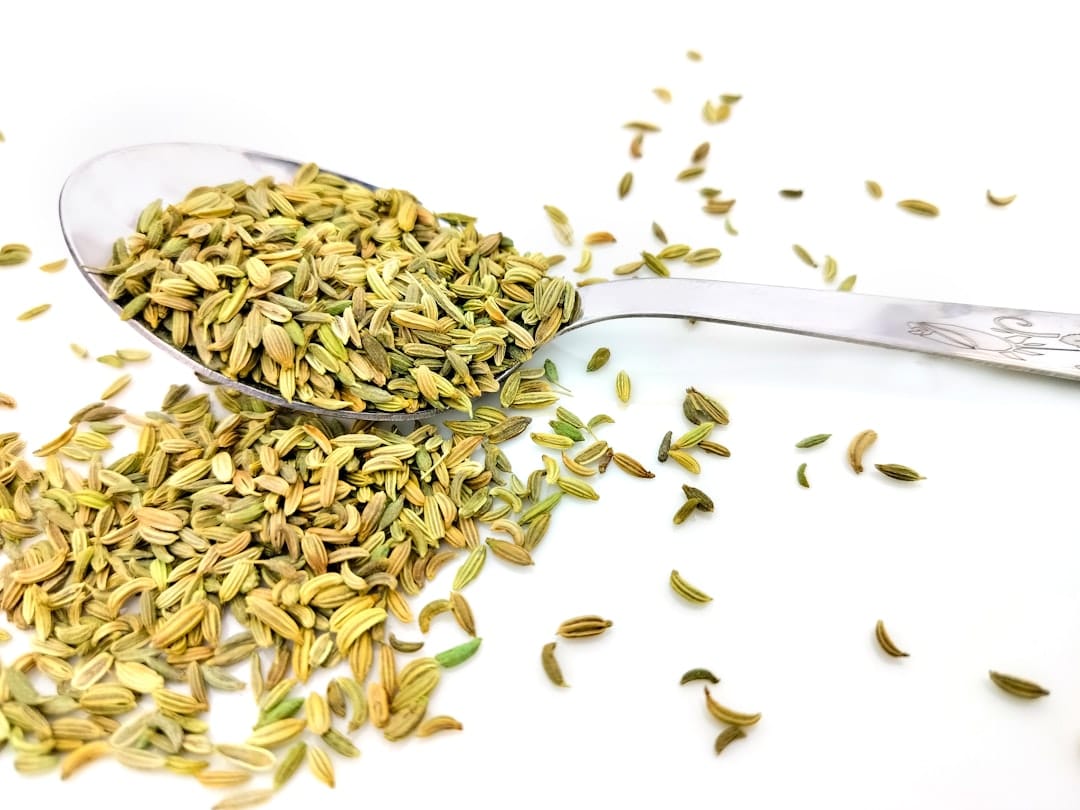
Fennel tea has been sipped for centuries, from the kitchens of the Mediterranean to the herbal traditions of India, China, and the Middle East. Made by steeping the fragrant, greenish-brown seeds of Foeniculum vulgare in hot water, this golden infusion carries a gentle anise-like sweetness and a reputation as a soothing remedy.
Beyond its comforting flavor, fennel tea delivers antioxidants and nutrients—including vitamins A, C, and several B-complex vitamins—along with plant compounds that may support your gut, heart, eyes, and more. Here’s an honest, evidence-informed look at what a daily cup can offer, how to make it, and when to be cautious.
Key Takeaways
– Fennel tea is brewed from the seeds of the fennel plant and has a naturally sweet, licorice-like taste.
– It’s most valued for easing digestion—relaxing the gut, reducing gas, and calming bloating.
– Nutrients like vitamin C, potassium, and fiber may support immunity, heart health, and eye health.
– One to two cups a day is a reasonable amount for most healthy adults.
– Pregnant or breastfeeding people, and anyone on antibiotics or blood thinners, should avoid it or check with a doctor first.
What Exactly Is Fennel Tea?
Fennel is an aromatic herb in the carrot family, native to the Mediterranean but now grown around the world. Its seeds—and the volatile oil within them—have long been used in both cooking and folk medicine. Ancient Greek physicians even recommended fennel to nursing mothers to encourage milk supply, and Olympic athletes reportedly used it for stamina.
To make the tea, the seeds are simmered or steeped in hot water so those aromatic oils infuse into the liquid. The result is a pale-yellow cup that’s naturally caffeine-free and pleasantly sweet.
Soothes Digestion and Eases Bloating
 Save
SaveIf fennel tea has one signature benefit, it’s digestive comfort. Fennel is traditionally used to relax the smooth muscles of the digestive tract and encourage the flow of bile, which can ease discomfort and support smoother digestion.
It’s perhaps best known for tackling gas and bloating. By helping to expel trapped gas and encouraging circulation to the digestive organs, fennel may relieve that heavy, distended feeling after a meal. Traditional Persian medicine long relied on it to settle flatulence, and modern research continues to explore fennel’s role in gut health.
Because fennel seeds also contribute fiber, they may help keep the colon and large intestine functioning well. Some people find fennel tea eases the discomfort of irritable bowel syndrome (IBS), though here the evidence leans more anecdotal than definitive.
May Support Weight Management
Fennel tea isn’t a magic fat-burner, and it’s worth being clear-eyed about that. As nutrition consultant Barbara Kovalenko notes, scientific evidence that fennel tea specifically reduces belly fat is limited—but it may still aid digestion and overall health in ways that support weight goals.
The logic is straightforward: better digestion helps your body absorb nutrients efficiently, which can keep you feeling satisfied and curb cravings. Fennel has also been studied for its potential to help moderate blood sugar and support appetite control, and it may help the body shed excess fluid and waste.
Helps Calm Respiratory Complaints
Fennel has a long history in easing breathing troubles. It’s been used to clear catarrh—the build-up of mucus in the upper airways—and to calm spasms in the respiratory system, helping open up the bronchial passages.
Research echoes these traditional uses. Studies have pointed to fennel-containing preparations easing respiratory symptoms, and some have recommended fennel for conditions like bronchitis and lingering coughs. It’s a gentle, warming option when your chest feels congested.
Supports Heart Health
 Save
SaveYour heart benefits from fennel in a few indirect ways. Fennel supports healthy liver function, and since the liver is where cholesterol is produced and processed, a well-functioning liver helps keep cholesterol in check.
The fiber in fennel can also limit cholesterol reabsorption, offering some protection to your cardiovascular system. And as a good source of potassium, fennel helps balance out the effects of sodium and supports healthy blood pressure—an important factor in preventing hypertension over time.
Strengthens Immunity
Fennel is rich in vitamin C, a well-known antioxidant that helps fortify the immune system. It also provides selenium, a mineral involved in the production of infection-fighting T-cells. Combined with fennel’s natural antimicrobial properties, these nutrients make a warm cup a comforting choice when you want to give your defenses a little extra support.
May Protect Your Eyes
 Save
SaveFennel’s antioxidant content extends its benefits to your eyes. Extracts have been explored for their potential in conditions like glaucoma, and some research suggests fennel may help support vision.
The vitamin C in fennel is especially relevant here. The eyes have a high metabolic rate and a strong need for antioxidant protection, and low vitamin C levels in the lens have been linked to a higher risk of cataracts. Fennel’s antioxidants may also help shield the eyes against age-related macular degeneration. Some people even use cooled fennel tea as a gentle eye compress to calm irritation.
How to Brew a Cup of Fennel Tea
 Save
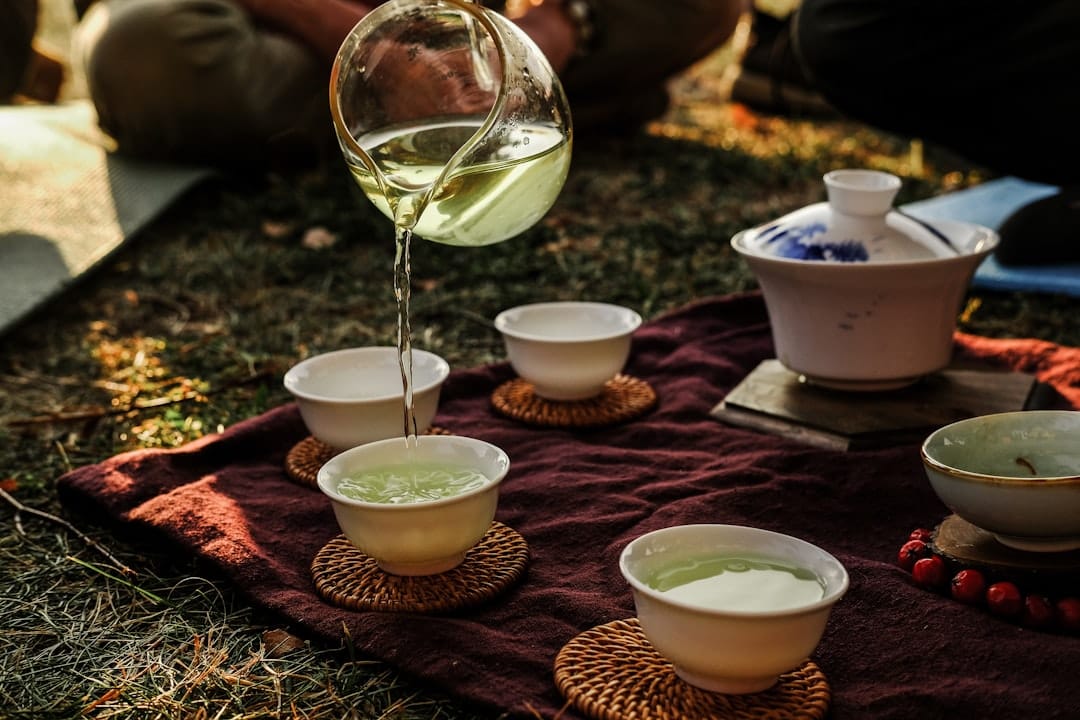
SaveMaking fennel tea at home takes just a few minutes:
1. Add about one teaspoon of fennel seeds to a cup of water.
2. Bring it to a gentle boil, then let it simmer for 5–10 minutes so the oils release into the water.
3. Strain into your cup and enjoy. Lightly crushing the seeds first can deepen the flavor.
For most healthy adults, one to two cups per day is a sensible amount.
A Few Words of Caution
Fennel tea is gentle, but it isn’t right for everyone. Skip it during pregnancy and breastfeeding, and avoid it if you’re taking antibiotics or blood-thinning medications, since it may interfere with how they work. Drinking too much can occasionally lead to side effects like reduced appetite, swelling, or dizziness. When in doubt, check with your healthcare provider.
Frequently Asked Questions
How much fennel tea can I safely drink each day?
For most healthy adults, one to two cups daily is reasonable. Going well beyond that may cause side effects such as loss of appetite, swelling, or dizziness.
Can I drink fennel tea while pregnant or breastfeeding?
It’s best to avoid it. Despite its traditional use for nursing mothers, current caution advises against fennel tea during pregnancy and breastfeeding—talk to your doctor first.
Does fennel tea actually help with bloating?
Many people find it does. Fennel is traditionally used to relax the digestive muscles and expel trapped gas, which can relieve that bloated, uncomfortable feeling after eating.
The Bottom Line
Fennel tea is a warm, caffeine-free brew with genuine appeal—especially for digestion and bloating, where its traditional reputation is best supported. Its vitamin C, potassium, and fiber may lend a hand to immunity, heart health, and your eyes, too. Think of it as a gentle, everyday ritual rather than a cure-all, and be mindful of the cautions if you’re pregnant, breastfeeding, or on certain medications. Brewed fresh and sipped slowly, it’s a small, comforting habit that just might do your body some good.
This article is for informational purposes only and is not a substitute for professional medical advice, diagnosis, or treatment. Always consult a qualified healthcare provider before making changes to your diet or if you have questions about a medical condition.