
Crisp, mild, and endlessly versatile, green beans pack fiber, vitamins, and antioxidants into a low-calorie package.
Green beans are one of those quietly excellent vegetables — affordable, easy to cook, and good for almost any meal. They’re low in calories but generous with fiber, vitamins A, C, and K, folate, and antioxidants, which means they support everything from your heart to your bones to your gut. Whether steamed, sautéed, or tossed into a salad, they’re an easy win for a healthier plate.
Here’s what green beans can do for you, and the best ways to enjoy them.
Green Beans Nutrition
 Save
SaveGreen beans are low in calories and fat while supplying dietary fiber, plant protein, and a strong line-up of micronutrients — vitamins A, C, and K, folate, potassium, and antioxidants like flavonoids and carotenoids (4). The fiber and water content make them filling, and the vitamins support immunity, vision, and bone health.
Key Takeaways
– Low in calories, high in fiber — filling and weight-friendly.
– Rich in vitamins and antioxidants — A, C, K, folate, and protective plant compounds (4).
– Supports heart, bone, and gut health — thanks to fiber, potassium, and vitamin K.
– Versatile and easy — works steamed, sautéed, roasted, or raw.
Health Benefits of Green Beans
 Save
Save1. May help fight cancer. Their antioxidants and chlorophyll help counter the free-radical damage linked to cancer risk (1).
2. Promote heart health. Fiber and potassium support healthy cholesterol and blood pressure, and diets rich in vegetables are linked to lower heart-disease risk (2).
3. Help manage blood sugar. Low in calories with a gentle effect on blood sugar, green beans are a smart choice for people watching glucose (3).
4. Support gut health. Their fiber promotes regular digestion and feeds beneficial gut bacteria.
5. Strengthen bones. Vitamin K and other minerals contribute to bone health (5).
6. Help with weight management. Filling and low-calorie, they add volume to meals without excess calories.
7. Boost immunity. Vitamin C and antioxidants support a healthy immune system.
8. Support vision. Carotenoids like lutein and vitamin A help protect your eyes.
9. May support mood. Folate plays a role in brain chemistry tied to mood regulation.
10. A good choice in pregnancy. Folate is an important nutrient during early pregnancy.
How to Choose and Store Them
 Save
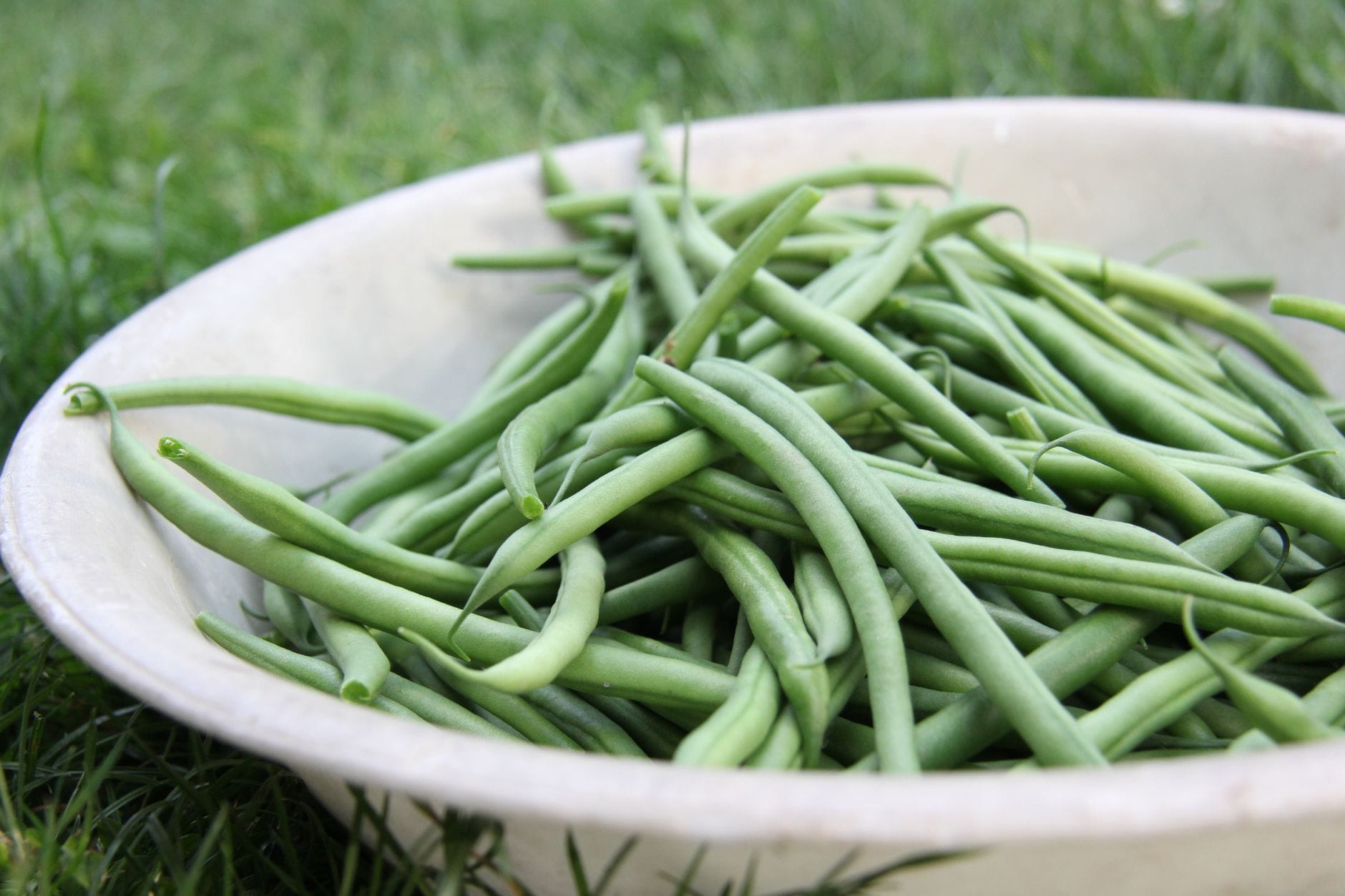
SaveChoose firm, slender beans with a vivid green color that snap crisply — avoid limp or blemished ones.
Store them unwashed in the fridge crisper drawer, ideally in a perforated bag, and use within about a week.
Freeze blanched green beans if you want to keep them longer.
How to Add Green Beans to Your Diet
 Save
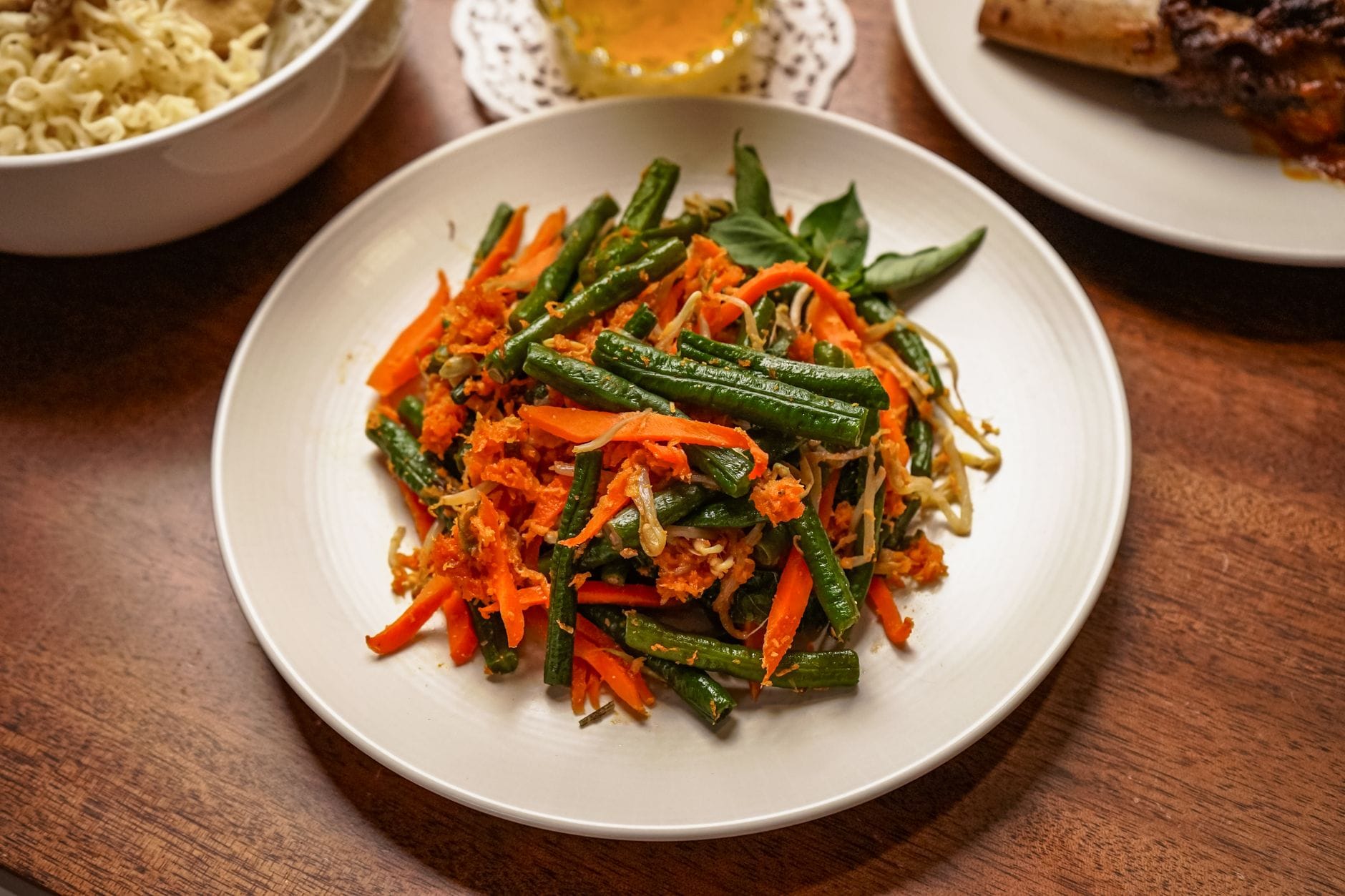
SaveSteam or sauté with a little olive oil, garlic, and a squeeze of lemon.
Roast until lightly charred for a sweeter, deeper flavor.
Toss raw or blanched into salads for crunch.
Stir into soups, stir-fries, and casseroles.
Blanch and serve cold with a dip as a snack.
Light cooking preserves the most nutrients and that signature crispness.
Side Effects
Green beans are very safe for most people. A couple of notes: they contain lectins, so they should be cooked rather than eaten in large amounts raw; and they’re a source of vitamin K, so anyone on blood-thinning medication should keep their intake consistent and check with their doctor.
Frequently Asked Questions
Can you eat green beans raw?
In small amounts, yes — but cooking them lightly is gentler on digestion and reduces naturally occurring lectins.
Are green beans good for weight loss?
Yes. They’re low in calories and high in fiber, so they help fill you up as part of a weight-loss diet.
Do green beans count as a vegetable or a protein?
They’re classed as a vegetable, though they do provide a small amount of plant protein.
The Bottom Line
Green beans deliver a lot for very little: fiber, vitamins A, C, and K, folate, and antioxidants, all in a low-calorie, easy-to-cook package that supports your heart, bones, gut, and waistline. Pick firm, bright pods, cook them lightly to keep their crunch and nutrients, and work them into salads, stir-fries, and side dishes. They’re one of the simplest upgrades you can make to almost any meal.
This article is for general informational purposes only and isn’t a substitute for professional medical advice, diagnosis, or treatment. Consult a qualified healthcare provider for personalized dietary guidance.