

A humble golden cup with a surprising amount to offer your heart, blood sugar, and overall wellness.
If you have moved toward gluten-free eating, you have probably discovered that the switch opens the door to ingredients you might never have tried otherwise. Buckwheat tea is one of those happy surprises. Made from roasted buckwheat seeds and grains, it pours a warm, golden color and carries a light, toasty, subtly nutty flavor that is easy to sip any time of day.
Beyond the pleasant taste, this naturally caffeine-free drink has drawn real scientific interest. Early research suggests the plant compounds in buckwheat may support healthy blood sugar, protect your heart and blood vessels, and supply a generous dose of antioxidants. Here is what the evidence says, and how to enjoy a cup at home.
Key Takeaways
– Buckwheat is a gluten-free pseudocereal, and its roasted seeds make a light, caffeine-free tea.
– Studies link buckwheat with lower cardiovascular risk markers and steadier blood glucose.
– Its rutin, vitexin, and lignan content may support blood vessels, circulation, and cancer defenses.
– Buckwheat’s D-chiro-inositol may improve insulin action, including in people with PCOS.
– Skip it entirely if you have a buckwheat allergy.
What Is Buckwheat Tea?
Despite the name, buckwheat is not wheat and is not even a true grain. It is a pseudocereal — a plant that behaves nutritionally like a cereal but belongs to a completely different family, which is why it is naturally gluten-free. Its seeds are ground into flour for breads, pasta, and pancakes, and when roasted and steeped, they produce a mild, comforting tea.
Traditionally, buckwheat tea is enjoyed simply for pleasure, but its nutrient profile is what has caught researchers’ attention. Preliminary studies suggest it may help with weight management, deliver useful nutrients, improve blood vessel health, and lower cholesterol. The science is still developing, but the early picture is encouraging.
The Health Benefits of Buckwheat Tea
Eases Swelling and Supports Vein Health
One of the better-documented benefits involves edema, the fluid swelling that often accompanies chronic venous insufficiency (poor circulation in the leg veins). In a human trial published in the European Journal of Pharmacology, patients who drank buckwheat tea saw meaningfully less swelling than those given a placebo tea. Researchers concluded the tea was safe and helped hold the condition in check. Buckwheat’s rutin and vitexin — plant compounds that support healthy blood flow — are thought to play a role here and may help discourage varicose veins.
Supports Heart and Cardiovascular Health
 Save
SaveBuckwheat appears to be a friend to your heart. Research indicates that eating more buckwheat is associated with lower levels of several cardiovascular risk markers, including blood glucose, total cholesterol, and triglycerides. Its lignans, a group of gut-friendly compounds, are converted in the body into substances like enterolactone that are linked with protection against heart disease. Buckwheat also shows anti-inflammatory properties, another point in favor of long-term heart health.
Helps Steady Blood Sugar
 Save
SaveThis may be buckwheat tea’s standout quality. In a study published in the Journal of Agricultural and Food Chemistry, buckwheat concentrate lowered blood glucose in diabetic animals, dropping levels by roughly 12 to 19 percent at 90 and 120 minutes after it was given, while the placebo group showed no such change. Human research has also connected buckwheat consumption with a reduced risk of high blood glucose.
Scientists credit a compound called chiro-inositol, which plays a part in cell signaling and glucose metabolism. It appears to act somewhat like insulin, helping the body’s cells respond more readily to it. With diabetes so common — one large U.S. survey found nearly one in ten adults affected — foods and drinks that gently support glucose control are worth knowing about.
May Protect the Kidneys
In animal studies, a high-density buckwheat concentrate given to rats with induced kidney damage improved renal function and slowed the progression of kidney disease. These findings have not yet been confirmed in people, but they add to buckwheat’s promising profile and point to a direction worth watching.
May Improve Ovulation and Hormone Balance
Buckwheat is rich in D-chiro-inositol, and a human study in the New England Journal of Medicine found this compound increased insulin action in women with polycystic ovary syndrome (PCOS). In that context it was associated with improved ovulation, lower blood pressure, and reductions in serum androgen and triglyceride levels — a meaningful cluster of benefits for a condition that can be difficult to manage.
Offers Antioxidant and Immune Support
Buckwheat delivers water-soluble, fat-soluble, and insoluble vitamins along with powerful antioxidants. It supplies tocotrienols and vitamin E, flavonoids, minerals, phenolic acids, selenium, and phytic acid. These antioxidants help neutralize the free radicals that stress the body’s cells, and research suggests they support the body’s natural defenses against viral, bacterial, and fungal challenges.
May Support Weight Loss
 Save
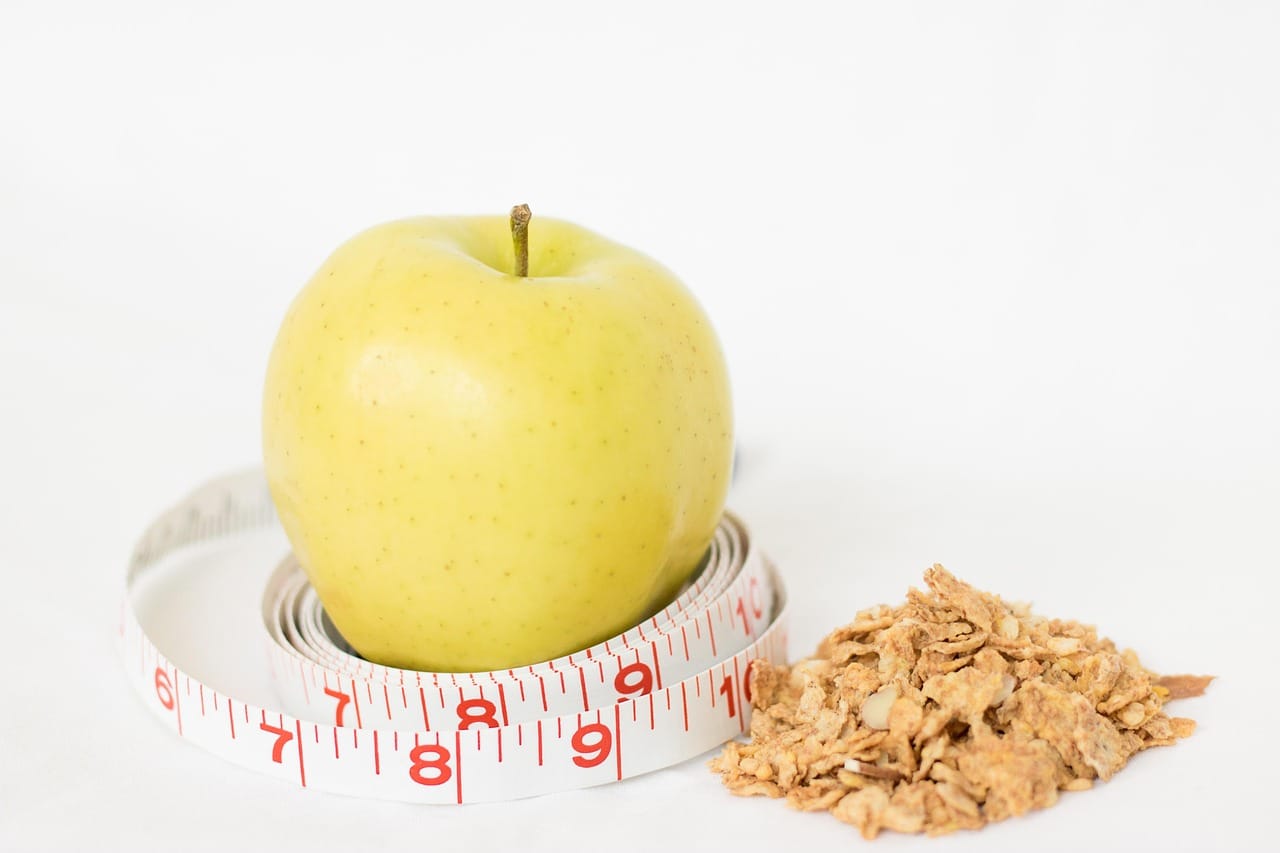
SaveBecause buckwheat tea is low in calories, it makes an easy swap for sugary or high-calorie drinks. Trading a sweetened beverage for a warm, satisfying cup can trim your daily intake without leaving you feeling deprived. Evidence specific to weight loss is still limited, but as a flavorful, nearly calorie-free alternative, it fits comfortably into a mindful eating plan.
How to Brew Buckwheat Tea
 Save
SavePreparation is simple. Add roasted buckwheat groats to hot water and let them steep for several minutes until the liquid turns golden, then strain and sip. You can drink one to two cups daily. Store your buckwheat groats in an airtight container in a cool, dry place, away from moisture and direct light, to keep them fresh and prevent them from going rancid.
Who Should Be Cautious
Buckwheat tea suits most people, and its caffeine-free nature makes it a good pick for anyone cutting back on coffee. The one firm exception: if you have a buckwheat allergy, avoid it completely, as reactions can be serious. As with any food that affects blood sugar, people taking diabetes medication should talk with their doctor before making it a daily habit.
Frequently Asked Questions
Does buckwheat tea contain caffeine?
No. Buckwheat tea is naturally caffeine-free, which makes it a soothing choice in the evening or for anyone reducing their caffeine intake.
Is buckwheat tea safe for people with celiac disease?
Buckwheat is a pseudocereal and is naturally gluten-free, so it is generally suitable. If you are highly sensitive, choose a product certified gluten-free to rule out cross-contamination, and skip it if you have a buckwheat allergy.
How many cups can I drink each day?
One to two cups daily is a reasonable amount for most people. If you take medication for blood sugar, check with your healthcare provider first.
The Bottom Line
Buckwheat tea is a warm, golden, caffeine-free drink with a lot going for it. The research — much of it early and some still in animals — points to benefits for blood sugar, heart and vein health, hormone balance, and antioxidant protection, along with a low-calorie profile that fits weight-conscious eating. It is not a cure or a substitute for medical care, but as a pleasant daily ritual, it is an easy and worthwhile addition to a balanced, gluten-free-friendly lifestyle. Just steer clear if buckwheat allergy is a concern.
This article is for informational purposes only and is not a substitute for professional medical advice. Always consult a qualified healthcare provider before making changes to your diet, especially if you have a health condition or take medication.