
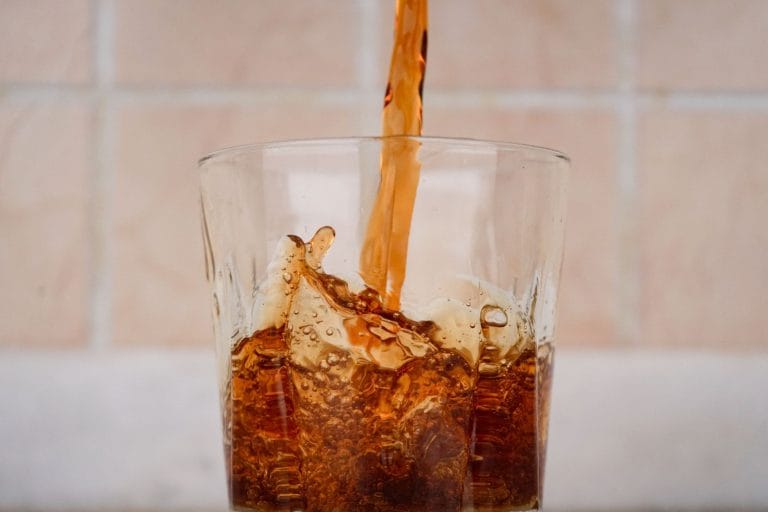
A calorie-free sweetener that tastes like sugar sounds ideal, so here’s what the evidence really shows.
You’ll find sucralose in diet sodas, sugar-free gum, protein powders, and those little yellow packets on café tables. It delivers the sweetness people crave without the calories or the blood sugar spike, which is exactly why anyone counting carbs or watching their weight tends to reach for it. Still, the reassuring marketing sits alongside a stack of studies that raise questions, and the honest answer lands somewhere in the middle.
This piece walks through what sucralose is, the two places it seems to genuinely help, and the eight concerns researchers have flagged. Most of the worrying findings come from animals or test tubes rather than long-term human trials, so keep that in mind as you read.
Key Takeaways
– Sucralose is a non-nutritive artificial sweetener roughly 600 times sweeter than table sugar, with zero calories.
– Because the body doesn’t digest it, it usually has little to no effect on blood sugar, which makes it appealing for people managing diabetes.
– Animal research links it to reduced gut bacteria, possible kidney and DNA effects, and behavioral changes, though human evidence is thin.
– Heating sucralose during baking can break it down and form potentially harmful compounds.
– The acids in many sucralose-sweetened products can still soften tooth enamel over time.
What Sucralose Actually Is
 Save
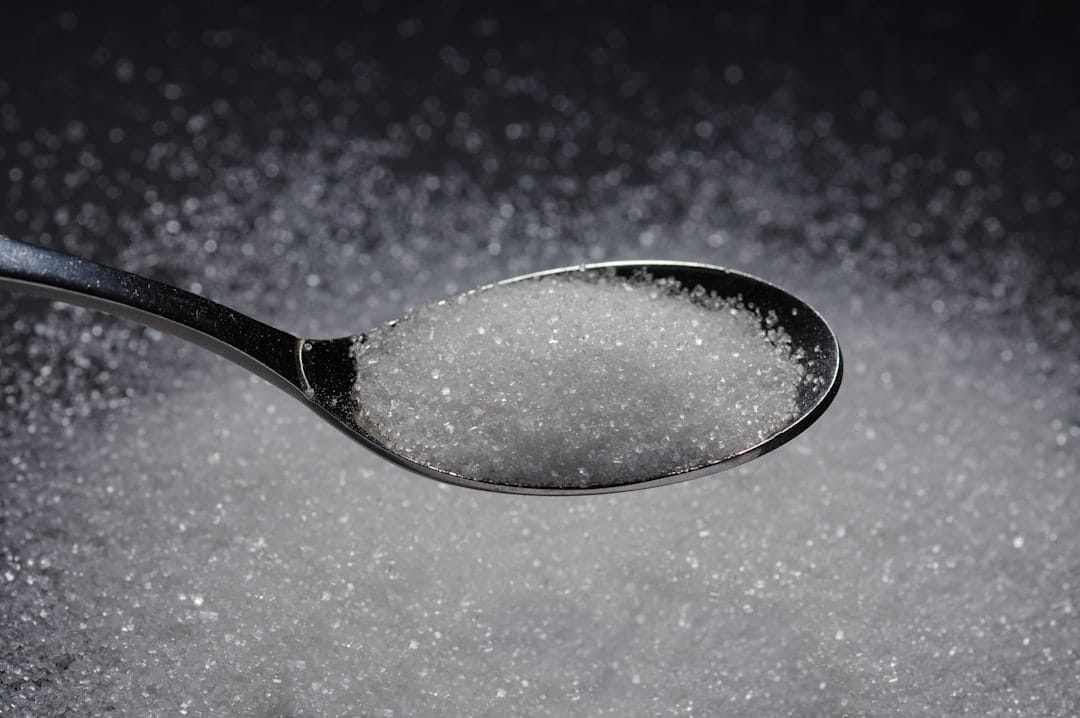
Sucralose is a synthetic sweetener made by tweaking the structure of a sugar molecule. The U.S. Food and Drug Administration puts its sweetening power at about 600 times that of regular sugar, and it has been approved for use in food and drinks around the world.
Here’s the useful part: your body doesn’t recognize the altered molecule, so it passes through largely undigested. That means it adds no calories and, in most cases, no energy for your metabolism to process. For anyone trying to trim added sugar, that’s the whole appeal in one sentence.
The Case in Its Favor
Two benefits show up consistently enough to take seriously.
It usually leaves blood sugar alone
 Save
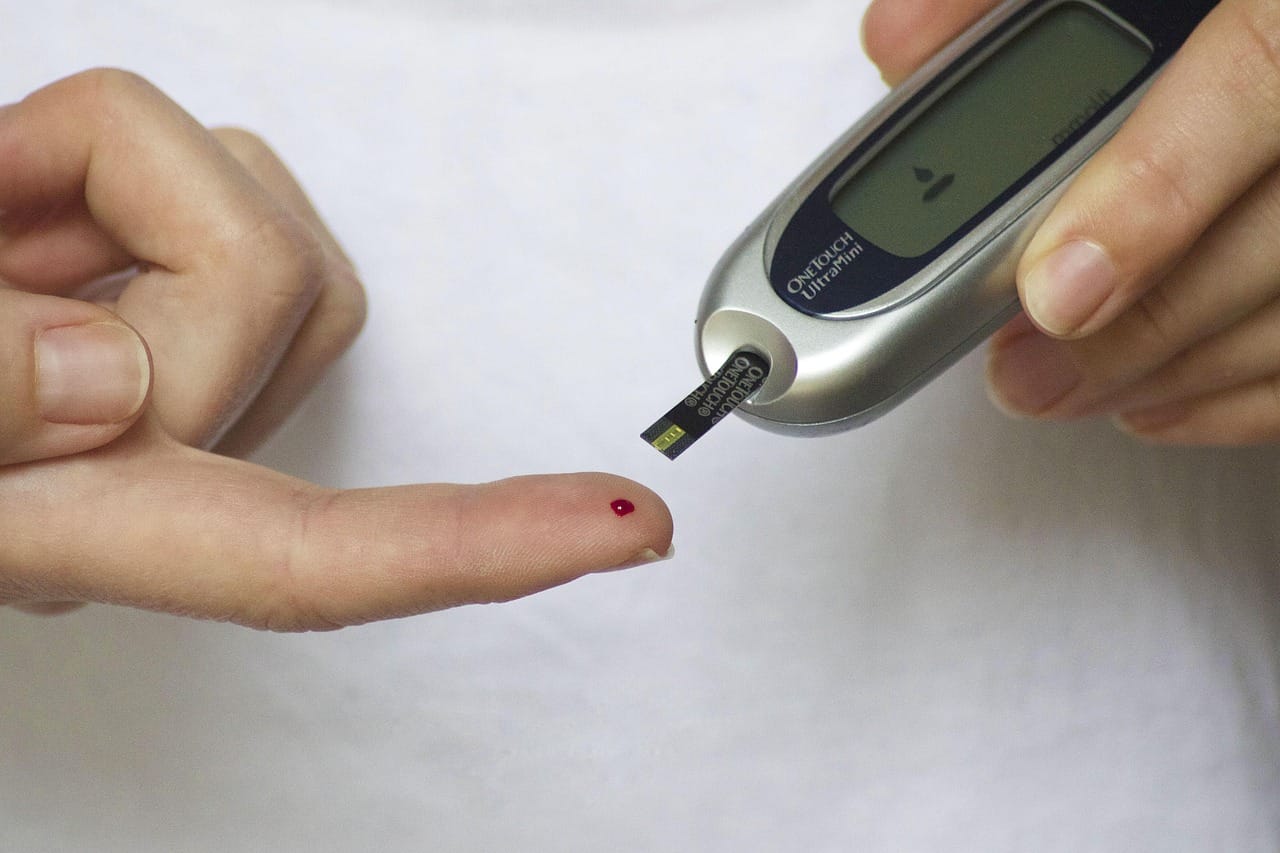
“The structure of sucralose makes it unrecognizable to the body; therefore, the body cannot digest it,” says registered dietitian nutritionist Paula Doebrich of Happea Nutrition. “We get the taste of sugar without the calories or carbohydrates.” Several studies back this up, showing no meaningful shift in blood glucose, which is why it’s often suggested for people with diabetes.
There’s a wrinkle, though. One small study of people who had never used non-nutritive sweeteners found their blood sugar and insulin actually rose after consuming sucralose. So the “no effect” picture may not hold for everyone, and more research would help.
It can help cut back on added sugar
Since sucralose carries no calories, it lets you satisfy a sweet tooth without adding to your daily intake. “Because it helps curb sweet cravings without adding calories, it can help people significantly cut their intake of added sugars, especially from soda,” Doebrich notes.
That said, don’t expect a sweetener alone to do the heavy lifting on the scale. Most clinical studies report no significant benefit from artificial sweeteners when it comes to actual weight loss or long-term blood sugar control.
Where the Worries Come From
Sucralose is generally classified as safe, yet a handful of findings have kept the debate alive. A few stand out.
Research in rodents suggests sucralose can knock down beneficial gut bacteria like bifidobacteria and lactobacilli while leaving harmful bacteria untouched. In one rat study submitted to Food and Chemical Toxicology, lactobacilli dropped noticeably even at the lowest dose tested, roughly the equivalent of a single 12-ounce sweetened drink for a 120-pound person. Nutritionist Lisa Richards of The Candida Diet adds that sucralose “causes gastrointestinal irritation and bloating besides reducing the healthy gut bacteria.” Human data here is still limited.
Bloating is a related complaint. Artificial sweeteners have been tied to overeating, and diet soda in particular is a frequent culprit behind gas and a puffy stomach, which can quietly undo the calorie savings.
Baking and High Heat
 Save
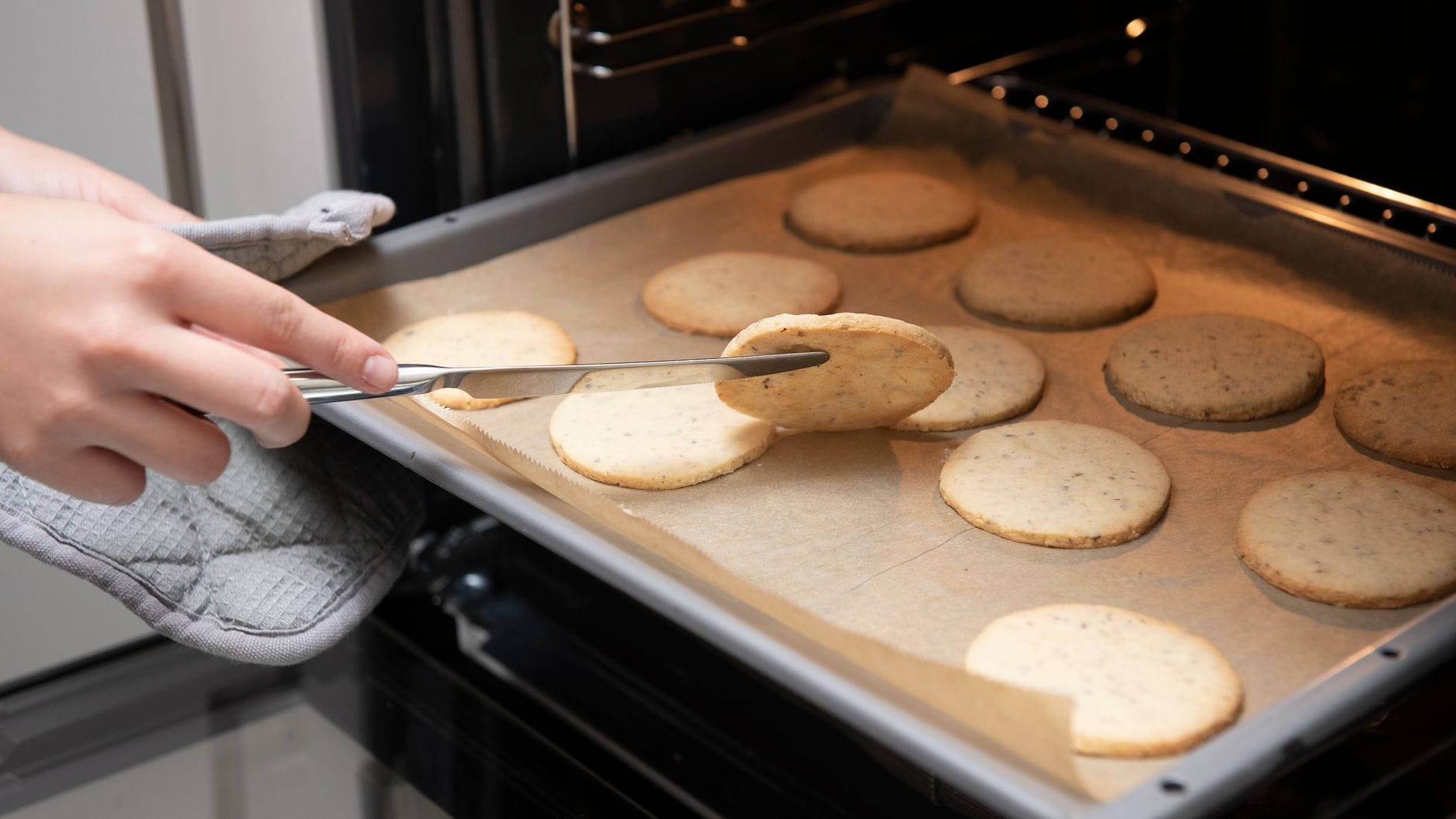
This one matters if you cook. Sucralose isn’t very stable at high temperatures. When it’s baked, it can break down and react with other ingredients, sometimes leaving a bitter aftertaste. More concerning, heating it can generate chloropropanols, compounds that carry cancer-causing properties. If you’re using it as a sugar swap in the oven, that’s a real limitation worth knowing.
The Bigger Health Questions
A cluster of studies points to effects that sound alarming but need context, since most involve animals or isolated cells rather than everyday human use.
Cancer signals. The International Agency for Research on Cancer has labeled sucralose “possibly carcinogenic.” Rats fed sucralose developed more tumors, including higher rates of lymphoma and leukemia. A French cohort study of more than 100,000 adults also found an overall rise in cancer risk among artificial sweetener consumers, with sucralose among the main contributors.
Kidney strain. Mice given sucralose-laced water over a long stretch showed elevated kidney enzymes and tissue damage, while those drinking plain water did not.
DNA effects. In lab testing, sucralose damaged human cells, and in carp it triggered genetic mutations and chromosomal abnormalities.
Behavior and mood. Rats fed sucralose became hyperactive and anxious, possibly because the sweetener can mimic dopamine, a neurotransmitter tied to mood.
None of this proves sucralose harms people at normal intakes, but it’s why researchers keep pushing for better long-term human trials.
What about your teeth?
 Save
Sucralose is easier on enamel than sugar, but it isn’t neutral. Dental care expert Evan McCarthy of Sporting Smiles points out that artificial sweeteners have been shown to soften enamel by 30 to 50 percent, largely because sugar-free colas and candies still contain citric and phosphoric acid. Those acids, not just sugar itself, drive a lot of tooth decay.
So How Much Is Reasonable?
The commonly cited acceptable intake is about 5 milligrams of sucralose per kilogram of body weight per day, and at that level it’s considered fine for most people. If you rely on it, spreading it across the day and skipping it in baked goods covers the two clearest concerns. And if you’ve noticed bloating, low energy, or brain fog, cutting back for a couple of weeks is a low-risk experiment worth trying.
Frequently Asked Questions
Is sucralose safe for people with diabetes?
For most, yes. It generally doesn’t raise blood sugar, which is a big reason it’s recommended over sugar. One small study saw glucose and insulin rise in people new to sweeteners, so it’s worth checking how your own body responds.
Can I bake with sucralose?
You can, but it’s not ideal. High heat can make it break down, turn bitter, and form potentially harmful compounds, so a heat-stable sweetener is a better fit for the oven.
How is sucralose different from stevia?
Sucralose is synthetic, made by modifying a sugar molecule in a lab. Stevia is a plant-derived sweetener extracted from the leaves of the stevia plant. Both are low or zero calorie, but people often prefer stevia for its natural origin.
The Bottom Line
Sucralose is a zero-calorie way to enjoy sweetness without spiking blood sugar, and used in moderation it helps many people cut back on added sugar. The catch is a stack of animal and lab studies pointing to effects on gut bacteria, kidneys, DNA, and more, plus the formation of harmful compounds when it’s heated. Human evidence for those risks stays limited, so there’s no need to panic over an occasional diet soda. Keep intake modest, avoid baking with it, and if it seems to bother your stomach or energy, easing off costs you nothing.
This article is for informational purposes only and is not a substitute for professional medical advice. Talk to your doctor or a registered dietitian before making changes to your diet, especially if you have a health condition such as diabetes or kidney disease.