
Low in calories, rich in antioxidants and hard-to-get nutrients — here’s why this humble fungus deserves a regular place on your plate.
In a world where “healthy eating” usually means piling on the leafy greens, mushrooms quietly do something different. They’re not a vegetable in the botanical sense — they’re fungi — yet they bring fiber, B vitamins, minerals, and a class of antioxidants you won’t easily find elsewhere. They’re also endlessly versatile, soaking up whatever flavor you cook them with.
Here’s what the research says mushrooms can do for your health, the nutrients behind those benefits, and how to enjoy them safely.
A Quick Look at Mushrooms
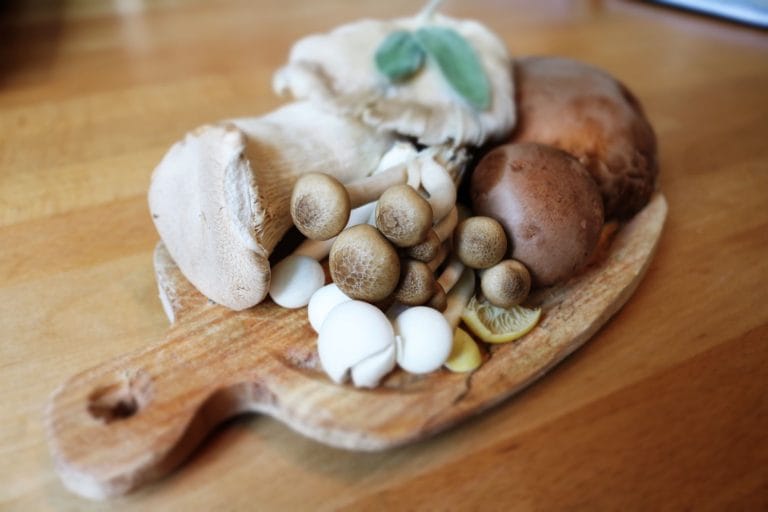
There are thousands of mushroom varieties, and the handful you’ll meet in most kitchens each bring their own flavor and texture:
Button — small, mild, and the most common; great raw or cooked.
Portobello — large and meaty, ideal for grilling or stuffing.
Shiitake — rich and smoky, a staple of Asian dishes.
Enoki — long, slender, slightly fruity, perfect for soups and hot pots.
Whatever the type, mushrooms pack a surprising amount of nutrition into very few calories.
Key Takeaways
– Antioxidant powerhouse — mushrooms are one of the best dietary sources of ergothioneine and glutathione (2).
– Brain support — eating them regularly is linked to a lower risk of mild cognitive impairment (1).
– Heart-friendly — naturally low in sodium, with niacin and minerals that support cardiovascular health (3), (4).
– A rare plant source of vitamin D — useful for bone health (10), (11).
– Always cook them — raw mushrooms are hard to digest, and only correctly identified, edible varieties are safe.
8 Health Benefits of Mushrooms
 Save
Save1. May Protect Your Brain
Mushrooms may help keep your mind sharp as you age. In a community study of 663 older adults, those who ate two portions of mushrooms a week had a lower risk of mild cognitive impairment, and researchers believe the bioactive compounds in mushrooms may help slow neurodegeneration (1).
2. Loaded With Antioxidants
Mushrooms are an unusually rich source of two antioxidants — ergothioneine and glutathione — that help counter the oxidative stress behind inflammation, cell damage, and premature aging (2). A steady supply supports your immune defenses too.
3. Good for Your Heart
 Save
SaveCompared with most savory foods, mushrooms are low in sodium, making them a smart choice if you’re watching your heart. They also supply niacin (vitamin B3), which helps manage cholesterol and triglyceride levels (3), (4), along with heart-supporting minerals like copper and zinc (5), (6).
4. A Nutritious Choice in Pregnancy
Pregnancy raises your nutritional needs, and certain mushrooms — including chanterelle, morel, and oyster — provide folate, a nutrient that’s especially important in early pregnancy (7), (8). Just be sure to cook them thoroughly and check with your doctor first.
5. Support a Healthy Gut
 Save
SaveMushrooms contain beta-glucans, a type of fiber that feeds and modulates your gut microbiome, influences how your body handles fats and sugars, and may ease some digestive symptoms (9).
6. Help Build Strong Bones
Mushrooms are one of the few non-fortified foods that naturally contain vitamin D — the nutrient your body needs to absorb calcium and maintain strong bones (10), (11). Varieties exposed to UV light contain even more.
7. Can Aid Weight Management
Mushrooms are low in calories and “energy-dense” foods’ opposite — they add volume and satisfaction to a meal without piling on calories. Swapping some of the meat in a dish for mushrooms is an easy way to feel full on fewer calories.
8. May Have Anti-Cancer Properties
A growing body of research links higher mushroom intake to a lower risk of certain cancers. A systematic review and meta-analysis found that people who ate more mushrooms had a reduced overall cancer risk, an effect credited to their antioxidant content (12).
What’s in a Mushroom?
Per 100 grams, mushrooms are very low in calories and fat while supplying protein, fiber, B vitamins (including niacin, riboflavin, and folate), vitamin D, and minerals such as potassium, copper, selenium, and zinc (3). It’s a lot of nutrition for almost no calories — which is exactly why they’re often called a superfood.
Are Mushrooms Safe to Eat?
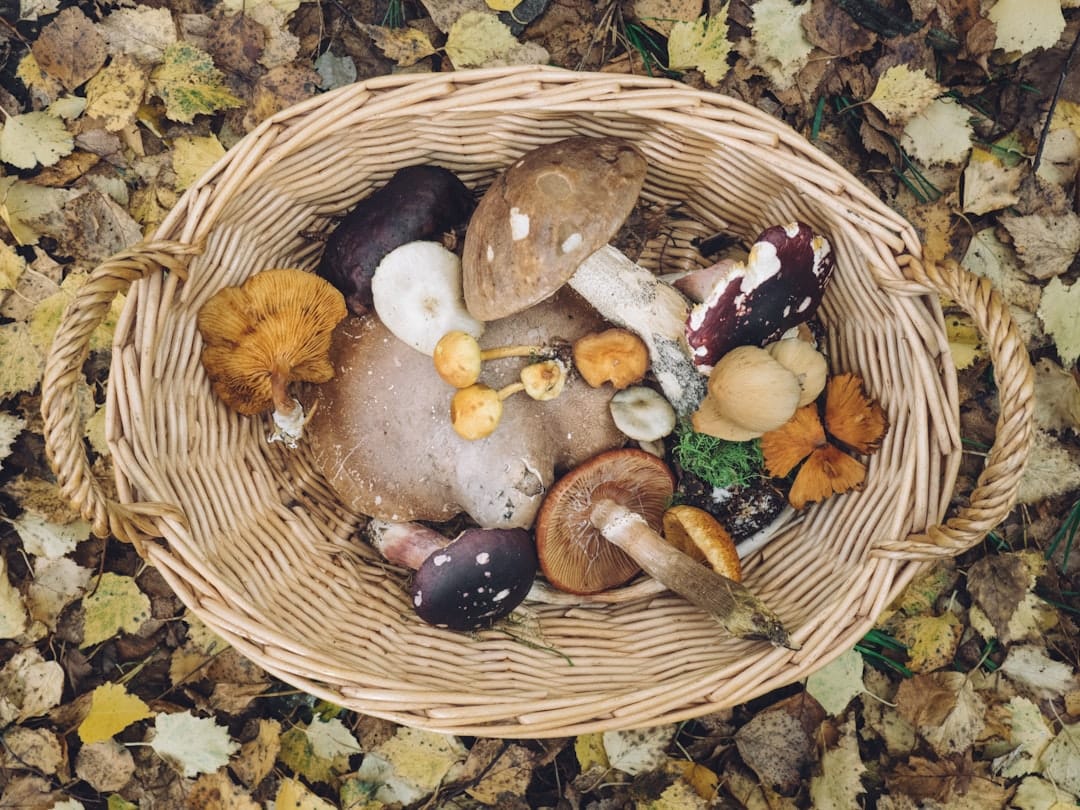
Edible, store-bought mushrooms are safe for most people. The golden rule is to never eat wild mushrooms unless an expert has confirmed they’re edible — many poisonous species look deceptively ordinary.
A small number of people are allergic to mushrooms and may experience skin rashes, nausea, digestive upset, or, rarely, a severe reaction (13). If you’re trying mushrooms for the first time, start with a small portion, and check with your doctor first if you have a history of food allergies.
Finally, always cook mushrooms. Raw ones are tough to digest and can cause stomach upset.
How to Enjoy Mushrooms
 Save
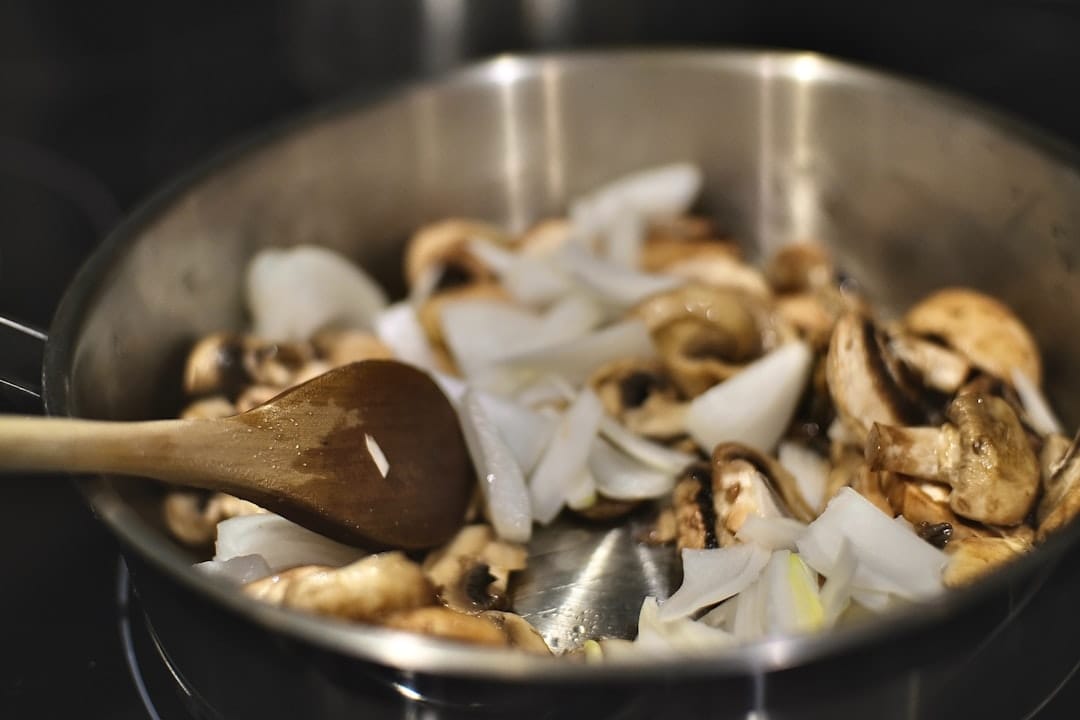
SaveQuick sauté — cook chopped mushrooms in a little olive oil for about five minutes, then season with salt and pepper.
Mushroom omelet — sauté mushrooms, pour beaten eggs over them, cover, and cook until set.
Meat swap — use finely chopped or portobello mushrooms in place of some of the meat in burgers, tacos, or pasta sauce.
Soups and stir-fries — shiitake and enoki add savory depth to broths and noodle dishes.
Frequently Asked Questions
Can I eat mushrooms raw?
It’s best not to. Raw mushrooms are hard to digest and may upset your stomach — cooking also makes their nutrients more available.
Are mushrooms good for weight loss?
Yes. They’re low in calories yet filling, so they’re a useful food if you’re managing your weight.
Which mushrooms have the most vitamin D?
Mushrooms grown or finished under UV light contain markedly more vitamin D than those grown in the dark.
The Bottom Line
Mushrooms are tasty, versatile, and remarkably good for you. They deliver fiber, B vitamins, vitamin D, minerals, and standout antioxidants — all for very few calories — and research connects them to better brain, heart, gut, and bone health, plus possible protection against cancer. Stick to edible, properly identified varieties, cook them well, and enjoy them often. If you notice any adverse reaction, cut back and speak to your doctor.
This article is for general informational purposes only and isn’t a substitute for professional medical advice, diagnosis, or treatment. Always consult a qualified healthcare provider before making significant changes to your diet.