
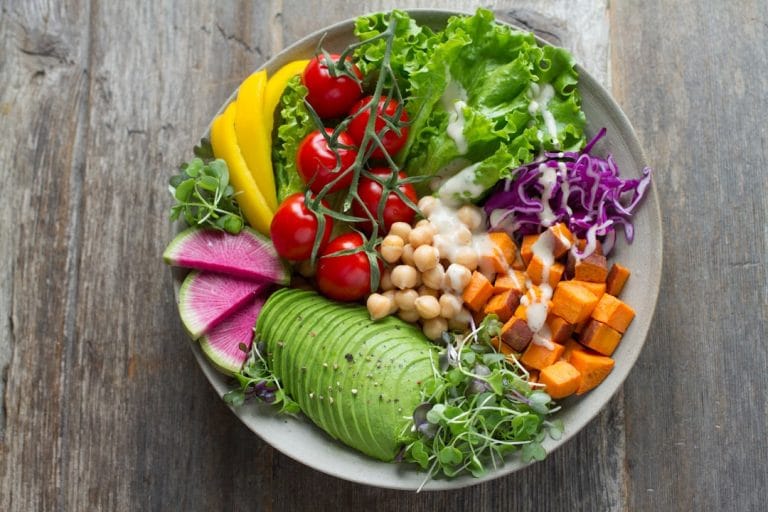
A quick, structured reset for when you want to slim down before a special occasion — without starving.
Maybe there’s a wedding on the calendar, a dress you’d love to fit into, or a stalled weight-loss effort you want to jump-start. The 3-day diet plan is designed for exactly those moments: a short, tightly controlled stretch of very low-calorie eating meant to nudge the scale quickly.
The good news is that “very low-calorie” doesn’t mean fasting or going hungry all day. With a little planning, you’ll still eat real, satisfying meals — you’ll simply eat fewer calories, then let your body recover on the days in between. Just remember this is a brief reset, not a lifestyle. Stretched out too long, aggressive calorie cutting can backfire on your health.
Key Takeaways
– The 3-day diet is a very low-calorie plan built around genuine, balanced meals — not fasting.
– You eat under 1,200 calories a day for three days, then allow up to 500 extra calories on the other four days.
– Rotating your meals each day helps you stay nourished and avoid boredom.
– Light exercise on your non-diet days keeps the calorie math in your favor.
– It’s a short-term tool, not for people who are pregnant, breastfeeding, or living with kidney, liver, diabetes, or eating-disorder concerns.
How the 3-Day Diet Works
 Save
SaveThe core idea is calorie cycling. For three days each week, you keep intake below 1,200 calories. For the remaining four days, you return to normal eating — but cap the increase at roughly 500 extra calories. So if you eat 1,000 calories on a diet day, you’d stay under 1,500 on a regular one.
This up-and-down pattern is meant to keep your metabolism from settling into a “plateau,” where the body adjusts to a steady low intake and weight loss stalls. The plan is typically followed for two weeks, then paused for one week before you consider repeating it.
A few habits make the difference:
Drink plenty of water throughout the day to stay hydrated and support digestion.
Listen to your body and adjust portions if your energy dips.
Add gentle movement on off days for better results.
Check with a healthcare provider first, especially if you have any existing health condition.
What You Eat: A Sample 3-Day Plan
Each day tapers slightly lower in calories while keeping protein, fiber, and complex carbs front and center.
Day 1 (around 1,200 calories)
Start with oatmeal — oats are a solid source of fiber — paired with low-fat milk, a spoon of nuts, and fruit [2]. Egg whites on multigrain toast add protein and more fiber [3][4]. Lunch might be grilled fish in tomato-asparagus sauce or a tuna or veggie sandwich on whole-grain bread. Snack on fruit or baby carrots. For dinner, try chicken (or turkey, another lean protein source) stewed in Italian herbs with a slice of garlic bread, plus sliced cucumber, tomato, and onion [6]. Starting the day with fenugreek-soaked water may give your metabolism a small lift [1].
Day one is usually the hardest — cravings peak. When hunger hits, reach for water or green tea instead of snacks.
Day 2 (around 1,000 calories)
Begin with quinoa or an egg frittata alongside green tea, both of which help curb appetite. Lunch could be sautéed green beans, peas, carrots, and mushrooms with a little fat-free yogurt, which supports healthy digestion and metabolism [8]. Dinner might be a light chicken or vegetable soup, or a chickpea salad, finished with a modest half-cup of low-fat vanilla ice cream so you don’t feel deprived. A morning glass of lime water can help flush out toxins [7].
Day 3 (around 800 calories)
 Save
SaveLoad up on protein at breakfast — boiled egg whites with a musk melon and pomegranate smoothie, or vegetable semolina with fat-free milk. Lunch leans light: a chicken salad with a low-fat dressing, or grilled tuna with collard greens and cherry tomatoes. Dinner could be oven-baked stuffed bell peppers or a herbed chicken or mushroom soup. A splash of apple cider vinegar may also lend a hand with weight management [9].
Smart Food Swaps
 Save
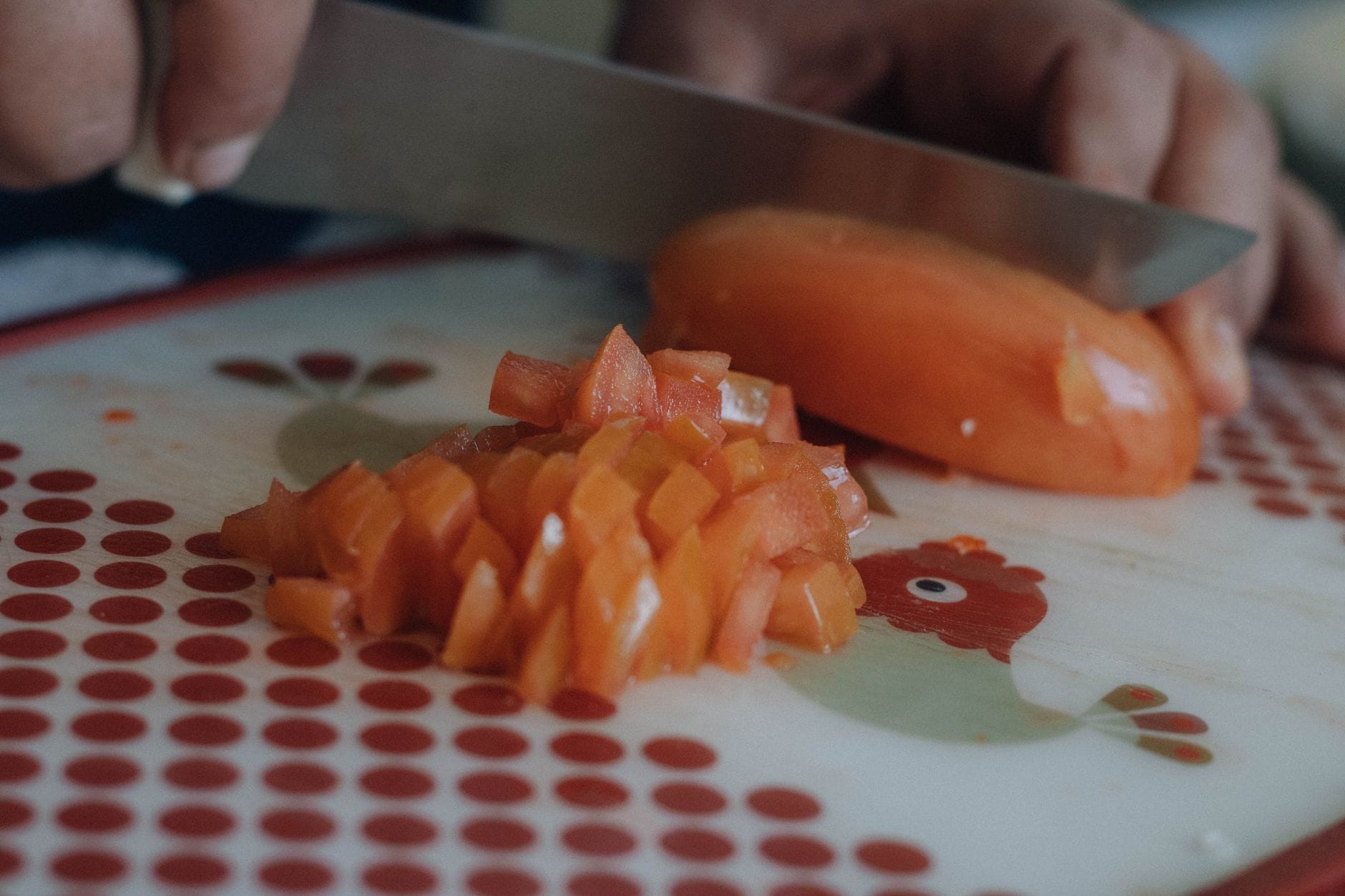
SaveYou don’t have to eat these exact dishes. Trade fenugreek for fennel seeds, oatmeal for quinoa, multigrain bread for gluten-free bread, or tuna for chicken. Swap baby carrots for cucumber, green tea for oolong or black coffee, and vanilla ice cream for frozen yogurt. These substitutions keep the calorie framework intact while letting you work around allergies, preferences, or whatever’s already in your fridge.
Exercise on Your Off Days
 Save
SaveThe four non-diet days aren’t a free pass — they’re when you tone up. Light, consistent activity like walking, jogging, or a bodyweight session helps offset the extra calories you’re allowed and keeps your progress steady. Because these days aren’t calorie-restricted, you’ll have the energy to move, so use it.
The Perks and the Pitfalls
The appeal is obvious: fast, visible results on a modest budget, using ordinary grocery-store foods and real meals rather than deprivation.
But the drawbacks are real. Very low-calorie eating can lead to nutrient gaps, headaches, fatigue, and dizziness. It isn’t suitable for people with kidney or liver disease, diabetes, a current or past eating disorder, or anyone pregnant, breastfeeding, or still growing. Treat it as an occasional reset — never a long-term way of eating.
Frequently Asked Questions
Can I repeat the 3-day diet?
Yes, but with rest built in. Follow it for two weeks, then take a full week off before starting again to give your body time to recover.
Will I feel hungry the whole time?
The first day is typically the toughest. Water, green tea, and protein-rich meals help blunt cravings, and most people find days two and three noticeably easier.
How much can I eat on non-diet days?
Return to normal meals, but keep the increase to about 500 extra calories above your diet-day total — not an unlimited splurge.
The Bottom Line
The 3-day diet plan is a structured, short-term way to shed a little weight quickly by cycling low- and normal-calorie days and pairing them with light exercise. It works best as a two-week reset for a specific goal, not an ongoing routine. Stay hydrated, rotate your meals, keep portions honest, and — most importantly — clear it with a healthcare professional before you begin, especially if you have any health condition.
This article is for informational purposes only and is not a substitute for professional medical advice. Always consult a qualified healthcare provider before starting any diet, exercise, or weight-loss program.