
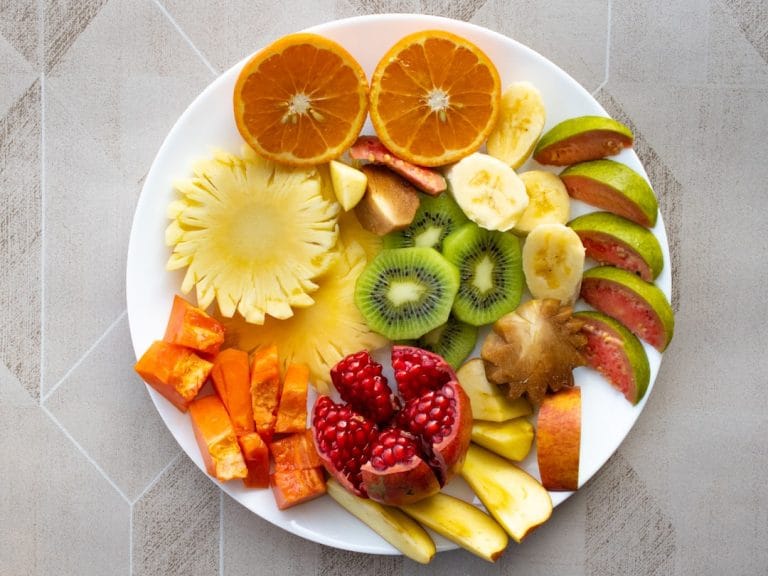
A clear-eyed look at the fruitarian diet, from the genuine benefits to the deficiencies that can catch you off guard.
Most trendy diets disappear as quickly as they arrive. The fruit diet has hung around, and it’s easy to see why. The idea sounds almost too simple: build your meals around fresh fruit, add nuts and seeds, keep a few vegetables, and drop nearly everything else. Fans say it supports heart health and makes weight management easier, and there is research behind some of those claims (1).
But a diet this restrictive comes with real trade-offs. Here’s how it works, what you’d actually eat, and the risks you should weigh before giving it a try.
Key Takeaways
– The fruit diet centers on fresh fruits, nuts, and seeds, while cutting out animal products, grains, legumes, and processed foods.
– Research suggests high fruit intake may support cardiovascular health, digestion, and weight management.
– Ideally, more than half of your daily calories come from fruit, with the rest from vegetables, nuts, and seeds.
– It’s a short-term approach. Followed too long, it can cause deficiencies in protein, vitamin B12, iron, and omega-3s.
– Pregnant or breastfeeding women and people with type 1 diabetes should avoid it entirely.
How the Fruit Diet Works
 Save
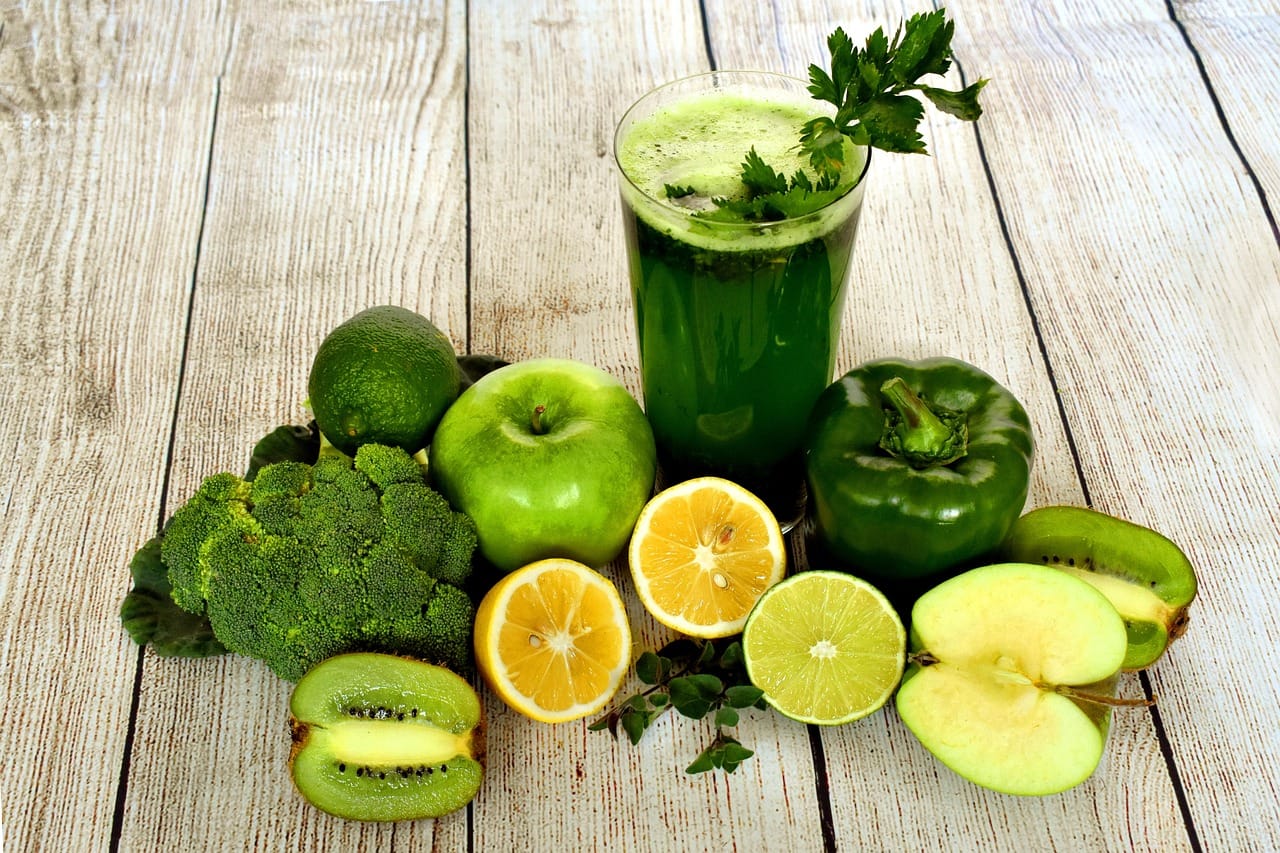
SaveA fruitarian eating pattern rests on two principles. The first is obvious: fruit takes center stage. Apples, bananas, berries, citrus, whatever is in season. Botanical fruits that we usually treat as vegetables, like avocados and tomatoes, count too (2). Many followers lean toward organic or locally grown produce, believing it carries fewer chemical residues, though that preference is more philosophy than requirement.
The second principle is exclusion. A strict version of the diet removes or sharply limits animal products, grains, legumes, and anything processed. That’s a long list of foods to give up, which is exactly why the diet is meant to be short-term rather than a permanent way of eating.
One practical upside: there’s very little cooking involved. And cutting unhealthy fats while adding fiber-rich whole foods may improve markers of metabolic health on its own (3).
What You Can Eat
 Save
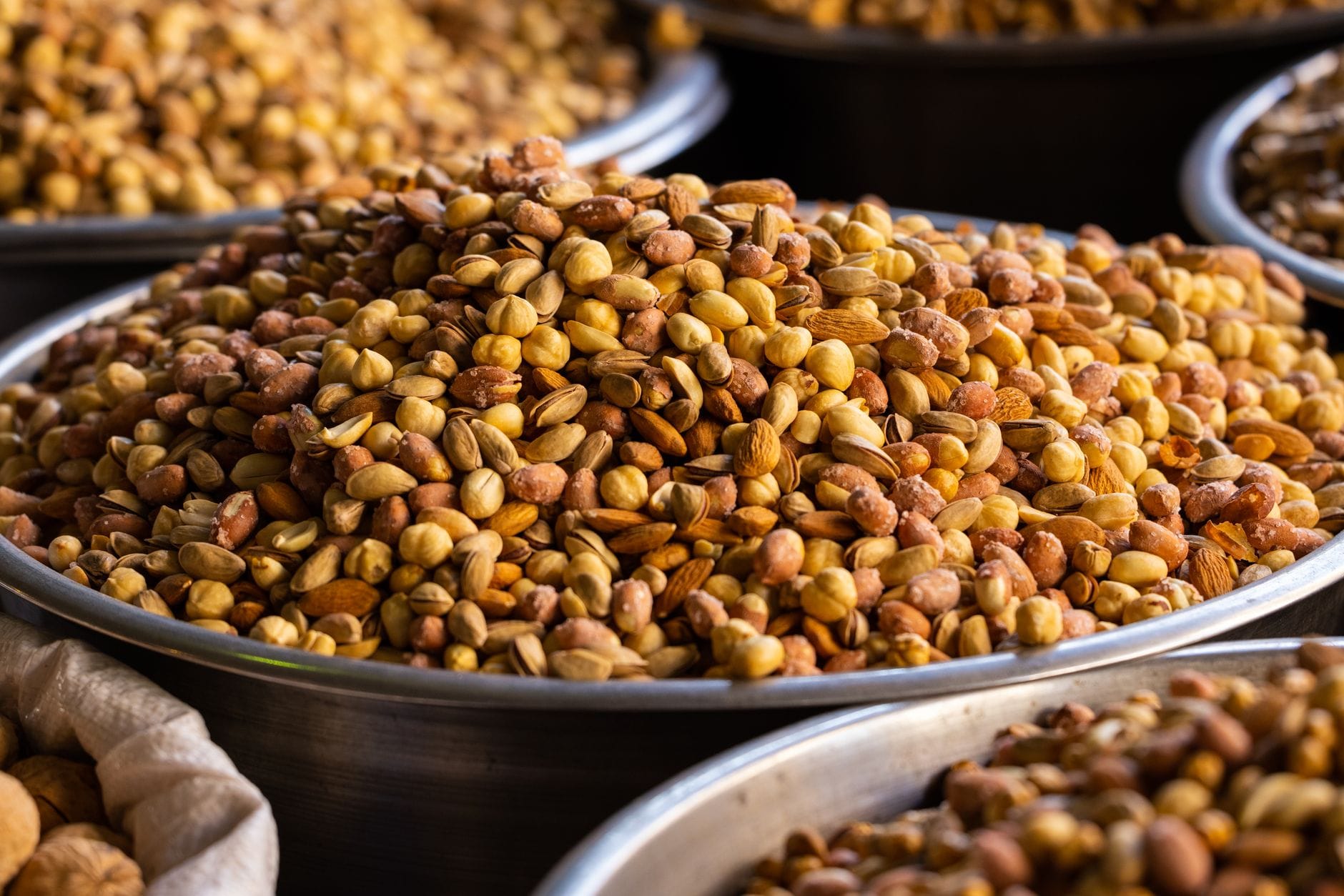
SaveThe menu is narrower than most diets, but it’s not just apples and bananas. A reasonably varied fruitarian plate draws from several groups:
Citrus and tart fruits, such as oranges, grapefruit, plums, and cranberries
Sweet fruits like figs, dates, and grapes
High-fiber picks, including pears, apples, apricots, and cherries
Fatty fruits, meaning avocados, olives, and coconut
Starchy options such as plantains, guava, and squash
Vegetables like bell peppers, tomatoes, and eggplant
Sunflower and pumpkin seeds, plus nuts such as cashews, hazelnuts, and pine nuts
Basic seasonings, including salt, pepper, cumin, and chili
Off the table: meat, poultry, seafood, dairy, eggs, all grains and cereals, beans and lentils, fast food, packaged snacks, sugary drinks (fruit juice included, oddly enough), and alcohol.
Easing Into It
Going fruitarian overnight gives your body no time to adjust, and makes the change much harder to stick with. A gentler approach is to remove one food group at a time, starting with alcohol, carbonated drinks, and caffeine, then moving on to dairy, seafood, other animal products, legumes, and processed foods. Give your body a few days to adjust between each step.
As you cut things out, gradually add more fresh fruit, nuts, seeds, and the permitted vegetables. The usual target is to get more than 50% of your daily calories from fruit, with the remainder coming from everything else on the allowed list. A doctor or dietitian can help you tailor the specifics, and honestly, that consultation is worth having before you start rather than after.
The Benefits, According to Research
 Save
SaveFruit-heavy eating has a decent evidence base. Fruits supply vitamins A, B6, C, and E, along with iron, zinc, phosphorus, and plenty of fiber (4). These nutrients support metabolism and may even benefit cognitive function (5), (6), (7).
Digestion tends to improve too. Fiber keeps food moving through the gut, which can mean less constipation and bloating (8), (9).
The cardiovascular case is one of the stronger ones. Regular intake of fruits such as apples, grapes, pomegranates, and blueberries has been linked to better lipid levels and lower inflammation, which may reduce heart disease and stroke risk (1).
There are a few more possible perks. Antioxidant-rich fruits like berries and cherries may help counter oxidative stress, the cellular damage that drives aging and affects skin health (10). Because fruit is low in calories but high in water and fiber, it fills you up cheaply, calorie-wise; the phytochemicals in fruit have also been associated with lower fat mass and reduced obesity risk (11). Some research even suggests the vitamin C and antioxidants in fruit may suppress gastric cancer growth, though this part is far less settled and needs more study (12).
Where the Diet Can Go Wrong
 Save
SaveHere’s the uncomfortable part. When you eliminate animal products, grains, and legumes all at once, you lose their nutrients too. Extended time on a fruitarian diet can leave you short on protein, omega-3 fatty acids, iron, zinc, and vitamin B12 (2).
Those gaps aren’t trivial. Depending on which nutrient runs low, the fallout can include reduced appetite, night blindness, anemia, low energy, and even depression or cognitive decline. This is why the diet is best treated as a brief reset rather than a lifestyle, and why certain groups, especially pregnant or breastfeeding women and anyone with type 1 diabetes, should skip it altogether.
If you notice persistent fatigue, dizziness, or mood changes while on the diet, take it as a signal to broaden your meals and talk to a professional.
Frequently Asked Questions
How long should I stay on the fruit diet?
Keep it short. This is designed as a short-term approach, not a permanent way of eating. The longer you follow it, the higher your risk of nutrient deficiencies, so plan an end date before you begin.
Will I lose weight on a fruit diet?
Many people do, at least initially. Fruit is low in calories and high in water and fiber, so you feel full on less. That said, results vary, and weight lost on a very restrictive plan may return once normal eating resumes.
Can I drink coffee or fruit juice on this diet?
No on both counts. Caffeine is among the first things to go during the transition, and fruit juice is excluded along with other sources of added or concentrated sugars. Whole fruit only.
The Bottom Line
The fruit diet delivers what it promises in the short run: lots of fiber, vitamins, and antioxidants, with possible benefits for your heart, digestion, and waistline. The catch is everything it leaves out. Without protein, B12, iron, and healthy fats from other food groups, a long stint on this diet can do more harm than good. Treat it as a brief, produce-heavy reset, get a dietitian’s input first, and skip it entirely if you’re pregnant, breastfeeding, or living with type 1 diabetes.
This article is for informational purposes only and is not a substitute for professional medical advice, diagnosis, or treatment. Always consult a qualified healthcare provider before starting any new diet, especially if you have an existing health condition.