

A calmer, more even way of eating that keeps blood sugar from swinging.
Insulin is the hormone that lets sugar move out of your blood and into your cells for energy. With insulin resistance, your cells stop responding to that signal the way they should, so sugar lingers in the bloodstream and levels creep up. Over time that raises the odds of type 2 diabetes and a handful of related problems.
The good news is that what you eat has real influence here. A steady, whole-food pattern won’t cure anything overnight, but it can help keep blood sugar in a healthier range and make your body more responsive to insulin again. Here’s what that looks like on a plate.
Key Takeaways
– An insulin resistance diet favors whole, low-glycemic foods and pulls back on refined carbs and unhealthy fats.
– The goal is steadier blood sugar and better insulin sensitivity, which lowers type 2 diabetes risk.
– Fiber, complex carbs, and lean protein slow how fast sugar hits your bloodstream.
– Alongside food, movement, sleep, and stress management all shape how well your blood sugar behaves.
– It’s meant as a long-term pattern, not a quick fix, so build habits you can actually keep.
What insulin resistance actually is
Your body runs on glucose, the sugar your digestive system pulls from the carbohydrates and proteins you eat. When you finish a meal, the pancreas sends insulin into the bloodstream, which ushers that glucose into your cells and tells the liver and muscles to store whatever’s left over for later.
Genetics and a mostly sedentary lifestyle can blunt this system. The cells grow less responsive to insulin, glucose has a harder time getting in, and blood sugar stays elevated. Left unchecked, that pattern is linked to type 2 diabetes, high blood pressure, unhealthy cholesterol levels, and elevated uric acid.
This isn’t a niche concern. An analysis of recent National Health and Nutrition Examination Survey data found that 40% of American adults between 18 and 44 showed signs of insulin resistance. Diet and regular activity are two of the most practical levers most people have to push back on it.
Foods That Help Steady Your Blood Sugar
 Save
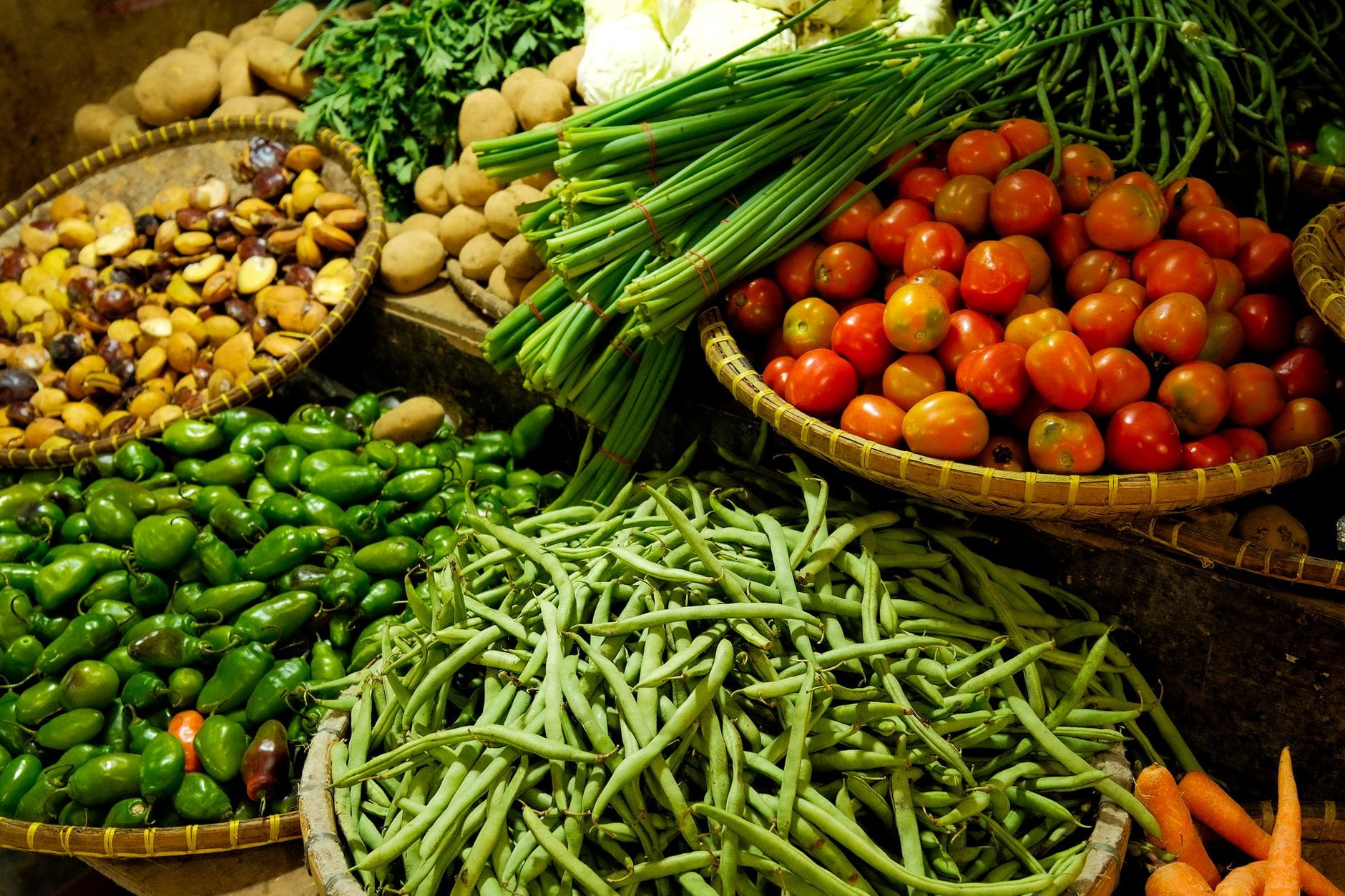
SaveThe through-line for the best foods here is the glycemic index, or GI, a measure of how quickly a food raises blood sugar. Low-GI foods release their sugar slowly, so you avoid the sharp spike and the crash that follows.
Fiber-rich fruits and vegetables like blueberries, apples, grapes, oranges, tomatoes, and cucumbers. They carry antioxidants and may improve insulin sensitivity while nudging blood glucose down.
Non-starchy vegetables, which sit low on the glycemic index and have a slower, steadier effect on blood sugar.
Lean proteins and legumes, both loaded with protein and fiber that support blood sugar control.
Low-fat dairy for calcium and protein without a heavy load of saturated fat.
None of these need to be exotic or expensive. A bowl of oats with berries, or beans folded into a vegetable-heavy lunch, already fits the pattern.
Where Whole Grains Fit In
 Save
SavePeople with insulin resistance sometimes assume carbs are simply off the table. That’s not quite right. The type matters far more than the presence of carbs at all. Whole grains such as oats, barley, and brown rice deliver complex carbohydrates that digest slowly, which improves insulin sensitivity and helps head off the blood sugar swings that refined grains tend to cause.
Legumes belong in the same conversation. Lentils, chickpeas, and beans pair slow carbs with protein and fiber, so a serving supports steadier blood sugar than most quick-cooking, heavily processed options.
Foods Worth Limiting
 Save
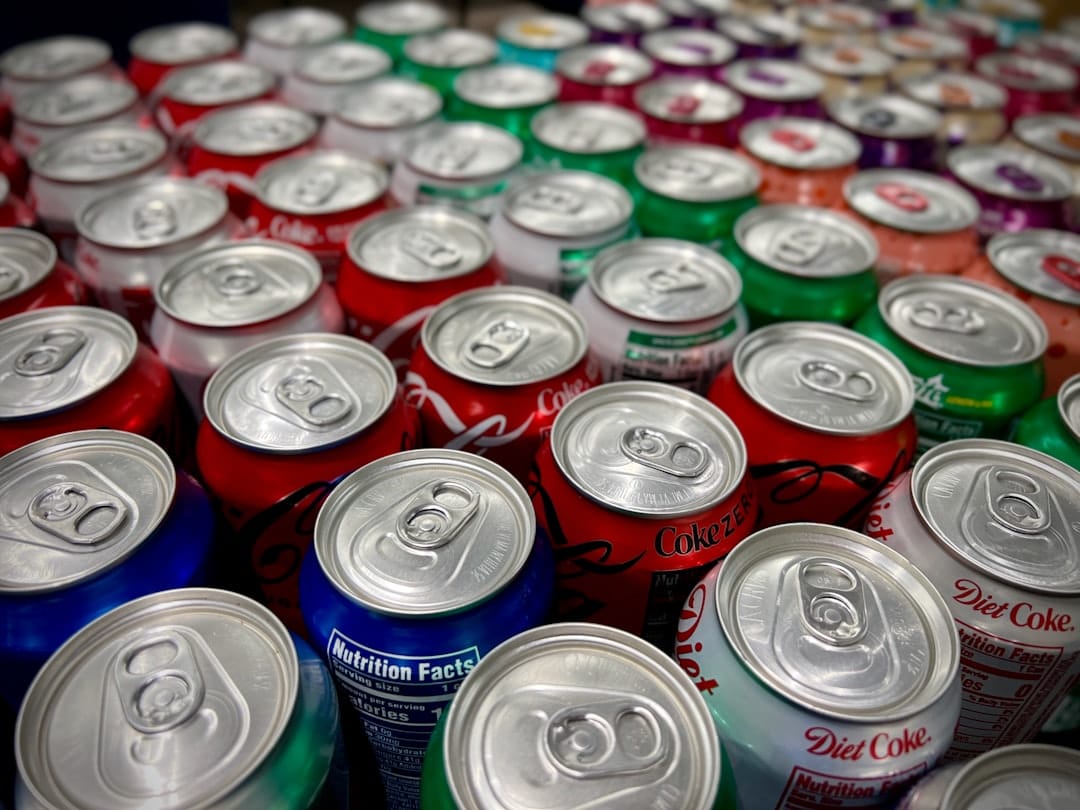
SaveThe other half of the equation is trimming what works against you. Saturated fats are a big one, since a diet high in them can drive cholesterol buildup in the arteries and raise cardiovascular risk. Keeping them low tends to help both your heart and your blood sugar.
High-GI foods are the other category to watch: refined grains, sugary drinks, and sweets that send blood sugar up fast. You don’t have to swear them off forever, but they shouldn’t anchor your meals.
What This Way of Eating Can Do for You
Beyond the blood sugar itself, a few benefits tend to follow when people stick with this pattern:
Steadier glucose, because complex carbs, fiber, and healthy fats slow sugar absorption and let insulin work more efficiently, which lowers diabetes risk.
Better heart health, thanks to the pullback on saturated fat and the drop in cholesterol that can come with it.
More even energy across the day, since whole grains and legumes fuel you without the mid-afternoon crash.
Support for weight management, as fiber-rich, low-GI meals curb cravings for sugary, high-calorie foods and make it easier to eat less without white-knuckling it.
That last point matters because weight loss and insulin sensitivity feed each other. As the extra weight comes off, cells often respond to insulin a little better.
Losing Weight When Insulin Resistance Is in the Picture
 Save
SaveDropping weight with insulin resistance can feel like an uphill effort, so keep the plan simple and repeatable. Build meals around whole foods, so fruits, vegetables, lean proteins, and whole grains fill most of your plate. Lean on fiber-rich, low-GI meals to help curb cravings, watch portion sizes rather than banning entire food groups, and give it time. Slow, consistent change is what tends to stick.
Frequently Asked Questions
Can I still eat fruit if I have insulin resistance?
Yes. Whole fruits like berries, apples, and oranges are lower on the glycemic index and bring fiber and antioxidants along with their natural sugar.
Is this diet safe for everyone?
Not without a check-in first. People on diabetes medication and those who are pregnant or breastfeeding should talk to a clinician before making big dietary changes, since blood sugar and nutrient needs shift in those situations. Any restrictive pattern can also risk nutritional gaps if it isn’t well planned.
How long before I notice a difference?
This part is less predictable and varies a lot from person to person. It’s a long-term approach, so think in terms of weeks and months of consistency rather than days.
The Bottom Line
Eating for insulin resistance isn’t about deprivation. It’s a shift toward whole, slower-digesting foods that keep blood sugar from spiking and give your cells a better shot at responding to insulin. Fill your plate with vegetables, fruit, whole grains, legumes, and lean protein, ease off refined carbs and saturated fat, and pair the food with movement, decent sleep, and some handle on stress. Kept up over time, that combination can steady your energy, support your heart, and lower your long-term risk.
This article is for informational purposes only and is not a substitute for professional medical advice. Talk with a qualified healthcare provider before changing your diet, especially if you take diabetes medication or are pregnant or breastfeeding.