

One base method, thirteen directions to take it, and the storage rule that decides whether any of them survive to day three.
The recipe on the side of the box has been the same for decades, and it is fine. It is also the least interesting thing you can do with a bag of cereal squares. Once you understand what the base is actually doing, the variations write themselves: a fat, a salt, a sweetener or an acid, and something aromatic.
What follows is that base, thirteen variations built on it, and the part most people get wrong, which is what happens after it comes out of the oven.
Key Takeaways
– The base ratio is roughly 8 cups of dry ingredients to 6 tablespoons of melted fat.
– Low and slow beats hot and fast. 120C for an hour, stirred every fifteen minutes, gives an even crunch.
– Snack mix must cool completely in a single layer or trapped steam will soften it.
– Sweet versions with a sugar syrup need a lower oven and a closer eye, because sugar burns well before cereal does.
– Store in genuinely airtight containers. A loosely closed bag gives you a stale mix by morning.
The Base Ratio That Works Every Time
 Save
SaveWork in cups and it stays simple. Eight cups of dry ingredients, of which roughly five should be cereal squares and three a mix of pretzels, nuts, crackers, or bagel chips. To that, six tablespoons of melted fat, usually butter, plus your seasonings.
The fat is not optional and it is not just for flavour. It carries the seasoning onto every surface and it is what conducts heat into the cereal so it crisps rather than dries. Under-fat a batch and the seasoning sits in the bottom of the bowl.
The oven method is the same for every savoury variation below. Heat to 120C (250F), spread the mix on two large trays so it sits in a thin layer, and bake for one hour, stirring every fifteen minutes. Crowding is the enemy: a deep pile steams itself in the middle and never crisps.
Grains are doing most of the volume here, and the wholegrain versions of these cereals genuinely do carry fibre worth having. It is worth holding that alongside the obvious point that a butter-and-salt snack mix is a snack, and the nutrition arithmetic is dominated by how much of it you eat in one sitting.
The Savoury Ones
 Save
Save1. Classic, done properly. Butter, Worcestershire sauce, seasoned salt, garlic powder, onion powder. The only change worth making to the boxed version is doubling the Worcestershire and adding it in two stages, half before baking and half at the halfway stir.
2. Furikake and sesame. Melted butter with soy sauce and a little sugar, then a generous shower of furikake in the last ten minutes. Salty, savoury, and faintly oceanic.
3. Ranch and dill. A packet of ranch seasoning, dried dill, and a squeeze of lemon into the melted butter. Bake as normal, then add more dill after cooling.
4. Everything bagel. Butter, garlic powder, and a full three tablespoons of everything bagel seasoning. Add bagel chips to the dry mix so the theme carries through.
5. Chilli lime. Butter, lime zest, chilli powder, cumin, and a pinch of smoked paprika. Add the lime juice after baking, not before, or you will steam the batch.
6. Cacio e pepe. Butter, an aggressive amount of coarse black pepper, and finely grated hard cheese folded through while still warm so it clings.
7. Curry and cashew. Butter, mild curry powder, turmeric, and a spoonful of mango chutney thinned with a little water. Heavy on cashews.
8. Smoky barbecue. Butter, smoked paprika, brown sugar, mustard powder, and a dash of liquid smoke. The sugar means checking it from forty minutes onwards.
The Sweet Ones
 Save
SaveSweet mixes need a different approach. Sugar burns long before cereal toasts, so drop the oven to 110C (225F) and cut the time to around 45 minutes, or skip the oven entirely where noted.
9. Muddy buddies. No baking at all. Melt chocolate, peanut butter, and butter, pour over the cereal, then toss in a bag with icing sugar until coated. The original and still the best of the sweet ones.
10. Salted caramel. Boil butter, brown sugar, and golden syrup for three minutes, pour over, bake at 110C for 45 minutes, then finish with flaky salt.
11. Cinnamon toast. Butter, cinnamon, and caster sugar, baked low, then tossed with more cinnamon sugar while warm.
12. White chocolate and cranberry. No oven. Melted white chocolate poured over the mix with dried cranberries and pistachios, spread to set on parchment.
13. Maple pecan. Butter, maple syrup, and a little vanilla, baked low with a heavy proportion of pecans, then cooled until it shatters.
Keeping a Batch Crisp
 Save
SaveThis is where most batches are lost. Snack mix comes out of the oven soft and crisps as it cools, which means it has to cool in a single layer on the tray, not tipped into a bowl. Pile it up while warm and the steam has nowhere to go, and you will have a chewy mix an hour later.
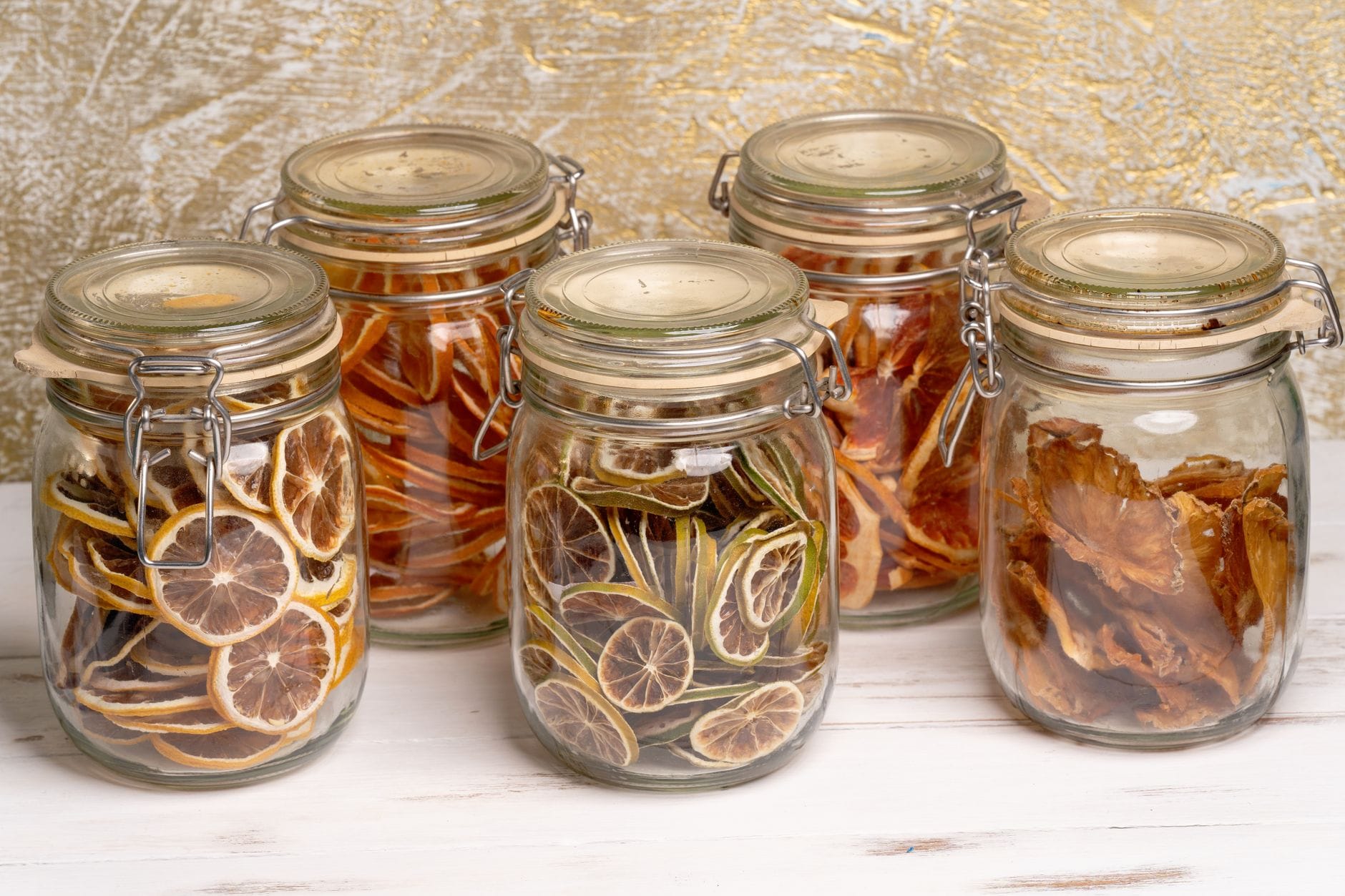
Once completely cool, and it needs to be completely cool, store it in a properly airtight container. A clip-lid jar or a sealed tin will hold a savoury mix crisp for a week to ten days. A bag folded over will not last overnight.
Sweet mixes with chocolate should be kept somewhere cool but not refrigerated, since condensation on chocolate turns it dull and tacky. If a savoury batch does go soft, ten minutes at 120C will bring it back, though only once.
The Bottom Line
The box recipe is a starting point, not a destination. Learn the ratio, keep the oven low, stir often, and cool it flat, and every variation above works on the first try. The savoury ones reward patience and a heavier hand with seasoning than feels reasonable; the sweet ones mostly just need you to watch the sugar.
This article is for informational purposes only and is not a substitute for professional medical advice. Talk to your doctor or a registered dietitian before making significant changes to your diet, especially if you have a health condition or a known food allergy.