

A use for the jar of starter you keep feeling guilty about throwing away.
Anyone who keeps a sourdough starter ends up with the same small, recurring problem: every feed produces discard, and pouring it down the sink feels wrong. Discard is perfectly good flour and water that has been fermenting, and in a quick bake like this it earns its place rather than just being disposed of politely.
These muffins take the discard straight from the jar with no proofing time at all. The baking powder does the lifting; the starter is there for flavour and moisture. What you get is a soft, deeply spiced pumpkin muffin with a faint tang underneath that plain pumpkin muffins never quite achieve.
Key Takeaways
– Discard is used here purely for flavour and moisture, so there is no rise time and no waiting.
– Unfed discard straight from the fridge works. It does not need to be active or bubbling.
– The acidity of the starter sharpens the spices and keeps the crumb moist for longer.
– Use pumpkin puree, not pumpkin pie filling, which is already sweetened and spiced.
– One batch uses about a cup of discard, roughly what a daily-fed starter produces in two feeds.
What Discard Actually Is
 Save
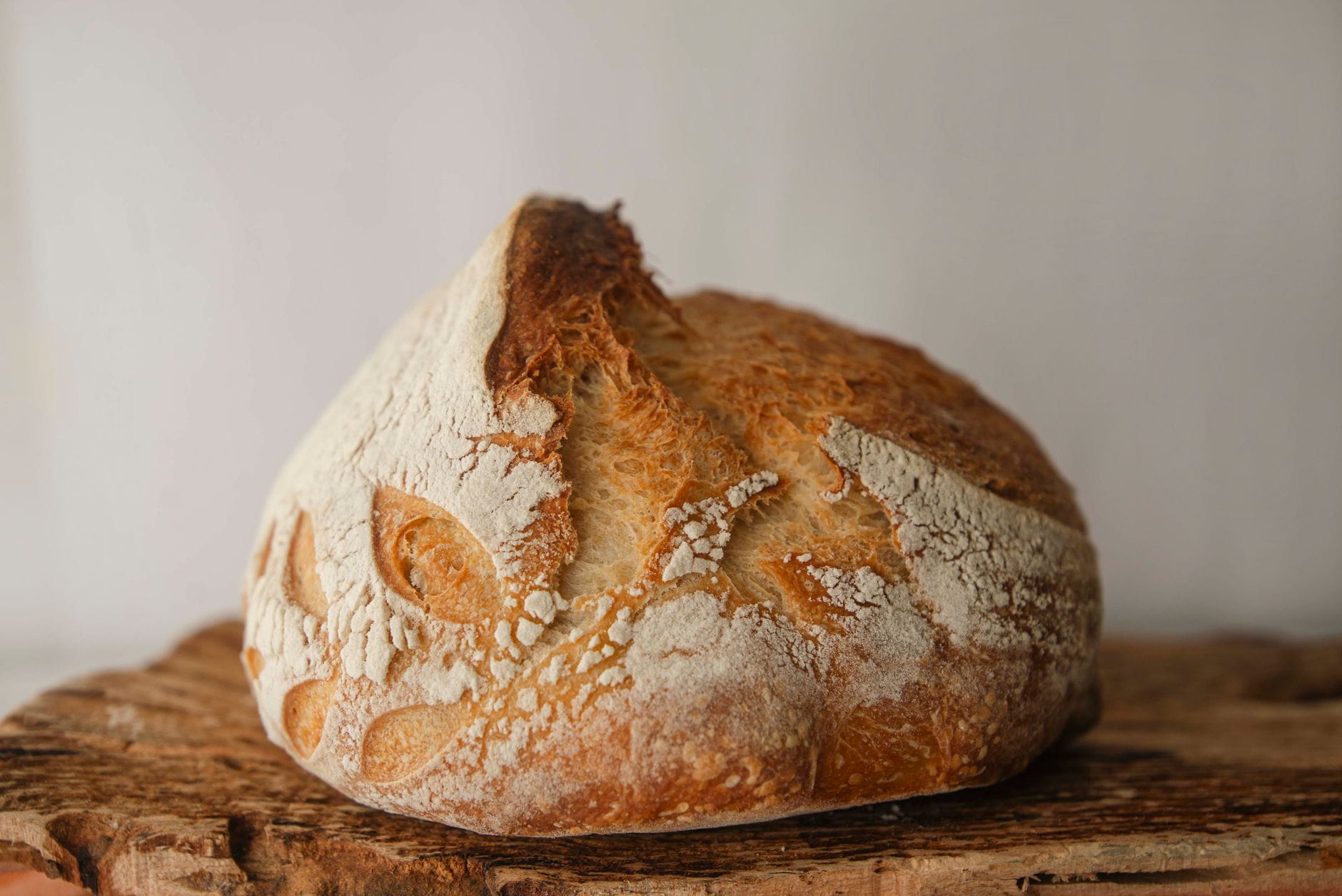
SaveDiscard is the portion of starter you remove before feeding, so the culture is not endlessly diluted by fresh flour. It is not spoiled and it is not waste in any meaningful sense. It is flour, water, wild yeast, and lactic acid bacteria that have been working for a while.
That fermentation is what makes it useful in baking. The bacteria produce lactic and acetic acid, which is where the tang comes from, and the acidity reacts with bicarbonate of soda to give a little extra lift. Research into sourdough fermentation has looked at how it affects bread texture and the way starch is digested, though most of that work concerns long-fermented loaves rather than a quick muffin batter like this one. Here the honest claim is a narrower one: it tastes better, and it stops something usable going in the bin.
Discard from the fridge that has a layer of dark liquid on top is fine. Stir it back in. If it smells sharp and acidic, that is normal. If it smells genuinely off, or shows any pink or orange colouring, throw it out.
What You Need
 Save
SaveMakes 12 muffins.
Wet ingredients
1 cup (240g) sourdough discard, unfed, straight from the fridge
1 cup (245g) pumpkin puree, not pie filling
2 large eggs
1/2 cup (100g) light brown sugar
80ml neutral oil or melted butter
1 teaspoon vanilla extract
Dry ingredients
1 1/2 cups (180g) plain flour
1 1/2 teaspoons baking powder
1/2 teaspoon bicarbonate of soda
1/2 teaspoon fine salt
2 teaspoons ground cinnamon
1/2 teaspoon ground ginger
1/4 teaspoon ground nutmeg
1/4 teaspoon ground cloves
For the top
2 tablespoons demerara sugar
Check the tin when you buy pumpkin. Pie filling is pre-sweetened and pre-spiced, and if you use it here the muffins come out cloying and the spice balance goes.
How to Make Them
 Save
Save1. Heat the oven to 200C (400F) and line a 12-hole muffin tin.
2. Whisk the discard, pumpkin puree, eggs, brown sugar, oil, and vanilla in a large bowl until smooth. The discard will look stringy at first and then loosen.
3. In a second bowl, whisk together the flour, baking powder, bicarbonate of soda, salt, and all the spices.
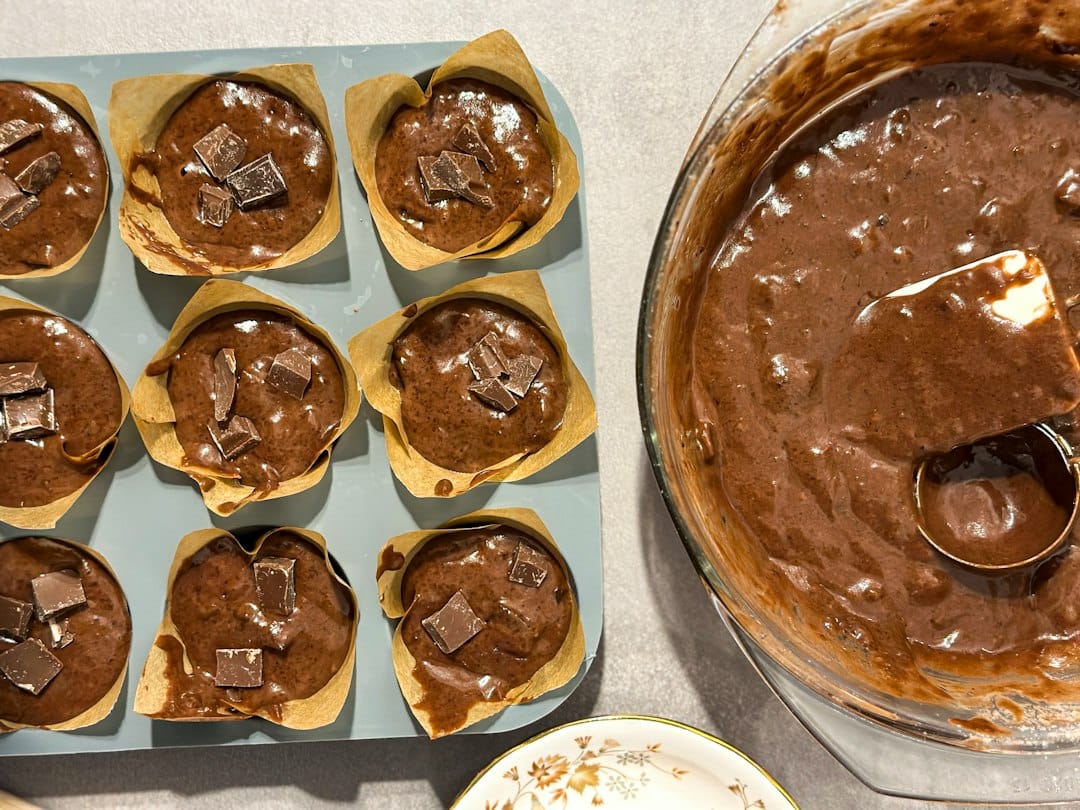
4. Tip the dry into the wet and fold until just combined. A few floury streaks are fine. A smooth batter means you have gone too far.
5. Divide between the cases, filling them nearly to the top. These do not spread much, so a generous fill gives you a proper domed muffin.
6. Sprinkle each with demerara sugar for a crackly top.
7. Bake at 200C for 5 minutes, then drop the temperature to 180C (350F) without opening the door and bake for a further 15 to 18 minutes. The initial blast of heat is what gives you the dome.
8. Cool in the tin for 5 minutes before transferring to a rack.
Do not rest the batter. Once the bicarbonate of soda meets the acidic discard the reaction starts immediately, and a batter left sitting on the counter will have spent most of its lift before it reaches the oven.
Why This Reduces Waste
 Save
SaveA starter fed daily at a typical ratio produces something in the region of half a cup of discard per feed. Over a week that adds up to a real quantity of flour, and flour is not free.
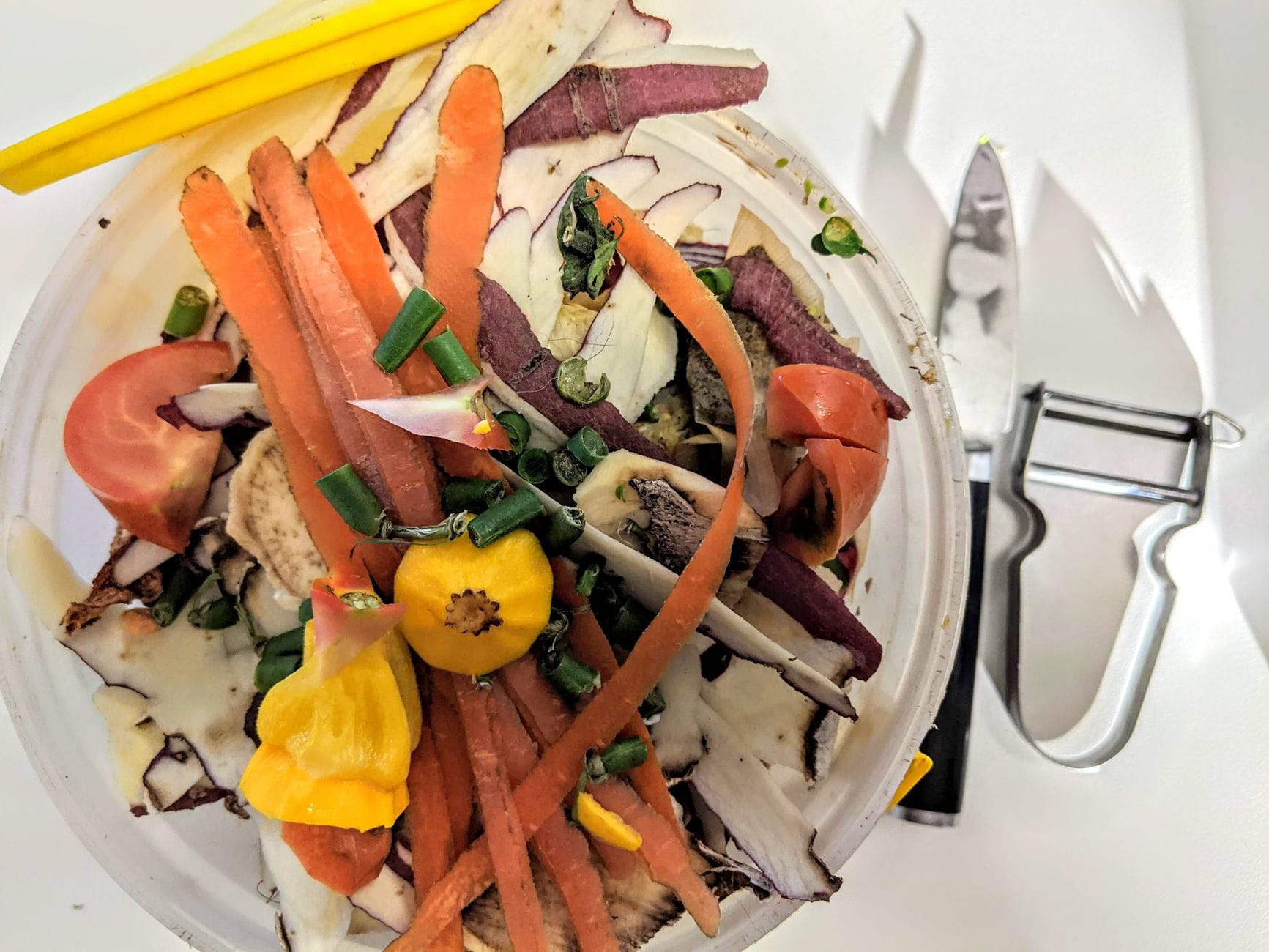
Household food waste is a significant share of the total food wasted in developed countries, and the guidance on it consistently puts using food for its intended purpose above composting, which in turn sits above disposal. A muffin recipe is a small thing, but it is squarely at the top of that hierarchy: the flour gets eaten, which is what it was grown for.
Practically, if you are not baking on the day you feed, keep a lidded jar in the fridge and add each discard to it. It will keep for a couple of weeks, growing more sour as it goes, which suits a spiced muffin well.
The Bottom Line
These solve two problems at once: what to do with the discard jar, and what to bake when you want something autumnal without a long project attached. There is no proofing, no schedule, and no need for an active starter. Use real pumpkin puree, do not let the batter sit, and start the oven hot for a proper dome.
This article is for informational purposes only and is not a substitute for professional medical advice. Talk to your doctor or a registered dietitian before making significant changes to your diet, especially if you have a health condition or a known food allergy.