

A softer, sweeter citrus that earns its place in both dessert and dinner.
Regular lemons can be too sharp for some dishes, and that is where the Meyer lemon shines. It is a cross between a standard lemon and a mandarin orange, which gives it a mellower, rounder flavor and less bite. The fruit is small, with thin, deep-yellow skin and an aroma that is hard to mistake once you have smelled it.
Meyer lemons show up mostly in the warmer months and have a short window at the market, so they are worth grabbing when you spot them. Their gentle sweetness makes them a natural fit for baking and desserts, though they hold their own in savory cooking too. Here is how to put them to work.
Key Takeaways
– Meyer lemons are a hybrid of lemon and mandarin orange, so they taste sweeter and less acidic than the standard variety.
– Their season is brief, which is a good reason to buy extra and preserve some as curd, chutney, or vinaigrette.
– The thin skin and fragrant zest carry a lot of flavor, so you can often use the whole fruit.
– They swing easily between sweet and savory, working in sorbet and bars as well as pasta and salad dressing.
– Because they are less tart, you may want to adjust sugar or add a splash of regular lemon when a recipe needs more punch.
What Sets Meyer Lemons Apart
The difference comes down to that mandarin parentage. A Meyer lemon carries a floral, almost honeyed note behind the sourness, and the acid sits lower than in a standard lemon. That makes the juice pleasant enough to lean on without puckering, and the zest smells more like perfume than cleaning spray.
Practically, this changes how you cook. In a dessert, you can pull back on sugar because the fruit is already doing some of that work. In a savory dish, the softer acid means the citrus flavor comes through without overwhelming everything else on the plate. The skin is thinner and less bitter, so recipes that call for slicing the whole fruit, pith and all, tend to turn out better with Meyers than with the usual grocery-store lemon.
Savory Dishes That Let the Citrus Shine
 Save
Citrus is not only for the sweet end of the menu. A little brightness wakes up rich, fatty, or heavy foods, and Meyer lemons do it gently.
Whole-lemon pasta is a good starting point. Thin rounds of Meyer lemon, seeds removed, get softened in butter until they melt into a sauce alongside pasta water, Parmesan, and plenty of black pepper. The fruit’s juice and its fragrant peel both end up in the bowl, cut with a few basil leaves on top. The brown butter and cheese keep it grounded while the citrus lifts it.
For something you can keep on hand, a Meyer lemon vinaigrette blends the juice and zest with olive oil, a little white balsamic, garlic, and grated Parmesan. It stores well and is excellent over roasted vegetables, grilled salmon or trout, or a sturdy kale salad. In the same spirit, a kale pesto built with pine nuts, Parmesan, garlic, and a couple of tablespoons of Meyer lemon juice gives you a green, tangy sauce for pasta or toast.
If you want the flavor to last far past the season, a sweet and spicy lemon chutney is the move. You salt finely chopped zest and flesh overnight, then simmer it low and slow with brown sugar, garlic, currants, cider vinegar, ginger, coriander, cayenne, and pepper flakes until it thickens into a jam-like preserve. It is lovely with mild cheese on crisp crackers, and the spicing is flexible. Fennel, cinnamon, or cardamom send it in a different direction, and fresh chili or smoked paprika dials the heat up or down.
A Bright Avocado Salad
 Save
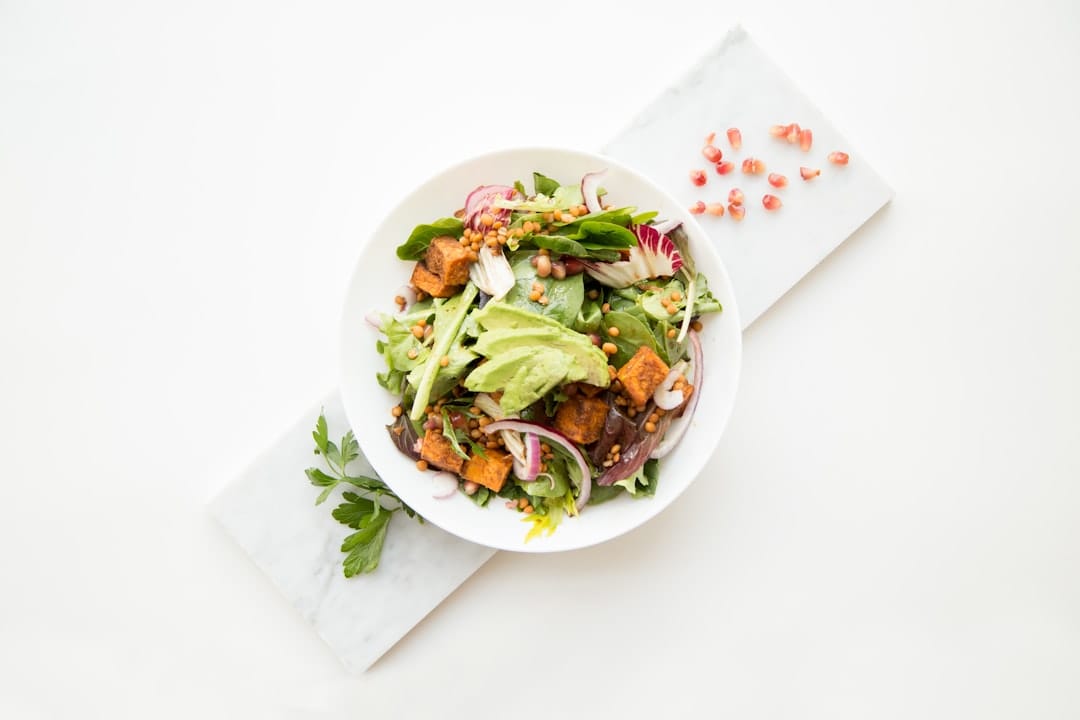
Roasting citrus is an underrated trick. Slices of orange and Meyer lemon go into a hot oven with olive oil, salt, and pepper until they char in spots and the sugars caramelize, which adds a warm, almost jammy depth. Once cooled, they join thin red onion softened in a little Meyer lemon juice, a handful of fresh mint, and wedges of avocado. Dress it lightly and toss gently so the avocado stays intact. It is a summer plate that reads as fresh and rich at the same time.
Sweet Treats Worth the Effort
 Save
This is where Meyer lemons really earn their reputation. Because the fruit is sweeter to begin with, the desserts come out balanced rather than mouth-puckering.
Meyer Lemon Curd
 Save
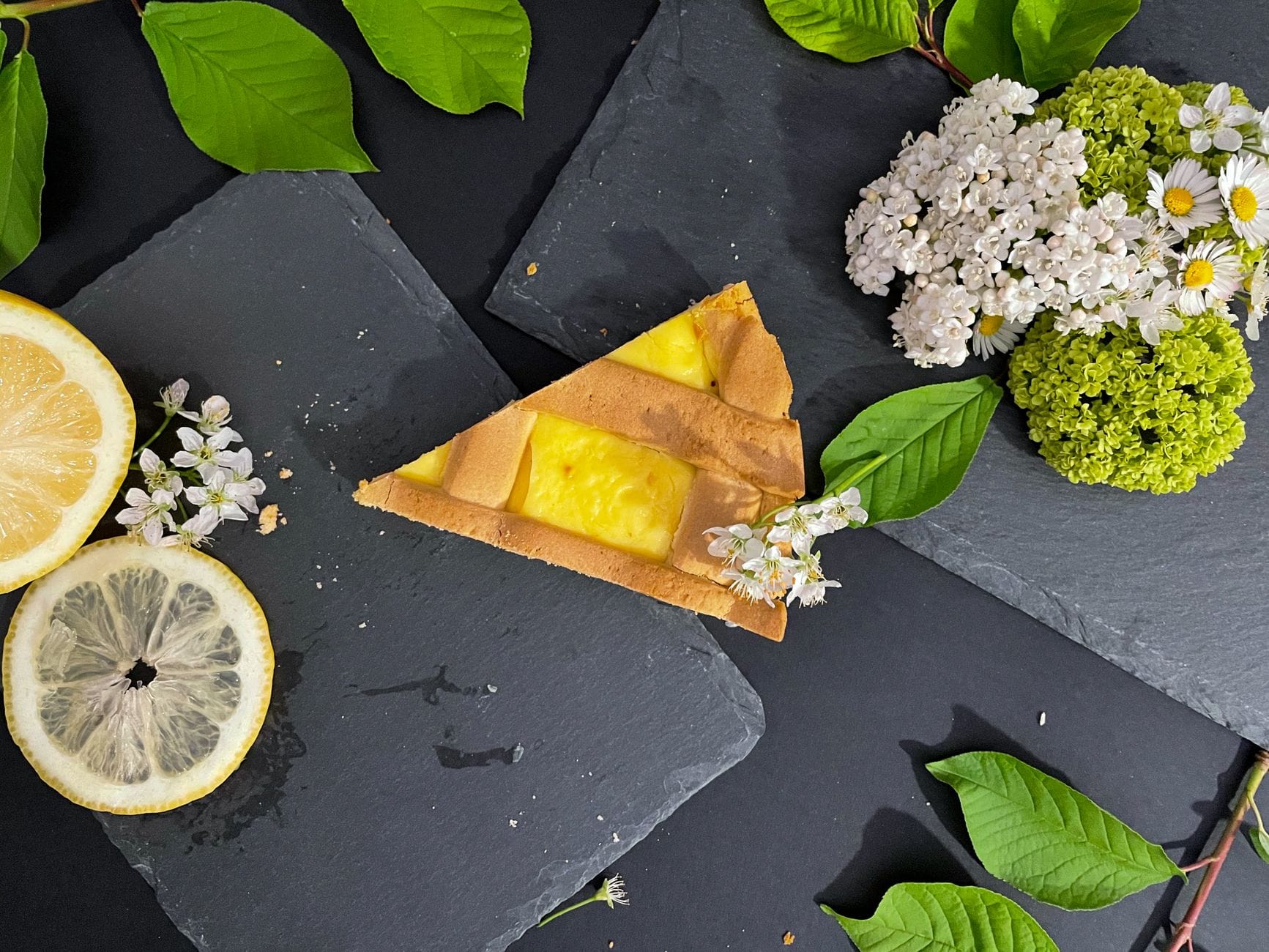
Curd is the most versatile thing you can make with them. Butter, sugar, whole eggs, extra yolks, zest, and a generous pour of Meyer lemon juice cook together slowly, with constant stirring, until the mixture thickens enough to coat the back of a spoon. Let it cool and chill it. From there it becomes a tart filling, a sauce, a spread for scones, or, honestly, something you eat by the spoonful.
A few more to try when you have a bag of lemons to use up:
Sorbet is the quickest win, especially with an ice cream maker, though you do not strictly need one. A simple sugar syrup gets stirred into Meyer lemon juice, chilled, and scooped. As home baker Debby notes on her blog, sorbets are appealing precisely because they are fast and forgiving.
Pudding cake separates as it bakes into cake on top and a soft, custardy pudding underneath. Whipped egg whites folded into a lemon-sour cream batter, baked in a water bath, give it that light, not-too-sweet texture. A dusting of powdered sugar finishes it.
Lemon bars deliver the classic combination of a shortbread crust and a tangy, chewy top. Sweet, soft, and hard to stop eating.
Tips for Getting the Most Out of Them
A few small habits make a difference. Zest before you juice, since grating a bare, slippery lemon half is no fun. Use the whole fruit when a recipe allows, because the thin skin means less bitter pith to work around. And when you find good Meyers, buy more than you need. The juice freezes well in ice-cube trays, the zest freezes in a small bag, and curd or chutney will carry the season into the colder months.
Keep in mind that the lower acidity cuts both ways. In a recipe designed for regular lemons, a Meyer version may taste flat, so a small squeeze of standard lemon juice can restore the tang without losing the floral character.
Frequently Asked Questions
Can I substitute Meyer lemons for regular lemons in any recipe?
Usually, yes, but expect a milder, sweeter result. For dishes that rely on sharp acidity, you may want to add a little regular lemon juice or reduce the sugar to keep the balance right.
Why are Meyer lemons only around for part of the year?
They are largely a warm-season fruit with a short growing and selling window. That is why preserving them as curd, chutney, or frozen juice is so popular among people who cook with them often.
Do I need to peel Meyer lemons before using them?
Not always. Their skin is thin and less bitter than a standard lemon’s, so many recipes, including whole-lemon pasta and some salads, use thin slices with the peel left on.
The Bottom Line
Meyer lemons are one of those seasonal ingredients that reward a little planning. Sweeter and softer than the standard fruit, they move comfortably between a caramelized citrus salad and a spoonful of glossy curd, between a bright vinaigrette and a chewy lemon bar. When you find them, buy generously, use the whole fruit where you can, and stash some away as curd or chutney so the flavor outlasts the short season.
This article is for general informational purposes only and is not a substitute for professional medical or dietary advice. If you have food allergies, a health condition, or specific nutrition concerns, please consult a qualified healthcare provider.
References
1. Debby’s Meyer Lemon Limoncello Sorbet, as cited in the original recipe collection (no public URL provided in the source).