
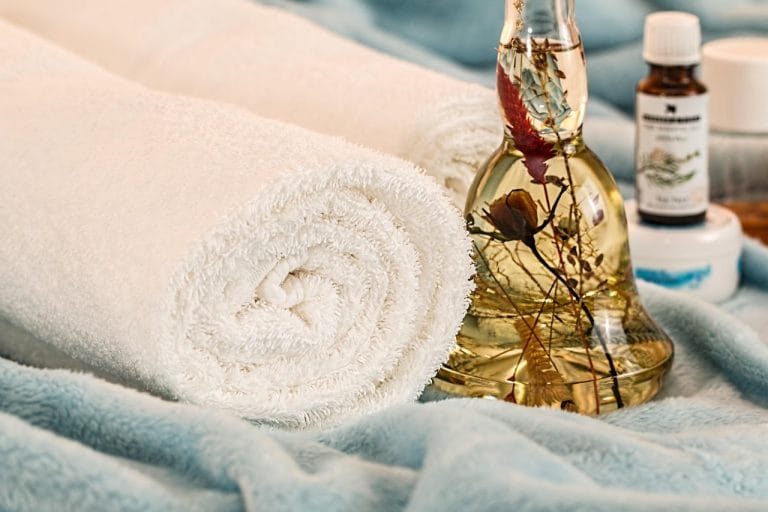
Aromatic plant oils that fight blemish-causing bacteria while keeping skin soft.
Essential oils have quietly become a fixture in a lot of skincare routines, and for good reason. Many of them carry antibacterial and anti-inflammatory properties that can go after the bacteria behind breakouts, while still leaving skin moisturized rather than stripped. That combination is exactly what stubborn, blemish-prone skin tends to need.
None of these oils is a magic cure. But used carefully, diluted, and patch-tested first, several have solid research behind them. Here are ten worth knowing, along with a plain guide to using them without trading one skin problem for another.
Key Takeaways
– Essential oils are concentrated plant extracts with antibacterial and anti-inflammatory effects that can benefit acne-prone skin.
– Thyme, cinnamon, rose, and rosehip oils have shown real activity against Propionibacterium acnes, the bacteria tied to breakouts.
– Every oil here should be diluted with a carrier oil or water and kept below a 5% concentration.
– A 24-hour patch test on your forearm is non-negotiable before anything goes on your face.
– These oils are for topical use only, never for the eyes, mouth, or nose, and never on newborns.
What Sets Off a Breakout
Acne starts when skin cells flake off and oil clogs your pores. Those blocked pores turn into a comfortable home for Propionibacterium acnes, and that bacterial buildup drives the inflammation and pimples you see on the surface.
Plenty of other things nudge the process along. Certain medications like lithium, steroids, and anticonvulsants can trigger it. So can heavy sun exposure, hormonal shifts from pregnancy or PCOS, and simple genetics. Even friction from gear that presses on your skin, think headbands, backpack straps, shoulder pads, or an underwire bra, can play a part. The reassuring news is that acne responds to treatment, and the right oil can be one gentle piece of that.
The Oils With the Best Track Record
Tea Tree Oil
 Save
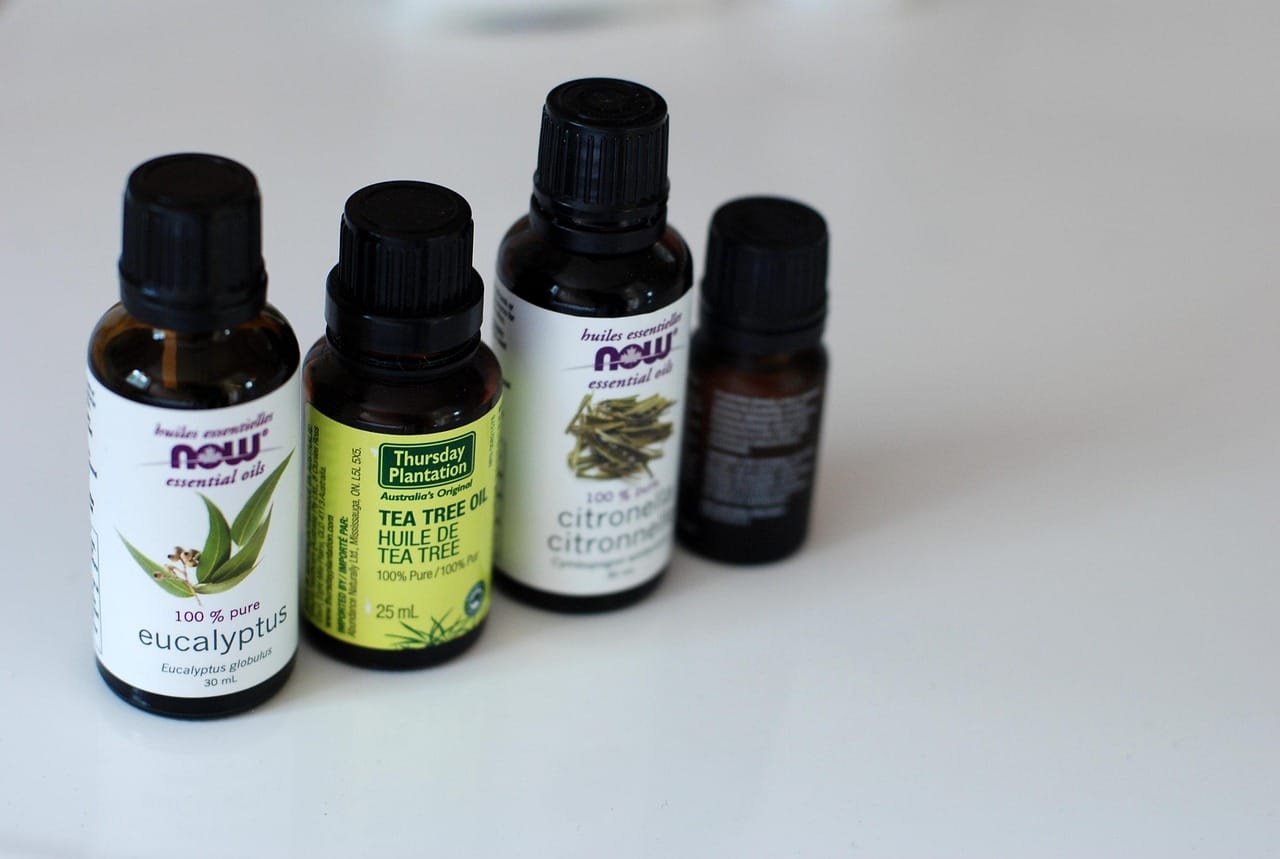
SaveTea tree oil has been used for centuries and now shows up in a lot of commercial acne products. It contains terpineol, an antimicrobial compound that helps knock back acne-causing bacteria. Applied topically, it has been found to ease mild to moderate acne vulgaris, which is why it remains one of the most popular picks for spot treatment.
Thyme and Oregano
Thyme oil is a strong contender for acne-prone skin. Its main component, thymol, has potent antibacterial activity, and one study found thyme oil could kill P. acnes within five minutes of contact. Oregano oil works in a similar lane, inhibiting bacterial growth and calming inflammation, with research showing activity against both P. acnes and Staphylococcus epidermidis, two of the bacteria most associated with acne.
Rose and Rosehip
 Save
SaveThese two come from the same plant family but do different jobs. Rose oil is rich in phenol, a strong antibacterial compound, and at a concentration of 0.25% it showed powerful bactericidal action, again clearing P. acnes within about five minutes.
Rosehip oil is pressed from rosehip seeds and delivers linoleic acid and omega-6 fatty acids instead. Low linoleic acid levels are thought to contribute to acne, and applying it topically may shrink the size of blemishes while acting as a comedolytic, meaning it helps keep blackheads from forming. If your skin also reacts with redness or bumps, some of the same gentle logic behind natural fixes for facial rashes applies here too.
Jojoba
 Save
SaveJojoba is a bit of an outlier. It is technically a liquid wax, and that high wax content is part of what makes it useful. Studies suggest it can dissolve the sebum trapped inside hair follicles and help lift out comedones, so pores drain instead of clog. Its calming quality also makes it a fit for itchy, irritated patches and even psoriasis. Because it is one of the mildest options, it works nicely as the carrier you dilute stronger oils into.
A Few More Worth a Spot
Several other oils round out the list. Cinnamon oil brings antibacterial and antioxidant action and may curb P. acnes while softening the look of scars, which is why it is often blended with honey into a mask. Rosemary oil, the same herb from your kitchen, has been shown to shrink and destroy bacterial cells as its concentration climbs. Bergamot, pressed from the peel of a citrus fruit, can slow sebaceous gland activity and dial back the excess oil that androgens tend to stir up. And chamomile oil, though the evidence is thinner, has antimicrobial potential and a long history of soothing skin. Fragrant oils like these overlap with the broader benefits people look for in options such as sandalwood oil for skin and hair.
How to Use Them Without Irritating Your Skin
 Save
SaveThe golden rule is dilution. These are concentrated plant extracts, and used neat they can burn, sting, or make things worse. Mix your chosen oil into a non-comedogenic carrier oil (one that won’t block pores) or into water, keeping the essential oil below 5%.
From there, you have a couple of simple options:
As a spot toner: dab the diluted blend onto the affected area with a cotton ball or pad, then leave it overnight or rinse after about 15 minutes with lukewarm water.
As a facial mask: blend an oil like cinnamon with honey, apply a thin layer, and wash off after 15 minutes.
Always read the label first, and go slow. If you want to build a fuller routine around them, these fit well alongside other gentle habits for clearer skin rather than replacing everything at once.
Playing It Safe
A patch test is the single most important step. Apply the diluted oil to your inner forearm and wait a full 24 hours. If nothing happens, you are good to continue. If you get itching or redness, wash it off with warm water and skip that oil.
Beyond that, keep a short list of hard limits: never swallow these oils or put them in your mouth or nose, keep them well away from your eyes, and don’t use them on newborns. If you are pregnant or breastfeeding, check with your doctor before starting anything new.
Frequently Asked Questions
How long before I see results?
It varies. Some oils, like thyme and rose, show fast antibacterial action in lab settings, but real skin change is gradual. Give a diluted routine a few weeks of consistent, careful use before deciding whether it works for you.
Can I use more than one essential oil at a time?
It’s smarter not to layer several at once, especially early on. Start with one, patch-test it, and see how your skin responds before adding another. Stacking multiple concentrated oils raises the odds of irritation.
Are essential oils enough to treat severe acne on their own?
No. They can help with mild to moderate breakouts, but cystic or persistent acne usually needs a dermatologist’s input. Individual responses differ, so professional guidance is worth it when things aren’t improving.
The Bottom Line
Essential oils earn their place in acne care because of genuine antibacterial and anti-inflammatory activity, with tea tree, thyme, rose, oregano, and jojoba among the best-studied. The catch is that their strength cuts both ways, so dilution, patch testing, and topical-only use are what keep them helpful rather than harsh. Treat them as one gentle tool in a bigger routine, stay consistent, and loop in a dermatologist if your skin isn’t settling.
This article is for informational purposes only and is not a substitute for professional medical advice. Always consult a qualified healthcare provider or dermatologist before starting any new skincare treatment, especially if you are pregnant, breastfeeding, or managing a skin condition.