
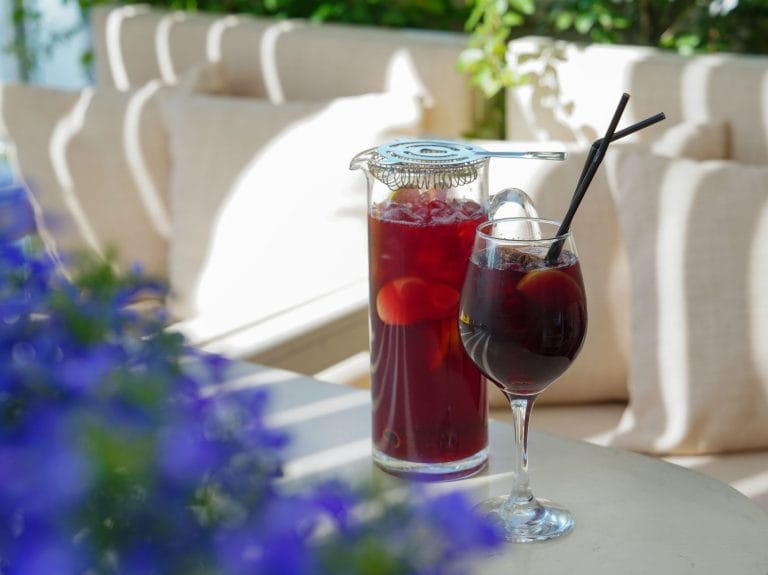
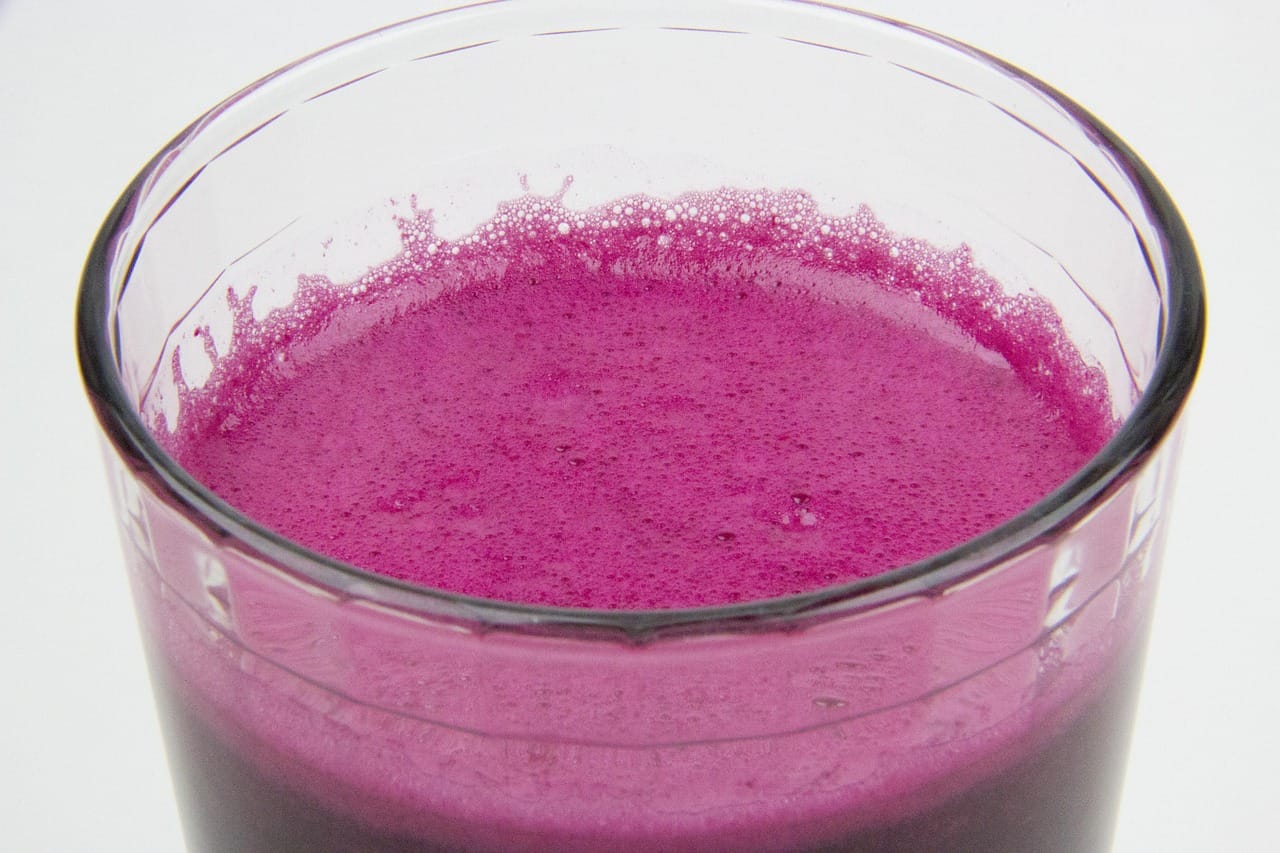
Blood orange and roasted beetroot, steeped overnight into the darkest red drink you will put on a table.
Beetroot in a cocktail sounds like a stunt. It is not. Beets are sweet and mineral in a way that sits surprisingly close to red wine, and blood orange bridges the two with enough acidity to stop the whole thing turning into a vegetable drink. The result is genuinely dark, almost opaque, and tastes far less earthy than it looks.
The important decision is how you treat the beetroot. Raw beet is aggressive and gives a soily edge that dominates everything. Roasting it first concentrates the sugars and turns that earthiness into something rounder and more caramel-like, which is what makes this drinkable rather than merely interesting.
Key Takeaways
– Roast the beetroot before it goes anywhere near the wine. Raw beet makes the sangria taste of soil.
– The overnight steep is what pulls the colour and flavour together, so this cannot be made to order.
– Blood orange supplies the acidity that keeps the beet from dominating. Regular oranges work but need extra lemon.
– Beetroot is genuinely well studied for its dietary nitrate content, but nothing about that survives contact with a bottle of wine.
– Strain before serving unless you want people chewing beetroot at the bottom of the glass.
Where the Colour Comes From
 Save
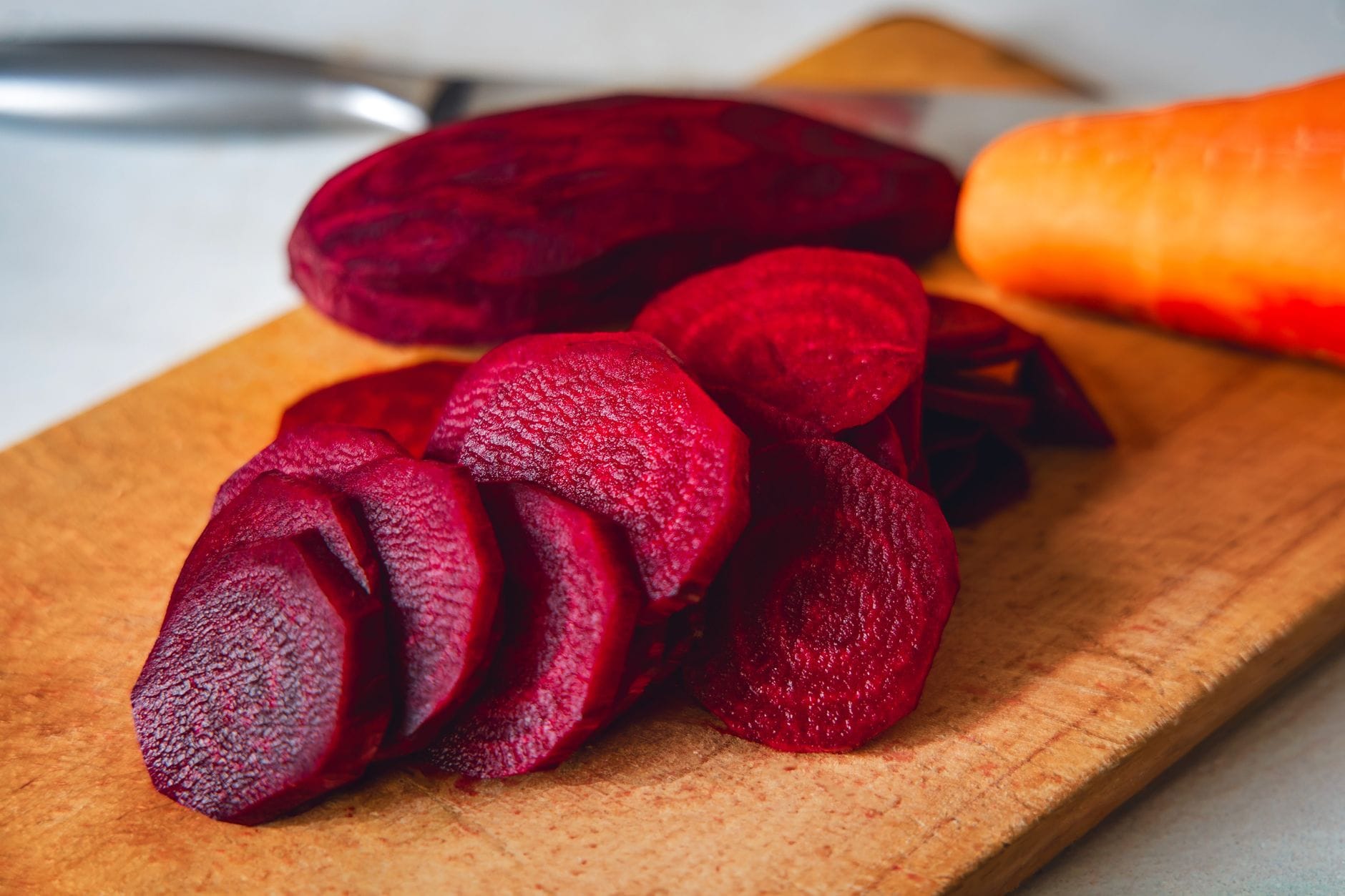
SaveThe pigments in beetroot are betalains, which is why beet red is a different, more purple-leaning red than the anthocyanins in berries or the carotenoids in a carrot. They are water-soluble and leach out readily, which is exactly what you want here, and it is why the sangria darkens dramatically overnight.
Betalains are also sensitive to heat and to prolonged light. That is not a problem over the timescale of this recipe, but it is a reason to keep the pitcher covered in the fridge rather than sitting out on a sunny counter, where the colour will dull towards brown.
Roasting is the step that changes the flavour. Beets are around eight to ten per cent sugar by weight, and dry roasting caramelises a portion of that while driving off water. Boiled or raw beet has a green, mineral quality; roasted beet is sweeter, deeper, and much closer to what you want alongside red wine.
What You Need
 Save
SaveServes six to eight.
2 medium beetroot, about 300g
1 tablespoon olive oil
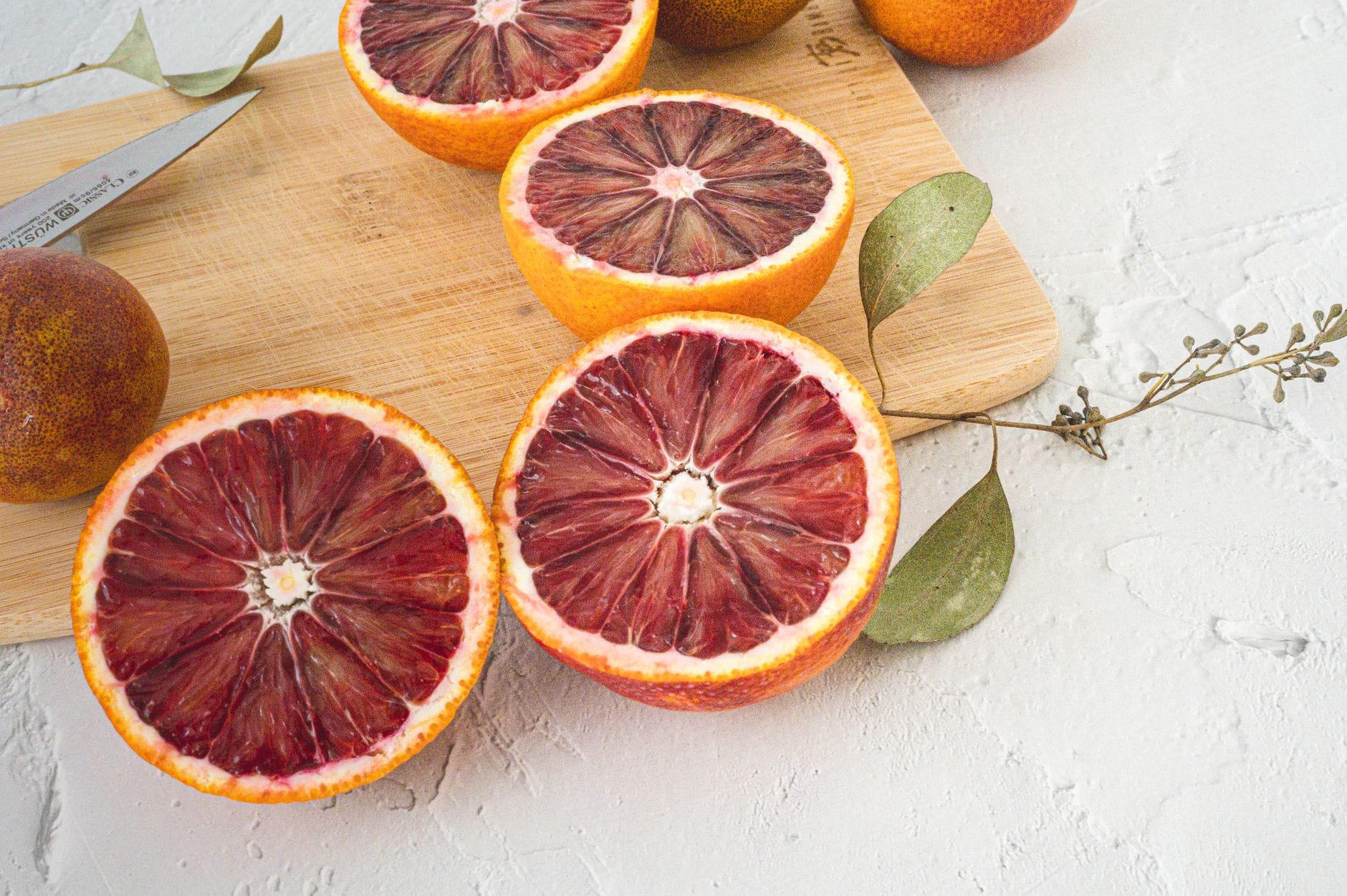
3 blood oranges
1 lemon
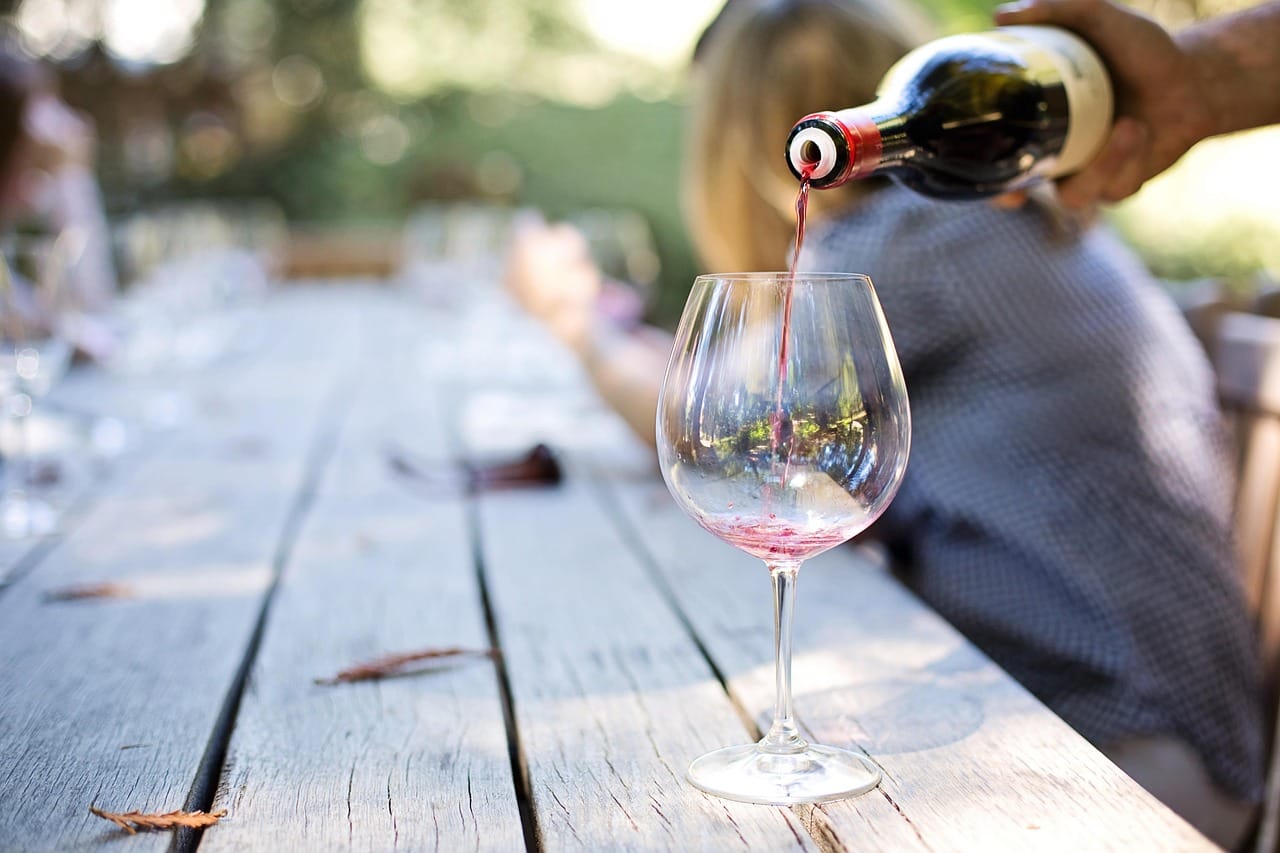
1 bottle (750ml) dry red wine, something medium-bodied
120ml brandy
60ml orange liqueur
2 tablespoons honey or agave, or to taste
1 cinnamon stick
Sparkling water, to top
Ice, to serve
For the wine, a Garnacha, Tempranillo, or an unoaked Merlot all work. Avoid anything heavily oaked, because the vanilla and toast notes clash with the beet, and avoid anything expensive, because you are about to add brandy and fruit to it.
If blood oranges are out of season, use three regular oranges and add the juice of a second lemon to compensate for the missing acidity.
How to Make It
 Save
Save1. Heat the oven to 200C (400F). Peel the beetroot, cut into 1cm wedges, toss with the olive oil, and roast on a lined tray for 30 to 35 minutes until tender at the edges and slightly shrivelled. Let them cool completely.
2. Slice two of the blood oranges and the lemon into rounds. Juice the third orange.
3. Put the roasted beetroot, citrus slices, orange juice, honey, and cinnamon stick into a large pitcher or jar.
4. Pour over the brandy and orange liqueur and stir. Let this sit for 20 minutes on its own, which starts drawing the colour out before the wine dilutes everything.
5. Add the wine, stir well, cover, and refrigerate for at least 8 hours and up to 24.
6. Taste before serving and adjust with more honey or a squeeze of lemon.
7. Strain into a clean pitcher, discarding the beetroot and spent citrus, or leave a few orange slices in for looks.
8. Serve over plenty of ice, topping each glass with a splash of sparkling water.
Do not skip the overnight rest. At four hours it tastes like red wine with something unidentifiable in it. At twelve it tastes like a single drink.
What Beets Do and Do Not Do
 Save
SaveBeetroot is one of the more genuinely interesting vegetables in nutrition research, largely because of its dietary nitrate content. Nitrate converts in the body to nitric oxide, which relaxes blood vessels, and there is a substantial literature on beetroot juice and modest reductions in blood pressure, alongside a smaller body of work on exercise performance. Systematic reviews have found real, if moderate, effects.
That research uses concentrated beetroot juice in specific doses, taken consistently. It does not extend to a wedge of roasted beet steeped in alcohol. Two things get in the way: the quantity of actual beet in a glass is small, and alcohol has its own, opposing effects on blood pressure.
It is also worth stating plainly that the older picture of moderate drinking as cardioprotective has not held up well. Recent large-scale analyses accounting for genetic and methodological confounders have found the apparent benefit largely disappears. Enjoy this because it is a good drink, not because of the vegetable in it.
The Bottom Line
Roast the beets, use blood orange while you can get it, and give it a full night in the fridge. Those three things are the whole recipe. What comes out is a sangria with more depth and considerably more drama than the standard version, and no one has to know how easy it was.
This article is for informational purposes only and is not a substitute for professional medical advice. Talk to your doctor or a registered dietitian before making significant changes to your diet, especially if you have a health condition or a known food allergy.