
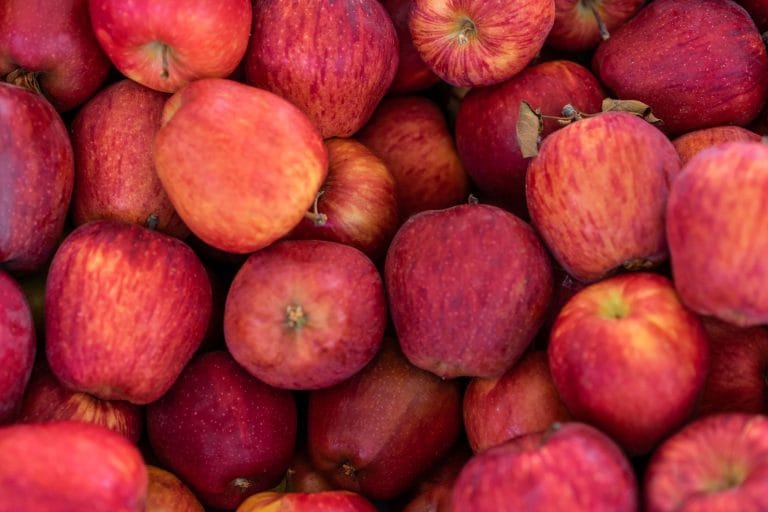
Crunchy, naturally sweet, and genuinely filling — here’s why an apple a day can support your weight-loss goals.
“An apple a day” turns out to be solid advice if you’re watching your weight. Apples are low in calories, high in fiber and water, and satisfyingly crunchy — a combination that helps curb hunger without much of a calorie cost. They’re also endlessly portable, making them one of the easiest healthy snacks to reach for.
Here’s what makes apples weight-loss friendly, plus how to get the most from them.
Nutritional Value of Apples
A medium apple has only around 95 calories, virtually no fat, and about 4 grams of fiber, along with vitamin C, potassium, and a range of antioxidants (1). Much of that fiber and antioxidant content sits in the skin — which is a good reason to eat apples unpeeled.
Key Takeaways
– Low in calories, high in fiber — filling food for very few calories (1).
– Low glycemic and water-rich — gentle on blood sugar and hydrating.
– Naturally satisfying — the fiber and crunch help curb appetite (2).
– A convenient snack — easy to grab instead of processed alternatives.
Why Apples Help With Weight Loss
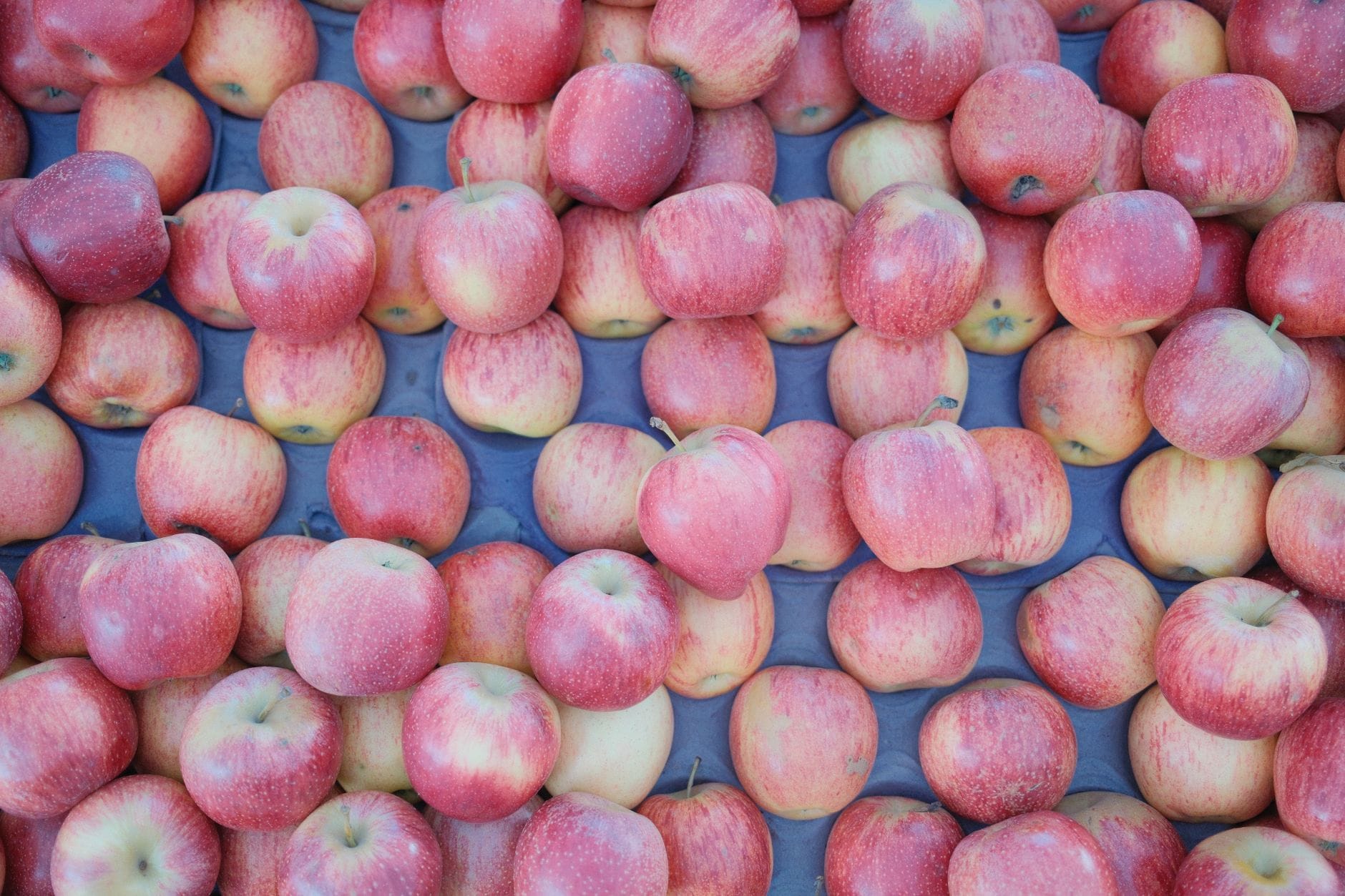
1. They’re low in calories. A medium apple is under 100 calories, so it satisfies a snack craving cheaply.
2. They’re high in fiber. Apple fiber — including soluble pectin — slows digestion and keeps you fuller for longer (2).
3. They’re a low-glycemic food. Apples raise blood sugar slowly, helping avoid the spikes and crashes that drive cravings (3).
4. They’re high in water. Their high water content adds volume and hydration without calories.
5. They’re rich in antioxidants. Polyphenols in apples support overall metabolic health.
6. They may support metabolism. Apple polyphenols have been studied for their effects on fat metabolism.
7. They aid digestion. The fiber supports regular bowel movements and a healthy gut.
8. They improve satiety. Eating a whole apple before a meal can help you eat less overall (2).
9. They’re a convenient snack. Easy to carry and eat anywhere, making them a simple swap for chips or sweets.
Other Health Benefits
Beyond weight, apples may help people with diabetes thanks to their low glycemic load, support heart health through fiber and antioxidants, and contribute to brain health and overall disease protection as part of a varied diet rich in fruits and vegetables (3).
How to Eat Apples for Weight Loss

Eat them whole, with the skin on — that’s where much of the fiber and antioxidants live. Whole apples beat juice, which loses the fiber and concentrates sugar.
Have one before a meal to take the edge off your appetite.
Pair with protein or fat — a few nuts or a spoon of nut butter makes a more satisfying snack and steadies blood sugar.
Use them to replace processed snacks rather than adding them on top of your usual intake.
Side Effects to Be Wary Of
Apples are very safe, but a few things to keep in mind:
Dental care — their natural acids and sugars mean it’s worth rinsing your mouth after eating.
Digestive upset — eating a lot of fiber suddenly can cause gas or bloating in some people.
Possible triggers — for some people with IBS, apples can be a trigger food.
Pesticides — wash apples well, or choose organic, since the skin can carry residues.
Allergies — some people react to raw apples (oral allergy syndrome).
Frequently Asked Questions
How many apples a day for weight loss?
One to two medium apples a day fits comfortably into most weight-loss plans as part of a balanced diet.
Is apple juice as good as whole apples?
No. Juice loses the fiber and concentrates the sugar, so whole apples are far better for weight loss.
When is the best time to eat an apple?
A great option is before a meal or as a between-meal snack, when its fiber can help curb your appetite.
The Bottom Line
Apples are a near-perfect weight-loss snack: low in calories, high in fiber and water, gentle on blood sugar, and genuinely filling. Eat them whole and unpeeled, use them to replace more processed snacks, and pair them with a little protein for staying power. They’re not a magic bullet — overall diet and activity matter most — but they’re one of the easiest healthy habits to build.
This article is for general informational purposes only and isn’t a substitute for professional medical advice, diagnosis, or treatment. Consult a qualified healthcare provider or dietitian for personalized guidance.