
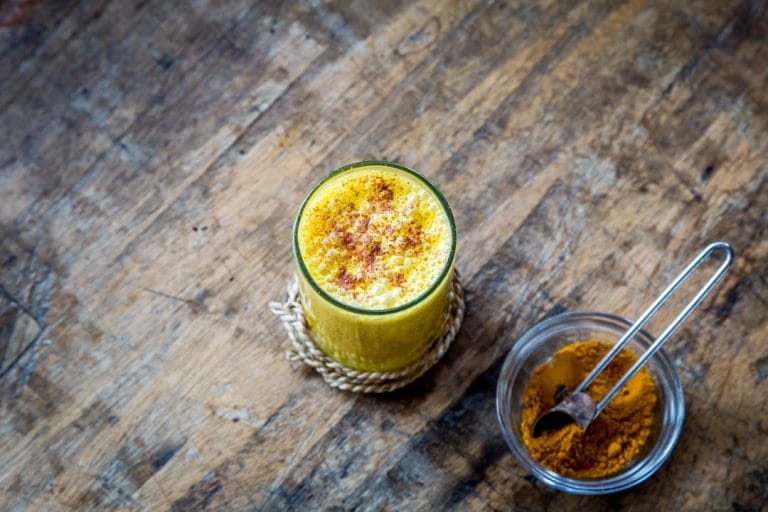
A cozy, centuries-old tonic that turns one humble spice into a wellness ritual.
Warm, gently spiced, and the color of late-afternoon sun, turmeric milk—often called golden milk—has quietly moved from Indian kitchens into cafes and wellness routines around the world. At its heart is a simple idea: stir turmeric into warm milk and sip your way to a little more comfort and vitality.
What makes this drink so special isn’t just its glow. Turmeric is one of the most studied spices on earth, prized for antioxidants and anti-inflammatory compounds that may support your joints, skin, brain, and immune system. Below, we’ll walk through what the research actually says, how to make golden milk at home, and when you should be cautious.
Key Takeaways
– Turmeric milk is an easy, traditional beverage rich in curcumin, a compound with antioxidant and anti-inflammatory properties.
– It may help ease joint pain, support skin health, sharpen the mind, and strengthen immunity.
– Companion spices like ginger and cinnamon add their own protective compounds.
– It can be enjoyed daily in moderation by most people.
– Too much turmeric may contribute to kidney stones, iron deficiency, or lowered blood sugar.
Where the Goodness Comes From
Nearly all of golden milk’s benefits trace back to turmeric and its star compound, curcumin—a powerful antioxidant. Turmeric has been explored as a supportive remedy for respiratory troubles, liver concerns, inflammation and joint pain, digestive complaints, and even diabetes and certain cancers. It has also been linked to better heart health.
Traditional recipes rarely stop at turmeric alone. Ginger and cinnamon are common additions, and together these three spices may work as a team against inflammation and the conditions tied to it.
May Ease Inflammation and Joint Pain
If there’s one benefit turmeric is famous for, it’s calming inflammation. The curcumin in golden milk targets molecules involved in the inflammatory process—including phospholipase, thromboxane, and collagenase—and its effects have been compared to some conventional pharmaceutical drugs.
The evidence is striking in joint conditions. In one study, people with rheumatoid arthritis who took 500 milligrams of curcumin daily improved more than those taking a standard medication. Ginger, another golden-milk staple, showed similar promise. Some researchers have even suggested curcumin as a possible alternative to NSAIDs for joint discomfort.
That said, natural remedies are not replacements for medical care. Always talk to your doctor before using turmeric to manage a condition or medication.
May Support Radiant Skin
 Save
SaveTurmeric has long been a go-to in traditional skincare, believed to brighten the complexion and keep unwanted bacteria in check. Curcumin now appears in many skin gels and creams for its protective qualities.
There’s an interesting beauty angle here, too. A 2026 study in the International Journal of Molecular Sciences found that curcumin and its modified forms can suppress melanin production in human skin cells by blocking tyrosinase, the enzyme that makes melanin. In practical terms, curcumin may have a brightening, anti-pigmentary effect.
The cinnamon in golden milk contributes as well, helping stimulate collagen—the protein that keeps skin firm and helps fend off premature aging.
May Lower Cancer Risk
Hundreds of studies have examined curcumin’s potential anticancer activity, from breast and ovarian to lung, skin, brain, and digestive cancers. Laboratory research suggests it may slow cancer’s progression, make chemotherapy more effective, and shield healthy cells during radiation therapy.
The supporting spices help here too. Ginger contains 6-gingerol, shown to have anticancer activity, while cinnamon offers cinnamaldehyde, a compound linked to reduced cancer risk. Much of this work is still in animals, so more human research is needed—but the direction is encouraging.
May Sharpen Brain Health
 Save
SaveGolden milk may be good for your mood and memory. Curcumin is thought to raise levels of brain-derived neurotrophic factor (BDNF), a growth hormone that helps neurons multiply. Low BDNF has been tied to depression and Alzheimer’s, since it also plays a role in learning and memory.
Cinnamon boosts neuroprotective proteins that may lower Parkinson’s risk, and ginger has been found to improve reaction time and memory. Curcumin, meanwhile, may help protect against age-related cognitive decline while lifting mood.
May Aid Weight Loss
Curcumin’s anti-inflammatory nature may support weight management, since excess weight often involves low-grade metabolic inflammation. Animal research suggests curcumin can even curb the growth of fat tissue, though human results are still being confirmed.
One caveat: the saturated fat in dairy milk may offset some of curcumin’s fat-fighting perks. To keep your golden milk working for you, add a pinch of black pepper and skip the sugar and artificial sweeteners.
May Promote Heart Health
 Save
SaveRounding out the list, turmeric, ginger, and cinnamon have each been associated with benefits for cardiovascular health—another reason this warm, comforting drink earns its wellness reputation.
How to Make Turmeric Milk at Home
 Save
SaveGolden milk couldn’t be simpler:
Warm one cup of milk (dairy or plant-based) in a small pot.
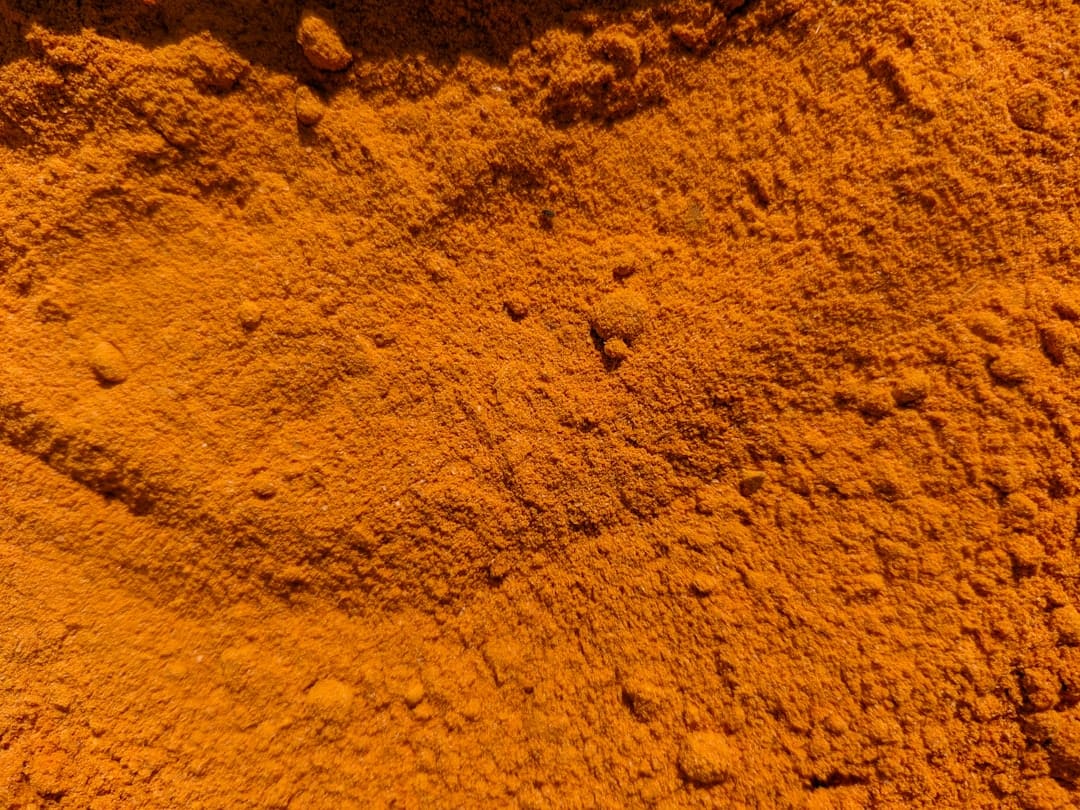
Whisk in ½ teaspoon of turmeric, plus a pinch of ginger and cinnamon.
Add a small pinch of black pepper to boost curcumin absorption.
Heat gently—don’t boil—then pour and sip while warm.
Skip the sugar where you can; the spices bring plenty of flavor on their own.
Frequently Asked Questions
Can I drink turmeric milk every day?
Yes—most people can enjoy it daily in moderation. If you take antidiabetic medication or have a health condition, check with your doctor first.
Is turmeric milk the same as a turmeric latte?
They overlap. A turmeric latte is essentially a frothier, cafe-style version of traditional golden milk, sometimes with added sweeteners.
When is the best time to drink it?
Many people enjoy golden milk in the evening as a soothing, wind-down ritual, but any time of day works.
The Bottom Line
Turmeric milk is a warm, budget-friendly way to fold one of the world’s most researched spices into your routine. From easing joint pain to supporting glowing skin, a sharper mind, and a healthier heart, curcumin and its companion spices offer a genuinely impressive list of potential perks. Enjoy it in moderation, add black pepper to unlock more curcumin, go easy on the sugar—and remember that too much turmeric can contribute to kidney stones, iron deficiency, or low blood sugar.
This article is for informational purposes only and is not a substitute for professional medical advice. Consult a qualified healthcare provider before making changes to your diet, especially if you are pregnant, take medication, or have an existing health condition.