

Simple, kitchen-friendly remedies to calm loose stools and protect you from dehydration.
Few things derail a day like diarrhea. It tends to arrive without warning, and if you ignore it early on, it can escalate quickly. Most cases are triggered by poor hygiene or contaminated food and water — norovirus alone has been linked to more than 200,000 deaths in developing regions. The good news is that mild bouts usually respond well to rest, fluids, and a handful of time-tested home remedies.
Before we dive in, one gentle reminder: the biggest risk with diarrhea isn’t discomfort, it’s dehydration and the loss of electrolytes. Sip fluids often, rest, and use the remedies below to ride out the mild stuff. If your symptoms drag on past a week, see a doctor.
Key Takeaways
– Diarrhea is most often caused by contaminated food, water, or poor hygiene, and its main danger is dehydration.
– Rehydrating drinks like lemon water, coconut water, and homemade oral rehydration solution (ORS) help replace lost fluids and salts.
– Ingredients such as ginger, peppermint, green tea, and apple cider vinegar may ease cramps and fight troublesome microbes.
– Lactose-intolerant people may benefit from swapping dairy for almond milk.
– Persistent symptoms beyond a week — or signs of severe dehydration — call for medical attention.
Rehydrating Drinks That Replace Lost Fluids
When you have diarrhea, your body sheds water and salts faster than it can replace them. These drinks help you catch up.
Lemon Water
A homemade blend of lemon juice, a little sugar, and a pinch of salt in water is a long-standing remedy for the dehydration that comes with loose stools. Squeeze half a lemon into a glass of water, stir in two teaspoons of sugar and a pinch of salt, and sip slowly every few minutes throughout the day.
Coconut Water
 Save
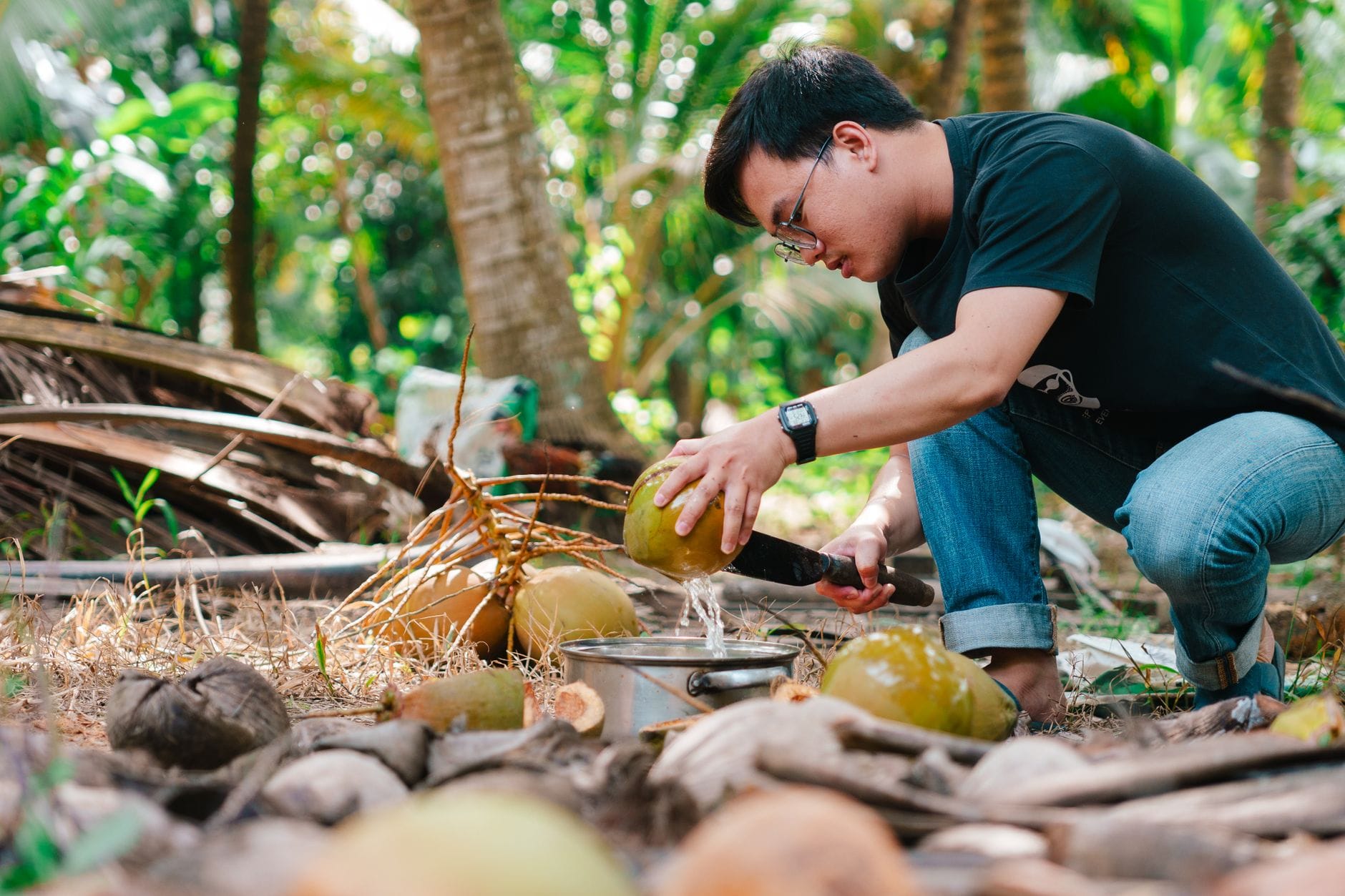
SaveFresh young coconut water can work as a gentle rehydration drink in the early stages of a mild bout, especially when paired with early refeeding. Research in well-nourished children found it useful alongside normal eating, though it lacks a perfectly balanced electrolyte profile. Drink a glass after each episode.
Caution: Coconut water is not a substitute for medical treatment. Do not rely on it for cholera, established dehydration, or kidney problems — those need proper care.
Homemade Electrolyte Drink (ORS)
Oral rehydration solution is the classic answer to fluid loss. You can make your own by dissolving six teaspoons of sugar and one teaspoon of salt in one liter of clean, boiled water. Sip a cup after every watery bowel movement. Store-bought ORS packets and sports drinks work too.
Soothing Remedies for Cramps and Microbes
Beyond hydration, a few pantry staples may calm your gut and target the culprits behind an upset stomach.
Ginger Tea
 Save
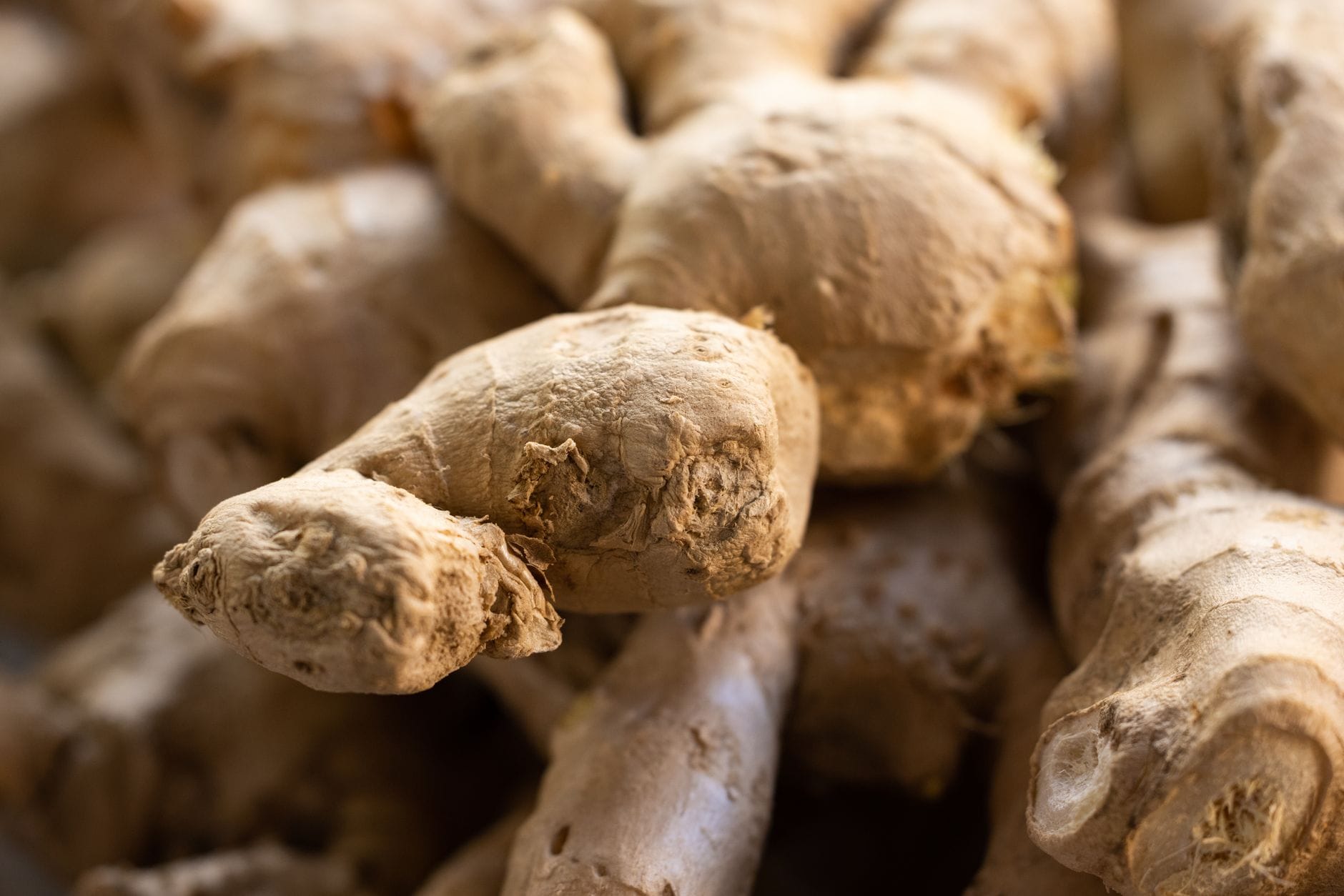
SaveGinger has a gentle reputation for settling the digestive tract. In one pharmacological study, an extract of ginger helped curb serotonin-induced diarrhea. To make a soothing cup, simmer one to two inches of sliced ginger in a cup of water, strain, and drink the warm tea two to three times a day.
Peppermint Essential Oil
Menthol, the active compound in peppermint, may relieve the abdominal pain and cramping that often accompany diarrhea and irritable bowel syndrome. Add a single drop of food-grade peppermint oil to a glass of warm water and drink once or twice daily. Only ever use food-grade oil for this.
Green Tea
 Save
SaveGreen tea is prized for many reasons, and calming diarrhea is one of them. Steep a teaspoon of green tea with a cardamom pod in a cup of hot water for five to seven minutes, strain, and enjoy one to two cups a day.
Apple Cider Vinegar
Apple cider vinegar (ACV) carries antimicrobial and anti-inflammatory properties. Laboratory research found it inhibited the growth of common microbes such as E. coli, S. aureus, and C. albicans, disrupting their cell structure and lowering inflammation-linked proteins. That suggests it may help fight the bugs behind some cases of diarrhea and soothe irritated intestines. Stir two teaspoons into a glass of water, add a little honey if you like, and drink two to three times a day until things settle.
Diet Swaps and Nutrients
Almond Milk
 Save
SaveIf you’re lactose intolerant, dairy products like buttermilk can trigger diarrhea because your body struggles to digest lactose. Almond milk is a safe, easy stand-in — use it in cereal, smoothies, and cooking. For those who are lactose intolerant, this can become a helpful everyday habit.
Vitamin A
A shortage of vitamin A is tied to a higher risk of diarrheal illness. The epithelial cells that line your gut are similar to those in your eyes, so a deficiency can quietly undermine gut health. While supplements haven’t been proven to cure diarrhea outright, correcting a deficiency may support recovery and lower the risk of future infections. Lean on vitamin A–rich foods like carrots, sweet potatoes, spinach, apricots, cantaloupe, and winter squash.
What Foods Help — and How to Prevent It
Stick to bland, easy-to-digest foods while you recover, and keep drinking fluids. To lower your chances of another bout, wash your hands thoroughly, drink clean water, cook food properly, and store leftovers safely. Simple hygiene is your best defense against the contaminated food and water that cause most cases.
Frequently Asked Questions
How long should diarrhea last before I worry?
Most mild cases ease within a couple of days. If it continues beyond a week, see a doctor for proper diagnosis and treatment.
Can I drink coconut water if I’m severely dehydrated?
No. Coconut water suits mild, early cases only. Severe dehydration, cholera, or kidney issues need medical care, not home remedies.
Is dairy safe to eat during diarrhea?
Many people, especially those who are lactose intolerant, find dairy worsens symptoms. Almond milk is a gentler alternative.
The Bottom Line
Mild diarrhea usually clears up with rest, steady hydration, and a few kitchen remedies — lemon water, homemade ORS, ginger, peppermint, and green tea among them. Focus first on replacing lost fluids and salts, then reach for the soothing ingredients that suit you. Stay alert to warning signs, and don’t hesitate to seek help if symptoms persist beyond a week or dehydration sets in.
This article is for informational purposes only and is not a substitute for professional medical advice. Always consult a qualified healthcare provider before starting any new remedy, especially for infants, older adults, or anyone with an underlying condition.