
A deep-purple fruit with melt-in-your-mouth flesh and a long history in traditional medicine.
If you have ever cracked open a mangosteen, you know the moment: a thick purple rind gives way to snow-white segments so tender they seem to dissolve on the tongue. Beyond that luxurious taste, this Southeast Asian fruit has been valued for generations as a folk remedy for everything from high blood pressure to skin troubles.
Modern researchers have started catching up to that reputation. Mangosteen is packed with plant compounds called xanthones, and early studies suggest they may support blood sugar, calm inflammation, and even fight the bacteria behind breakouts. Here is what the evidence actually shows.
Key Takeaways
– Mangosteen is a tropical fruit native to Southeast Asia, prized in traditional medicine for its rind, pulp, and juice.
– Its xanthones act as powerful antioxidants that may help steady blood sugar and neutralize free radical damage.
– Extracts show real antimicrobial punch, reducing acne inflammation in one 12-week study by about 67%.
– Compounds like alpha-mangostin have notable anti-inflammatory effects and may aid weight and cholesterol balance.
– Its antioxidants may help skin hold moisture and stay elastic, softening visible signs of aging.
Meet Mangosteen: A Southeast Asian Treasure
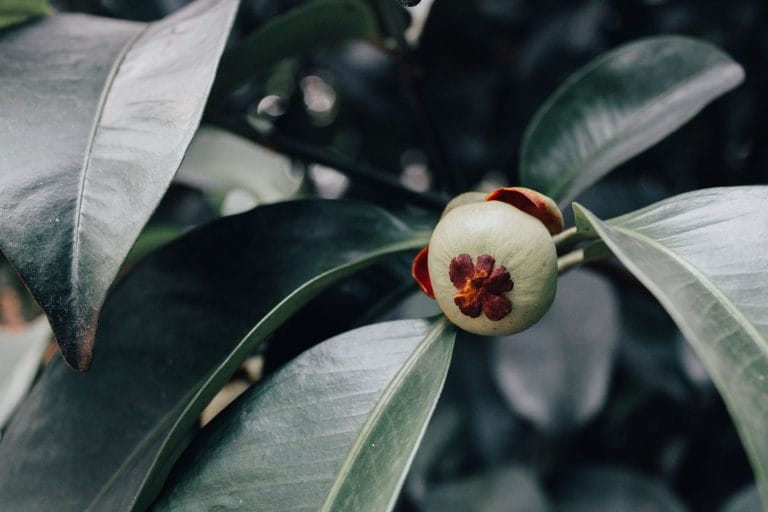
Mangosteen (Garcinia mangostana) grows mainly across Southeast Asia, with Thailand and Vietnam among its heartlands. Today it is also cultivated in India, China, Sri Lanka, and the tropical East Indies.
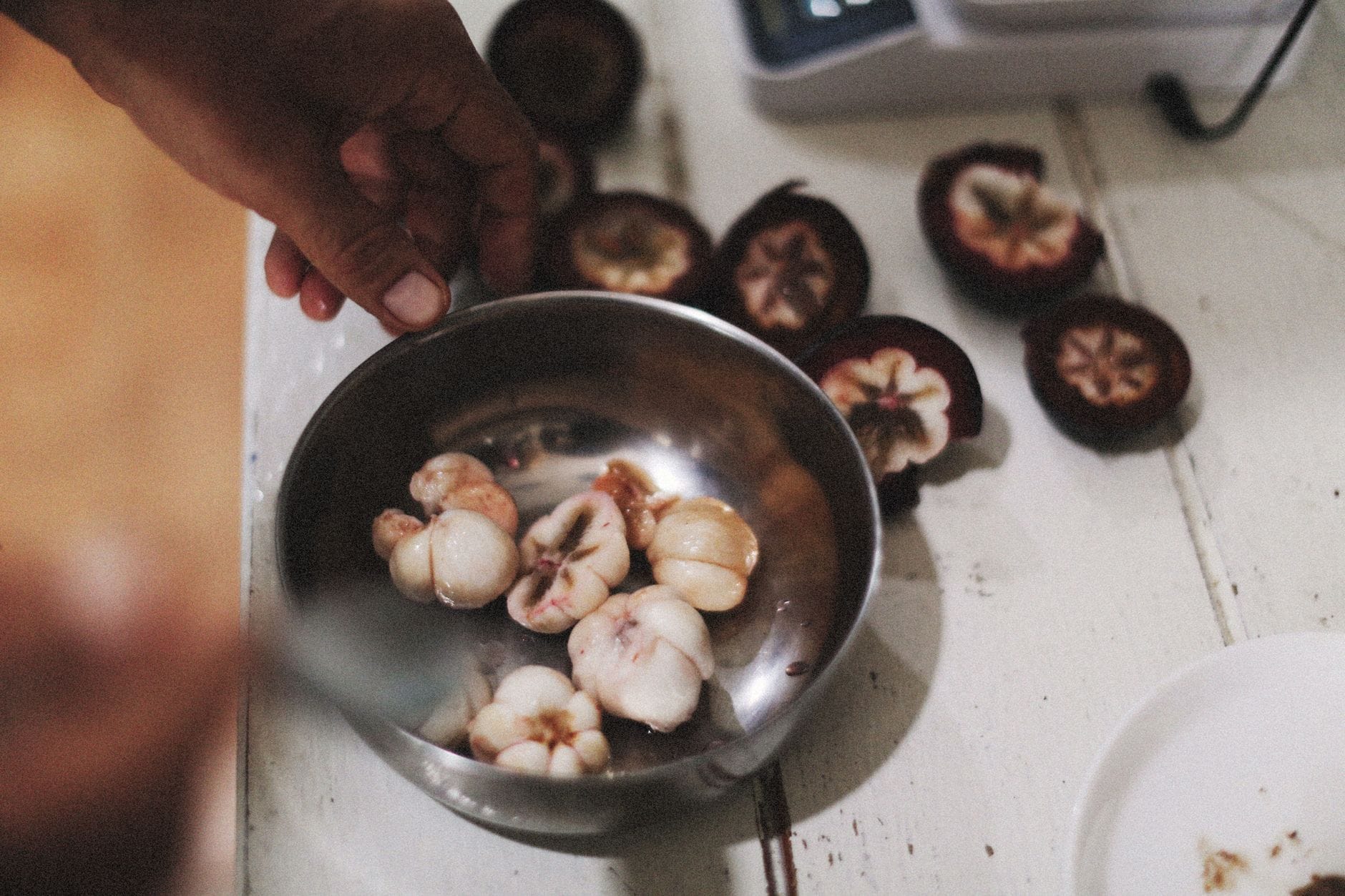
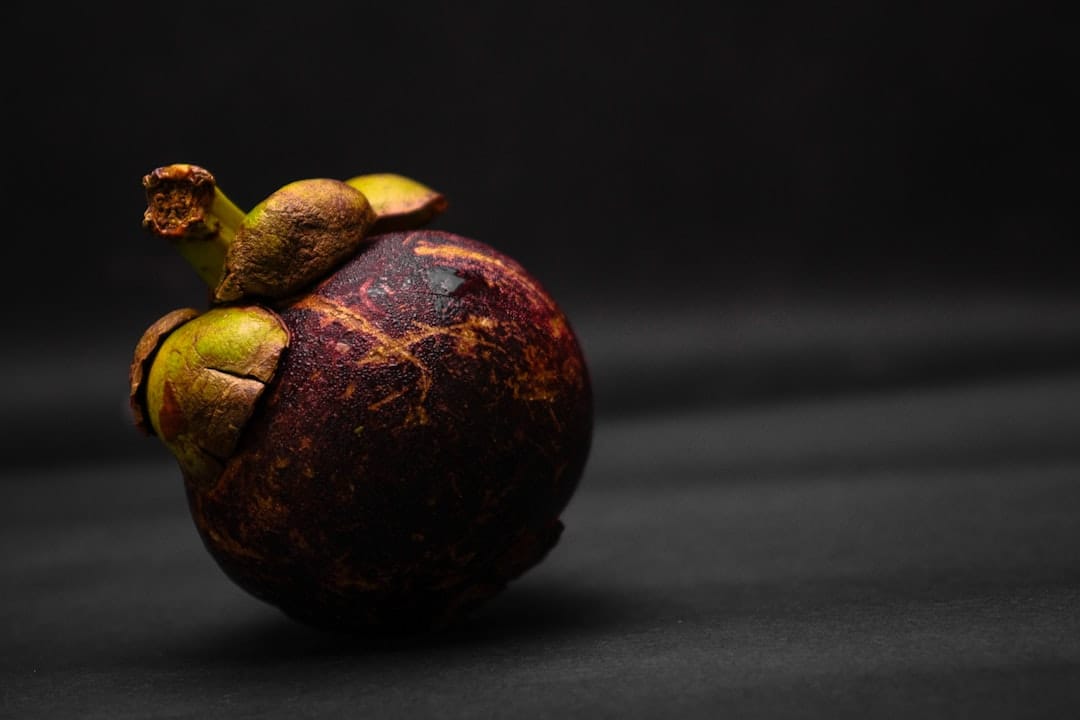
The tree carries glossy dark-green leaves and a round, berry-like fruit the color of deep plum. Inside a rind nearly an inch and a half thick sits the pale, juicy flesh, streaked with faint crimson veins. Slice it open and it weeps a vivid yellow, latex-like juice that is intensely flavorful.
What Makes Mangosteen So Prized?
The appeal is more than flavor. Mangosteen delivers vitamins, minerals, and fiber, and traditional healers have long used its pulp, juice, and rind to ease chronic inflammatory complaints.
Recent research points to antioxidant, anti-inflammatory, antimicrobial, and even anti-cancer activity, credited largely to the fruit’s rich phytonutrient profile. The active plant compounds inside appear to play a role in defending against diabetes, heart disease, and other stubborn conditions.
The Health Benefits of Mangosteen
Here is where the fruit earns its “queen” nickname.
Supports Healthy Blood Sugar
Oxidative stress and insulin resistance both feed into diabetes, and runaway free radicals can damage the pancreas, driving blood glucose up. Antioxidants help push back.
Mangosteen is loaded with xanthones and mangostins, potent antioxidants that neutralize free radicals. In animal studies, these compounds lowered fasting blood glucose and helped protect the insulin-producing beta cells of the pancreas, making mangosteen a promising anti-diabetic candidate that still needs human trials.
Calms Acne and Fights Microbes
 Save
SaveExtracts of the fruit are genuinely antimicrobial. They can suppress bacterial strains including Pseudomonas aeruginosa, Salmonella typhimurium, Bacillus subtilis, and Propionibacterium acnes, the microbe behind acne.
Xanthones such as mangostin and gartanin ease acne-related inflammation. In one Thai study, participants applied mangosteen rind extract to their faces for 12 weeks and saw roughly a 67% reduction in comedones, inflammatory lesions, and scarring. These compounds also inhibit several fungi, including Aspergillus and Rhizopus species.
A Natural Anti-Inflammatory
 Save
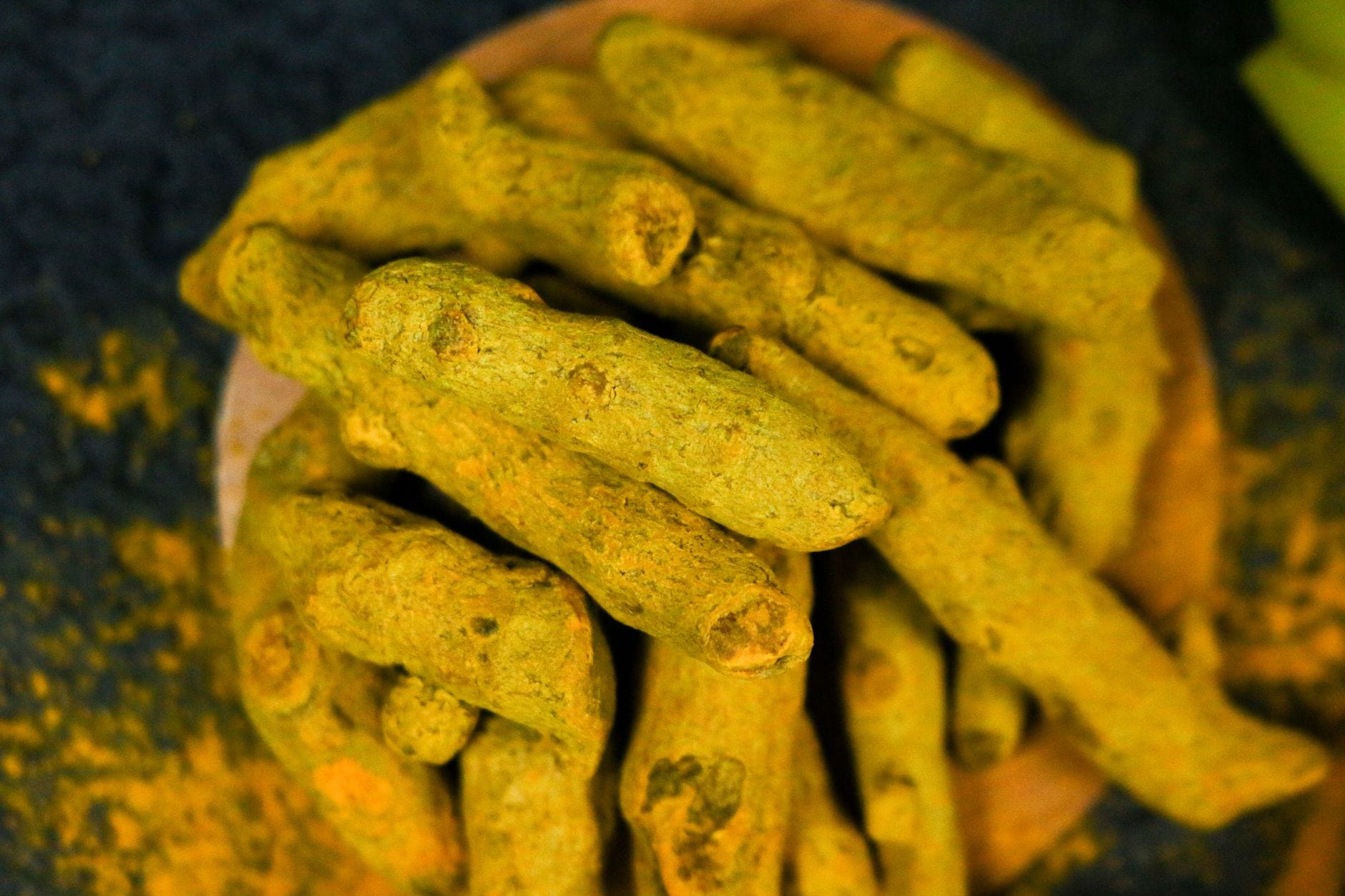
SaveAlpha-mangostin, the fruit’s signature bioactive compound, curbs the release of pro-inflammatory messengers like interleukins and nitric oxide by interacting with the genes that produce them.
That may translate to gentler flare-ups of chronic inflammatory disease. Mangosteen also shows anti-allergy effects, and topical extracts have been explored for eczema. Traditionally it has been used against diarrhea, dysentery, chronic ulcers, and even neurodegenerative complaints.
Promising Cancer Research
The most studied property of mangosteen xanthones is their anti-cancer potential. In laboratory work, alpha-, beta-, and gamma-mangostin triggered programmed cell death (apoptosis) in cancer cells and showed protective effects against breast, prostate, and colon cancers.
These compounds work through several cell-signaling pathways, but the findings come from lab and cell studies, not humans. If you are undergoing cancer treatment, treat mangosteen supplements with caution and talk to your doctor first.
May Aid Weight Management
Excess fat tissue ramps up pro-inflammatory compounds that quietly strain the heart, liver, kidneys, and brain. East Asian medicine long used mangosteen to address obesity.
Alpha-mangostin appears to inhibit pancreatic enzymes involved in fat storage. Several clinical trials have linked mangosteen extract to lower total and LDL cholesterol, alongside a boost in protective HDL cholesterol.
Skin That Looks Younger
Free radical buildup accelerates aging across the body, and skin shows it early through fine lines, wrinkles, and pigmentation. A diet rich in antioxidants like those in mangosteen can help skin stay resilient, holding onto moisture and elasticity for a smoother, healthier look.
What’s Inside Mangosteen
 Save
SaveThe fruit offers vitamins, minerals, and dietary fiber, but its standout feature is its concentration of xanthones, the plant antioxidants responsible for most of its studied benefits.
How to Enjoy Mangosteen
 Save
SaveA single fresh mangosteen a day is a reasonable serving. Score the thick rind, twist it open, and lift out the white segments. The flesh is delicious eaten straight, and it also blends beautifully into juice or steeps into a light, fragrant tea. Just be careful with the staining purple juice, which is notorious enough that some Malaysian hotels ban the fruit from their rooms.
Are There Any Side Effects?
Mangosteen is generally well tolerated as a food, but it is not risk-free. If you take blood thinners or heart medications, avoid mangosteen to prevent possible drug interactions. Anyone managing diabetes, high blood pressure, or a chronic condition should check with a doctor before making it a daily habit.
Frequently Asked Questions
Why has mangosteen been restricted in some Western countries?
This has generally related to import and trade rules for fresh tropical fruit rather than the fruit being unsafe to eat, and availability varies by country and over time.
How much mangosteen is safe to eat daily?
One whole fresh fruit per day is a sensible amount for most healthy adults. If you are on medication or have a chronic condition, ask your doctor first.
Can mangosteen really clear acne?
Early evidence is encouraging. In one 12-week study, topical rind extract cut acne lesions by about 67%, but that is a single study, so results may vary.
The Bottom Line
Mangosteen is a genuinely delicious fruit backed by growing, if still early, science. Its xanthones show real promise for blood sugar, inflammation, skin, and weight support. Most of the strongest evidence comes from lab and animal studies, so enjoy mangosteen as part of a varied, antioxidant-rich diet rather than as a cure — and loop in your doctor if you take medication.
This article is for informational purposes only and is not a substitute for professional medical advice, diagnosis, or treatment. Always consult a qualified healthcare provider before making changes to your diet, supplements, or treatment plan.