

Reach into your pantry to reveal soft, supple, deeply nourished skin—no expensive creams required.
Dry skin has a way of making you look tired and older than you feel. Flaky patches, tightness, and that persistent itch aren’t just uncomfortable—they can dim your natural glow. The good news is that hydration doesn’t have to come from a jar on a store shelf. Many of the most effective moisturizers are already sitting in your kitchen.
And here’s something worth remembering: moisturizing isn’t only for people with dry skin. Normal, combination, and even oily skin types benefit from regular hydration. As Dr. Ingrid Leo, MD, explains, dryness can stem from cold weather, low humidity, not drinking enough water, harsh soaps, too much sun, age, and conditions like eczema or psoriasis. Below are 11 simple, nutrient-rich remedies you can make at home to keep your skin comfortable and radiant all year round.
Key Takeaways
– Everyone benefits from moisturizing—not just those with dry skin.
– Natural oils, honey, and aloe vera are among the most effective humectants and emollients you can use.
– Most remedies take just minutes and can be applied 2–3 times a week.
– Butters like shea, cocoa, and mango lock in moisture and support elasticity.
– Always patch-test new ingredients, and skip dairy or paraffin-based remedies if they don’t suit your skin.
Nourishing Oils for Deep Hydration
 Save
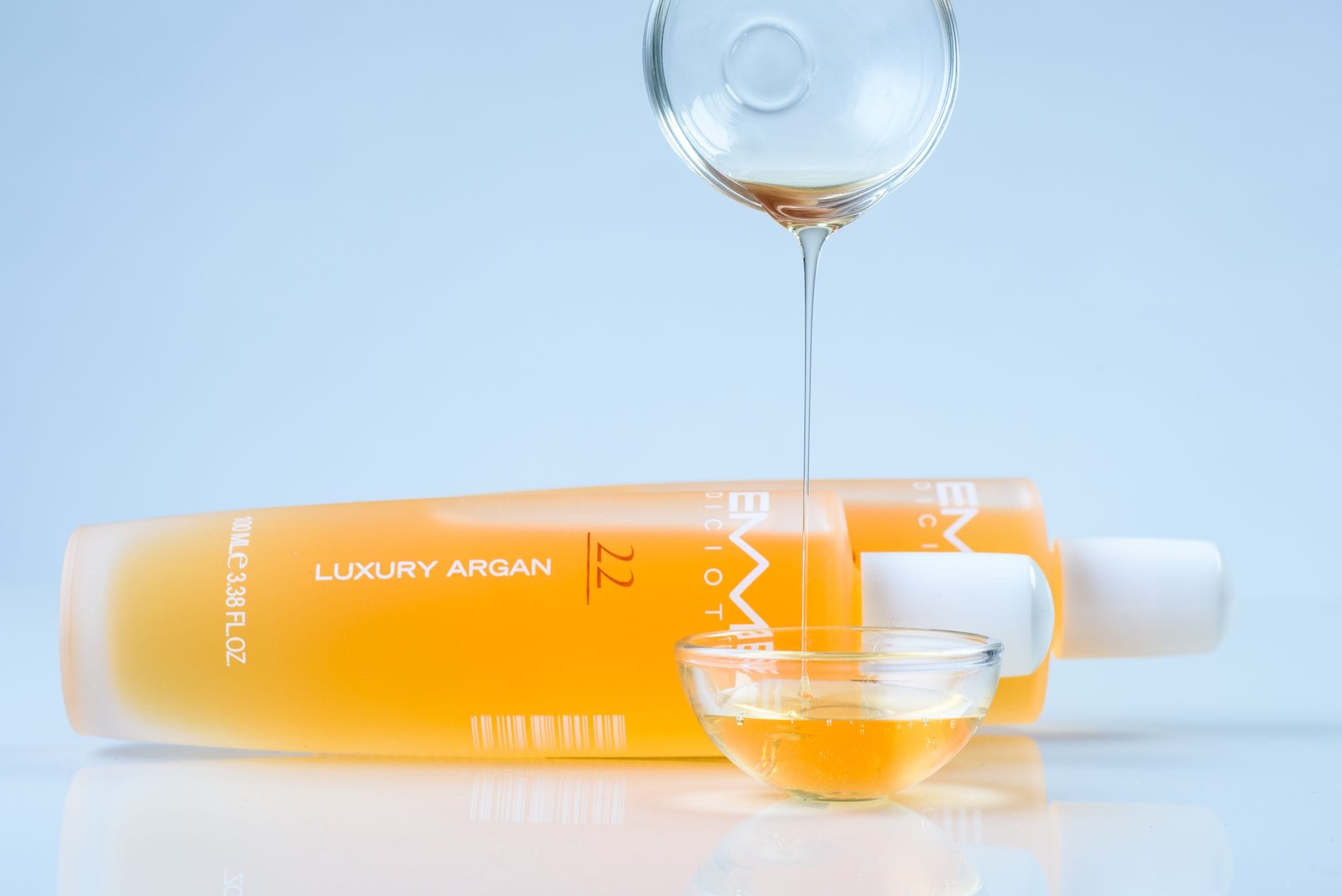
SaveNatural oils are a go-to for dry, itchy skin because they’re rich in vitamin E, vitamin A, and skin-loving fatty acids that lock in moisture while feeding your skin.
Choose whatever you have on hand—coconut, olive, castor, jojoba, sesame, argan, mineral, or even baby oil. Massage a small amount all over your body for a minute or two so it absorbs quickly without staining your clothes. You can leave it on overnight and rinse in the morning, or apply it right after a shower. For a facial treatment, blend an oil with honey and cooled green tea or chamomile tea into a hydrating mask.
Repeat 2–3 times a week, and you’ll notice smoother, softer skin over time.
Honey: Nature’s Humectant
Honey is one of the best natural moisturizers around. As both an emollient and a humectant, it draws moisture into the deeper layers of your skin while its antioxidants help unclog pores and restore a dull complexion to its natural shine.
Spread a thin layer of organic honey over your face, arms, or any dry area. Leave it for 15–20 minutes, then rinse with lukewarm water and pat dry. Do this twice a week, or more often for very dry skin. For a gentle exfoliating scrub, mix honey with oatmeal and a little glycerine.
Aloe Vera Gel
 Save
SaveAloe vera is packed with vitamins E and A, plus plant steroids with anti-inflammatory properties that soothe the itch that so often comes with dryness.
Peel the outer layer of a fresh leaf, scoop out the inner gel, and mash it well. Apply immediately, let it dry for 10–12 minutes, then rinse with warm water. Store any leftover gel in an airtight container in the fridge for a few days—it’s lovely blended with rose water, honey, and melon for a cooling face mask. Repeat every 2–3 days. Keep a plant on your balcony and you’ll always have a fresh supply.
Milk and Buttermilk
The solution to dull, dehydrated skin might already be in your fridge. Both milk and buttermilk absorb quickly, hydrate every skin type, and may even help keep fine lines and wrinkles at bay.
Apply cold milk or buttermilk generously to dry areas, leave it on for 10–15 minutes, and rinse with lukewarm water before your shower. Do this twice a week. If you’re allergic to dairy, swap in a plant-based milk instead.
Avocado for Flaky Patches
Creamy avocado is loaded with fatty acids, carotenoids, and vitamins C and E. Vitamin C in particular supports collagen and elastin production, helping skin stay firm and youthful, while its antioxidants defend against free-radical damage.
Mash the ripe pulp until smooth and lump-free, apply to dry areas, and leave for about 10 minutes before rinsing with warm water. Twice a week is plenty. Fruit masks made with orange, kiwi, papaya, pomegranate, or berries offer a similar nourishing, glow-boosting effect.
Rich Natural Butters
Plant butters are moisture powerhouses that also improve skin elasticity.
Cocoa Butter
 Save
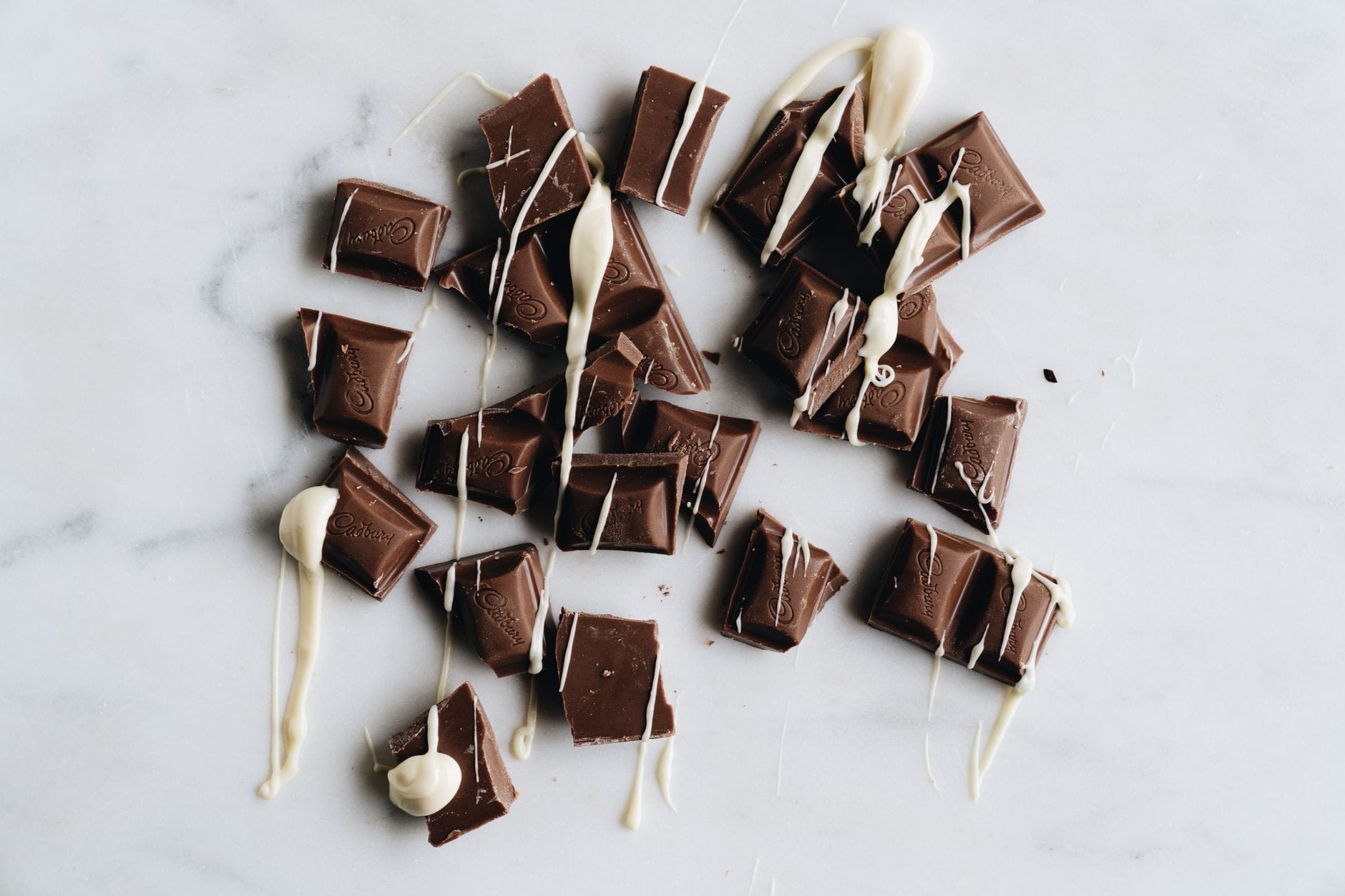
SaveExtracted from cocoa seeds, this butter boosts elasticity thanks to its saturated fats, while its polyphenols bring antioxidant and anti-inflammatory benefits that help reverse UV damage. Shave a little onto your skin and rub gently—the friction melts it into a smooth layer. Use twice a week.
Shea Butter
Rich in saturated fatty acids with healing and anti-aging properties, shea is a beautiful nighttime treatment. Warm a small dollop between your palms, massage it into dry areas until absorbed, and apply nightly before bed.
Mango Butter
Full of antioxidants and moisturizing compounds, mango butter absorbs fast and leaves no greasy residue. Massage it in daily or every other day and let it soak in.
Cucumber Juice
 Save
SaveCucumber is mostly water, making it a wonderfully soothing, rejuvenating hydrator. Blend one peeled, seeded cucumber into a purée. Melt 8 oz of paraffin wax, stir in 2 oz of a carrier oil (almond works best) and the purée, and mix thoroughly. Massage into your skin nightly, storing the rest in an airtight container. Skip this one if your skin is very oily or acne-prone, as paraffin wax can trigger breakouts.
Tips for Moisturizing Your Skin
Apply moisturizer to slightly damp skin to seal in extra hydration.
Drink plenty of water throughout the day to hydrate from the inside out.
Choose gentle, fragrance-free cleansers to avoid stripping natural oils.
Always patch-test a new ingredient on your inner arm before full use.
Frequently Asked Questions
How often should I moisturize my skin?
Ideally twice a day—morning and night—especially after cleansing or showering. Home remedies can be used anywhere from daily to two or three times a week depending on the ingredient and how dry your skin feels.
Do oily and acne-prone skin types need to moisturize?
Yes. Skipping moisturizer can prompt your skin to produce even more oil. Choose lightweight, fast-absorbing options like aloe vera or jojoba oil, and avoid heavy paraffin-based mixtures.
Can I use these remedies on my face?
Many, like honey, aloe vera, avocado, and milk, are gentle enough for facial skin. Always patch-test first and steer clear of anything you’re allergic to, such as dairy or nut-based oils.
The Bottom Line
Healthy, glowing skin doesn’t have to come with a high price tag. With simple staples like oils, honey, aloe vera, avocado, and natural butters, you can build a nourishing routine that keeps dryness, itching, and dullness at bay. Choose the remedies that suit your skin type, stay consistent, and remember to hydrate from within, too. A little regular care goes a long way toward soft, resilient, radiant skin.
This article is for informational purposes only and is not a substitute for professional medical advice. If you have a persistent skin condition, allergies, or concerns, please consult a qualified dermatologist or healthcare provider before trying new remedies.
References
No external source URLs were available for this article. For guidance specific to your skin type or any persistent skin condition, consult a qualified dermatologist or healthcare provider.